
Reviewed · HISTORICAL TOURS
Charleston’s Historic Downtown Food Tour
Charleston’s best food stories are not confined to a plate. They run through the French Quarter, past Rainbow Row, around the Pineapple Fountain, and into the old market district. This tour connects those places with four restaurant stops, where you can try dishes such as she-crab soup, rice and chicken, pulled pork, and dessert.
I like the way the tour treats food as part of Charleston’s past, not as a string of unrelated snacks. I also like the small group limit of 15 people, which gives guides such as Page, Jeff, and Emerson room to answer questions. The main caution is that the walk moves quickly, and the advertised 2.5 hours may sometimes feel closer to two.
Key points to know
- She-crab soup is often the star dish: This Charleston classic receives both food and historical attention.
- Four restaurant stops make a full lunch: You get seated tastings rather than only samples from counters or stalls.
- The route links food with place: Rainbow Row, the Pineapple Fountain, the Old Exchange, and City Market each add context.
- French and African influences receive real attention: The tour also discusses Gullah Geechee culture, slavery, and the slave trade.
- Page is a particularly strong guide when available: Her talks connect Lowcountry food, local culture, and Charleston history.
- The timing needs care: The tour is sold as about 2 hours 30 minutes, but one recent schedule finished in about two hours.
A Charleston lunch with a history lesson attached
At $110, this is not a cheap way to grab lunch. It can still be a fair deal if you want four tastings, a guided walk, and a useful first look at Charleston’s food traditions in one outing.
The key value is the combination. You are not simply paying for soup, barbecue, rice, and dessert. You are paying to understand why those foods belong here, how Charleston’s cultures shaped them, and where they fit in the city’s story. The food portions are generally enough to make up a full lunch, so plan this as your main midday meal.
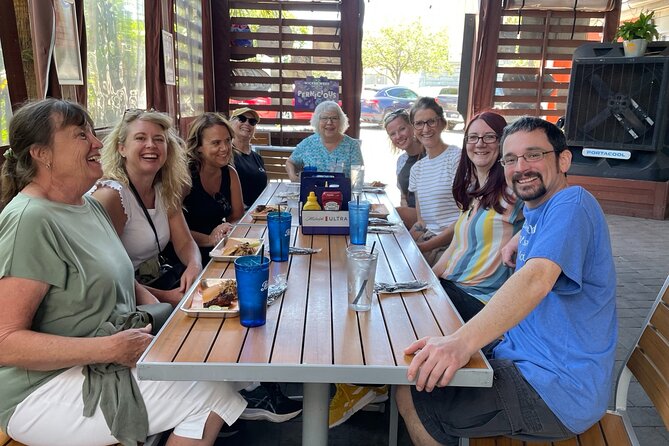
The tour is also a practical way to get your bearings downtown. It begins and ends at 195 East Bay Street, with the route passing major sights in and around the French Quarter. Since the group can reach 15 people, it feels more personal than a large bus tour, though it is still a group experience rather than a private food crawl.
Other eating walks in Charleston:
- Charleston French Quarter or Brunch Food Tour with 7+ Tastings
★ 5.0 · 1,853 reviews - Downtown Charleston Food Tour
★ 4.5 · 1,376 reviews - Savor the Flavors of Charleston Walking Food Tour
★ 4.5 · 881 reviews
Starting at Rainbow Row and the French Quarter
Rainbow Row is a passing stop, not a long visit with admission or an interior tour. That is useful to know before you book. The point here is the setting: you pause among one of Charleston’s most recognizable rows of historic houses while the guide explains French influence on the city’s cooking.
This part gives the meal a wider frame. French culture helped shape the local food vocabulary, and the guide discusses the kinds of dishes and methods introduced into Charleston’s cooking. You are not just being told that Charleston has French connections. You are asked to notice how those connections appear on the plate.
The stop lasts about 15 minutes. That is enough for a focused explanation, but not enough for a lengthy architectural discussion. If your main goal is house interiors or detailed preservation history, choose a dedicated historic-home tour separately.
She-crab soup and the first restaurant stop
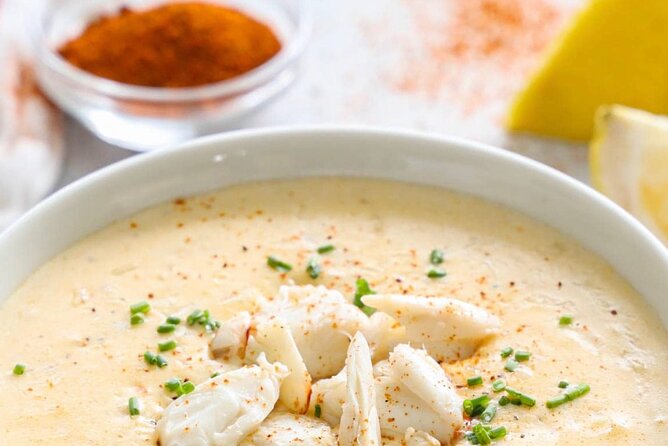
The food usually begins with she-crab soup, one of the most memorable parts of the experience. The dish is treated as a Charleston specialty, and the guide explains its local origins while you eat.
I would make this your benchmark for the tour. It gives you a clear sense of what the experience does well: a familiar regional dish, a sit-down setting, and a story that makes the tasting more meaningful. Several menu accounts also describe the soup as a favorite, so it is wise to arrive hungry enough to enjoy it rather than nibble beforehand.
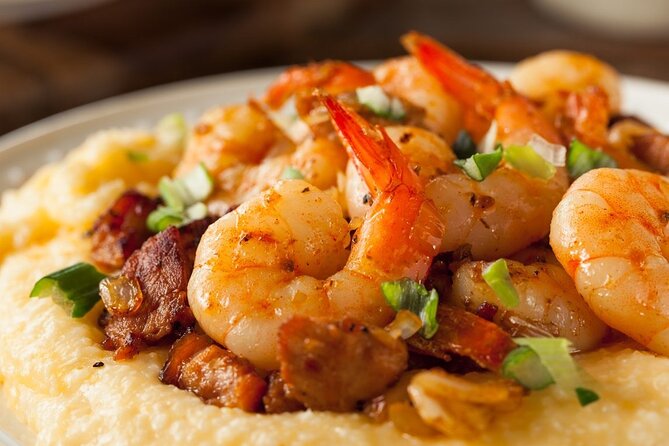
The menu can change, so do not book solely because you expect one exact dish. In particular, shrimp and grits has appeared in the tour’s promotional material but has not always been served. If that dish is important to you, ask about the current menu before booking.
The Pineapple Fountain and Southern hospitality
The walk continues to the Pineapple Fountain, a symbol of Southern hospitality in South Carolina. The stop lasts about 20 minutes and ties the landmark to Charleston’s cooking and local customs.
This is a good place for the guide to connect public symbols with daily life. The tour is not claiming that a fountain created a recipe. Instead, it uses the pineapple as a way to discuss hospitality, welcome, and the social meaning attached to food in the region.
The fountain is also a natural pause between tastings. Food tours can become a blur of plates and restaurant names, so these outdoor stops help break up the meal. Still, the experience depends on the weather. Poor weather can make the walking sections less pleasant, and the tour may be canceled if conditions are bad. In that case, you are offered another date or a full refund.
Other eating and drinking in Charleston:
- Undiscovered Charleston: Half Day Food, Wine & History Tour with Cooking Class
★ 5.0 · 948 reviews - Little Havana Food and Walking Tour in Miami
★ 5.0 · 8,882 reviews - New Orleans Food Walking Tour of the French Quarter with Small-Group Option
★ 5.0 · 6,118 reviews - NYC Bus Tour of Brooklyn, Bronx, Queens: Art, Food & Sports
★ 5.0 · 3,805 reviews
Rice, African influence, and Gullah Geechee culture
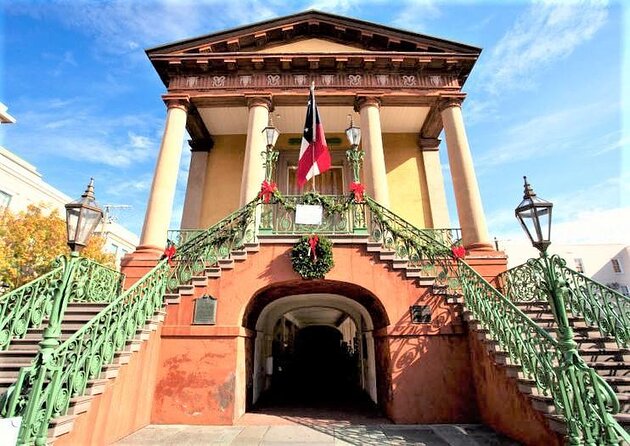
One of the strongest sections comes at Charleston City Market, where the guide discusses African influences on local food and the ingredients brought into Charleston cooking. The stop lasts about 20 minutes.
This subject matters. Charleston’s food cannot be understood through European influence alone. The city’s cooking also reflects the knowledge, labor, ingredients, and traditions of African people, including the Gullah Geechee cultural world of the Lowcountry.
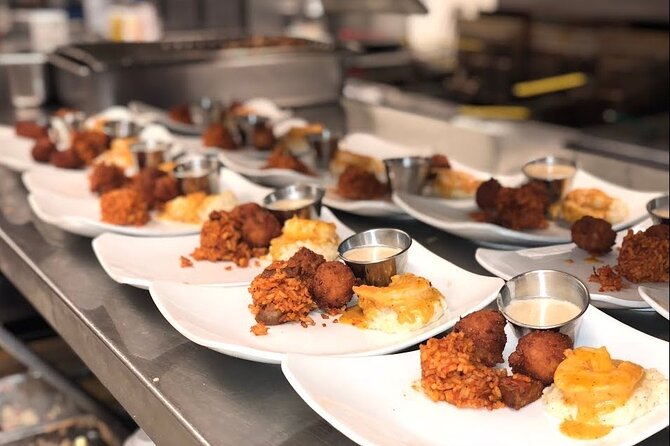
Food examples from the tour have included a rice and chicken dish, with rice sometimes described as rice jollof. That makes the discussion concrete. You can connect the grain on your plate with a broader story about African food traditions and their place in Lowcountry cuisine.
The tour also addresses slavery and the slave trade. That may make the experience more serious than a standard lunch outing, but it is necessary context. I appreciate that the history is not scrubbed clean to keep the mood light. You should be ready for an honest discussion of how Charleston developed, even while enjoying the food.
City Market itself is a busy public setting, and this is a short stop rather than a full market tour. You will hear the food history while moving through the area, then continue to the next restaurant.
The Old Exchange, the Provost Dungeon, and pirate food
The stop at the Old Exchange and Provost Dungeon lasts about 15 minutes. Here the subject shifts to pirates and privateering in the early 1700s, and the guide explains how those activities affected Charleston’s diet.
It is an unusual angle. Many city tours talk about pirates as colorful characters and leave it there. This tour asks what their presence meant for food supplies, trade, and the ingredients available to early Charlestonians.
You should not expect an interior dungeon visit as part of the included route. The attraction is a passing stop with historical explanation, and admission is listed as free. If you want to explore the Old Exchange inside, you would need to arrange that separately.
This is also where the tour’s format works well. The guide can introduce a historical subject outdoors, then let the next dish show how food and trade connect. The meal becomes a series of small lessons rather than four unrelated restaurant visits.
Barbecue, Carolina rice, and dessert
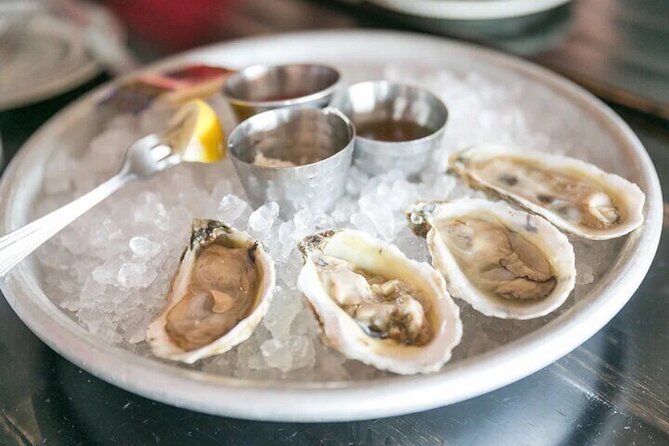
The later tastings have included pulled pork, Carolina Gold rice, chicken, and dessert. A pulled pork slider offers a compact taste of barbecue without overwhelming the rest of the meal. Rice gives the guide another way to discuss Lowcountry cooking and African influence.
Dessert is included, and one recent food account singled it out as an excellent finish. Since menus can change, treat these dishes as examples rather than a fixed promise. The important point is the range: soup, rice, meat, and something sweet create a lunch with more variety than a single-restaurant tasting.
The portions are intended to add up to a full meal. That is one reason the $110 price can make sense, especially if you value restaurant seating and a guide. Alcohol is not included, and the schedule is fairly tight, so this is not the right outing for lingering over cocktails. You may buy drinks at the venues, but doing so can make the pace feel even faster.
Why the guides matter
A food tour rises or falls with the person leading it. Page receives especially strong praise for her friendly manner, local knowledge, and ability to connect each dish with Charleston’s past. Her talks have included Lowcountry and Gullah Geechee culture, and she allows time for questions while keeping the group moving.
Jeff is noted for adding a strong historical touch, while Emerson has been valued for broad knowledge of Charleston and American history. The guide assigned to your departure may differ, so you should not book on the assumption that one specific person will lead every outing.
The best guides on this route do more than recite dates. They explain why she-crab soup matters, put rice in a wider cultural setting, and discuss difficult subjects without turning the meal into a lecture. That balance is a major part of the tour’s appeal.
There is a tradeoff. The route covers several stops, and the guide has a lot to say in a short window. One assessment of the experience found it fast, with little time to savor the food or sip a drink. If you like a slow meal, this may feel rushed. If you want a compact introduction to Charleston, the brisk pace works in your favor.
Timing, walking, and group size
The stated duration is about 2 hours 30 minutes, but allow some flexibility. At least one outing finished in roughly two hours, while the published timing led one customer to plan another activity too closely afterward.
I would not schedule a second tour immediately after this one. Give yourself a buffer for a later reservation, especially if you want time for photographs, a restroom stop, or an unhurried drink.
The tour begins and ends at 195 East Bay Street. It is near public transportation, and most people can take part. Service animals are allowed. The walking route includes outdoor city streets and several stops, so comfortable shoes and weather-appropriate clothing are sensible choices, even though the tour information does not set a special dress requirement.
Children ages zero to six may attend, but their food is not included. That makes the $110 price less straightforward for families with very young children. Adults and older children who will eat the tastings get more direct value from the fee.
Who gets the most from the $110 price
I would book this for a first visit to Charleston, especially if you want a guided introduction before choosing your own restaurants. The tour gives you a useful map of local dishes and the city center, and the food portions can replace lunch.
It also suits people who want history with their meal. The discussion of French influence, African ingredients, Gullah Geechee culture, slavery, the slave trade, piracy, and Southern hospitality gives the walk substance beyond restaurant hopping.
I would think twice if you want a relaxed food experience. You may find the pace quick, and the menu is not fully fixed. The lack of guaranteed shrimp and grits matters if that is your main reason for booking. You should also consider the cost if you do not care about the historical side, since a self-guided lunch will cost less.
The tour earns a strong overall rating of 4.6 from 349 ratings, with 90 percent recommending it. Those numbers fit the pattern of the experience: the guides and food usually draw the most enthusiasm, while complaints focus on timing, menu accuracy, and occasional mediocre dishes.
Should you book Charleston’s Historic Downtown Food Tour?
Book it if you want a full lunch, four restaurant stops, and a serious introduction to Charleston food culture in one compact outing. Page is an excellent guide when assigned, and Jeff and Emerson have also brought strong historical detail to the route.
Go in with realistic expectations. You are not getting a slow restaurant crawl, a guaranteed shrimp-and-grits plate, or a deep tour of every landmark interior. You are getting a brisk downtown walk with generous tastings, thoughtful history, and enough food to carry you through lunch.
For most first-time visitors who enjoy both eating and learning, I think the $110 price is defensible. Leave room in your schedule, expect the menu to shift, and book at least 24 hours ahead if you want the option of a full refund.
FAQ
How long does Charleston’s Historic Downtown Food Tour last?
The tour is advertised as approximately 2 hours 30 minutes. One reported outing lasted about two hours, so allow extra flexibility before planning another activity.
What food is included?
Lunch tastings at four different restaurant stops are included. Examples have included she-crab soup, rice and chicken, Carolina Gold rice, pulled pork, dessert, and other Lowcountry dishes.
Is shrimp and grits included?
Shrimp and grits is not guaranteed. It has appeared in promotional material, but it has not always been served. Ask about the current menu if this dish is important to you.
Are alcoholic drinks included?
No. Alcoholic beverages are not included, but you may purchase your own drinks at the venues if available.
Where does the tour start and end?
The tour starts at 195 East Bay Street in Charleston and ends back at the same meeting point.
How many people can join the tour?
The maximum group size is 15 people.
Are children allowed?
Children ages zero to six may join, but food is not included for them.
What happens if the weather is poor?
The experience requires good weather. If it is canceled because of poor conditions, you will be offered another date or a full refund. For your own cancellation, you must cancel at least 24 hours before the start time for a full refund.
More history to see in Charleston
- Charleston’s Old South Carriage Historic Horse & Carriage Tour
★ 5.0 · 10,023 reviews - Historic Charleston Guided Sightseeing Walking Tour
★ 5.0 · 6,216 reviews - Charleston Horse-Drawn Carriage Tour: Explore Historic Charleston
★ 5.0 · 3,561 reviews - Charleston Harbor History Day-Time or Sunset Boat Cruise
★ 4.5 · 2,788 reviews
Just added in Charleston
- Charleston Ghosts of Liberty Guided Walking Tour★ 4.5 · 473 reviews
- 2-Hour Guided Kayak Eco Tour in Charleston★ 5.0 · 954 reviews
- Charleston Harbor Sunset Cruise★ 5.0 · 905 reviews
- Charleston’s Best Highlights: History, Culture & Architecture★ 5.0 · 422 reviews
- Savor the Flavors of Charleston Walking Food Tour★ 4.5 · 881 reviews
- Lost Stories of Black Charleston Walking Tour★ 5.0 · 412 reviews
- Undiscovered Charleston: Half Day Food, Wine & History Tour with Cooking Class★ 5.0 · 948 reviews
- Private Luxury Yacht Charters, BYOB & Dolphins★ 5.0 · 395 reviews
Historical Tours, compared.
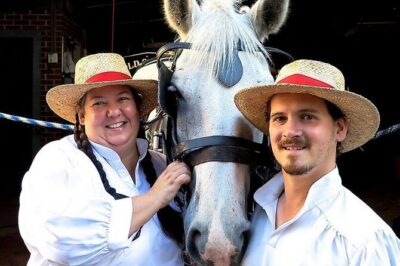
Charleston’s Old South Carriage Historic Horse & Carriage Tour
Read our review →

Big Island in a Day: Volcanoes Waterfalls Sightseeing and History
Read our review →
Freedom Trail History Small Group Walking Tour
Read our review →
Historic Charleston Guided Sightseeing Walking Tour
Read our review →
Starship Landmark 90 Minute Sightseeing Cruise
Read our review →
Charleston Horse-Drawn Carriage Tour: Explore Historic Charleston
Read our review →Browse the lists this tour appears in