
Reviewed · WALKING TOURS
Lost Stories of Black Charleston Walking Tour
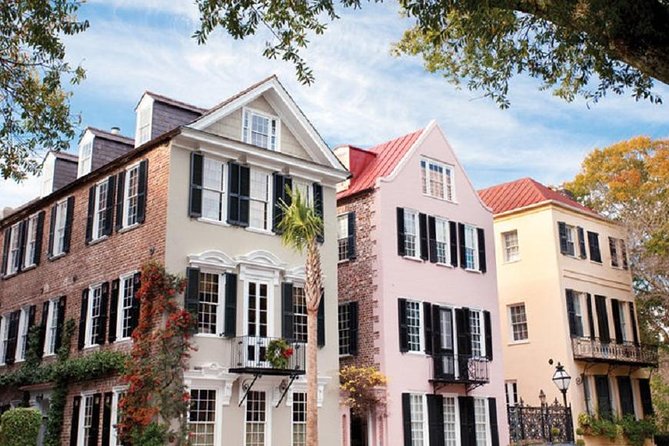
Charleston is often presented through grand houses and polished streets. This walk shifts your attention to the people whose stories were left out, tracing Black life, resistance, work, faith, and memory from slavery through Reconstruction and the civil rights era. Damon Fordham, an author, educator, historian, and licensed guide, leads the tour with research, personal perspective, humor, and occasional music.
I especially like the way the route connects familiar places to lesser-known stories. Catfish Row, the Jehu Jones Hotel site, and Mother Emanuel A.M.E. Church become more than points on a map. The small group limit of 20 also gives you a better chance to hear Fordham and ask questions.
The main consideration is that this is a serious history tour, not a light sightseeing stroll. You may stand in one place for extended periods, and Fordham’s direct delivery can feel intense to some people. Charleston’s heat and unpredictable weather also matter, since the experience takes place outdoors.
Key Points to Know Before You Book
- Damon Fordham leads the walk: Expect a guide who combines academic research, family connections, personal experience, storytelling, and music.
- The route puts Black history at the center: City Market, Catfish Row, the Jehu Jones Hotel site, Mother Emanuel, the Old Slave Mart Museum, and Waterfront Park all have a place in the story.
- You cover Charleston on foot: The tour lasts about two hours and returns to Buxton Books at 160 King Street.
- The group is capped at 20 people: That is a useful size for a story-led walk where questions and conversation matter.
- The $39 price buys context, not a long list of admissions: Most of the experience takes place outdoors, with entry fees to the Heyward-Washington House and Old Slave Mart Museum not included.
- Plan for a thoughtful, sometimes difficult afternoon: This tour addresses slavery, racism, resistance, and erased or neglected stories with little sugarcoating.
Why This Walk Matters in a City of Famous Houses
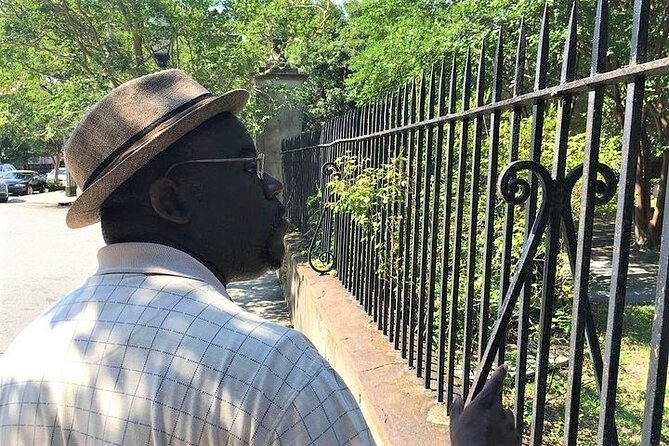
Charleston is easy to admire at street level. You see graceful buildings, old churches, ironwork, and tidy squares. But architecture alone can make the city feel frozen in time, as if its past belonged only to wealthy white families and celebrated statesmen.
This tour corrects that narrow view. Fordham asks you to look at the same streets through the lives of Black Charlestonians, including people who built, served, worshiped, organized, resisted, and changed the city without receiving equal space in its official story.
That is the tour’s real value. You are not simply collecting names and dates. You are learning how a place can remember some people loudly while barely mentioning others. Fordham’s personal and family connections give the talk a human edge, while his work as a published author and educator adds structure and historical care.
The tone is often engaging and even funny, but the subject is not softened. You will hear about slavery, Reconstruction, civil rights, and the ways Black achievements and suffering have been overlooked. I would choose this walk early in a Charleston stay because it can change how you understand every historic building you see afterward.
Other walks around Charleston:
- Historic Charleston Guided Sightseeing Walking Tour
★ 5.0 · 6,216 reviews - Ghosts of Charleston Night-Time Walking Tour with Unitarian Church Graveyard
★ 4.5 · 2,835 reviews - Hidden Alleyways and Historic Sites Small-Group Walking Tour
★ 5.0 · 2,335 reviews
Meeting Damon Fordham at King Street
The tour begins at 3:30 p.m. outside Buxton Books, 160 King Street. From there, you set out with a small group and remain on foot for roughly two hours before returning to the same meeting point.
A maximum of 20 people is a practical advantage. Fordham’s style depends on speaking directly to the group, telling detailed stories, responding to questions, and sometimes using his voice or a musical instrument for dramatic effect. A huge crowd would make that harder to enjoy.
You should wear comfortable walking shoes and prepare for outdoor conditions. The tour requires good weather, and the schedule may change or be canceled if conditions are poor. Children must be with an adult, and service animals are allowed. Most people can take part, but the experience includes standing while stories are told, so anyone who needs frequent seating should consider that before booking.
The tour is offered in English and includes a mobile ticket. It is best suited to adults and older children who can follow a sustained historical discussion. The route is not described as a fast-paced march. Instead, expect regular stops where Fordham lets a story unfold.
City Market and the First Layers of the Story
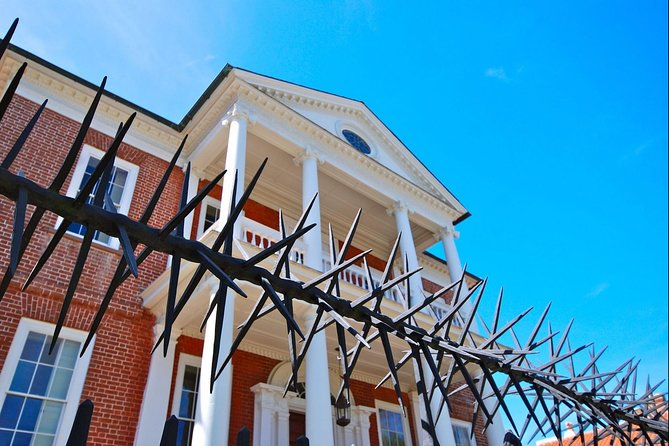
The first major stop is Charleston City Market, where you begin to see how public spaces carry several histories at once. The market is familiar to many people exploring downtown, but Fordham uses it as an entry point into Black Charleston rather than treating it as just a shopping stop.
You will hear about people and events that are easy to miss if you are walking through the market on your own. The emphasis is not simply on what the buildings look like. It is on who worked there, who passed through, who had power, who lacked it, and how Black life shaped the city’s commercial center.
This first section lasts about 30 minutes and does not require an admission ticket. That gives Fordham time to establish the larger theme of the walk: Charleston’s streets can reveal a great deal when you ask different questions.
The market can be active, so you may hear some surrounding city noise. That is part of the setting, but it also means you need to stay close enough to hear clearly. Fordham’s storytelling is the main event here, not independent browsing.
Jehu Jones and Catfish Row
From City Market, the route continues to the site of the Jehu Jones Hotel and then to Catfish Row, the Charleston setting associated with George Gershwin’s opera Porgy and Bess.
The Jehu Jones site offers a useful reminder that Black Charlestonians were not only workers within the city’s hotels and homes. Jones was a Black hotel owner, and the site gives the tour a chance to discuss ambition, enterprise, and the limits placed on Black business owners.
Catfish Row adds another layer. Its connection to Porgy and Bess makes it familiar to many people, but the real value here is hearing about the Black community behind the cultural image. Fordham helps separate the actual people and neighborhood from the way outsiders later represented them.
This is one of the strongest parts of the route for anyone who likes history tied to place. You do not just hear a general lecture about Charleston. You stand where particular lives and stories unfolded, then compare that reality with the way the city has been portrayed in books, music, and tourism.
Same base, a different kind of day out:
- Charleston’s Old South Carriage Historic Horse & Carriage Tour
★ 5.0 · 10,023 reviews - Haunted Evening Horse and Carriage Tour of Charleston
★ 4.5 · 3,678 reviews - Charleston Horse-Drawn Carriage Tour: Explore Historic Charleston
★ 5.0 · 3,561 reviews - Fort Sumter Admission and Self-Guided Tour with Roundtrip Ferry
★ 4.5 · 3,343 reviews
Heyward-Washington House and the Problem of the Usual Charleston Story
The walk passes the Heyward-Washington House, once associated with Thomas Heyward Jr., a signer of the United States Declaration of Independence. The stop lasts about 10 minutes, and admission is not included.
The house represents the kind of site that often dominates a first visit to Charleston: an impressive home tied to a famous white political figure. Fordham does not ignore that history. Instead, he places it beside the lives of the Black people whose labor and presence made such a world possible.
You may not enter the house as part of this experience, so do not book the tour expecting a full interior visit. The point is the contrast between the public honor given to a signer of the Declaration and the limited attention often given to enslaved people, free Black residents, domestic workers, craftspeople, and organizers living in the same city.
I like this approach because it does not require you to abandon the familiar Charleston story. It asks you to widen it. The grand house remains part of the picture, but it is no longer the whole picture.
The Old Slave Mart Museum and Hard Truths
The Old Slave Mart Museum is one of the most direct stops on the walk. It occupies a building that once held slave auction galleries in downtown Charleston. The stop lasts about 15 minutes, and admission is not included.
You should understand the distinction between passing the site and spending time inside the museum. The tour includes the location and its history, but any museum admission cost is separate. If you want a longer museum visit, you may need to return on your own at another time.
Fordham uses the site to place Charleston’s prosperity in its proper context. The city’s wealth did not come from picturesque buildings alone. It was tied to slavery, trade, forced labor, and systems that treated human beings as property.
This part can be difficult, and that is appropriate. The tour is designed to confront what has been omitted or softened in popular accounts. Fordham’s manner is direct, and one rating noted that his corrections of participants could feel sharp. If you prefer a very gentle, carefully neutral presentation, you may find the delivery challenging. If you want a guide who addresses injustice plainly, that directness may be one of the reasons you choose this walk.
Mother Emanuel and Stories That Faded
One of the tour’s included themes is the history of Mother Emanuel A.M.E. Church and stories that have faded from memory over the centuries. The church represents the long role of Black religious institutions in Charleston as places of worship, leadership, education, mutual support, and political action.
The supplied route details do not list a separate timed stop for the church, so you should not expect a full church tour or interior visit. Instead, its stories form part of the broader walk through Black Charleston.
This is an important distinction. Black history here is not presented as a short chapter that begins with slavery and ends with emancipation. The story continues through Reconstruction, civil rights, and the present. Churches, businesses, hotels, markets, and homes all become part of that longer account.
Fordham’s personal and family ties are especially useful in this part of the experience. They make the past feel connected to living memory rather than sealed off in a museum case.
Waterfront Park and Charleston Harbor
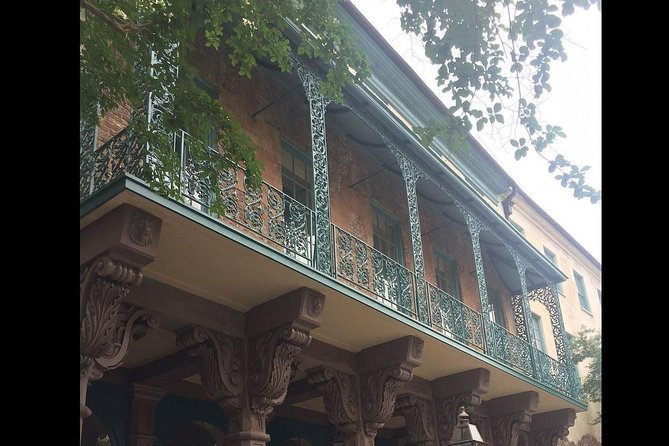
The final section leads through Waterfront Park and along Charleston Harbor. This is a calmer setting for the end of a demanding tour, but Fordham continues the historical work rather than switching to simple scenery.
The waterfront helps you think about movement, commerce, labor, and power. Charleston’s relationship with the harbor shaped the city’s growth, including the systems that brought enslaved people into the region and generated wealth for others.
The route ends with stories of heroes and heroines who made history but missed the history books. That phrasing captures the tour’s purpose well. You are asked to notice not only famous leaders, but also the people whose daily efforts, courage, organizing, and resistance changed the city.
Waterfront Park itself is free, and this portion does not require an admission ticket. It also gives you some of the prettiest views on the route. Just remember that the scenery is not a distraction from the subject. It is part of the same place whose beauty and prosperity were built alongside great injustice.
Fordham’s Storytelling Style
The most praised element of this tour is Fordham himself. He is described as an author, professor, historian, activist, musician, and gifted storyteller. His background allows him to move between documented events, personal reflections, family connections, and broader American history.
You may hear him use music, including the melodica, as part of the presentation. He also sometimes uses different voices or theatrical techniques. For many people, these touches make the stories easier to remember and keep the walk from becoming a dry lecture.
The approach is not completely polished or restrained. One critical assessment found the delivery awkward at times and felt that corrections could sound like scolding. That is worth taking seriously. Fordham’s passion can come across as forceful, especially when the subject is historical denial or distorted memory.
Still, the strong rating of 4.9 from 412 ratings and the 98 percent recommendation rate point to a clear pattern: most people find the combination of historical depth, humor, music, and personal perspective highly effective. I would describe the style as animated, direct, and sometimes theatrical rather than formal.
Is $39 a Fair Price?
At $39 per person, this is not the cheapest way to walk around Charleston, but it offers more than a basic orientation tour. You are paying for a two-hour route led by a guide with published work, academic experience, local connections, and a focused subject that many general tours treat briefly or skip.
The price is especially fair if you value interpretation. Most of the route is outdoors and free to access, so you are not paying for a long list of included admissions. You are paying for the stories, the organization of the route, and Fordham’s ability to connect separate sites into one account.
The Old Slave Mart Museum and Heyward-Washington House do not include admission, so budget extra if you plan to go inside either site. The tour still works well without those admissions because the guide provides the historical context at the locations.
For the best value, treat this as a foundation for further exploring Charleston. You might return to the Old Slave Mart Museum, buy one of Fordham’s books, or use the route to notice Black history elsewhere in the city.
Who Should Book This Charleston Walk?
I would choose this experience if you want:
- A focused account of Black Charleston rather than a general city overview
- A guide who brings personal and family connections to the subject
- Stories connected to real streets, buildings, churches, markets, and waterfront sites
- A small group where questions are part of the experience
- Historical context that connects slavery, Reconstruction, civil rights, and the present
- A walk with humor and music alongside serious material
I would think twice if you want a quiet, polished tour with little discussion of painful history. The route involves standing outdoors, the subject matter can be upsetting, and Fordham’s direct style may not suit everyone.
The tour is also better for people willing to listen closely. You will get more from it if you resist the urge to treat each stop as a quick photo opportunity. The stories are the reason to come.
Booking, Weather, and Cancellation Details
The tour is usually booked about 13 days in advance, so reserve ahead if your Charleston dates are fixed. Confirmation is sent within 48 hours, subject to availability.
You can cancel up to 24 hours before the start time for a full refund. Cancellations or changes made inside that 24-hour window are not refunded or accepted. If poor weather causes the operator to cancel, you will be offered another date or a full refund.
The activity begins and ends at Buxton Books, 160 King Street. Since it is a walking tour, arrange your day so you are not rushing from a distant attraction to the meeting point.
Should You Book the Lost Stories of Black Charleston Tour?
Yes, if you want Charleston presented as a living city shaped by Black people as much as by famous houses and political figures. Damon Fordham offers research, personal knowledge, humor, music, and a clear desire to correct gaps in the usual story.
Book it early in your visit if possible. The route will give you a better frame for understanding City Market, the harbor, the Old Slave Mart, historic homes, and the neighborhoods in between.
Skip it only if you want a light sightseeing walk or dislike direct discussion of slavery and racism. For everyone else, $39 is a reasonable price for two hours of focused history, especially when the guide’s own experience becomes part of the lesson.
FAQ
Where does the Lost Stories of Black Charleston Walking Tour begin?
The tour begins at Buxton Books, 160 King Street, Charleston, South Carolina.
What time does the tour start?
The tour begins at 3:30 p.m.
How long does the walking tour last?
The experience lasts approximately two hours and ends back at the starting point.
Who leads the tour?
Damon Fordham leads the tour. He is described as a writer, historian, educator, published author, and licensed tour guide.
What places does the tour visit or pass?
The route includes Charleston City Market, the Jehu Jones Hotel site, Catfish Row, the Heyward-Washington House, the Old Slave Mart Museum, Mother Emanuel A.M.E. Church stories, Waterfront Park, and Charleston Harbor.
Are admission fees included?
The walking tour includes the outdoor historical experience, but admission to the Heyward-Washington House and Old Slave Mart Museum is not included.
Can I cancel for a full refund?
Yes. You must cancel at least 24 hours before the experience start time for a full refund. Cancellations within 24 hours are not refunded. If poor weather causes the operator to cancel, you will be offered another date or a full refund.
Just added in Charleston
- Charleston Ghosts of Liberty Guided Walking Tour★ 4.5 · 473 reviews
- 2-Hour Guided Kayak Eco Tour in Charleston★ 5.0 · 954 reviews
- Charleston’s Best Highlights: History, Culture & Architecture★ 5.0 · 422 reviews
- Charleston Harbor Sunset Cruise★ 5.0 · 905 reviews
- Savor the Flavors of Charleston Walking Food Tour★ 4.5 · 881 reviews
- Undiscovered Charleston: Half Day Food, Wine & History Tour with Cooking Class★ 5.0 · 948 reviews
- Private Luxury Yacht Charters, BYOB & Dolphins★ 5.0 · 395 reviews
- Real Hauntings of Charleston! (Small Group Ghost Tour)★ 5.0 · 724 reviews
Walking Tours, compared.
New Orleans Premier Ghost, Voodoo and Vampire Walking Tour
Read our review →
Freedom Trail History Small Group Walking Tour
Read our review →
Historic Charleston Guided Sightseeing Walking Tour
Read our review →
New Orleans Food Walking Tour of the French Quarter with Small-Group Option
Read our review →
St. Louis Cemetery No. 1 Official Walking Tour
Read our review →
Harvard University Student-Guided Walking Tour
Read our review →
Harvard University Campus Guided Walking Tour
Read our review →Browse the lists this tour appears in