
Reviewed · WHALE WATCHING
Zodiac Raft Whale Watching Adventure
The best part of this Kona excursion is the combination of close-range whale watching and a fast ride in a small Zodiac. The boat can move quickly when a spout appears, then shut down so you can listen to whale song through a hydrophone. I like the personal scale, with no more than 16 people, and I like that captains such as Shelby, Marco, Ashley, Rick, and Alex bring real excitement to the wildlife search.
The drawback is the ride itself. This is a lively raft, not a padded sightseeing boat. It can bounce hard in wind and waves, and it is not recommended for anyone who is pregnant or has back or neck problems. If you want a smooth, quiet cruise, choose another whale watch.
Key points to know before booking
- A 16-passenger Zodiac keeps the group small: You get a better view and more direct attention from the captain.
- Winter brings humpback whales to Kona: The whales come to these waters to mate and give birth, though sightings are never guaranteed.
- The hydrophone adds a rare second view of the whales: You may hear their eerie underwater calls, not just see spouts and tails.
- The boat is fast and bouncy: Its speed helps reach sightings quickly, but you need to hold on and accept a rougher ride.
- The coast itself is part of the tour: Look for lava tubes, sea caves, volcanic rock, and stories about Hawaii still growing.
- The $113.82 price includes useful extras: Drinks, snacks, taxes, and the full three-hour rafting trip are covered, but transportation is not.
A fast start from Kailua-Kona
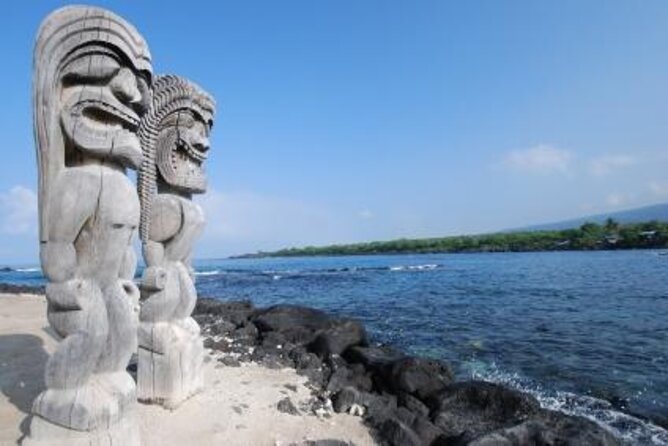
Captain Zodiac’s whale watch begins at 74-425 Kealakehe Parkway, number 16, in the Kaiminani area of Kailua-Kona. You make your own way there, since hotel pickup and drop-off are not included. The trip returns to this same meeting point after roughly three hours.
The boat heads along the Kona coast in the direction of Waikoloa. That route gives you broad views of the cobalt Pacific, dark volcanic shoreline, sea caves, and small lava tubes. The coast is not simply scenery between whale sightings. Your captain uses it to explain how lava shaped the island and how volcanic activity continues to add land.
Before departure, the crew explains the boat and the outing. This matters because the Zodiac handles differently from a standard tour boat. You sit close to the water, feel each rise and slap of the raft, and need to pay attention when the crew gives instructions.
The boat holds up to 16 people, which is one of the strongest reasons to choose this trip. A small group makes it easier to see around other people, ask questions, and hear the naturalist without a speaker system carrying across a large deck.
Other trips with a rope or a river in them near Big Island of Hawaii:
- Big Island Zipline Tour Near Akaka Falls (250-ft Waterfall!)
★ 5.0 · 1,077 reviews - Big Island: 9-Line Waterfall Zipline Experience
★ 5.0 · 1,057 reviews - Big Island: 8-Zipline & Suspension Bridge Waterfall Adventure
★ 5.0 · 914 reviews
What the Zodiac ride feels like
The Zodiac is the attraction as much as the whales. It is a 16-passenger raft, described in guest accounts as a 24-foot boat, with a low profile and plenty of speed. The ride can feel like a marine roller coaster when the wind and waves pick up.
I would choose this trip if you enjoy motion and want to reach sightings quickly. The raft can cut across the water without the broad, slow roll associated with some larger boats. That does not mean it is always comfortable. Strong waves can make the ride rough, and the experience calls for a firm grip and a willingness to get bounced around.
The smaller boat also has a practical advantage. When the captain spots a blow or a group of birds and surface activity, the Zodiac can reposition quickly. The crew still needs to follow wildlife rules and maintain a respectful distance, but the boat’s speed can save time when whales surface only briefly.
The ride is not suitable for everyone. The operator lists a minimum age of four, and most people can take part, but pregnancy and back or neck problems are specific reasons to avoid it. If you are unsure about how your body will handle a fast, open raft, a larger boat would be the safer choice.
Searching the Kona horizon for humpbacks
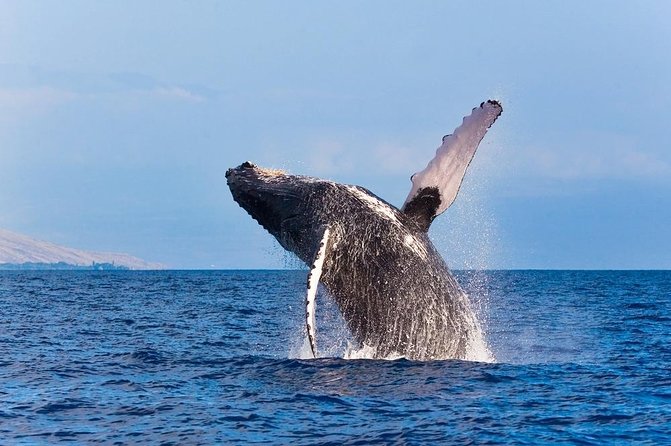
Whale watching begins as soon as the boat leaves the coast. The captain scans for a spout, splash, breach, tail, or fin while also explaining Hawaiian history and the habits of the animals you may encounter.
Humpbacks visit Kona in winter to mate and give birth. That seasonal pattern makes January and February especially promising, and the recorded outings from that period produced sightings of mothers with calves, repeated breaches, tail slaps, and groups of whales traveling together.
Still, you need to treat whale watching as wildlife watching, not a show with a fixed schedule. One outing had no whales, despite a serious search. The crew arranged another trip for the group the following morning, when five whales appeared, including a newborn calf. That is a fine example of both the excitement and the uncertainty involved.
You might see a single whale surface near the boat, or several animals spread across the water. Sightings have included roughly 13 to more than 20 whales on a trip, but those numbers belong to particularly active outings and should not be treated as a promise.
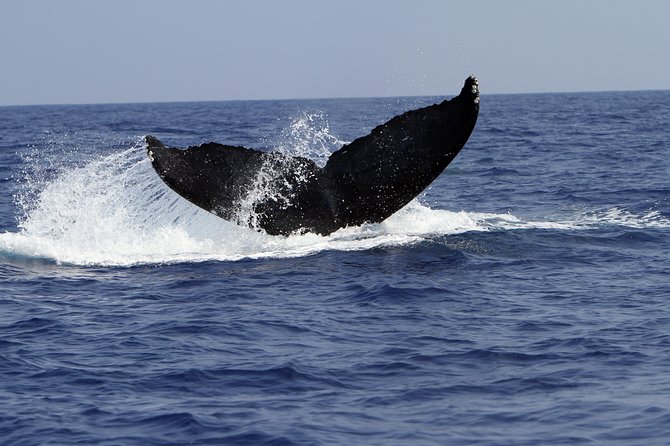
The most dramatic behavior includes breaching, tail slapping, fin slapping, and a whale approaching beneath the raft. The crew uses the word mugging for a whale that comes close and passes under the boat. Such an encounter cannot be planned, but the Zodiac puts you low enough to feel close to the water when it happens.
Hearing the whales through a hydrophone
The hydrophone is one of the most memorable features of this trip. When conditions and whale activity allow, the captain lowers the microphone into the water and lets you listen to humpbacks calling below the surface.
The sound is low, eerie, and surprisingly detailed. You may hear different whales singing at once, and on a quiet boat you can pay attention to the changes in pitch and rhythm. This moment slows the trip down after the fast run across the water.
The hydrophone also adds context. You are not only looking for a spout and then waiting for a tail to appear. You get a sense that the whales remain active below the surface, even when you cannot see them.
Captains Alex, Shelby, Ashley, Marco, Rick, Sandy, and others have been praised for sharing facts while keeping watch. The individual captain changes, but the format stays the same: naturalist guidance mixed with active searching. The best captains let their own excitement show without turning the trip into nonstop chatter.
Other boats out to see whales from Big Island of Hawaii:
- Whale Watching On The Big Island
★ 5.0 · 573 reviews - Big Island: Pelagic Whale Watch Tour
★ 5.0 · 557 reviews - Juneau Wildlife Whale Watching
★ 5.0 · 7,379 reviews - Juneau Wildlife Whale Watching & Mendenhall Glacier
★ 5.0 · 6,236 reviews
Dolphins, turtles, rays, and other marine life
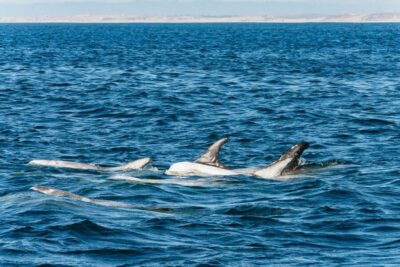
Humpbacks are the main reason to book, but Kona’s waters can add plenty of surprises. Keep watch for spinner dolphins, bottlenose dolphins, green sea turtles, manta rays, flying fish, schools of fish, and other whale species.
Spinner dolphins may travel in large pods and sometimes play in the wake. Bottlenose dolphins have also appeared in large groups. These sightings can make the return ride just as interesting as the search for whales.
Green sea turtles and manta rays are possible rather than certain. The same goes for a Hawaiian monk seal, which has been seen on an outing, and lesser-known whale species that inhabit the Kona coast. It is best to think of these animals as welcome additions, not part of a fixed checklist.
The captain explains animal behavior as it appears. That helps you understand the difference between a blow, a tail rise, a breach, and a quick underwater pass. You may also see flying fish skimming above the water on the run back to shore.
Lava tubes, sea caves, and the growing island
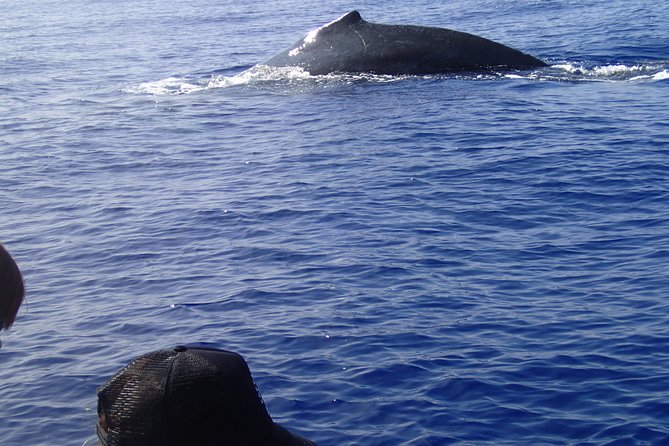
The coastline gives the tour a second subject beyond marine life. Black volcanic rock, sea caves, and small lava tubes reveal the forces that shaped the Big Island.
Depending on where the whales are found, the boat may pass coastal formations that are difficult to appreciate from land. The captain connects these features to Hawaii’s volcanic origin and explains how the island continues to change and grow.
This is especially useful if you have already spent time inland and want a different view of the island. The Zodiac gives you a water-level look at the coast, while the naturalist fills in the story of the rocks around you.
The geology portion will not be a separate shore excursion or a long cave visit. It is woven into the boat ride, so the amount of time devoted to it depends on whale locations, sea conditions, and the captain’s route.
Why the small group changes the experience
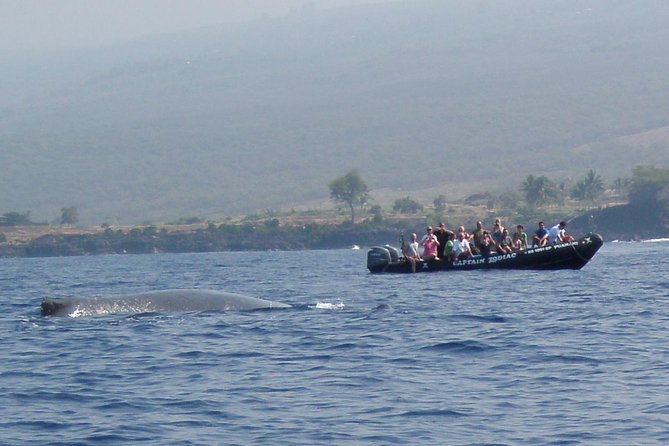
A 16-person limit is more than a marketing detail. On a small raft, you are close to the captain and first mate, and you do not have to compete with hundreds of people for a railing position.
The crew can also respond to the mood of the trip. If a whale surfaces, the boat can focus on that sighting. If the wildlife is quiet, the captain can talk about geology, Hawaiian history, or other marine life rather than leaving you to stare at an empty horizon.
Several highly praised captains bring a strong conservation message. Some crew members work in whale rescue, and they explain why the animals need space and careful handling. That approach improves the outing because you learn to watch behavior without treating the whales like performers.
The small boat does have a tradeoff. Every movement is more noticeable, and there is less room to step away from spray, sun, or bouncing. If you prefer plenty of space and a sheltered cabin, choose a larger vessel instead.
What is included for $113.82
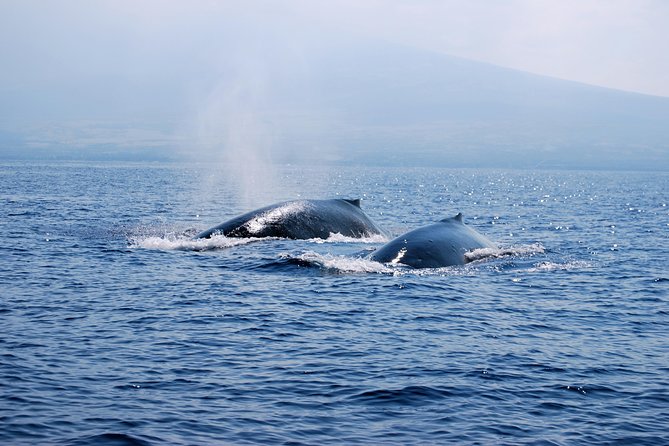
The listed price is $113.82 per person. For a three-hour excursion, that is a fair price if you value the small group, fast boat, naturalist commentary, and chance to hear whale song.
The price includes the rafting expedition, sodas, fruit juices, bottled water, snacks, and local taxes. Those drinks and snacks are modest extras, but they are useful on an active morning at sea.
Hotel transportation is not included. You need to reach the Captain Zodiac meeting point in Kaiminani on your own and return there after the trip. Build that drive and parking time into your plans, especially if you are staying outside Kailua-Kona.
The trip is often booked about 24 days ahead. That advance pattern makes sense during the winter whale season, especially if you have only a few days on the Big Island. I would reserve early if your schedule is tight, then leave room for a second activity on another day in case weather changes the plan.
Timing, weather, and cancellation advice
The activity lasts about three hours, but sea conditions can affect how the outing feels and how much coastline the boat covers. The captain may spend more time searching in one area if whales are active there.
Good weather is required. If poor weather cancels the trip, you are offered another date or a full refund. You can cancel for a full refund up to 24 hours before the start time, based on local time.
Cancellations made within 24 hours are not refunded, and changes inside that window are not accepted. I would avoid scheduling a flight, wedding, or other fixed appointment immediately after the trip. The crew may keep searching when conditions and whale activity make it worthwhile, and sea travel does not always run on a precise clock.
Who should book this Kona whale watch
I would recommend the Zodiac to you if you want an active outing rather than a calm cruise. It suits couples, solo visitors, friends, and families with children aged four and up who can handle a bouncy ride.
It is also a strong choice if you care about the guide’s role. Captains such as Shelby, Marco, Ashley, Rick, and Alex have been singled out for their whale-finding skill, clear explanations, and visible excitement when animals surface.
Families should be honest about the boat’s motion. Children may love the roller-coaster feeling, but anyone who gets seasick or dislikes speed may have a better time on a larger boat.
The tour is less suitable for anyone who is pregnant or has back or neck problems. It is also not the right pick if your top priority is a quiet, cushioned ride with guaranteed whale sightings.
Should you book Captain Zodiac?
Book it if you want whale watching with a pulse. The combination of a small group, quick Zodiac, active captains, coastal geology, and hydrophone makes this more than a standard ride out to sea.
The price is reasonable for three hours with drinks, snacks, and taxes included, especially when the boat finds breaching whales, mothers with calves, dolphins, or a rare close approach. Just keep your expectations honest: wildlife is unpredictable, the sea can be rough, and the boat is not designed for comfort.
If you are visiting Kona during humpback season and enjoy a lively ride, I would put this high on your list. If you need a smooth boat, have back or neck concerns, or cannot accept the chance of seeing no whales, choose a gentler option.
FAQ
Where does the Zodiac whale watch begin?
It begins at Captain Zodiac, 74-425 Kealakehe Parkway, number 16, in Kaiminani, Hawaii 96740.
How long is the whale-watching tour?
The trip lasts approximately three hours.
How many people can ride the boat?
The Zodiac holds a maximum of 16 travelers.
What animals might I see?
Possible sightings include humpback whales, spinner dolphins, bottlenose dolphins, green sea turtles, manta rays, flying fish, schools of fish, Hawaiian monk seals, and other whale species.
Can I hear whale song?
Yes. The boat carries a hydrophone, which may let you hear whales calling underwater when conditions and whale activity allow.
Is hotel transportation included?
No. Hotel pickup and drop-off are not included. The tour begins and ends at the Captain Zodiac meeting point.
What is the minimum age?
The minimum age is four years old.
Is the Zodiac ride smooth?
No. The raft can be bouncy, particularly when wind and waves are strong. It is an active ride rather than a cushioned cruise.
What happens if bad weather cancels the tour?
You can choose another date or receive a full refund if poor weather causes the cancellation. You can also cancel at least 24 hours before the start time for a full refund.
Just added in Big Island of Hawaii
- Hilo Shore Excursion: Active Volcano, Lava Tube, Waterfall and Gardens★ 5.0 · 393 reviews
- Volcano Adventure: Hilo Sightseeing w/ Optional Helicopter Tour★ 4.5 · 412 reviews
- Whale Watching On The Big Island★ 5.0 · 573 reviews
- Kealakekua Bay Snorkeling Tour – 4 hour Kona Zodiac Adventure★ 5.0 · 508 reviews
- Big Island, Hawaii: Volcanoes National Park Safari★ 4.5 · 545 reviews
- Small Group Big Island Twilight Volcano and Stargazing Tour★ 5.0 · 1,619 reviews
- Hawaii Volcanoes, Waterfalls, Beaches & Hilo Highlights Day Tour★ 5.0 · 391 reviews
- Deluxe Snorkel & Dolphin Watch Aboard a Luxury Catamaran from Kailua-Kona★ 5.0 · 797 reviews
Whale Watching, compared.
Juneau Wildlife Whale Watching & Mendenhall Glacier
Read our review →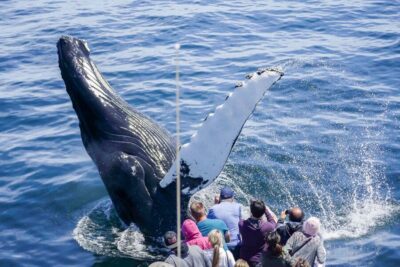
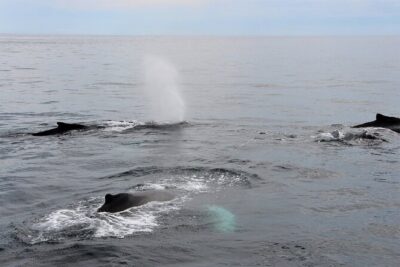
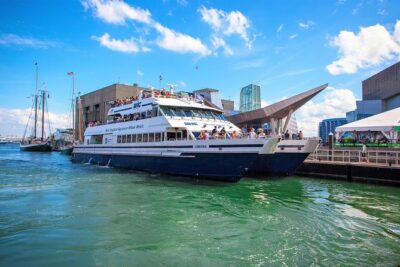
City Cruises Boston Whale Watching Cruise by High-Speed Boat
Read our review →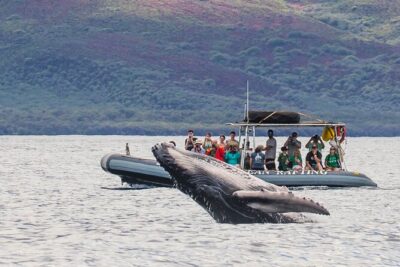
Maui Eco-Raft Tour: Eye-Level Whale or Dolphin Watching – Lahaina
Read our review →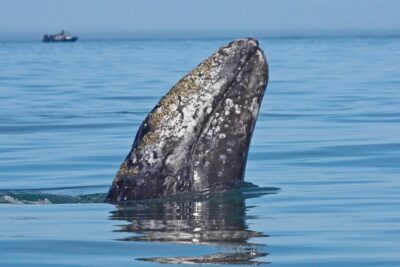
Browse the lists this tour appears in