
Reviewed · WHALE WATCHING
Big Island: Pelagic Whale Watch Tour
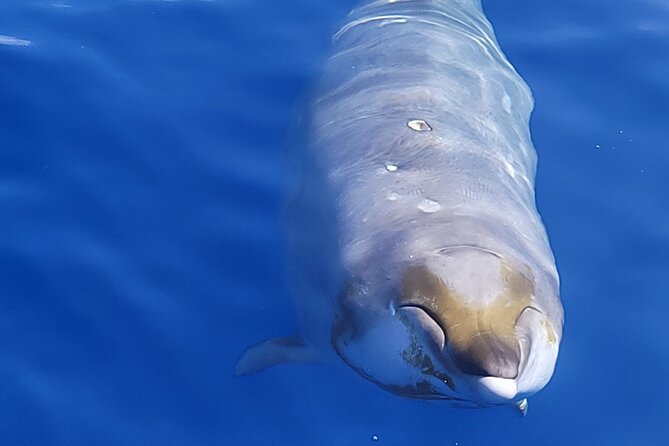
Kona’s best wildlife surprise may be how quickly the scenery changes. One minute you’re watching spinner dolphins near shore; the next, the boat is searching pelagic waters thousands of feet deep for pilot whales, beaked whales, sperm whales, sharks, and even whale sharks. I like the wide search area and the fact that the crew treats the boat as a floating classroom, not just a ride to a viewing spot.
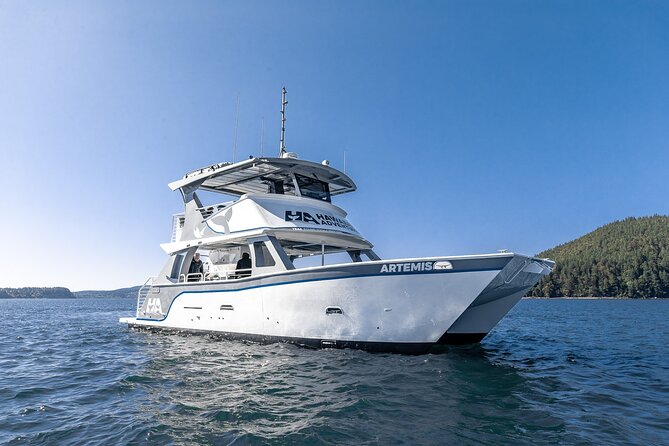
I also like the 46-foot catamaran Artemis, with padded seating, soft flooring, shaded and sunny areas, and open 360-degree viewing. Naturalists such as Andrew and Olivia add real value by explaining whale behavior and the Kona ecosystem. The main drawback is simple: wild animals set the schedule, and the ride can turn choppy. Take motion-sickness medicine before departure if you are prone to seasickness.
Key points before you book
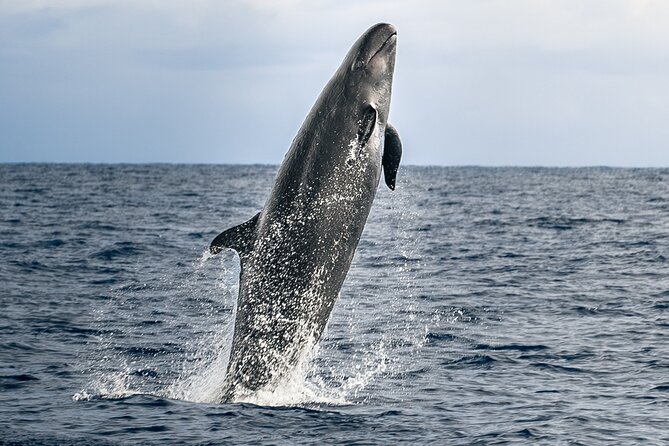
- Pelagic access: The offshore certification lets the crew search waters far deeper than most nearshore whale boats.
- Year-round wildlife: You may see pilot whales, dolphins, sharks, flying fish, manta rays, and other species outside the winter humpback season.
- Winter humpbacks: From roughly the cooler-season months, humpbacks may be found close to Kona’s coast.
- Strong naturalist program: Guides explain animal behavior, migration, feeding, conservation, and local coastal sights.
- Comfortable viewing boat: Artemis offers padded seats, handholds, soft flooring, shade, and broad sight lines.
- Wildlife is never guaranteed: The company offers a 50 percent return-trip discount if you see no whales or dolphins, but you still need to accept nature’s uncertainty.
Why Kona is a strong place for whale watching
Kona gives you something many whale-watching locations cannot: relatively accessible deep water close to shore. The coast drops quickly, creating both a nearshore zone and a pelagic zone within the same outing.
That matters because marine life does not gather in one fixed place. Humpback whales may be close to land during winter, while pilot whales, beaked whales, and sperm whales may be found farther offshore. Dolphins, rays, flying fish, and sharks can appear in either setting.
The crew uses this variety to keep the search moving. You are not simply taken to one location and asked to wait. The boat can check coastal waters first, then extend the search offshore when conditions allow.
The area is known for more than humpbacks. Possible sightings include spinner dolphins, bottlenose dolphins, pantropical spotted dolphins, short-finned pilot whales, beaked whales, sperm whales, manta rays, whale sharks, oceanic white-tip sharks, tiger sharks, scalloped hammerhead sharks, and flying fish.
That list is exciting, but it is also a reminder to set sensible expectations. You may hope for a breaching humpback and instead spend the morning watching pilot whales roll at the surface or dolphins ride the bow. Those encounters are not consolation prizes. They are the point of a year-round marine safari.
Other boats out to see whales from Big Island of Hawaii:
- Whale Watching On The Big Island
★ 5.0 · 573 reviews - Zodiac Raft Whale Watching Adventure
★ 5.0 · 456 reviews - Juneau Wildlife Whale Watching
★ 5.0 · 7,379 reviews
Leaving Honokohau Harbor at 8:30 a.m.
The tour meets at 275 Kealakehe Parkway in Kailua-Kona and starts at 8:30 a.m. It returns to the same place after roughly three to four hours. Hotel pickup is not included, so plan your own ride to the harbor.
The early start is useful. Morning light gives you clear views of the Kona coast, and the schedule leaves room for a longer search before the day gets too warm. You also return with much of the afternoon left for another Big Island activity.
The harbor location gives the crew quick access to coastal and offshore water. That is more important here than a flashy departure point. You are close to the places where the search actually happens.
Free parking is noted as available, which helps if you have a rental car. The meeting point is also near public transportation, though the tour does not provide a hotel shuttle.
Artemis and the practical comfort of a catamaran
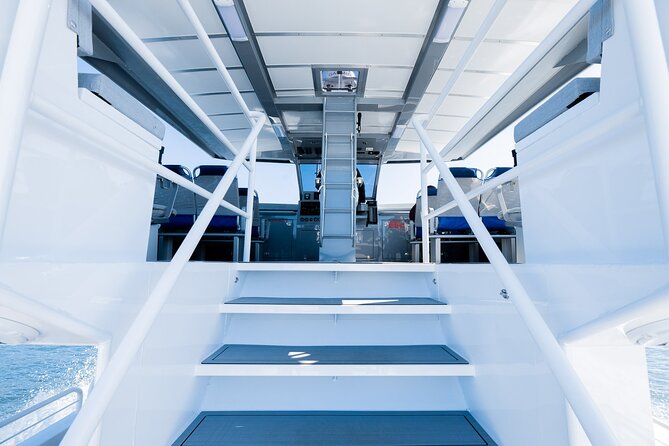
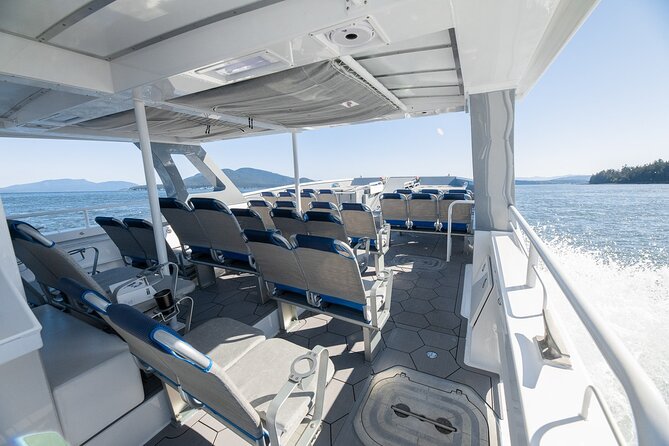
Artemis is a 46-foot catamaran designed for wildlife viewing. Its two-hull shape helps it handle ocean swells more smoothly than a typical single-hull boat, though no vessel can remove all motion from the sea.
You get padded seating, soft foam flooring, railings, handholds, and a mix of shaded and full-sun areas. That setup gives you a place to settle in during the longer run offshore, while still allowing you to move around when wildlife appears.
The open design provides viewing opportunities from all around the boat. This is a real advantage when a whale surfaces behind you or a dolphin pod changes direction. Still, there is a practical catch: people may shift toward the best sight line, and one person standing in front of another can spoil a moment.
I would arrive ready to share the view. Keep your head moving, watch both sides, and do not assume the front is always the best position. Wildlife may surface anywhere around the boat.
Cold soft drinks and bottled water are included. There is no mention of a meal, so eat beforehand and bring any personal snacks you need if permitted by the operator.
The nearshore search: dolphins, rays, and winter humpbacks
The first part of the outing may focus on the nearshore zone. This is where you have a chance to see spinner dolphins, bottlenose dolphins, manta rays, flying fish, and humpback whales during winter.
Nearshore water also gives you some of the nicest views of the Kona coastline. The guides may point out area features, including fish farms and the seahorse farm, while explaining how the coast supports both tourism and marine life.
Spinner dolphins are especially fun to watch. They can leap and twist above the water, sometimes riding the bow in groups. Bottlenose dolphins are larger and often look more deliberate in their movements. If you see dolphins at all, the naturalists can help you tell the species apart.
Winter is the best period to book if your heart is set on humpbacks. Sightings can include surface travel, spyhopping, tail slaps, chin slaps, and breaches. A breach is never promised, but it is the sort of sudden event that can turn an ordinary morning into a lifelong memory.
One useful detail from the company’s reports is that humpbacks are not always far offshore. They can sometimes swim in only 50 to 200 feet of water close to the coast. That makes the first part of the trip worthwhile even if the boat never reaches the pelagic zone.
Same base, a different kind of day out:
- Big Island in a Day: Volcanoes Waterfalls Sightseeing and History
★ 5.0 · 6,569 reviews - Big Island Manta Ray Night Snorkel
★ 5.0 · 5,656 reviews - Big Island: Kona Manta Ray Snorkel Tour in Keauhou Harbor
★ 4.5 · 2,465 reviews - Hilo Shore Excursion: Volcanoes National Park & Black Sand Beach
★ 4.5 · 2,338 reviews
Heading offshore into the pelagic zone
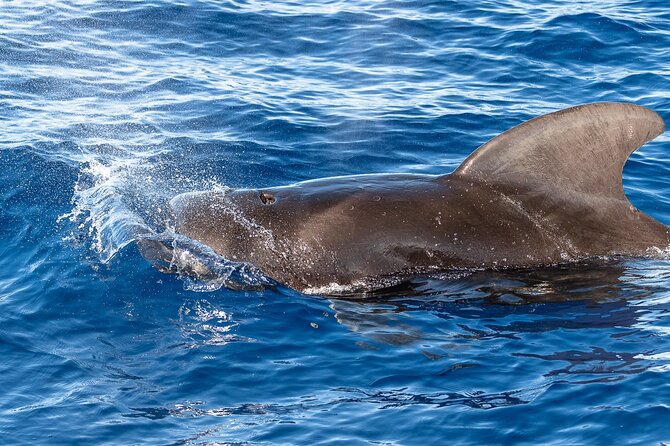
The unusual feature of this tour is its ability to reach open-water habitat beyond the usual coastal circuit. With United States Coast Guard offshore certification, the crew can search waters thousands of feet deep.
This is where you might encounter short-finned pilot whales, Cuvier’s beaked whales, sperm whales, spotted dolphins, whale sharks, and oceanic white-tip sharks. The offshore trip also opens the possibility of seeing species that are not common close to land.
The word pelagic simply means open ocean. You should picture a broader, more exposed search area, not a single fixed stop. The boat may cover a lot of water, and the ride may feel more active once you are farther from the coast.
That is the tradeoff. Offshore access increases the range of possible wildlife, but it also increases the chance of ocean motion. I would take seasickness medicine before boarding rather than waiting until you feel unwell. One person reported that the crew was attentive when seasickness became an issue, but prevention is still the better plan.
The guides keep watch while the captain adjusts the route. The goal is not to chase animals or force an encounter. The crew follows marine-life viewing rules and works with what the ocean provides that day.
The naturalists are a major part of the value
A good wildlife boat can find animals. A good naturalist helps you understand what you are seeing.
The crew explains migration, feeding, social behavior, vocalizing, and the role each species plays in the ocean. You might learn why a whale lifts its eyes above the water, how a pod moves together, or what a shark may be doing near pilot whales.
Andrew and Olivia have received particular praise for their clear explanations and friendly manner. Dennis has also been singled out for adding depth to the trip through his natural-history commentary. Names matter here because the crew is not simply providing scripted announcements. The guides appear actively engaged with the animals in front of you.
The commentary also reaches beyond wildlife. You may hear about local history, coastal features, fish farms, and the seahorse operation along the shore. That makes the trip useful even during the quiet stretches when no animal is visible.
I like tours that respect curiosity. If you want to know why the boat changed direction or how a species behaves, this is the kind of setting where the answer can make the waiting worthwhile.
What the wildlife sightings can really look like
The best reports include humpbacks breaching, chin slapping, spyhopping, and passing beneath the boat. Those are thrilling moments, but they are not the only successful outcome.
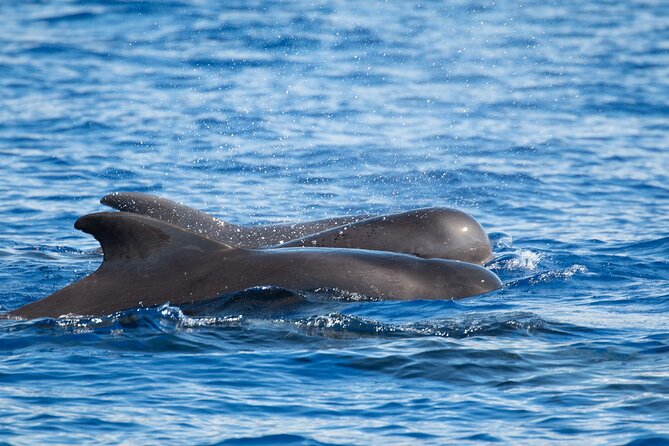
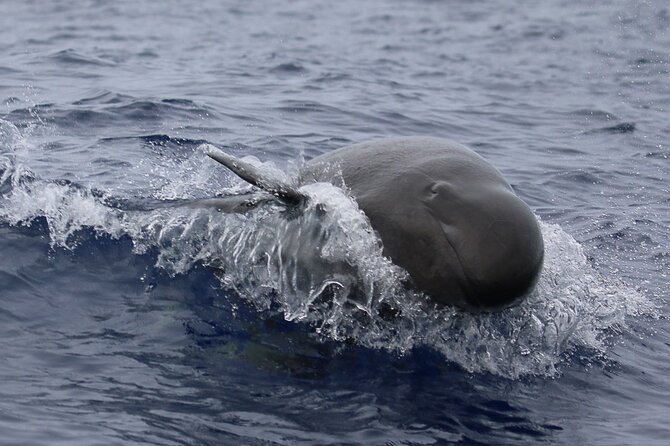
Pilot whales are a strong year-round possibility. Pods may roll at the surface, vocalize, or approach close enough for you to see their shape and behavior. One especially memorable encounter involved a pilot whale coming to inspect the boat while vocalizing.
Dolphin sightings can also be impressive. You may see large groups of spinner dolphins, bottlenose dolphins, or pantropical spotted dolphins. A pod riding the bow can become the highlight of the day, even for someone who booked mainly for whales.
Sharks and flying fish add another layer. Oceanic white-tip sharks have appeared near pods of pilot whales, and the crew has also seen tiger sharks and scalloped hammerheads. Whale sharks are possible but rare. Flying fish can skim across the surface in quick bursts, easy to miss unless someone points them out.
The variety is the strength of this trip. It is also why you should avoid treating the title as a promise of a specific animal. One outing may produce whales, three dolphin species, sharks, and flying fish. Another may bring only a few distant glimpses. A rare day has produced no whales or dolphins at all.
Price, group size, and overall value
At $129 per person, this is not a budget harbor cruise. I think the price is fair if you value a longer search, offshore access, an experienced captain, and a naturalist who keeps explaining what you see.
The 3 to 4 hour duration is important. Shorter outings may spend less time reaching useful habitat, while this trip has room to search both inshore and offshore areas. You are paying for time on the water and a wider range of possible wildlife, not just a seat on a boat.
The maximum group size is 42 people. That is not an intimate private charter, but Artemis is large enough to spread people around the vessel. The open 360-degree viewing arrangement helps prevent the experience from feeling like everyone is packed into one row.
The value is strongest for people who care about marine biology and want more than a quick whale photo. If you only want a guaranteed close look at a humpback, no operator can honestly promise that in the wild. If you enjoy learning, scanning the water, and accepting surprises, the price makes more sense.
The company states that if you see no whales or dolphins, you may join another trip for 50 percent off. That policy softens the risk, but it does not replace the original morning or guarantee that the second attempt will produce a particular species.
Who should book this Kona whale watch
I would choose this tour for adults, couples, older children, and anyone with a serious interest in ocean wildlife. The naturalist program gives the outing more substance than a simple sightseeing run.
Children under 10 are not permitted, so families with younger children need another option. Most people can participate, and service animals are allowed, but you should be comfortable standing, holding a rail, and managing some boat movement.
This is a particularly good choice during humpback season if breaching whales are your main goal. Outside that season, it still makes sense because Kona has year-round dolphins, pilot whales, sharks, rays, flying fish, and other marine life.
I would think twice if you get severe seasickness, dislike open-water rides, or need a quiet, tightly controlled itinerary. The crew can offer help and the catamaran is designed for comfort, but the sea remains the sea.
Booking timing and cancellation details
This outing is often booked about 37 days ahead, so I would reserve early if your Kona dates are fixed. The morning departure and limited daily schedule can make it harder to find another spot at the last minute.
You can cancel up to 24 hours before departure for a full refund. Changes or cancellations inside that 24-hour window are not accepted for a refund.
The trip depends on weather and a minimum number of bookings. If the operator cancels for poor weather or because the minimum is not met, you can choose another date or experience, or receive a full refund.
Should you book the Pelagic Whale Watch Tour?
Book it if you want a serious wildlife search with access to both coastal and open-ocean habitat. I especially like it for winter humpback season, but the year-round possibility of pilot whales, dolphins, sharks, manta rays, and flying fish gives it appeal in every season.
Choose a different outing if you need a short, calm, tightly scripted cruise or if your children are under 10. For everyone else, the combination of Artemis, the broad search area, and naturalists such as Andrew and Olivia makes this one of the better ways to spend a morning on the Kona coast.
FAQ
Where does the tour depart?
The tour meets at 275 Kealakehe Parkway in Kailua-Kona, Hawaii. It leaves at 8:30 a.m. and returns to the same meeting point.
How long does the whale watch last?
The outing lasts about three to four hours.
What animals might I see?
Possible sightings include humpback whales, short-finned pilot whales, beaked whales, sperm whales, spinner dolphins, bottlenose dolphins, spotted dolphins, manta rays, whale sharks, oceanic white-tip sharks, tiger sharks, scalloped hammerhead sharks, and flying fish.
Can I see whales all year?
The tour can encounter more than a dozen whale and dolphin species throughout the year. Humpback whales are especially associated with the winter months, while pilot whales and several dolphin species may appear year-round.
Is hotel transportation included?
No. Hotel pickup and drop-off are not included. You need to make your own way to the Kailua-Kona meeting point.
Are children allowed?
Children under 10 are not permitted. Most other people can participate, and service animals are allowed.
What happens if no whales or dolphins appear?
Wildlife sightings are not guaranteed. The company states that if you see no whales or dolphins, you can join another trip for 50 percent off. If poor weather cancels the tour, you can choose another date or receive a full refund.
Just added in Big Island of Hawaii
- Hilo Shore Excursion: Active Volcano, Lava Tube, Waterfall and Gardens★ 5.0 · 393 reviews
- Volcano Adventure: Hilo Sightseeing w/ Optional Helicopter Tour★ 4.5 · 412 reviews
- Whale Watching On The Big Island★ 5.0 · 573 reviews
- Zodiac Raft Whale Watching Adventure★ 5.0 · 456 reviews
- Kealakekua Bay Snorkeling Tour – 4 hour Kona Zodiac Adventure★ 5.0 · 508 reviews
- Big Island, Hawaii: Volcanoes National Park Safari★ 4.5 · 545 reviews
- Small Group Big Island Twilight Volcano and Stargazing Tour★ 5.0 · 1,619 reviews
- Hawaii Volcanoes, Waterfalls, Beaches & Hilo Highlights Day Tour★ 5.0 · 391 reviews
Whale Watching, compared.
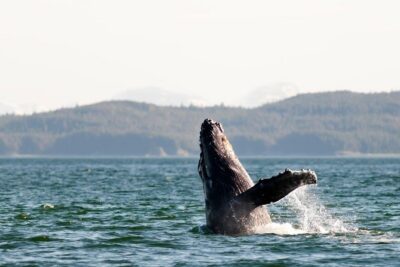
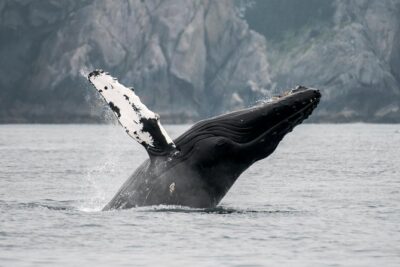
Juneau Wildlife Whale Watching & Mendenhall Glacier
Read our review →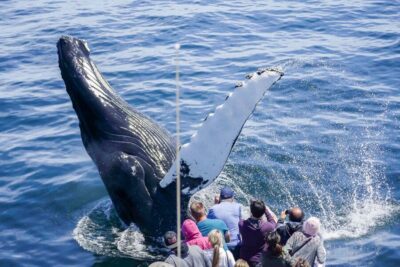
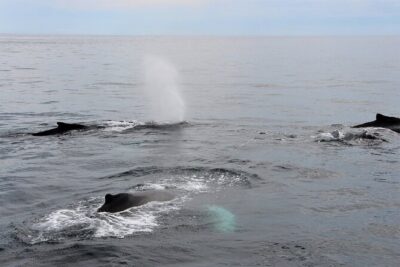
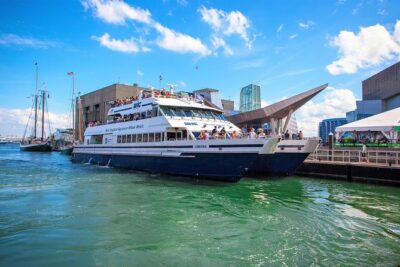
City Cruises Boston Whale Watching Cruise by High-Speed Boat
Read our review →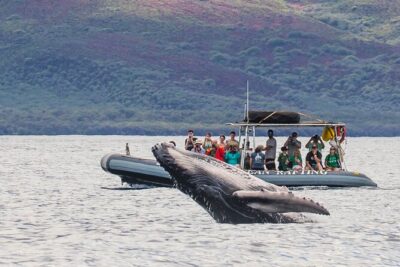
Maui Eco-Raft Tour: Eye-Level Whale or Dolphin Watching – Lahaina
Read our review →
Browse the lists this tour appears in