
Reviewed · WALKING TOURS
SoHo, Little Italy, and Chinatown 2-Hour Guided Walk
SoHo’s elegant cast-iron buildings, Little Italy’s food traditions, and Chinatown’s gangland stories sit close together, but they feel like three different cities. This two-hour walk gives you a useful introduction to all three without asking you to spend half a day on your feet.
I especially like the mix of architecture and human stories. You’ll see the E.V. Haughwout Building, learn about immigrant struggles, and trace old Mafia and Chinese gang connections. The guides are the real key: names such as Angela, Steve, George, Felipe, and Ari have been praised for humor, local color, and clear storytelling.
The main drawback is pace. Forty minutes in each neighborhood is enough for an overview, not a full exploration. Food costs extra, and the route is not suitable for people with mobility impairments.
Key points to know before you book
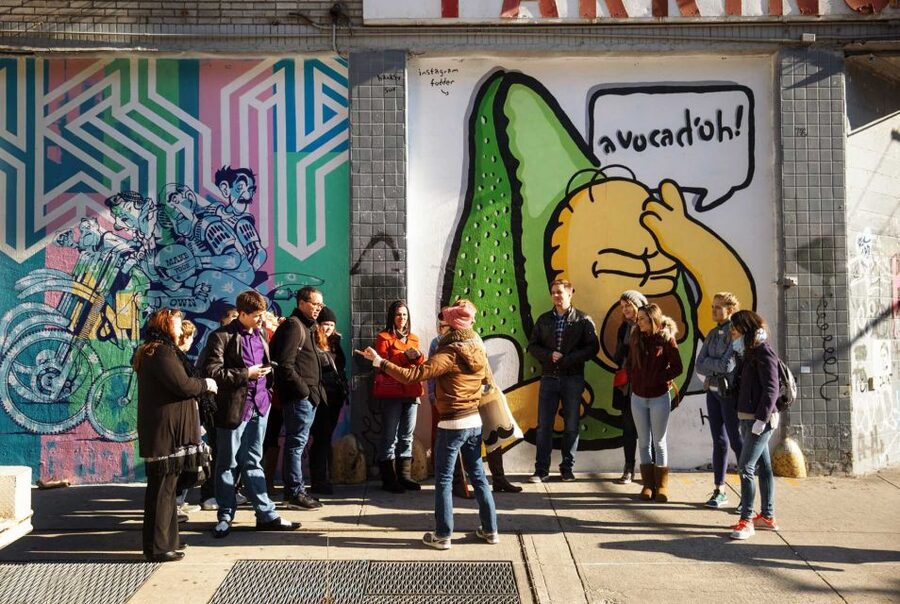
- Three neighborhoods in two hours: The route moves from SoHo to Little Italy and ends in Chinatown, giving you a quick cultural map of Lower Manhattan.
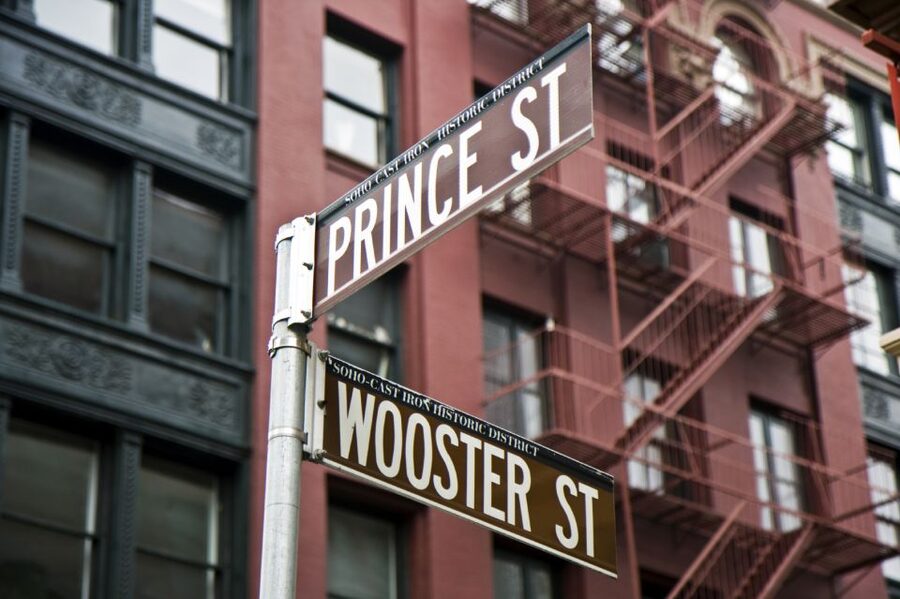
- Cast-iron SoHo: Look up at Spring and Greene streets for some of New York’s most distinctive 19th-century architecture.
- True-crime stories: The Manhattan Well Murder, John Gotti’s Ravenite Club, the Joe Gallo hit, and Doyers Street all feature in the storytelling.
- Food advice, not a food tour: You may sample ethnic food and receive tips on pizza, cannoli, and other local stops, but food purchases are not included.
- Guide quality matters: Angela, Steve, George, Felipe, Ari, and others are known for mixing facts, jokes, personal stories, and practical suggestions.
- Good value at $39: You pay less than many New York tours while covering a wide stretch of Lower Manhattan with a live guide.
Why these three neighborhoods work so well together
This tour succeeds because the route covers a small area with a lot of change packed into it. SoHo introduces you to grand commercial architecture and today’s high-end shops. Little Italy shifts the focus to Italian immigration, religious traditions, restaurants, and organized crime. Chinatown brings a different immigrant story, along with Chinese food, street life, and the darker history of gang conflict.
You are not simply walking from one attraction to another. You are watching New York change block by block. A cast-iron façade can give way to a church, a restaurant-lined street, or a narrow lane tied to a notorious crime.
That makes this a strong first or second-day activity. You’ll get your bearings fast and learn which streets deserve a later visit. It also helps you understand why these neighborhoods look the way they do, instead of seeing them as attractive backdrops for photographs.
The tour has a 4.6 rating from 566 bookings, and its strongest feature is plainly the guide. The experience depends less on entering buildings than on what your guide points out, explains, and connects. Guides including Steve, who draws on decades of living locally, and Angela, who is often described as energetic and funny, add a personal New York voice to the walk.
Other walks around New York City:
- SoHo, Little Italy, and Chinatown Walking Tour in New York
★ 5.0 · 3,153 reviews - Secrets of Grand Central Station Walking Tour New York City
★ 5.0 · 1,796 reviews - Greenwich Village Walking and Food Tasting Tour
★ 5.0 · 1,572 reviews
SoHo begins with cast iron and old New York ambition
The walk begins at Spring Street Park, with the exact meeting point depending on the option you book. From there, you enter SoHo for about 40 minutes.
The name SoHo refers to the area south of Houston Street. Its best-known feature is the cast-iron architecture. During the 19th century, cast iron allowed builders to create broad windows and decorative façades at a lower cost than carved stone. Today, those buildings house fashion stores, galleries, apartments, and restaurants.
This is the part of the walk where you should look upward. The ground level can be crowded with shoppers and traffic, but the upper floors reveal the district’s real character. The cast-iron columns, repeated window patterns, and ornate details make the streets feel almost theatrical.
Spring Street and Greene Street are especially useful places to pause. The tour also reaches the E.V. Haughwout Building, a major architectural stop and the former home of the first safety elevator. That detail helps explain why tall commercial buildings became practical in New York. An elevator may sound like a small invention, but it changed how upper floors were used and helped reshape city life.
The tour also points out 421 Broome Street, associated with Heath Ledger’s death in Mary-Kate Olsen’s apartment. This is a sensitive piece of modern celebrity history, and the guide’s tone matters. Expect it as one brief part of a larger walk, not as the main theme.
SoHo also has a strong connection to present-day celebrity culture. You might see fashion-conscious locals, shoppers, or someone recognizable in the cast-iron district, but no celebrity sighting is promised. Think of that highlight as a bit of fun, not a reason to book the tour by itself.
Greene Street and the Manhattan Well Murder

One of the more unusual stops comes at Greene and Spring streets, the site of the Manhattan Well Murder. It is described as the first recorded murder case in New York City.
A stop like this gives the tour its edge. You are not only hearing about famous buildings or famous people. You are standing on an ordinary-looking street where an early New York crime story unfolded. The contrast between the quiet modern block and the grim tale is part of the appeal.
This is also where a live guide adds real value. A plaque or guidebook can give you a date and a name. A good guide can explain the setting, the social mood, and why the story mattered to the growing city.
The true-crime material is not for everyone. If you prefer a tour focused only on art and architecture, the stories of murder, gang violence, and mob hits may feel like too much. If you enjoy city history with a darker side, this mix keeps the walk lively.
Little Italy follows immigration, faith, and organized crime
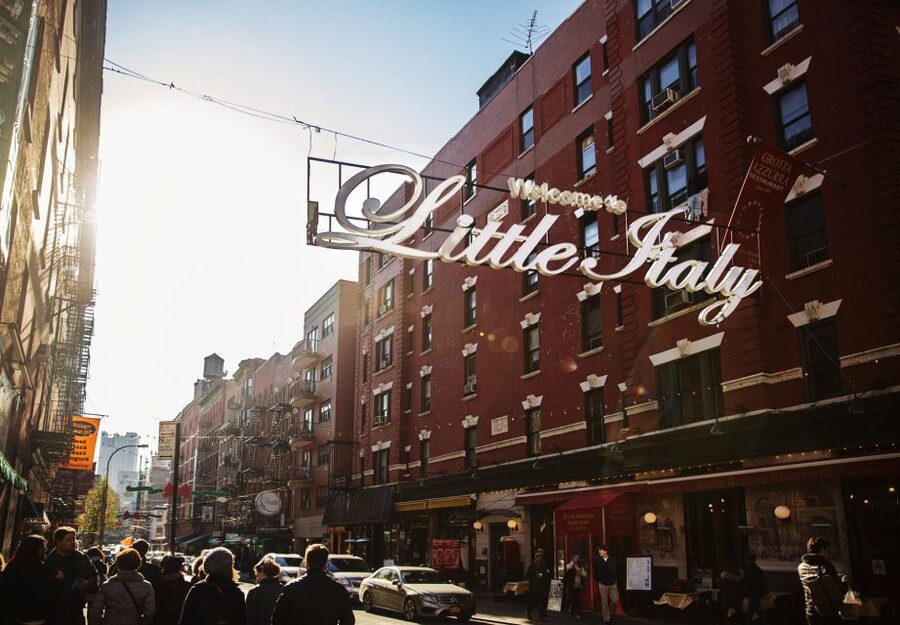
The route then moves into Little Italy for another 40 minutes. Mulberry Street is the center of the neighborhood, and it gives you a chance to see how Italian immigration shaped Lower Manhattan.
The guide discusses immigrant struggles, including the pressures faced by families building new lives in a crowded city. That context matters because Little Italy can otherwise seem like a restaurant district designed only for visitors. The older story is about work, family, faith, food, and adapting to a new country.
Old St. Patrick’s Cathedral is one of the most important religious landmarks on the route. The National Shrine Church of San Gennaro adds another layer, with the story of the liquefaction of the saint’s blood. This tradition is linked to the annual Feast of San Gennaro and shows how religious customs helped immigrants maintain a connection to home.
You’ll also hear about food traditions. Alleva Dairy is associated with a century of cheese-making, and the route may include a chance to sample ethnic food. Keep your expectations clear: this is not a full food tour, and food purchases are not included. Still, the guide can point you toward pizza, cannoli, cheese, and other places worth trying after the walk.
That advice can be particularly useful because Little Italy has plenty of tourist-focused restaurants. A guide who knows the area can help you choose what to eat and where to return later. Several guides also make time for practical suggestions, so bring a question or two.
Other two-hour trips in New York City:
- NYC: Circle Line 2h Harbor Lights Cruise Skip-The-Box-Office
★ 4.6 · 8,222 reviews - New York City: Gangsters and Ghosts 2-Hour Walking Tour
★ 4.7 · 615 reviews - 2-Hour Exotic Car Driving Experience in Las Vegas
★ 5.0 · 2,870 reviews - Rock Springs 2-Hour Glass Bottom Guided Kayak Eco Tour
★ 5.0 · 2,459 reviews
The Ravenite Club and the mob stories of Mulberry Street
Little Italy’s other major theme is organized crime. The walk includes the Ravenite Club, linked to John Gotti, and Umberto’s, the site of the mob hit on Joe Gallo.
These stops are not presented as movie scenes. They are physical places tied to real events, and the guide connects them to the neighborhood’s past. The Mafia material has become part of popular culture, but the better version of the story also shows how crime affected local residents and the public image of Little Italy.
This is an area where guides such as George, Steve, and Felipe have been praised for blending pop culture with historical detail. That balance helps keep the stories accessible. You can enjoy the familiar names without reducing the neighborhood to a collection of gangster anecdotes.
The Italian American Museum is another important point on the route. It is connected with the site of the Triangle Shirtwaist Factory fire, one of the defining workplace disasters in New York history. The stop widens the focus beyond food and crime to labor, immigrant workers, and the cost of poor safety rules.
You will not have time to explore every interior on a two-hour walk. Treat the outside stops as a preview, then return to the places that interest you most.
Chinatown brings narrow streets and the Bloody Angle
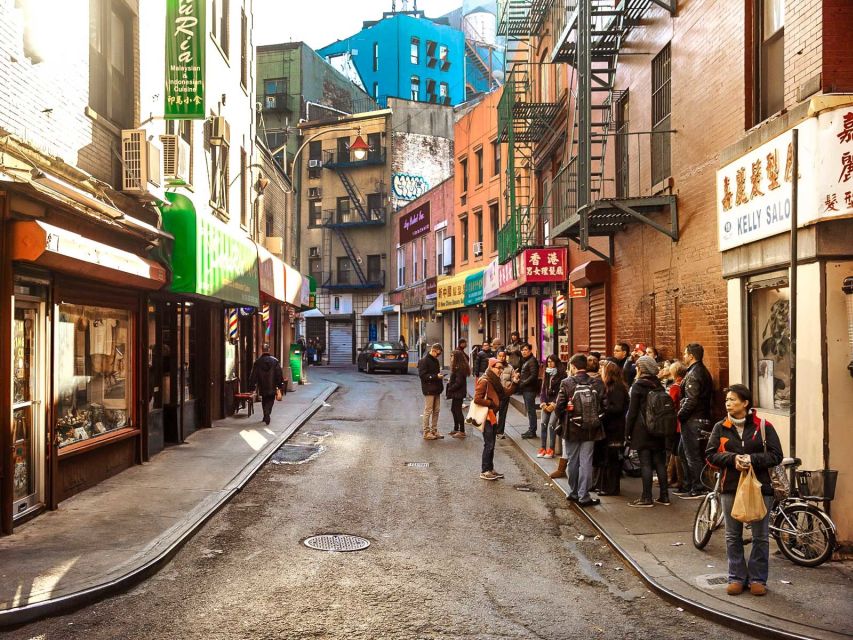
The final 40 minutes take you into Chinatown, ending at Columbus Park. This part of the walk shifts the focus from Italian immigration to Chinese immigration and the neighborhood’s own patterns of work, family, food, and community.
The guide discusses Chinese gang violence and takes you to Doyers Street, known as the Bloody Angle. The street’s sharp curve made it difficult to see what was ahead and became associated with violent clashes. It is a compact, memorable stop, especially because the setting feels so different from the broad streets of SoHo.
The route also includes the story of an old opium den. As with the Mafia material, the value lies in placing the story in a real neighborhood rather than treating it as a movie plot. Chinatown has a long and complicated past, and the guide uses specific locations to show how that past played out on the street.
Columbus Park is the stated ending point and a sensible place to finish. It is connected with Gangs of New York and gives you a natural place to continue exploring. You can stay in the area, look for a meal, or use the nearby streets as a starting point for your own walk.
The Chinatown portion can feel short. There is much more to see and eat than 40 minutes allows. Still, the quick tour is useful because it gives you a sense of the area and highlights places you might otherwise pass without understanding.
What the guides add to the experience
The guide is more important here than the exact order of streets. You may be led by Angela, Steve, George, Felipe, Ari, Alex, Jacob, Peter, or another member of the team. Their styles vary, but the strongest descriptions point to the same qualities: clear explanations, humor, warmth, and a willingness to answer questions.
Some guides bring a personal connection to New York. Steve, for example, has lived in the area for decades and uses personal memories alongside the older history. That can make the neighborhoods feel less like an outdoor museum and more like places where people still live and work.
The guides also appear comfortable with mixed groups. Families, older visitors, and people who do not consider themselves serious walkers can manage the route at an easy pace, according to the activity details. One private family group with three children received a tour tailored to its age range.
That said, the tour remains a city walk. You need comfortable shoes and clothing suited to the weather. On hot days, a guide may adjust pauses and seek shade, but you should still prepare for sun, traffic, and uneven city surfaces.
Is $39 a fair price?
At $39 per person, this is good value if you want context rather than a long list of photo stops. The price covers a live English-speaking guide and three neighborhoods in two hours. You are paying for interpretation, local stories, and a route that would be easy to walk but harder to understand on your own.
The value is strongest for first-time visitors, short stays, and anyone who wants an introduction before returning to eat or shop. It is also useful for visitors who enjoy true crime, architecture, immigration stories, and film or celebrity connections in equal measure.
The price is less attractive if you already know SoHo, Little Italy, and Chinatown well. It is also not the right choice if you want a dedicated food tour, long museum visits, or a slow photography walk. Food is not included, and most of the experience happens outdoors.
Free cancellation up to 24 hours before the start and the reserve-now, pay-later option make it easier to fit into a changing New York schedule. Check the available start times and the exact meeting point when booking, since the meeting location can vary.
Who should book this Lower Manhattan walk?
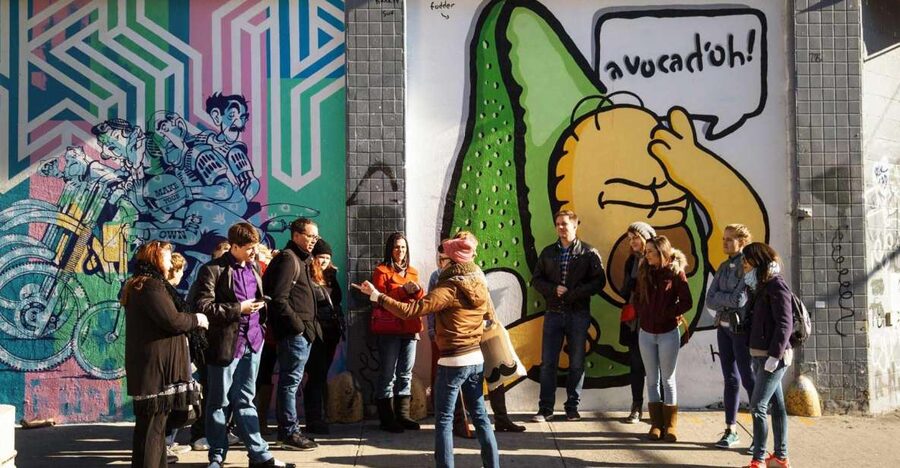
I would choose this tour if you want three things: a quick overview, strong storytelling, and a guide who can turn ordinary streets into meaningful places. It suits couples, families with older children, solo visitors, and first-time New York visitors who want a useful introduction without committing to a full-day outing.
It is especially good for people who like architecture with their history. SoHo supplies the façades, Little Italy supplies food and faith, and Chinatown supplies narrow streets and crime stories. The mix keeps the two hours moving.
I would skip it if you have mobility limits, dislike walking, or want to spend most of your time eating. You should also avoid booking it as your only visit to these neighborhoods. Use it as a starting point, then return to the streets, churches, restaurants, and shops that catch your attention.
Final verdict: a smart introduction to three very different New Yorks
Book this walk if you want an efficient, story-filled look at Lower Manhattan for $39. The best guides, including Angela, Steve, George, Felipe, and Ari, add humor and local personality to a route that could otherwise feel like a list of addresses.
You will not see everything, and you will need to pay for your own food. But you will leave knowing why SoHo’s buildings matter, how Little Italy’s immigrant and crime stories overlap, and where Chinatown’s darker history played out. For a first look at these three neighborhoods, that is a fair trade.
FAQ
How long does the SoHo, Little Italy, and Chinatown tour last?
The walking tour lasts two hours. The schedule allows about 40 minutes in SoHo, 40 minutes in Little Italy, and 40 minutes in Chinatown.
Where does the tour begin?
The listed starting location is Spring Street Park in SoHo. The exact meeting point may vary depending on the option you book, so check your booking details before setting out.
Where does the tour end?
The stated drop-off location is Columbus Park in Chinatown.
Is food included in the ticket price?
No. Food costs are not included. The walk may include ethnic food sampling and food recommendations, but you should pay for any purchases separately.
What language is the tour in?
The tour is conducted in English with a live English-speaking guide.
Is the walk suitable for people with mobility impairments?
No. The activity is listed as unsuitable for people with mobility impairments. Everyone else should bring comfortable shoes and clothing suited to the weather.
Just added in New York City
- Brooklyn Food Walking Tour: Local Eats & Family‑Run Shops★ 5.0 · 592 reviews
- All Inclusive Airport Departure Transfer NYC/ Brooklyn/Queens★ 4.0 · 342 reviews
- Brooklyn Bridge & DUMBO Food Tour: Local Eats & Landmarks★ 5.0 · 478 reviews
- Harlem: Central Harlem Sunday Gospel with Locals★ 3.9 · 499 reviews
- New York City: Statue of Liberty & Ellis Island Guided Tour★ 4.2 · 1,031 reviews
- West Harlem: Gospel Church Service and Sunday Walking Tour★ 4.3 · 411 reviews
- Manhattan: Statue and Skyline Cruise Aboard a Luxury Yacht★ 4.8 · 540 reviews
- NYC: SoHo, Little Italy, and Chinatown Guided Tour★ 4.7 · 614 reviews
Walking Tours, compared.
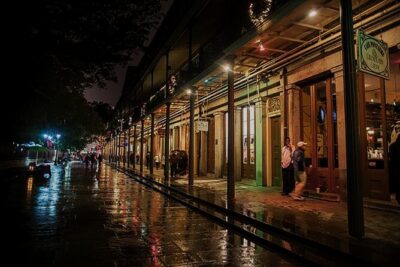
New Orleans Premier Ghost, Voodoo and Vampire Walking Tour
Read our review →

Freedom Trail History Small Group Walking Tour
Read our review →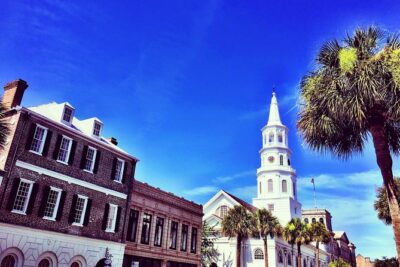
Historic Charleston Guided Sightseeing Walking Tour
Read our review →
New Orleans Food Walking Tour of the French Quarter with Small-Group Option
Read our review →
St. Louis Cemetery No. 1 Official Walking Tour
Read our review →
Harvard University Student-Guided Walking Tour
Read our review →
Harvard University Campus Guided Walking Tour
Read our review →Browse the lists this tour appears in