
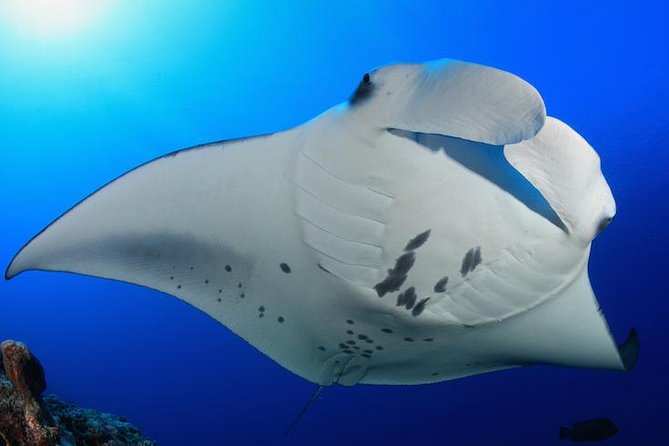
Reviewed · SNORKELING, SHARK & MANTA RAY TOURS
Snorkel with Manta Rays Guaranteed
The magic here happens when a manta ray rises from the dark and glides within inches of your face. You are not chasing it. You are holding a lighted flotation bar at the surface while plankton gathers below, creating a dinner table for these graceful giants. I like the short ride to the viewing site and the careful in-water support, especially for first-time night snorkelers.
I also like that the trimaran Hokulani has steps for easier water entry and a bathroom, along with wetsuits in a wide range of sizes. The main drawback is that this is not free swimming. You hold the float for most of the session, and rough water can tire your shoulders or unsettle your stomach. A group of up to 49 people can also make the experience feel busy.
Key points to know before booking
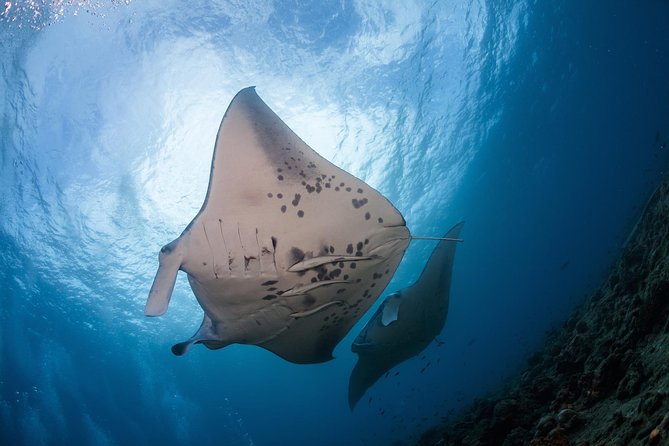
- Mantas often pass within inches of your face: You may see barrel rolls, broad wings, and the pale underside of a ray as it feeds below.
- The ride is short: The viewing site is close to Keauhou Bay, a helpful feature if you are prone to seasickness.
- You hold a lighted flotation device: The setup requires little swimming, but your arms and shoulders stay engaged.
- About 45 minutes in the water: The full outing lasts about 90 minutes, including the sunset cruise, briefing, boarding, and return.
- Fins are not used: Your feet stay out of the water to reduce the chance of contacting a manta ray.
- The price is $141.57 per person: Wetsuits, masks, snorkels, filtered water, soda, and juices are included. Gratuity is extra.
Why this Kona manta ray trip feels so different
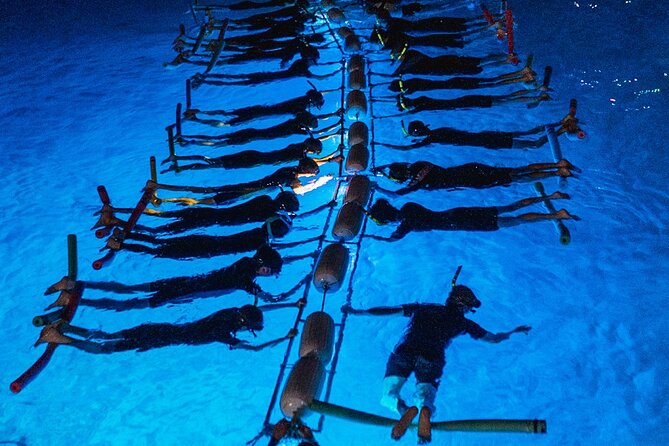
Night snorkeling changes the rules. In daylight, you scan coral and open water for movement. Here, the light source attached to the float draws plankton upward, and the manta rays follow the food. You wait at the surface while the animals make the approach.
That can produce startlingly close encounters. A manta may sweep under the raft, turn on its side, or pass just a few inches from your face. Its size can be hard to judge until the animal is directly below you. The rays are gentle, but their wingspan and sudden movements can still make your first encounter feel intense.
The setup also protects the animals. You are told not to touch the rays, and your feet do not hang down with fins. This matters because a careless kick could injure a manta or disrupt its feeding. The best approach is simple: keep your hands on the flotation device, let the rays control the distance, and watch quietly.
You may see one ray or several. Sightings can vary, but the experience is built around observing wild animals rather than watching a scheduled performance. Some outings have produced sightings of five, six, eight, or more rays. Other conditions may be less generous. The title promises manta rays, but no responsible ocean operator can control the animals, the weather, or the water.
More Snorkeling Tours in Big Island of Hawaii
- Big Island Manta Ray Night Snorkel
★ 5.0 · 5,656 reviews - Big Island: Kona Manta Ray Snorkel Tour in Keauhou Harbor
★ 4.5 · 2,465 reviews - Big Island: Captain Cook Snorkel On A Power Catamaran With Lunch
★ 5.0 · 2,232 reviews
From Keauhou Bay to the Hokulani
You meet at Keauhou Bay in Kahaluu-Keauhou, on the Kona side of the Big Island. Several ocean activities can operate in the same general area, so read your confirmation carefully and look for the correct check-in spot around the building rather than assuming the boat ramp is the meeting place.
Once aboard the Hokulani, the outing begins with a sunset cruise. The trimaran gives you room to settle in, and drinks and light snacks are offered onboard. Filtered water, soda, and assorted juices are included. If you are prone to motion sickness, this part deserves attention: the boat will be moving, and some people feel worse after returning from the water.
The ride to Manta Ray Village is short, often around five minutes according to the supplied experience details. That is one of the strongest practical reasons to choose this trip. You spend less time crossing open water in darkness and more time at the viewing site. Short transportation also makes the tour easier for anyone who worries about seasickness.
The trimaran has steps that help with getting in and out of the water, plus a bathroom onboard. Those features do not sound glamorous on paper, but they matter once you are wet, cold, and ready to return to the boat.
The briefing explains the rules that matter
At the viewing site, the crew gives a safety briefing before you enter the water. You learn how to use the mask, snorkel, wetsuit, and flotation raft, and the crew explains what the mantas are doing and how to behave around them.
The staff stays close as you move from the boat to the flotation device. This support is especially useful if you have never snorkeled at night or feel uneasy about entering dark ocean water. Crew members also help people who become nervous once they are in the water, and you can return to the boat if you need a break.
The central rule is not to touch the manta rays. Even a gentle touch can remove the protective coating on their skin. You should also avoid reaching toward them, kicking, or trying to block their path for a photograph.
The float takes much of the effort out of snorkeling. You do not need to swim around searching for animals. Still, holding the bar for 45 minutes can work your shoulders, especially if the sea is choppy. Grip it gently rather than clenching it. One especially useful crew tip is that a tight, forceful grip can create unnecessary arm and shoulder pain.
What the 45-minute water session is really like
The water session is not a conventional snorkel tour. You will not spread out over a reef or swim behind a guide. Instead, you remain at the surface in a group around a lighted raft. The lights attract plankton, and the manta rays circle below and around the viewing area.
This arrangement makes the activity accessible to people who are comfortable in the water but are not strong swimmers. The float supports you, and fins are unnecessary. It also keeps your feet away from the feeding area, which is better for the rays and removes the need to manage large fins in a crowded group.
The tradeoff is space. With a maximum of 49 people, you should expect other swimmers near you. One less favorable account described a cattle boat feeling, which is a fair warning if you prefer quiet, private wildlife encounters. The close grouping also means you need to pay attention to your elbows, hands, and flotation position.
In calm conditions, the setup is easy to manage. In rougher water, the rafts can move against one another while the waves rise and fall. Holding on becomes tiring, and a person who is filming with one hand may be less stable. Keep both hands available when needed, and do not rely on a phone case as your only camera plan.
The cold is another factor. Wetsuits are provided, but the ocean can still feel chilly after you have been floating for a while. If you are easily cold, consider the wetsuit part of the essential equipment rather than an optional extra.
Other reefs and snorkel spots around Big Island of Hawaii:
- KONA Manta Ray Night Snorkel – FREE re-ride if no Sightings
★ 5.0 · 2,212 reviews - Manta Ray Night Snorkel at Kona, Big Island
★ 5.0 · 1,758 reviews - Kona Snorkel Tour: Captain Cook Reef Snorkel, Dolphin & Sea Caves
★ 4.5 · 1,411 reviews - Glow of the Deep: Night Snorkeling with Manta Rays
★ 4.5 · 1,254 reviews
The animals may come astonishingly close
The most memorable moments happen when a manta turns upward toward the lights. You may see its mouth open as it filters plankton, then watch the animal roll away with slow, controlled movement. A ray can pass so close that you see the texture of its skin and the shape of its cephalic fins.
You should prepare for the possibility of physical proximity without contact. Mantas have been seen within four to six inches of swimmers, and one may brush against you by accident. That is exciting, but it is also a good reason to remain still. Do not try to touch or hold a manta, even if the animal seems to invite it.
The crew may identify individual rays or count how many are present during your session. Some nights bring one to three animals, while an unusually active evening may bring seven, ten, or more. The number is a bonus, not the whole point. Even one manta moving under the raft can justify the trip for a wildlife enthusiast.
The last time slot can offer a quieter viewing area after earlier boats leave, but you should not book it solely for that reason. Manta activity changes, and a late departure may mean you spend more time in darkness or return later than planned.
Comfort, safety, and the right fitness level
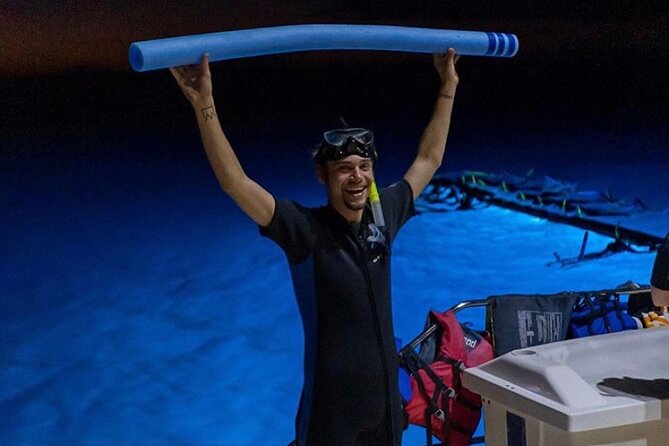
This activity requires moderate physical fitness. You need to board the boat, enter and exit the water, hold the flotation device, and remain in the ocean for roughly 45 minutes. You do not need advanced swimming skills, but you should be comfortable in open water with a mask and snorkel.
Children have taken part successfully, including an eight-year-old and a nine-year-old, but the supplied details do not give a formal minimum age. The practical question is less about age and more about confidence, stamina, and the child’s ability to follow directions. A child who dislikes dark water or cannot hold the float for an extended period may struggle.
The crew places strong attention on safety, both aboard the boat and in the water. That includes helping nervous swimmers, watching the group in rough conditions, and explaining the process before entry. Even so, ocean conditions are never fully predictable. If you have a shoulder problem, severe motion sickness, or difficulty remaining in the water, think carefully before booking.
Full-face masks are not permitted because of safety concerns. Standard masks and snorkels are supplied, as are wetsuits. You do not need to bring fins, and your feet will stay on or near the flotation device.
Is $141.57 a fair price?
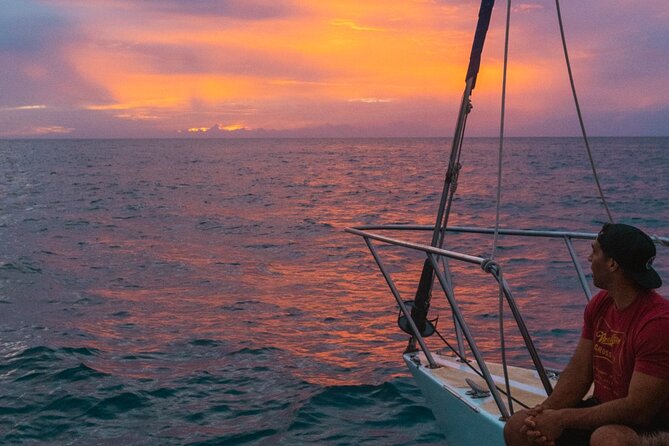
At $141.57 per person, this is not a casual, low-cost outing. The price includes the boat trip, crew support, wetsuit, mask, snorkel, flotation setup, filtered water, soda, and juices. It also buys access to a specialized nighttime wildlife experience that is difficult to recreate on your own.
The value is strongest if seeing manta rays is a major reason for visiting the Kona coast. You get a sunset cruise, a short transfer to the site, professional supervision, and a lengthy viewing period. The 45 minutes in the water is important. A short encounter would feel expensive, but this gives you time to settle down, understand the routine, and watch the animals return again and again.
The value is weaker if you expect a private tour, a quiet reef swim, or unlimited freedom to move around. The group can be large, and the flotation raft format is structured. You are paying for close wildlife viewing under controlled conditions, not for solitude.
Gratuities are not included, but they are appreciated. If the crew helps you enter the water, manages a nervous child, or keeps the group safe in rough conditions, a tip is a reasonable way to recognize that work.
Practical booking advice for this specific outing
The tour is offered in English and uses a mobile ticket. Confirmation is sent within 48 hours, subject to availability. Because the outing averages 38 days of advance booking, popular dates may fill well before your arrival, especially during busy periods.
Book early if the manta encounter is a priority, but leave room in your schedule if possible. The activity depends on good weather, and poor conditions can lead to a different date or a full refund. If the minimum number of participants is not reached, you will also be offered a different date, another experience, or a full refund.
You can cancel for a full refund up to 24 hours before the start time. Changes or cancellations inside that 24-hour window are not accepted for a refund. The cut-off follows local Hawaii time.
Bring a swimsuit and plan to arrive ready for water activity. Keep your camera plan simple and secure. An action camera or a rented camera option is more practical than trusting a loose underwater phone case, especially when you need both hands for the float.
Who should book the Hokulani manta tour?
I would choose this outing if you want the best chance of seeing manta rays close up without spending a long time on a boat. It suits couples, families with confident older children, and first-time night snorkelers who want crew support.
I would think twice if you dislike group activities, have shoulder trouble, get motion sick easily, or expect to swim freely with the animals. The viewing method is controlled and respectful, but it can feel crowded and physically tiring.
For most people who place manta rays high on their Big Island list, the price is justified by the length of the water session, the short ride, the equipment, and the crew presence. Book it for the wildlife encounter, not for a peaceful sunset cruise. The sunset is a pleasant opening, but the real event begins when a broad wing passes beneath the light.
FAQ
Where does the manta ray tour meet?
The tour begins at Keauhou Bay in Kahaluu-Keauhou, Hawaii, at ZIP code 96740. It returns to the same meeting point.
How long does the experience last?
The full activity lasts approximately 1 hour and 30 minutes. The snorkeling portion lasts about 45 minutes.
How long is the boat ride to the manta viewing site?
The ride is short, often around five minutes. The exact time can vary with conditions.
What boat is used for the tour?
The tour uses the trimaran Hokulani.
What equipment is provided?
Wetsuits, masks, snorkels, and the specialized flotation device are provided. Fins are not needed.
Are food and drinks included?
Filtered water, soda, and assorted juices are included. Drinks and snacks are offered onboard.
Can I wear a full-face snorkel mask?
No. Full-face masks are not allowed because of safety concerns.
How close can the manta rays come?
The manta rays can pass within inches of your face. You must not touch them.
How many people can join the tour?
The maximum group size is 49 people.
What happens if weather cancels the tour?
If poor weather causes a cancellation, you will be offered a different date or a full refund. If the minimum number of participants is not reached, you will receive the same type of alternative or refund option.
Just added in Big Island of Hawaii
- Hilo Shore Excursion: Active Volcano, Lava Tube, Waterfall and Gardens★ 5.0 · 393 reviews
- Volcano Adventure: Hilo Sightseeing w/ Optional Helicopter Tour★ 4.5 · 412 reviews
- Zodiac Raft Whale Watching Adventure★ 5.0 · 456 reviews
- Whale Watching On The Big Island★ 5.0 · 573 reviews
- Kealakekua Bay Snorkeling Tour – 4 hour Kona Zodiac Adventure★ 5.0 · 508 reviews
- Big Island, Hawaii: Volcanoes National Park Safari★ 4.5 · 545 reviews
- Small Group Big Island Twilight Volcano and Stargazing Tour★ 5.0 · 1,619 reviews
- Hawaii Volcanoes, Waterfalls, Beaches & Hilo Highlights Day Tour★ 5.0 · 391 reviews
Snorkeling, Shark & Manta Ray Tours, compared.
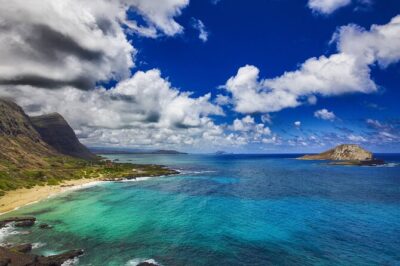
Grand Tour Around Island 16 Locations plus Snorkeling
Read our review →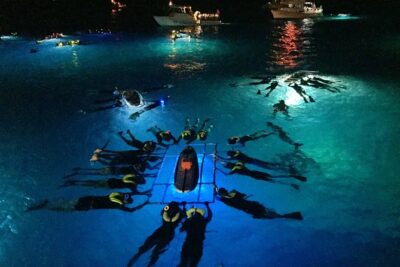
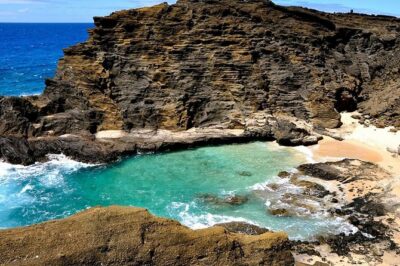
Oahu’s Ultimate Tour: Dole, Turtle Snorkel, Pali Lookout & More
Read our review →
Oahu Circle Island Tour with Turtle Snorkeling— Small-Groups
Read our review →
Waikiki, Hawaii: Turtle Canyon Snorkel Excursion
Read our review →
Shell Island Snorkel and Dolphin Catamaran Cruise with Island Time
Read our review →
Turtle Canyon Snorkel Adventure in Waikiki, Oahu
Read our review →
Browse the lists this tour appears in