
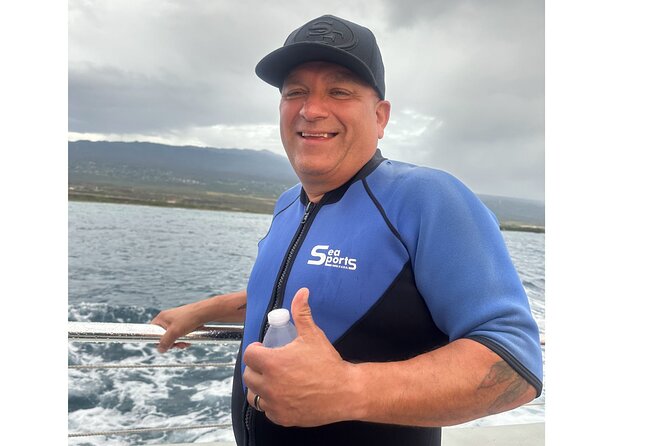
Reviewed · SNORKELING, SHARK & MANTA RAY TOURS
Glow of the Deep: Night Snorkeling with Manta Rays
Giant manta rays sweep through the lighted water with their mouths open, turning a simple night snorkel into a close-up wildlife show. You may watch them roll, loop, and pass within inches of your face as they feed on plankton below the boat. The whole trip lasts about two and a half hours, with roughly 45 minutes in the water.
I like the sunset-to-manta plan, which gives the outing a pleasant start rather than sending you straight into dark water. I also like that wetsuits, flotation noodles, snorkel gear, snacks, water, and a bathroom are provided. The main concern is comfort: the ride can be rough for anyone prone to seasickness, and a full boat of up to 30 people may feel crowded around the light board.
Key things to know before you book
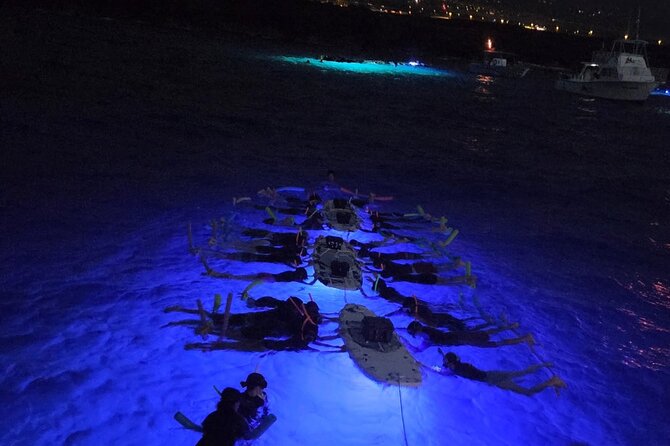
- Mantas feed beneath a bright light board: You float at the surface while plankton gathers below and the rays circle upward.
- The water session lasts about 45 minutes: That is enough time for repeated close views, but it can feel cold at night.
- You must know how to swim: Guides supervise the water, yet this is not a beginner lesson or a shallow-water activity.
- The boat carries up to 30 people: The vessel has a cabin, upper observation deck, and onboard bathroom, but the water setup can be busy.
- A sighting is guaranteed: If no manta appears, you receive a voucher for another tour.
- The departure changes with sunset: Confirm your exact time 24 hours ahead, since seasonal departures range from 5 PM to 9 PM.
Why Kona’s night manta setting is so special
The appeal here is not simply seeing a manta ray. It is watching a wild animal feed in its normal nighttime habitat, with no touching, baiting, or chasing. Bright lights attract microscopic plankton, and the mantas follow the food.
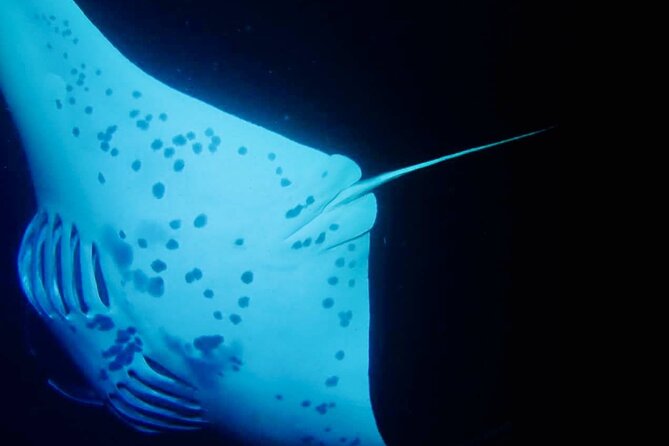
These animals are large but not threatening. Their wingspan can range from 4 to 12 feet, and they may weigh between 400 and 1,200 pounds. They have no teeth or barbs, so the proper interaction is passive: you float in place, keep your hands to yourself, and let the animals choose their path.
That can produce startlingly close encounters. Mantas may glide above the light board, curl into a loop, or turn on their backs as they filter food. Several reports describe rays passing only inches from snorkelers’ faces. Seeing one is exciting. Seeing several return again and again is the part you will remember.
The light board also gives the experience a clear focus. You are not swimming into open darkness hoping to spot something. You hold onto a floating structure, look down into the illuminated water, and watch the action unfold beneath you.
More Snorkeling Tours in Big Island of Hawaii
- Big Island Manta Ray Night Snorkel
★ 5.0 · 5,656 reviews - Big Island: Kona Manta Ray Snorkel Tour in Keauhou Harbor
★ 4.5 · 2,465 reviews - Big Island: Captain Cook Snorkel On A Power Catamaran With Lunch
★ 5.0 · 2,232 reviews
From Honokohau Harbor to the open sea
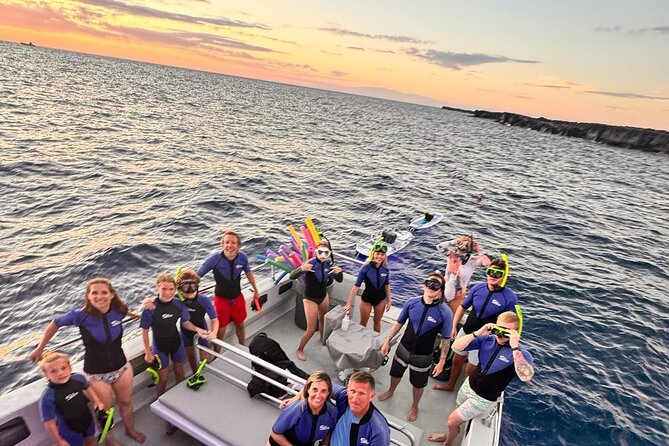
You meet at Bite Me Sport Fishing, at 74-425 Kealakehe Parkway, number 1, in Kailua-Kona. Hotel pickup is not included, so you need to arrange your own transport to the harbor and allow time to check in and get fitted for equipment.
The boat is built for comfort on a short evening outing. It has a spacious deck, a large cabin, an upper observation area, and a bathroom. That matters more than it may sound. You will be outside at night, on moving water, wearing wet gear, and possibly sharing the boat with people who are not entering the water. A cabin and bathroom make the trip easier for everyone.
The ride to the manta area is part of the experience, but it can also be the least pleasant section for people who get motion sick. One account describes roughly 20 minutes from shore, while another raises concern about a longer overall boat ride to and from the site. The exact route depends on the manta location and sea conditions. If you are prone to seasickness, take appropriate medicine before boarding rather than waiting until you feel ill.
The captain may choose between northern and southern manta sites. The northern site is used most of the time, but sea conditions and manta activity can affect the choice. This flexibility helps the crew seek safer or more comfortable water, though it also means the trip can take longer than you first expect.
Sunset from the upper deck
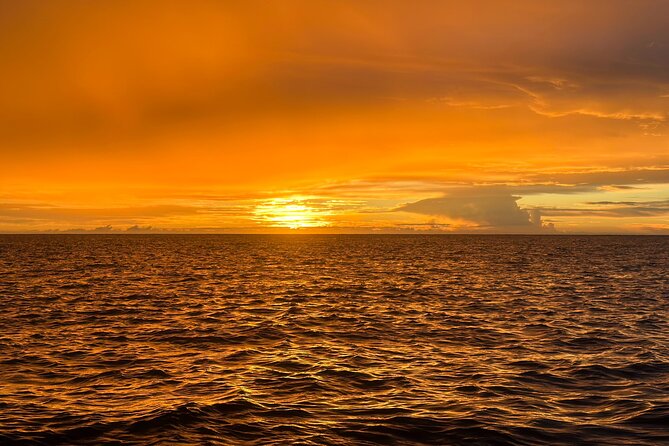
The earlier departure gives you a bonus: a view of the Kona sunset from the boat. Seasonal start times shift with the sun, so you may leave around 5:30 PM in January through March, 6 PM from April through September, or 5 PM from October through December. The later departures are listed around 8 PM or 8:30 PM, with another seasonal time around 9 PM.
You are assigned according to availability, so you may not get to choose between the sunset and later outing. Call 24 hours ahead to confirm your departure time. This is important if you are planning dinner, a luau, or another evening activity.
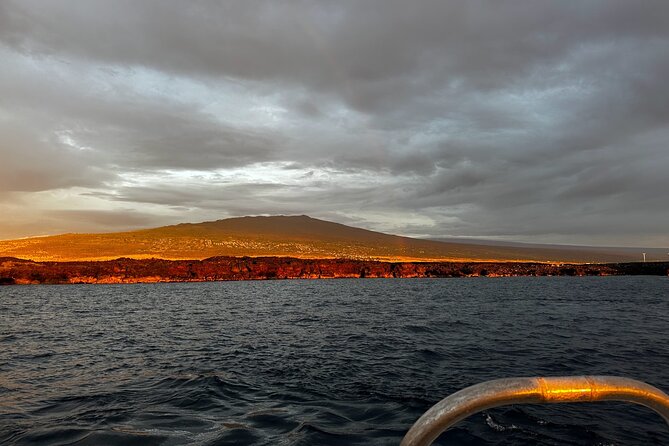
The sunset portion gives you a chance to stay dry and enjoy the coast before the main event. From the upper deck, you can watch the light change over the water, then head below to put on your wetsuit and prepare for the night session.
Bring a warm layer for the return trip. Even if the water feels fine when you first enter, you will be wet on the ride back, and several people found the evening air chilly, especially in winter. A sweatshirt, jacket, or large towel is a small addition that can make the last part of the trip much nicer.
Getting ready for the 45-minute manta session
The crew provides a wetsuit jacket, snorkel equipment, and a flotation noodle. The wetsuit offers warmth and helps with buoyancy, but it is not a substitute for swimming ability. You must know how to swim to take part in the water activity.
At the manta site, the crew sets up a bright light board in water about 30 to 35 feet deep. You hold onto the floating board or use a noodle between your legs while looking down toward the light. Guides remain in the water with you and supervise the group.
This setup is easier than a long open-water swim because you remain at the surface and have something to hold. It can still feel challenging if you are nervous in dark water, not a strong swimmer, or uncomfortable sharing a floating platform with many people. Guides have helped nervous adults and children get from the boat to the light board, but you should be honest about your swimming ability before departure.
Children must have an adult with them. Children under five must provide their own life vest. Families may also want to bring a properly fitted child-size snorkel vest, since the supplied gear may not fit every child equally well. The activity has a maximum of 30 people, so the number of swimmers in the water can be substantial.
Other reefs and snorkel spots around Big Island of Hawaii:
- KONA Manta Ray Night Snorkel – FREE re-ride if no Sightings
★ 5.0 · 2,212 reviews - Manta Ray Night Snorkel at Kona, Big Island
★ 5.0 · 1,758 reviews - Kona Snorkel Tour: Captain Cook Reef Snorkel, Dolphin & Sea Caves
★ 4.5 · 1,411 reviews - Kailua Kona: Night Manta Ray Adventure on the Big Island
★ 4.8 · 1,199 reviews
Watching the manta ballet below you
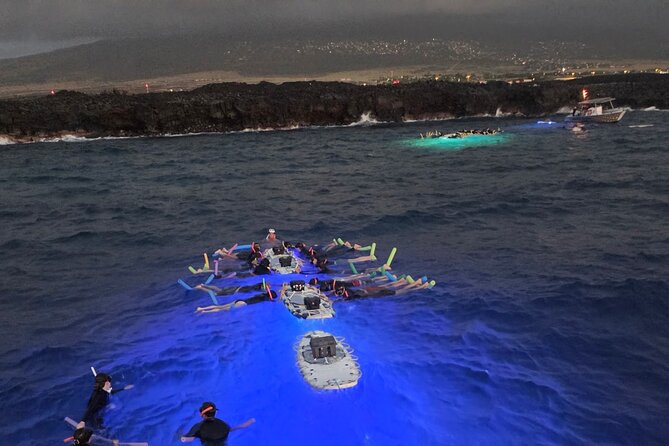
Once the lights are on, plankton gathers in the illuminated water. The mantas approach to feed, often swimming directly over the board before turning away and circling back.
You may see one ray or a group of many. Some outings have produced three rays, while especially active evenings have brought sightings of 10 to 14. The number varies because this is a wildlife encounter, not a scheduled performance. The sighting guarantee protects you from a completely empty night, but it cannot promise a certain number of animals or a particular length of close viewing.
The best approach is to stay calm and keep your position. The animals are attracted to the light and food, not to you. Sudden movement can make the experience harder for you and less orderly for the group. Let the guides position everyone around the board, then look down and wait.
The tour describes the encounter as respectful and passive. Do not reach out to touch a manta, even if one comes close enough to brush past you. The animals are wild, and giving them room is part of responsible wildlife viewing.
The crew also shares facts about manta biology and behavior during the outing. Names associated with the operation include Lena, Mattie, Allie, Rory, and Justice, though your crew may be different. The strongest praise has gone to crew members who stay patient with nervous swimmers, help children move safely, and keep explaining what you are seeing.
Comfort, crowding, and seasickness
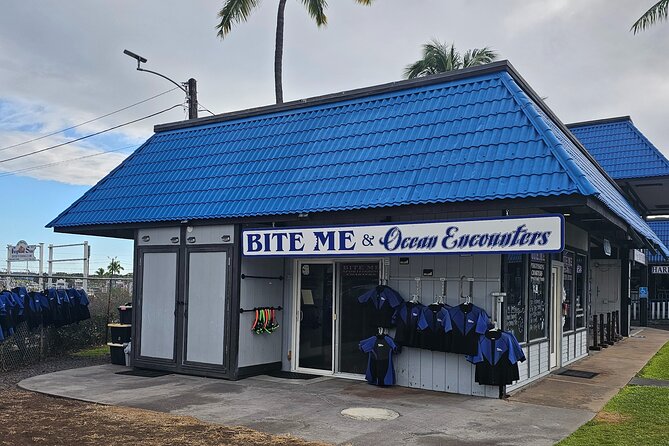
The experience earns strong marks for the manta encounter and crew support, but you should understand its limits. A boat carrying up to 30 people is not an intimate private charter. The light board can become busy, and several swimmers may be holding on at once.
That does not ruin the activity for everyone. The board gives you a stable place to float and keeps the group centered over the best viewing area. Still, if you want plenty of personal space, ask the operator about quieter departure options or consider a smaller boat.
Seasickness is the main practical risk. Even calm-looking water can make someone ill, and the boat ride is long enough for symptoms to develop. Bring or take your preferred motion-sickness remedy before leaving. The company also sells options such as adult and children’s Dramamine, patches, and pressure-point wristbands at its location, but it is wiser to plan ahead.
The crew provides water and dry snacks. These are light refreshments, not a meal. Rice Krispies treats and similar snacks may be welcome after swimming, but eat a proper meal earlier if you need substantial food.
Gear sanitation is another sensible question for any shared-water activity. Equipment is provided and sanitized between uses, but you can bring your own mask or snorkel if that gives you greater peace of mind. A waterproof phone case is useful if you want pictures, though handling a phone in dark water can distract from the animals and make it harder to hold the board.
The ride-along choice for non-swimmers
You can enjoy the boat without entering the water. This is useful for a family member who cannot swim, feels uneasy in open water, or simply wants to watch the sunset and manta activity from the deck.
The ride-along option is not the same as being face to face with a ray. The clearest views come from the water at the light board. Still, the upper deck and boat surroundings let a non-swimmer take part in the evening rather than staying behind.
Do not confuse the ride-along option with permission for an incapable swimmer to enter the ocean. The stated requirement is that participants must know how to swim. Children and adults who need substantial help should discuss their abilities with the operator before departure.
Is $80 a good value?
At $80 per person, the price is reasonable for a two-and-a-half-hour outing that includes a boat trip, guide service, wetsuit, snorkel gear, flotation equipment, water, snacks, and a guaranteed manta sighting. Comparable wildlife experiences can cost more once equipment rental and boat fees are added separately.
The value depends on what you want from the boat. If you mainly want a calm, small-group charter with lots of space, a maximum of 30 passengers may not feel ideal. If you want an accessible way to reach the manta site without arranging gear, this package covers the major needs.
You also receive the sunset on earlier departures, which adds scenery without a separate cost. The voucher promise offers some protection if the animals do not appear, though you must have enough time in your Kona schedule to use another tour.
The trip is often booked about 22 days ahead. That is a useful planning guide, especially for family trips, holiday weeks, and preferred sunset departures. Book early, then confirm the exact start time one day before you go.
Who should book this Kona manta snorkel?
I would recommend it to confident swimmers, families with older children, couples, solo visitors, and anyone who wants a close wildlife encounter without a long daytime snorkel. It is especially good for people who enjoy watching animal behavior rather than chasing a checklist of fish.
You should think twice if you are highly prone to motion sickness, dislike crowded water activities, or need a very quiet and private boat. You can still ride along, but the strongest part of the experience requires entering the ocean and holding onto the light board.
Free cancellation is available up to 24 hours before the start time. Changes or cancellations within 24 hours are not refunded. Poor weather or failure to meet the minimum number of passengers can cancel the outing, in which case you are offered another date or a full refund.
Should you book it?
Yes, if your Big Island plans include one memorable night on the water and you can swim comfortably. The combination of sunset, bright underwater lights, and giant mantas moving close beneath you is unusual enough to justify a place in your Kona schedule.
Book with realistic expectations. This is a shared boat, the sea may make you sick, and the water can feel cold after sunset. Take motion-sickness precautions, bring warm clothes and a towel, confirm your departure time, and consider your own snorkel gear if you prefer it. If those details suit you, the $80 price buys a strong wildlife experience and a very good chance to see Kona’s famous manta rays at close range.
FAQ
Where does the manta snorkeling tour meet?
You meet at Bite Me Sport Fishing, 74-425 Kealakehe Parkway, number 1, Kailua-Kona, Hawaii 96740.
Is hotel pickup included?
No. You must make your own way to the meeting point at Honokohau Harbor.
How long does the activity last?
The full experience lasts about two hours and 30 minutes. The manta snorkeling portion lasts about 45 minutes.
Do I have to enter the water?
No. You can choose a ride-along option and enjoy the boat and scenery without snorkeling.
Do I need to know how to swim?
Yes. Anyone who enters the water must know how to swim.
What equipment is provided?
The tour provides wetsuits, snorkel equipment, flotation noodles, bottled water, and snacks.
Can children participate?
Children can participate when accompanied by an adult. Children under five must provide their own life vest.
What happens if no manta rays appear?
Manta sightings are guaranteed. If you do not see any, you receive a voucher for another tour.
Can I cancel for a full refund?
Yes, if you cancel at least 24 hours before the local start time. Cancellations or changes within 24 hours are not refunded.
Just added in Big Island of Hawaii
- Hilo Shore Excursion: Active Volcano, Lava Tube, Waterfall and Gardens★ 5.0 · 393 reviews
- Volcano Adventure: Hilo Sightseeing w/ Optional Helicopter Tour★ 4.5 · 412 reviews
- Zodiac Raft Whale Watching Adventure★ 5.0 · 456 reviews
- Whale Watching On The Big Island★ 5.0 · 573 reviews
- Kealakekua Bay Snorkeling Tour – 4 hour Kona Zodiac Adventure★ 5.0 · 508 reviews
- Big Island, Hawaii: Volcanoes National Park Safari★ 4.5 · 545 reviews
- Small Group Big Island Twilight Volcano and Stargazing Tour★ 5.0 · 1,619 reviews
- Hawaii Volcanoes, Waterfalls, Beaches & Hilo Highlights Day Tour★ 5.0 · 391 reviews
Snorkeling, Shark & Manta Ray Tours, compared.
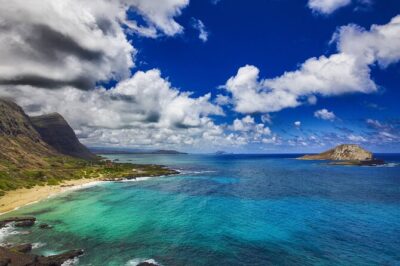
Grand Tour Around Island 16 Locations plus Snorkeling
Read our review →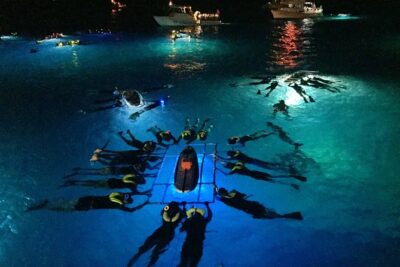
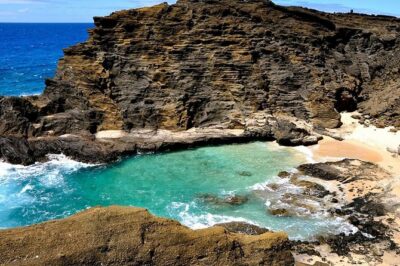
Oahu’s Ultimate Tour: Dole, Turtle Snorkel, Pali Lookout & More
Read our review →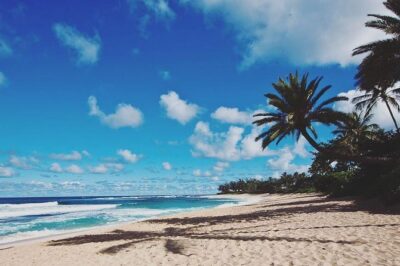
Oahu Circle Island Tour with Turtle Snorkeling— Small-Groups
Read our review →
Waikiki, Hawaii: Turtle Canyon Snorkel Excursion
Read our review →
Shell Island Snorkel and Dolphin Catamaran Cruise with Island Time
Read our review →
Turtle Canyon Snorkel Adventure in Waikiki, Oahu
Read our review →
Browse the lists this tour appears in