
Reviewed · SNORKELING, SHARK & MANTA RAY TOURS
Manta Ray Snorkeling by Night in Kailua-Kona, Hawaii
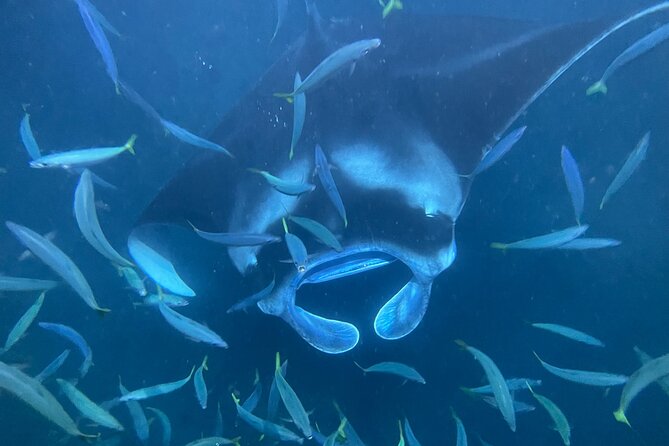
The magic here begins when a wild manta ray glides beneath you in the dark, its broad wings turning through the light like a silent underwater kite. Eka Canoe Adventures keeps the outing to 12 people or fewer, so you get a much closer connection to the water than on a crowded boat.
I like two things right away: the short canoe ride makes the trip feel special before the snorkeling even starts, and the crew uses purpose-built lightboards to draw plankton close to the surface. The main caution is simple: manta rays are wild animals, so sightings are not guaranteed, and the roughly one-hour outing can feel brief for the price.
Key points to know before booking
- Wild manta rays at night: You float in the ocean after dark while the rays feed on plankton attracted by underwater lights.
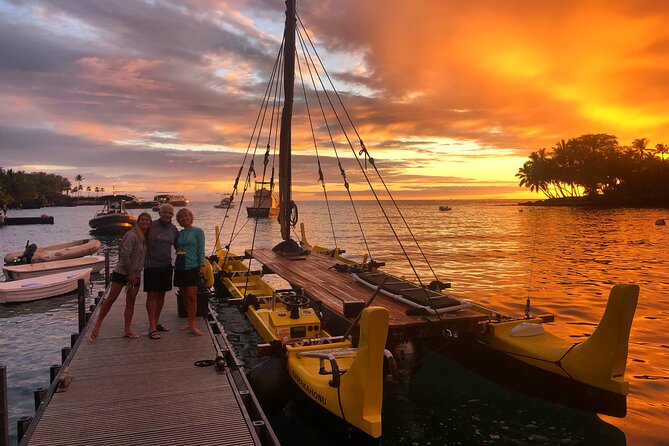
- Small Hawaiian canoe: The historically accurate double-hulled canoe carries no more than 12 people, with a short ride to the snorkel site.
- About 45 minutes in the water: The full outing is advertised at about one hour, while the operator describes some trips as roughly 1 hour and 15 minutes.
- Equipment is provided: You receive a wetsuit top, flotation aid, and standard or prescription snorkel equipment.
- Strong safety support: Guides help with boarding, entering the water, staying with the lightboard, and climbing back up the short ladder.
- No guarantee of manta rays: If none appear, Eka offers another chance on a different evening or a future Kona visit, subject to available seats.
Why Kona is one of the best places for a night manta snorkel
The Kona Coast is known for close encounters with manta rays, but the setting matters. After sunset, lights shine into the water and attract plankton. Manta rays then sweep through the illuminated area with their mouths open, feeding on the tiny organisms.
You are not visiting an aquarium, and that is both the thrill and the gamble. These rays are not fed, trained, or handled. They choose when and where to appear. On a good night, you may see several animals circling within inches of the lightboard. On a slower night, you may spend much of your water time waiting.
That uncertainty is worth understanding before you pay. The price is $127.10 per person, which is not cheap for a short activity. You are paying for a rare nighttime wildlife encounter, a small group, a specialized canoe, trained crew, insurance, safety equipment, and the chance to see one of Hawaii’s most memorable animals in its natural setting.
More Snorkeling Tours in Big Island of Hawaii
- Big Island Manta Ray Night Snorkel
★ 5.0 · 5,656 reviews - Big Island: Kona Manta Ray Snorkel Tour in Keauhou Harbor
★ 4.5 · 2,465 reviews - Big Island: Captain Cook Snorkel On A Power Catamaran With Lunch
★ 5.0 · 2,232 reviews
A short ride in a traditional-style canoe
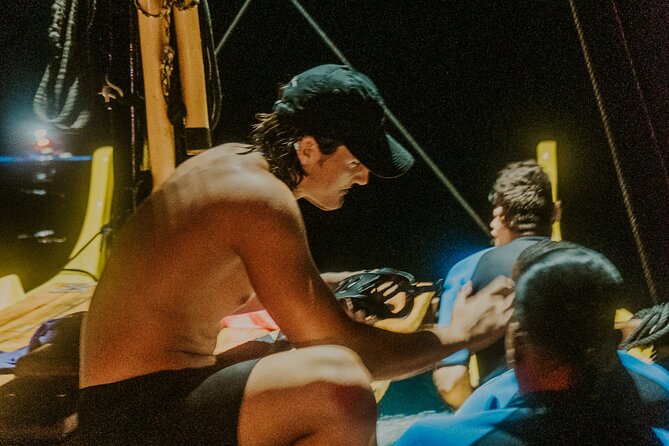
You meet the crew at 78-7130 Kaleiopapa Street in Kailua-Kona and check in with your small group. The canoe ride to the manta site is brief, which is useful if you are prone to seasickness, but it still gives the evening a character that a standard motorboat trip may not.
The craft is a historically accurate Hawaiian double-hulled sailing canoe. That detail is more than decoration. You begin the night with a quiet connection to Hawaiian canoe traditions rather than simply boarding a large vessel and waiting for the engines to carry you out.
The small size also matters. A maximum of 12 people means less crowding around the entry point and fewer bodies competing for the best view of the lightboard. The crew can keep a closer eye on the group, which is especially helpful when someone feels nervous about entering dark ocean water.
The canoe is not a luxury boat. You should expect a practical, open-air ride rather than cushioned seating or onboard food and drink. Coffee, tea, snacks, towels, and private transportation are not included.
Getting ready for the water
You need basic swimming ability and must be able to climb a short ladder without help. The crew provides the items that matter most once you are in the water:
- Wetsuit top for warmth
- Flotation devices
- Snorkel equipment
- Prescription snorkel equipment when needed
- Illuminated flotation boards used at the manta site
The wetsuit top is welcome because nighttime water can feel chilly, even in Hawaii. It does not turn the water into a bath, but it helps you stay comfortable during the waiting periods between manta visits.
The flotation aid is also important. You do not need to be an expert swimmer, but you do need to remain calm and follow instructions. Some people feel confident in a pool yet find open water at night more demanding. The board gives you something to hold while you watch below, though holding it for a long time can tire your arms.
One useful bit of planning: bring your own towel. Towels are not supplied, and you will appreciate having one for the ride back and the trip to your car. Motion sickness medication is also not included, so bring your own if you normally need it.
The main event, floating with the manta rays
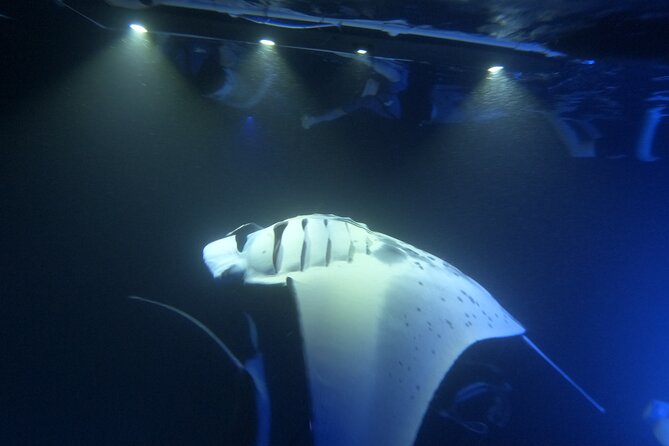
At the viewing site, the canoe comes close to the illuminated floatation board. You enter the water and move into position beside it, following the crew’s instructions. Some departures bring the board within a few feet of the canoe, which makes the transition less intimidating than swimming a long distance in open water.
The lights attract plankton, and the manta rays follow their food. The operator uses blue lights, which can look smaller or less bright from above than you might expect. The important point is how they work beneath the surface, where the plankton gathers.
Your position is mostly horizontal at the surface. Look down, stay with the board, and let the action come to you. The rays may pass beneath you, roll onto their sides, or turn upward with their wide mouths open. Their size can be startling at first, but the movement is graceful and controlled.
You may see one ray or several. Some nights produce repeated passes, with rays circling and returning again and again. Other nights have a slower start. One particularly useful detail from the operator is that the water portion typically lasts 45 minutes or more, even though the full outing is often described as about one hour.
That distinction helps you set your expectations. This is not a two-and-a-half-hour cruise. One dissatisfied customer expected a much longer trip, while the operator explained that the standard format is designed to provide substantial viewing time while limiting exposure to nighttime ocean conditions. If you want a long boat ride and an extended swim, choose a different format. If you want to get out, see the rays, and return without spending half the evening aboard, this shorter design may suit you.
Other reefs and snorkel spots around Big Island of Hawaii:
- KONA Manta Ray Night Snorkel – FREE re-ride if no Sightings
★ 5.0 · 2,212 reviews - Manta Ray Night Snorkel at Kona, Big Island
★ 5.0 · 1,758 reviews - Kona Snorkel Tour: Captain Cook Reef Snorkel, Dolphin & Sea Caves
★ 4.5 · 1,411 reviews - Glow of the Deep: Night Snorkeling with Manta Rays
★ 4.5 · 1,254 reviews
How the guides shape the experience
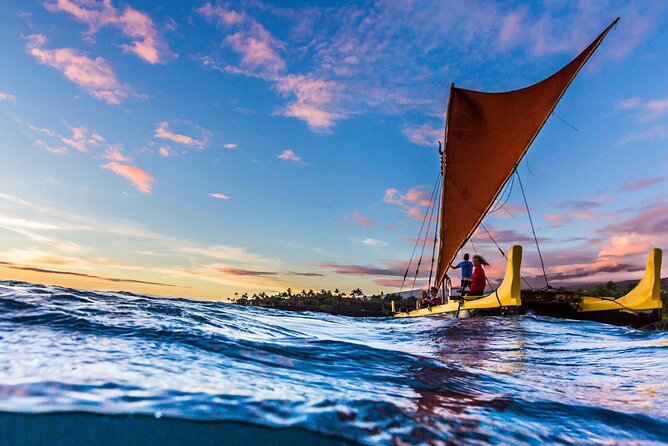
The crew does more than hand out masks. Guides explain how to enter and exit, check on people in the water, and help anyone who feels uncertain. Several crew members have been praised by name, including Ni’Koa, Kama, Chris, Kalala, Lance, Chaden, Beck, Tayler, and Rob.
The exact crew depends on your departure, but the pattern is clear: safety and encouragement are central to the operation. Guides have helped nervous swimmers get into the water, assisted people dealing with motion sickness, and offered narration while the group waited for the rays.
That support is particularly valuable because the setting can feel strange. You are floating at night, looking into black water, with only the lightboard and the moonlit sky for reference. A calm water guide can make the difference between spending the whole time tense and actually watching the animals.
The experience is not flawless for everyone. One person felt that the staff were too focused on talking with each other and not attentive enough, and also reported an arm injury. The operator said no injury had been reported during that outing. I would take this as a reminder to tell the crew immediately if you feel pain, fatigue, cold, or anxiety. Do not wait for someone to notice.
The small group is worth considering
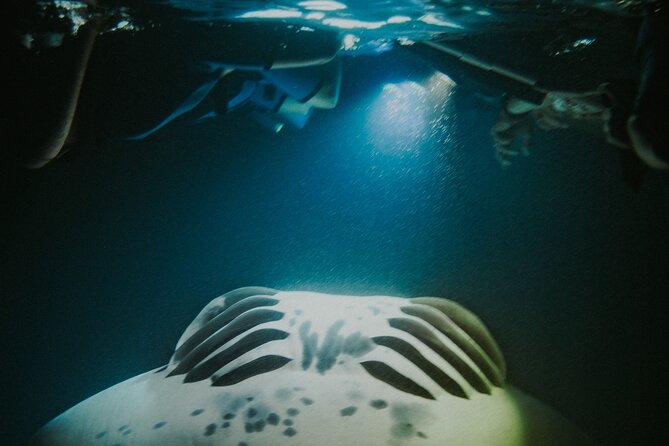
Small groups are one of the strongest reasons to choose this canoe trip. With 12 or fewer people, the board is less crowded, boarding is more orderly, and the water guide can keep track of everyone more easily.
That matters when a manta ray passes directly below. On a large boat, the animal may be surrounded by swimmers and competing cameras. Here, you have a better chance of seeing the full movement of a ray instead of peering between shoulders.
The small group also makes the canoe ride more personal. You can hear the crew more clearly, ask questions, and receive direct help. The tradeoff is price. Larger operators may offer lower rates or different schedules, but the savings come with a busier feel.
If you are choosing this for a family, check that every child is comfortable in the water and meets the minimum age of five. Children who can swim but are uneasy in dark water may still need extra support from an adult.
Timing, weather, and comfort
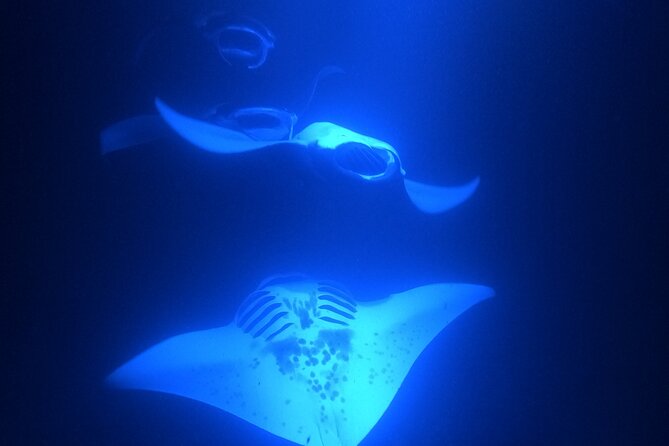
The activity runs at night because manta rays are most active around the lights after dark. Some departures begin around sunset, giving you the chance to see the sky change before the water portion. Later departures focus more directly on the nighttime encounter.
Weather affects the outing. Rain and choppy water can make the canoe ride and the snorkel less comfortable, even when the manta rays still appear. If poor weather forces a cancellation, you can choose another date or receive a full refund.
Bring a towel and plan your clothing for the return trip. There is no coffee, tea, or snack service, so eat beforehand if you know you get hungry after swimming. The operator does not provide private transportation, and the reminder text sent on the day of the activity includes parking and check-in instructions.
You can cancel for a full refund up to 24 hours before the start time. Cancellations or changes made less than 24 hours ahead are not refunded or accepted. Since the tour can fill well ahead of time, it makes sense to book early, especially if you have only a few nights in Kona.
The manta guarantee and its limits
No responsible wildlife operator can promise a manta ray appearance. The animals are completely wild, and they may take a night off. You still pay the operating costs for the canoe, crew, equipment, and safety systems even if the rays do not show.
Eka does not offer a refund simply because no manta rays appeared. Instead, the Manta Ray Guarantee gives you another chance on a later evening or during a future visit to Kona, subject to open seats.
That policy is fair to understand before booking. It protects the operator from losing money on a wildlife event outside its control, but it may not help if your vacation ends the next morning. If seeing a manta ray is the central reason for your trip, schedule this outing early in your stay so you have time to try again.
Who will enjoy this most
I would choose this outing if you want a focused, close-to-the-water activity and prefer a small group to a large boat. It is especially well suited to people who value the canoe setting, want a short ride to the site, and do not need food, transportation, or a long cruise.
It can also work for nervous swimmers because the crew provides flotation aids and stays involved. Still, you must be able to swim and climb the ladder unassisted. The trip is not recommended after recent surgery or for people with mobility or physical restrictions.
Strong swimmers should not assume the outing is effortless. Night water, a floating board, and repeated fin or arm movements can tire you. One person found the board tiring after waiting between manta visits. Use the flotation support, ask for assistance, and focus on steady breathing rather than trying to chase every animal.
Is $127.10 a fair price?
For a one-hour activity, the price will feel high if you judge it by minutes alone. The value improves if you count the small group, specialized lights, wetsuit top, prescription masks, crew support, canoe ride, and the unusual chance to watch wild animals from the surface at night.
This is not the right choice for a budget-minded person who wants a long day on the water. It is a reasonable choice for someone who sees the manta encounter as a special part of a Hawaii trip and wants fewer people around them.
I also like that the canoe itself is part of the outing rather than just transport. You get a distinct cultural and visual setting, then reach the viewing area in only a few minutes. That efficient format is one reason the price may make sense for you.
Should you book the Eka Canoe manta snorkel?
Book it if you want one of Kona’s most unusual wildlife activities in a small group, can swim, and are comfortable accepting that nature controls the schedule. The rays may come within inches, but no company can force them to appear.
I would book this early in a Kona stay, bring a towel, take the day-of parking text seriously, and leave room for a second attempt if the rays stay away. Choose it over a larger boat if the canoe, personal attention, and shorter format matter to you.
Skip it if you cannot enter or leave the water independently, dislike nighttime ocean conditions, or need a guaranteed wildlife sighting. For everyone else, the chance to float quietly while giant manta rays feed below is worth serious consideration, even with the short duration and no-refund policy for a ray-free night.
FAQ
Where does the manta ray snorkel start?
The meeting point is 78-7130 Kaleiopapa Street, Kailua-Kona, Hawaii 96740. The activity ends back at the same meeting point.
How long does the activity last?
The tour is listed as approximately one hour. The operator describes some departures as about 1 hour and 15 minutes, with actual time in the water typically lasting 45 minutes or more.
What equipment is included?
You receive a wetsuit top, flotation devices, and snorkel equipment. Standard and prescription snorkel equipment are available.
Are manta rays guaranteed?
No. The rays are wild and are not fed or trained. If no manta ray appears, Eka’s Manta Ray Guarantee offers another opportunity on a different evening or during a future Kona visit, subject to available seats. It does not provide a refund solely because no rays were seen.
What is the minimum age?
The minimum age allowed onboard is five years old. All participants must also be able to swim and climb a short ladder without assistance.
Can I cancel for a refund?
You can cancel up to 24 hours before the start time for a full refund. Changes or cancellations made less than 24 hours before the activity are not accepted or refunded. If bad weather or an insufficient number of bookings cancels the activity, you can choose another date or receive a full refund.
Just added in Big Island of Hawaii
- Hilo Shore Excursion: Active Volcano, Lava Tube, Waterfall and Gardens★ 5.0 · 393 reviews
- Volcano Adventure: Hilo Sightseeing w/ Optional Helicopter Tour★ 4.5 · 412 reviews
- Whale Watching On The Big Island★ 5.0 · 573 reviews
- Zodiac Raft Whale Watching Adventure★ 5.0 · 456 reviews
- Kealakekua Bay Snorkeling Tour – 4 hour Kona Zodiac Adventure★ 5.0 · 508 reviews
- Big Island, Hawaii: Volcanoes National Park Safari★ 4.5 · 545 reviews
- Small Group Big Island Twilight Volcano and Stargazing Tour★ 5.0 · 1,619 reviews
- Hawaii Volcanoes, Waterfalls, Beaches & Hilo Highlights Day Tour★ 5.0 · 391 reviews
Snorkeling, Shark & Manta Ray Tours, compared.
Grand Tour Around Island 16 Locations plus Snorkeling
Read our review →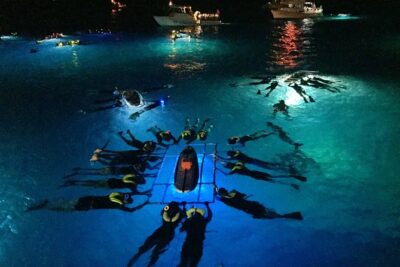
Oahu’s Ultimate Tour: Dole, Turtle Snorkel, Pali Lookout & More
Read our review →
Oahu Circle Island Tour with Turtle Snorkeling— Small-Groups
Read our review →
Waikiki, Hawaii: Turtle Canyon Snorkel Excursion
Read our review →
Shell Island Snorkel and Dolphin Catamaran Cruise with Island Time
Read our review →
Turtle Canyon Snorkel Adventure in Waikiki, Oahu
Read our review →
Browse the lists this tour appears in