
Reviewed · TOURS IN NEW YORK CITY
NYC: Gilded Age Mansions Guided Tour
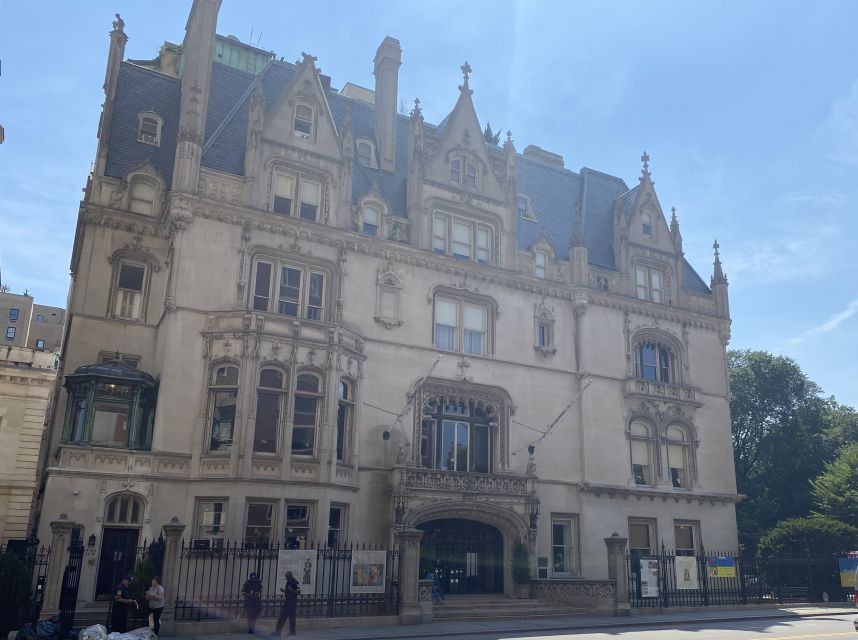
New York’s Gilded Age mansions were built as a public contest in stone, iron, and money. This two-hour walk takes you along Fifth Avenue near Central Park, into a few surviving interiors, and through stories of scandal, romance, murder, social ambition, and grand design. 972 Fifth Avenue is a key stop, while the main halls of Cooper Hewitt and the Metropolitan Museum of Art add useful indoor context.
I like two things right away: the guide uses old photographs on an iPad to show people and mansions that have vanished, and the best guides, including Matthew, Care, AJ, and Michael, bring real energy to the stories. The main drawback is simple: you see only a limited number of interiors, so this is primarily a street tour with selected entries, not a mansion-by-mansion house visit.
Key points to know before you book
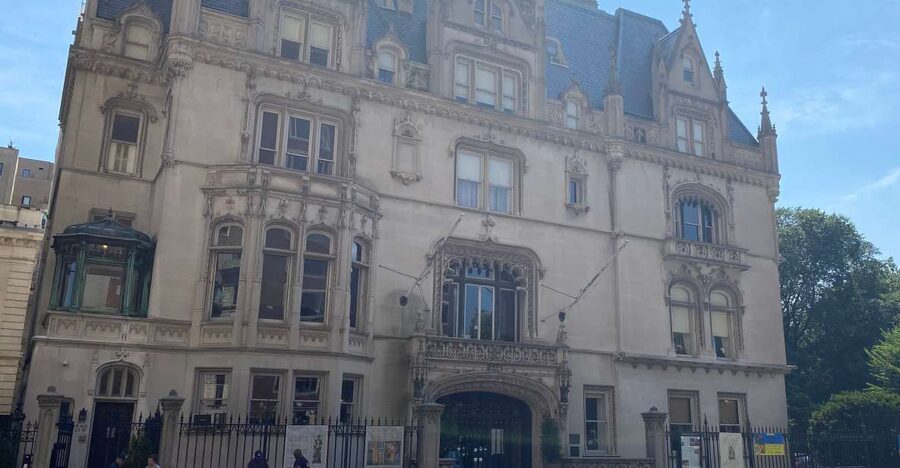
- 972 Fifth Avenue provides a rare interior visit: You step inside one of the surviving mansion spaces rather than viewing every building only from the sidewalk.
- The Cooper Hewitt and Met add indoor stops: Entry covers the main halls, but not the full museum exhibitions.
- Stories drive the walk: Expect social rivalry, architecture, romance, murder, and scandal, including material that will appeal to fans of HBO’s The Gilded Age.
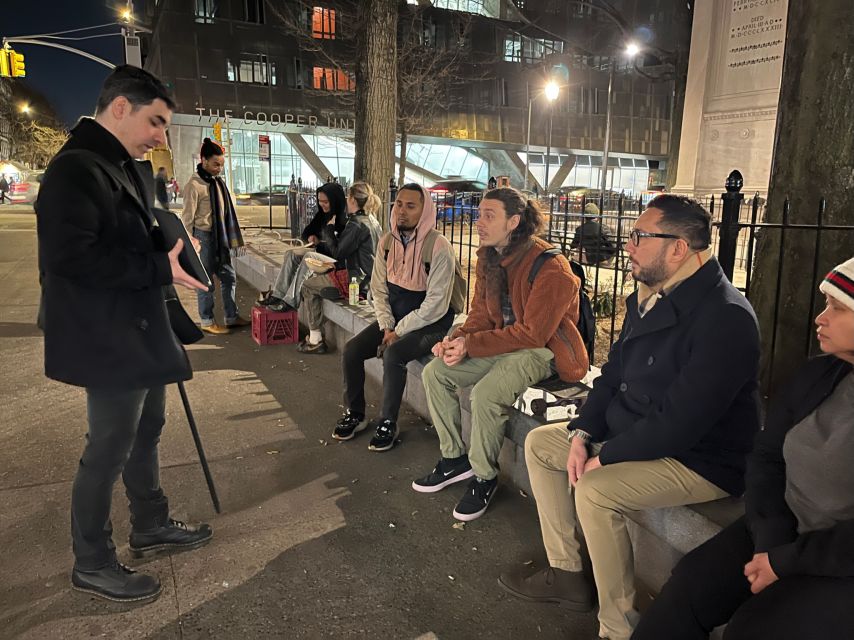
- Visual aids make lost New York easier to picture: Guides use iPad photographs of demolished buildings, residents, and major events.
- The pace is manageable: The tour lasts two hours and stays around Fifth Avenue and Central Park, with several stops rather than a long citywide march.
- The guide can make or break the experience: Matthew, Care, AJ, Michael, and Peter are among the guides praised for clear explanations, humor, and lively storytelling.
Why Fifth Avenue became America’s millionaire row
The Gilded Age, broadly the late 19th century into the early 20th century, was the moment when New York’s new industrial and financial fortunes became impossible to ignore. Families who had recently acquired enormous wealth built homes designed to prove that they belonged among Europe’s old aristocratic houses.
Fifth Avenue offered the perfect stage. Central Park had recently transformed the edge of Manhattan into a prized residential address, and a mansion facing the park could announce status to anyone passing by. The wealthy did not settle for a comfortable townhouse. They hired architects to create stone facades, grand staircases, formal rooms, and interiors inspired by European palaces.
That competition gives the tour its central idea. You are not simply looking at old buildings. You are reading a social message written in architecture. The size of a doorway, the materials on a facade, and the position of a home beside the park all tell you something about money and rank.
I especially like that the tour connects design to personality. These houses were not anonymous monuments. They belonged to men and women who wanted attention, feared social failure, hosted lavish events, and sometimes behaved badly behind closed doors.
A few more things to do in New York City worth a look
- New York in One Day Guided Sightseeing Tour
★ 5.0 · 13,166 reviews - Central Park Pedicab Guided Tours
★ 5.0 · 7,108 reviews - From NYC: Guided Day Trip to Washington DC by Van or Bus
★ 4.7 · 3,418 reviews
Meeting at East 78th Street and Fifth Avenue
The meeting point is at the stairs of the building on East 78th Street, just off Fifth Avenue. Check the exact starting time when booking, since the two-hour tour runs at scheduled times rather than as a free-flowing walk you can join at any hour.
Arrive ready to walk and to spend time outdoors. The route is concentrated around Fifth Avenue and the park, but you will stop repeatedly while the guide explains buildings and displays images. Comfortable shoes matter more than speed.
The tour is offered as a private or shared small-group experience. A shared group can add a social feel and often keeps the cost at the listed $40 per person. A private option gives your party more control over questions and pace, though the price structure may differ, so check the booking details before paying.
A useful practical point is sound. One guide, AJ, has used electronic earpieces so the group could hear clearly while standing near the buildings. Equipment can vary by guide or departure, but it is worth asking if hearing the commentary in city traffic is a concern.
972 Fifth Avenue, a rare chance to go inside
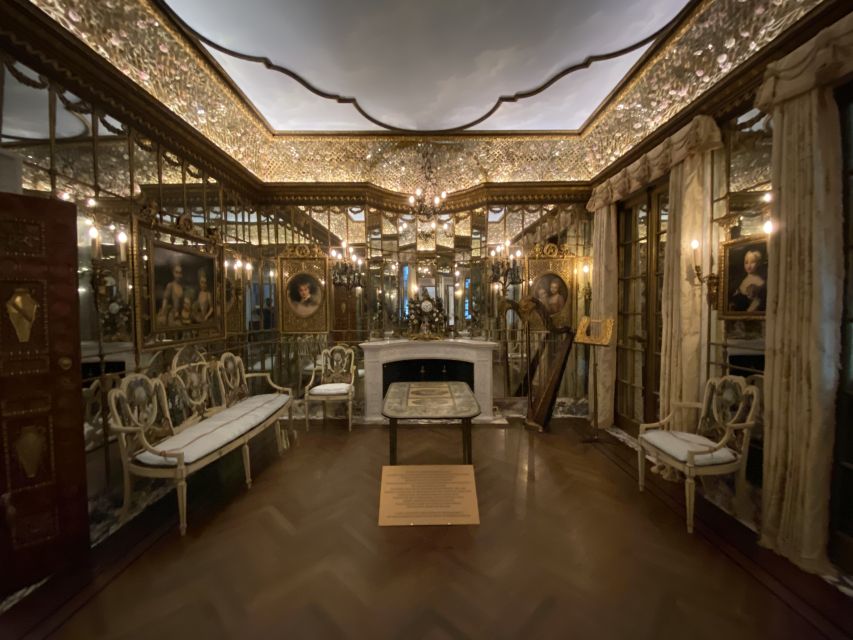
The entry at 972 Fifth Avenue is one of the strongest parts of the experience. Many Gilded Age mansions were demolished, divided into apartments, converted for institutional use, or altered beyond recognition. Getting beyond the sidewalk gives you a better feel for the scale and formality of these homes.
Do not expect a full private-house visit with every room open. The tour includes entry into the building, but access is limited. That limitation is important because the title may suggest a long sequence of furnished interiors. In practice, the experience combines a selected interior with exterior viewing and historical explanation.
Still, stepping inside changes the way you read the street. From outside, a mansion can look like an impressive block of stone. Inside, the proportions and entry spaces help explain how these families separated public life from private life. The architecture was designed for receiving, entertaining, and displaying wealth, not simply for daily comfort.
This is also where the guide’s visual material helps. A good explanation can show how a building looked at the time of its construction, who lived there, and what later happened to it. Without those photographs, you might see only a modern facade and miss the vanished rooms and neighboring houses that once formed the full scene.
Cooper Hewitt’s main hall and the role of design
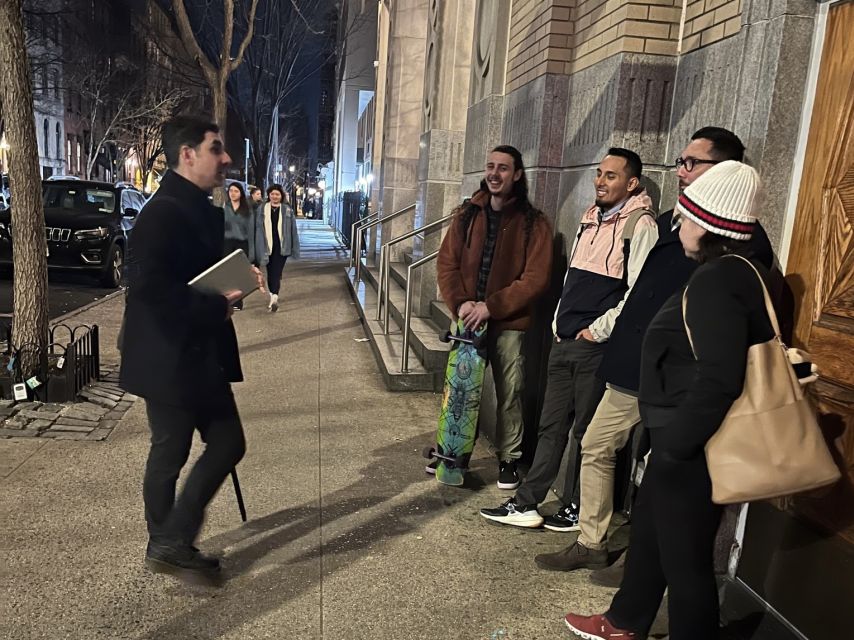
The tour includes entry into the main hall of the Cooper Hewitt Design Museum. This does not include admission to explore the museum’s exhibitions in full, so think of the stop as an architectural and design reference point, not a complete museum visit.
That distinction helps you plan the rest of your day. If you want to examine the museum’s displays, you need a separate ticket and additional time. The tour itself uses the main hall to keep the focus on design, architecture, and the way wealthy New Yorkers borrowed ideas from European courts.
I find this stop useful for visitors who want more than gossip. The scandals make the tour memorable, but the design discussion explains why these houses mattered. The Gilded Age was not only a parade of extravagant spending. It was also a period when American architects and clients experimented with grand styles, imported visual ideas, and created buildings unlike anything previously seen in the country.
The guide’s job here is to connect visual details with social purpose. A room or facade was not merely pretty. It helped establish a family’s place in New York society.
Same base, a different kind of day out:
- NYC: SUMMIT One Vanderbilt Tickets
★ 4.7 · 51,195 reviews - NYC: 9/11 Memorial & Museum Timed-Entry Ticket
★ 4.8 · 31,428 reviews - NYC: Empire State Building Tickets – Observatory & Museum
★ 4.7 · 25,757 reviews - NYC: Empire State Building Observation Deck Tickets
★ 4.7 · 22,072 reviews
The Metropolitan Museum of Art main hall
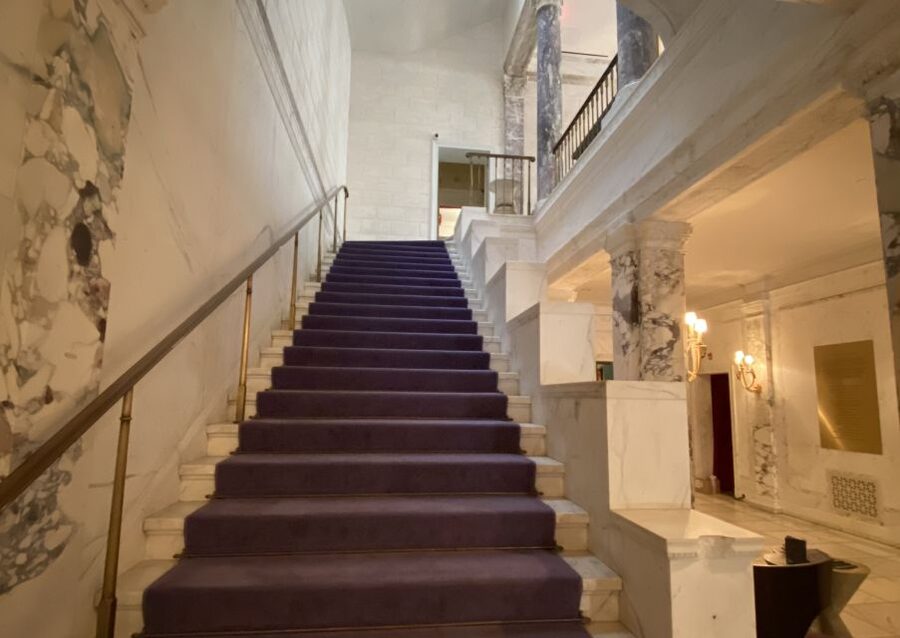
The route also includes the Metropolitan Museum of Art main hall. Again, the inclusion is limited to the main hall. A ticket to continue through the Met’s galleries is not part of the tour.
This makes the tour easy to pair with a museum visit, but allow enough time for the change of pace. One two-hour walk cannot also be a full Met day. If you plan to explore the museum afterward, treat the tour as an introduction to the neighborhood and the era, then continue independently.
The Met stop also gives the guide a chance to widen the story beyond one address. The people who built Fifth Avenue mansions were part of a larger culture of collecting, patronage, display, and social competition. The museum’s presence fits that story, even when you only visit the main hall during the guided portion.
One particularly practical itinerary idea is to take the tour first, then visit the Met and walk in Central Park afterward. The route keeps you close to major attractions, and the historical context can make your independent sightseeing more meaningful.
Scandals, murder, and the people behind the stone
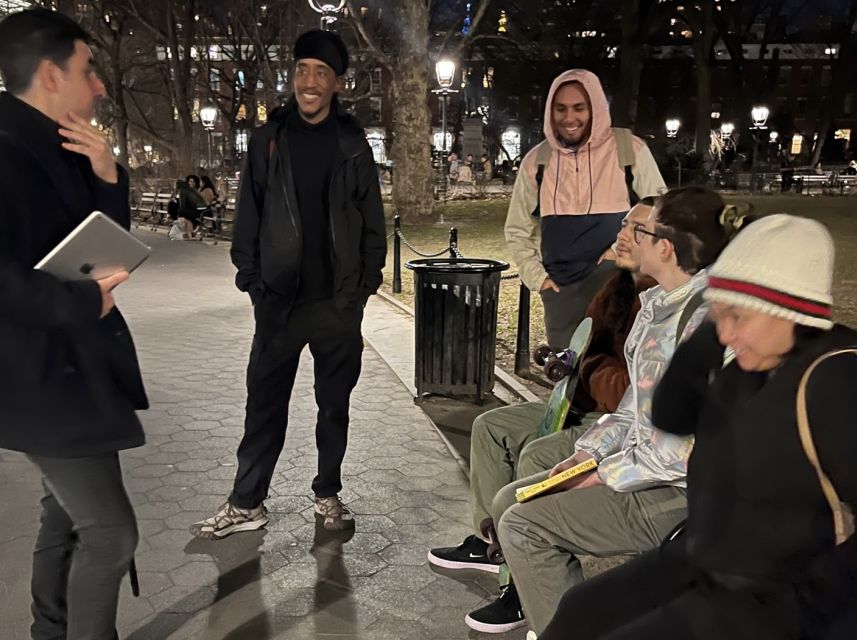
The tour promises drama, and it delivers that through stories of the people who owned, designed, or circulated through these houses. Expect tales of power, greed, love, generosity, and social maneuvering rather than a dry architecture lecture.
The Stanford White and Evelyn Nesbit scandal is one example highlighted by guides. It brings the period’s polished public image into uncomfortable contact with obsession, sexual politics, and murder. If you know the film or musical Ragtime, the story may feel familiar, though the guide presents it within the wider setting of Gilded Age New York.
This human focus is why fans of The Gilded Age television series tend to get more from the walk. The show provides fictional characters and dramatic plots, while the tour places that world beside real addresses, real design choices, and real social tensions. You can enjoy the tour without having seen the program, but the references add an extra layer if you have.
The guides do not all tell the material in exactly the same way. Matthew is often praised for his warm, organized delivery and ability to explain the period clearly. Care is known for humor, an easy manner, and strong storytelling. AJ brings photographs and, on some weekend departures, electronic listening devices. Michael has been described as especially passionate in his presentation, while Peter has accommodated special requests during the walk.
Because the experience depends heavily on the guide, the tone can vary. That is not necessarily a weakness. It means you may get a more theatrical storyteller, a more architecture-focused explanation, or a history-teacher style of presentation depending on the departure.
Using photographs to see the mansions that disappeared
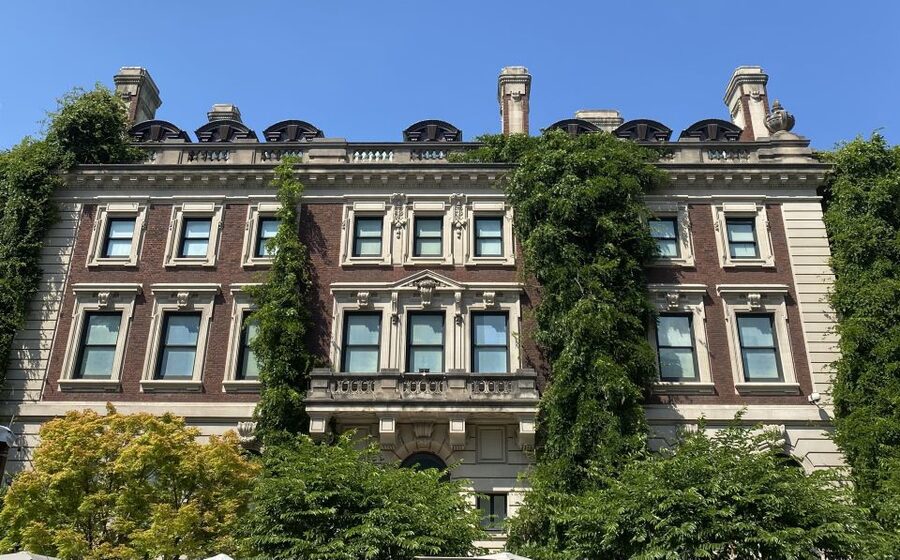
One of the smartest tools on this walk is the guide’s iPad. Photographs show former mansions, residents, social events, and buildings that no longer survive. This matters because Fifth Avenue’s present-day appearance can hide how much has been lost.
When a guide points to a surviving facade, you can study the stone and windows in front of you. When the guide then shows a historic image, the neighborhood becomes easier to imagine as a continuous line of grand homes beside the park. You see not only what survived, but also the scale of the destruction and change.
The visual aids are especially helpful for people who do not already know New York architecture. You do not need to remember a list of names or styles. The photographs give you a face, a house, or an event to connect with the explanation.
I would still keep expectations in check. An iPad screen is small, and a group may need to gather close to see it. In a large shared group, your position near the guide can affect how easily you follow the images. Ask to see the photograph if you miss a detail.
How much walking is involved?

The tour lasts two hours and is described as a nicely paced walk, not a punishing hike. The route stays among multiple Gilded Age mansions along Fifth Avenue and near Central Park, with frequent stops for commentary.
You should still wear comfortable shoes. Cold, wind, or rain can affect the outdoor portions, and the buildings are best appreciated when you are not distracted by sore feet. One departure took place on a cold and windy day, yet the guide kept the group engaged, which suggests the storytelling carries the experience, but weather remains a real consideration.
The route is wheelchair accessible according to the activity information. Since access inside historic buildings can involve specific conditions, confirm any personal requirements when booking.
The duration is well judged for most visitors. Two hours gives enough time for context without turning the subject into an all-day lecture. If you want a longer look at museums or Central Park, you can continue on your own afterward.
Is $40 a fair price?
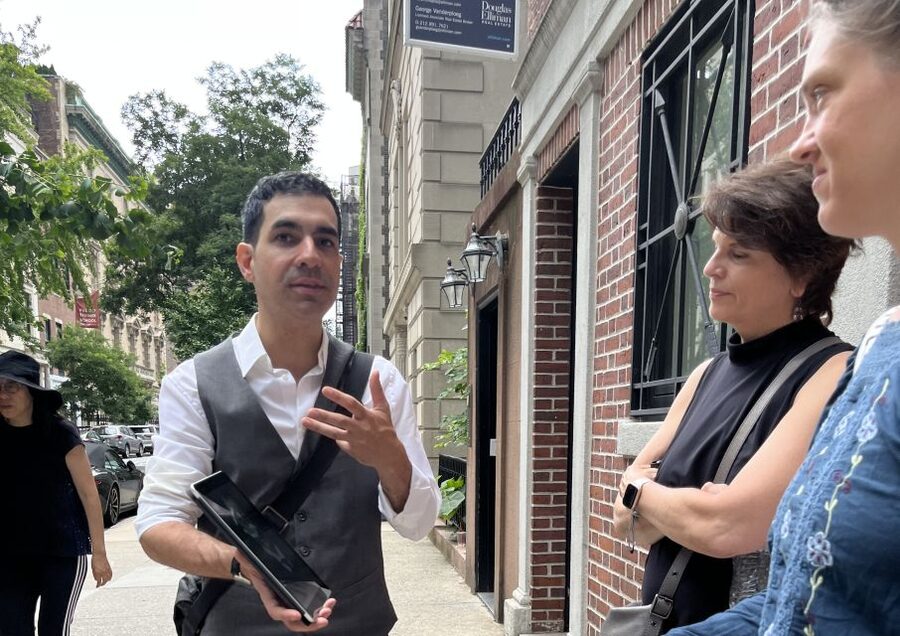
At $40 per person, the tour is reasonably priced for a live two-hour walk with a guide, selected building entry, visual material, and access to the main halls of two major cultural institutions.
The value depends on what you want. If your main goal is to tour a large number of furnished mansions, the limited interior access may disappoint. You are paying for interpretation, access to selected spaces, and the guide’s ability to connect buildings, people, and events.
For me, the iPad images and strong storytelling are important parts of that value. Without them, you could walk this stretch of Fifth Avenue on your own and see impressive facades for free. The guide adds the vanished buildings, personal stories, design context, and links to the television series.
The price also works well as part of a larger Upper Manhattan day. Pair it with the Met, Cooper Hewitt, and Central Park, but budget separately for museum admission and food. Neither museum’s full exhibitions are included, and the tour does not provide hotel pickup, drop-off, food, or drinks.
You can cancel up to 24 hours in advance for a full refund, and the reserve-now, pay-later option helps if your New York schedule is still shifting.
Who should take this Fifth Avenue tour?
I would choose this experience if you enjoy architecture, social history, old New York, or the real stories behind period drama. It also suits visitors who want a short, focused activity rather than a full-day attraction.
Fans of The Gilded Age should book it for the connection between the show and actual New York places. The tour does not simply repeat television plots. It gives you the social setting and physical streets that make the period easier to understand.
It is also a good choice for a group of friends, a book club, or a family with older children who can follow a two-hour walking discussion. Several guides are praised for answering questions and keeping larger groups involved.
I would hesitate if you need extensive interior access or dislike standing outdoors. The mansions are the subject, but many are viewed from the street. You should also confirm the group format if you want a private experience.
Should you book the NYC Gilded Age Mansions Guided Tour?
Book it if you want the stories behind Fifth Avenue’s grand houses, not just a photo of an ornate facade. The combination of surviving interiors, museum halls, iPad images, and tales of scandal gives the walk more substance than a simple architecture stroll.
At $40, it is a good buy for a history-minded visitor who will use the tour as a starting point for the Met, Cooper Hewitt, and Central Park. Just remember the central tradeoff: the storytelling is the main event, while interior access is selective.
If possible, choose a departure led by a guide whose style suits you. Matthew, Care, AJ, Michael, and Peter have each brought different strengths, from humor and warmth to strong visual aids and careful historical detail. For a compact look at the money, ambition, and drama that shaped Fifth Avenue, I would put this tour on the shortlist.
FAQ
How long does the NYC Gilded Age Mansions Guided Tour last?
The tour lasts two hours.
How much does the tour cost?
The listed price is $40 per person.
Where does the tour meet?
Meet at the stairs of the building on East 78th Street, just off Fifth Avenue.
What language is the tour offered in?
The live guided tour is offered in English.
Does the tour include mansion interiors?
Yes. Entry into 972 Fifth Avenue is included, along with access to the main halls of the Cooper Hewitt Design Museum and the Metropolitan Museum of Art. Interior access is limited to the included areas.
Can I explore the Cooper Hewitt and Metropolitan Museum exhibits afterward?
Not with the tour admission. Separate tickets are required to explore the museums beyond the included main halls.
Is hotel pickup or food included?
No. Hotel pickup, drop-off, food, and drinks are not included.
Is the tour wheelchair accessible?
Yes, the activity is listed as wheelchair accessible. It is still sensible to confirm any specific access needs when booking.
Can I cancel the booking?
You can cancel up to 24 hours in advance for a full refund. A reserve-now, pay-later option is also available.
Just added in New York City
- Brooklyn Food Walking Tour: Local Eats & Family‑Run Shops★ 5.0 · 592 reviews
- All Inclusive Airport Departure Transfer NYC/ Brooklyn/Queens★ 4.0 · 342 reviews
- Brooklyn Bridge & DUMBO Food Tour: Local Eats & Landmarks★ 5.0 · 478 reviews
- New York City: Statue of Liberty & Ellis Island Guided Tour★ 4.2 · 1,031 reviews
- West Harlem: Gospel Church Service and Sunday Walking Tour★ 4.3 · 411 reviews
- Harlem: Central Harlem Sunday Gospel with Locals★ 3.9 · 499 reviews
- Manhattan: Statue and Skyline Cruise Aboard a Luxury Yacht★ 4.8 · 540 reviews
- SoHo, Little Italy, and Chinatown 2-Hour Guided Walk★ 4.6 · 566 reviews
Tours in New York City, compared.



Empire State Building Tickets – Observatory & Museum
Read our review →Empire State Building Observation Deck Tickets
Read our review →



Browse the lists this tour appears in