
Reviewed · HISTORICAL TOURS
Beneath The Streets Underground History Tour
Seattle’s original streets are not always where you expect them. On this one-hour Pioneer Square tour, you walk beneath today’s sidewalks through three old passageways, then return above ground to see how Seattle rebuilt and raised its streets in the 1890s. The story includes Coast Salish Peoples, the Great Fire, Skid Row, and the city’s role in the Klondike Gold Rush.
I like the tour’s small maximum group of 20 and its lively, unscripted guiding style. Guides such as David, Patti, Sarah, Imogen, and Jim are praised for mixing humor with solid historical detail. I also like that the route connects the underground spaces with modern Pioneer Square rather than treating them as a stand-alone curiosity.
The main catch is simple: this is not an hour spent entirely underground. The passageways are separate, so you walk above ground between them. If you expect a continuous subterranean city, adjust your expectations before you book.
Key points to know before you book
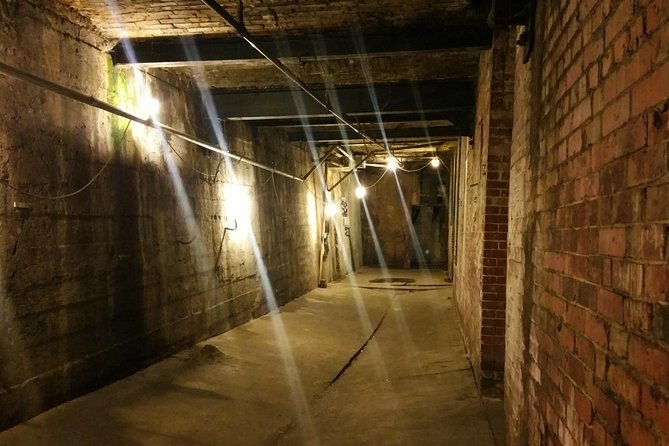
- Three separate underground passageways: You see sections of Seattle’s original street level, not one connected tunnel system.
- A history tour with plenty of personality: Guides are encouraged to tell stories in their own style, with humor and room for questions.
- A short, easy-to-fit schedule: The experience lasts about an hour and is offered at multiple times.
- Four blocks and three stair flights: You walk about half a mile at a relaxed pace, with stairs and uneven surfaces.
- Strong value at $29.03: The price is reasonable if you want context for Pioneer Square, not just a quick look underground.
- Rain-or-shine planning: Dress for Seattle weather, since part of the tour takes place outdoors.
Start at 102 Cherry Street and meet old Seattle
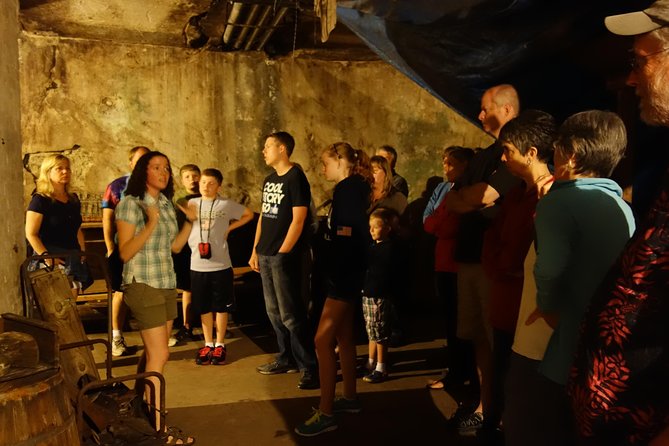
The tour begins at 102 Cherry Street, in the southwest corner of Seattle’s Pioneer Square. This is a useful starting point because the neighborhood itself is part of the lesson. You are not simply being led to a basement entrance. You are introduced to the city’s first major streets and the forces that changed them.
The focus is Seattle in the 1890s, when the young city was rebuilding, expanding, and trying to solve practical problems caused by its original layout. The guide explains how the city’s first street level relates to the one you see today. That above-and-below comparison gives the tour its shape.
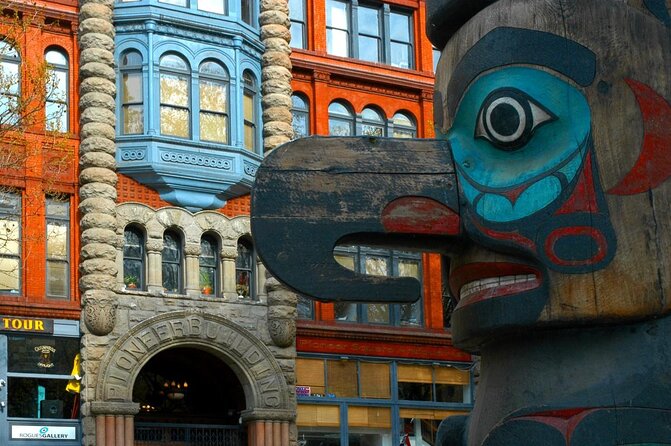
Before Seattle became a major American city, this area was connected to the Coast Salish Peoples, the Indigenous communities who first settled the region. The tour includes this part of the story rather than starting with later settlers and business owners. That matters because it gives you a fuller sense of whose home this was before the city took its modern form.
The guides receive continuing training through workshops on cultural traditions and history, including sessions with Native Tribal members and special historians. You should still expect a compact city tour rather than a long academic lecture, but the inclusion of Coast Salish history gives the opening section needed context.
Other history to see in Seattle:
- New York City: American Museum of Natural History Ticket
★ 4.5 · 15,447 reviews - History and Hauntings of Salem Guided Walking Tour
★ 5.0 · 14,564 reviews - Charleston’s Old South Carriage Historic Horse & Carriage Tour
★ 5.0 · 10,023 reviews
Three passageways beneath Pioneer Square
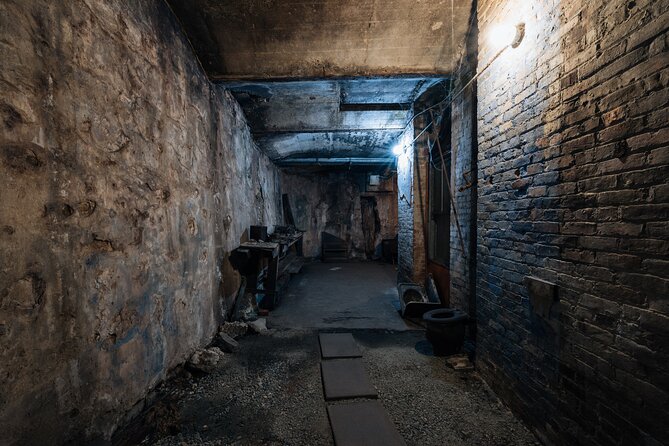
The underground spaces are the main attraction, but they work best when you understand what you are seeing. You walk through sections built more than 120 years ago, below the present-day streets of Pioneer Square. These are remnants of an earlier street level, preserved as part of the neighborhood’s unusual layout.
The route covers four blocks and includes three underground passageways. They are not connected to one another. That is why the guide brings you back outside between sections, and it is also why the experience feels like a walking history lesson rather than a continuous tunnel expedition.
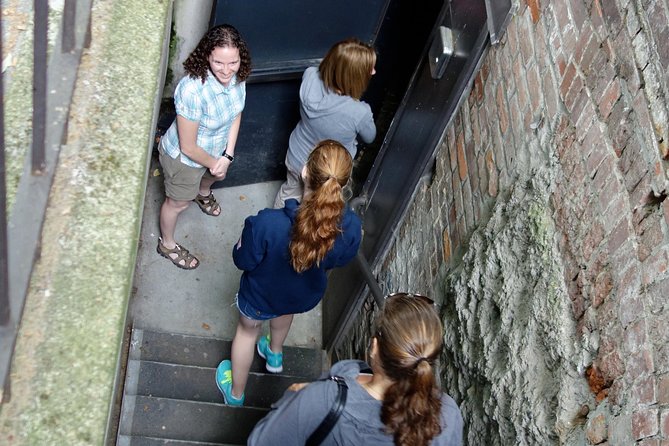
The underground areas are historic, not polished entertainment spaces. Expect stairs, older surfaces, and uneven ground. The tour includes three flights of stairs, up and down each flight, during the hour. Most people can take part, but comfortable shoes are a smart choice, especially if you are already spending the day walking around Seattle.
The passages are not described as especially cramped, and one account specifically found the experience comfortable even for someone with claustrophobia. Still, the word underground can create a different picture in your mind than the actual tour. You are visiting several low-level historic spaces, then walking outdoors between them.
Seattle’s Great Fire and the raised streets
One of the most useful parts of the tour is the explanation of why Seattle has an underground level at all. The city’s early streets and buildings were changed after the Great Fire, and rebuilding created the split between the original street level and the streets you use now.
Rather than treating the underground as a spooky oddity, the guide connects it to city planning, construction, and the practical effort to create a more workable downtown. You see how the lower level relates to the sidewalks and streets above. This makes Pioneer Square easier to understand later, even when you are simply walking past its brick buildings and broad sidewalks.
The tour also helps you compare old Pioneer Square with the neighborhood today. That comparison is one of the better reasons to book this experience early in your Seattle visit. It gives you a framework for reading the area instead of seeing only old buildings, restaurants, and public spaces.
Guides are not locked into a single script. That can be a strength when you get someone energetic and theatrical. David, Patti, Sarah, Imogen, and Jim are all praised for different versions of the same skill: turning dates and construction details into stories you can follow. It can also mean that the exact emphasis changes from one departure to another.
Skid Row, the Klondike Gold Rush, and city change
The stories extend beyond architecture. You hear about Skid Row, the worn urban district that served as a main street in Pioneer Square. This adds a less polished side to the city’s past and shows how the neighborhood’s fortunes changed over time.
The Klondike Gold Rush is another major thread. Seattle played an important role in the rush to the Yukon gold fields, and the city benefited from its position as a supply and departure point. The tour places that rush within the larger story of Seattle’s growth. It was not simply a lucky boom. It was part of a series of events that helped turn a small settlement into a major city.
The discussion may also touch on Prohibition and the uses of the underground spaces during that period. The exact balance of subjects depends on the guide, but the broader point remains clear: the lower levels were part of Seattle’s working life, not merely forgotten storage rooms.
I like this mix because it gives you several ways into the story. Architecture helps you picture the physical city. The Gold Rush explains its economic rise. Skid Row shows social change. Coast Salish history reminds you that Seattle’s story began long before the 1890s.
Same base, a different kind of day out:
- Chef Guided Food Tour of Pike Place Market
★ 5.0 · 3,733 reviews - Mt. Rainier National Park Highlights Tour
★ 5.0 · 3,156 reviews - Seattle: Guided Underground Walking Tour
★ 4.6 · 2,144 reviews - Seattle’s Original Guided Harbor Cruise
★ 4.5 · 2,077 reviews
Why the guides matter so much
The guide is the heart of this experience. The company permits guides to shape the tour in their own voices, and the strongest tours seem to benefit from that freedom. You may get a guide with a theatrical streak, a dry Seattle sense of humor, or a strong interest in construction and civic history.
David is praised for tying the above-ground and underground parts together. Patti is noted for enthusiasm and a gift for bringing old Seattle to life. Sarah has considerable experience with the tour, while Imogen is described as especially lively and dramatic. Jim is praised for combining a large amount of information with a fun presentation.
That variety can be a plus if you enjoy a tour that feels conversational. You can ask questions, and the guide may include material beyond the basic route. Several accounts describe the experience as funny, personal, and not overly scripted.
The tradeoff is that you cannot expect the exact same performance every time. If you prefer a tightly timed presentation with identical stops and wording, this may feel loose. If you like a guide who adjusts the storytelling to the group, that flexibility is part of the appeal.
The above-ground walking is part of the lesson
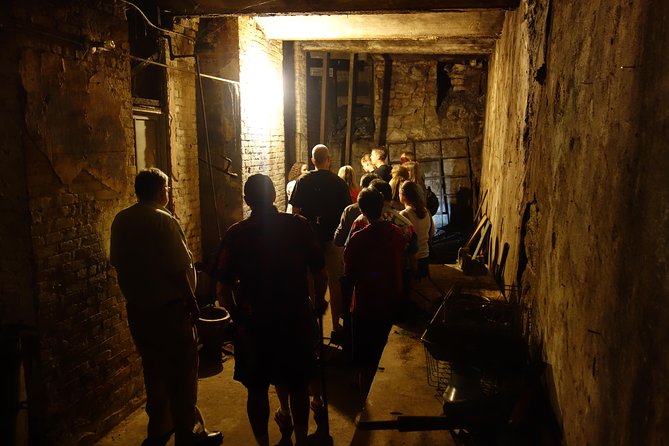
The outdoor sections are not filler. Since the underground spaces are separate, you need to walk between them, but the movement also lets you see Pioneer Square at both levels. The route covers about four city blocks, or roughly half a mile, at a relaxed pace.
That is manageable for most people, but you should not treat the tour as a seated attraction. You will be on your feet, climbing stairs, crossing uneven surfaces, and dealing with Seattle weather. The tour operates rain or shine, so bring a waterproof layer when the forecast looks doubtful.
The outdoor time also makes the tour easier for people who worry about enclosed spaces. You are never committed to a long tunnel system. The route alternates between open streets and historic lower-level areas, which creates a natural rhythm.
The final stop is Occidental Square, near the Union Trust Building at 119 South Main Street. Ending there gives you a useful location for continuing your day in Pioneer Square. You can also use the tour as an introduction, then explore the neighborhood at your own pace.
Is $29.03 a fair price?
At $29.03 per person, I consider this a fair buy for a focused Seattle history tour. You receive about an hour with a professional guide, access to three historic underground areas, and a walking introduction to one of the city’s most important neighborhoods.
The value depends on what you want. If you want a long underground expedition with many rooms and very little outdoor walking, the price may feel high because a noticeable part of the hour is spent above ground. One account felt there was too much talking and walking outdoors for the cost. That concern is reasonable, especially if the underground label is the main reason you are booking.
If you want a compact orientation to Pioneer Square, the price works better. You are paying for the guide’s storytelling and for access to spaces you would not understand as well on your own. The route also helps you make sense of Seattle’s unusual street levels, which is more useful than simply looking at an old tunnel.
The maximum group size is 20. That is small enough for a personal feel without making the tour private. Group size can affect how easily you hear the guide and ask questions, so this limit is a practical advantage.
Who will enjoy this Seattle tour?
I would recommend it to first-time visitors who want a short history experience near downtown. It is also a good pick for Seattle residents who know the modern city but have never explored the old levels beneath Pioneer Square.
Families can make it work. The route lasts only about an hour, and children as young as seven have enjoyed the presentation. Teenagers may appreciate the unusual setting and the stories about the Gold Rush, old streets, and underground spaces more than they would a standard museum talk.
History fans will get the most from it, especially if you enjoy urban development, old buildings, Indigenous history, and the way cities change after disasters. It also suits people who want a lively guide rather than a silent audio tour.
I would be more cautious if you have trouble with stairs, uneven ground, or extended standing. The tour is not described as strenuous, but three flights of stairs and half a mile of walking are part of the deal. Service animals are allowed, and the meeting area is near public transportation.
How to fit it into your day
Because the tour lasts about an hour and offers several departure times, it is easy to place between other Seattle plans. I would schedule it near the beginning of your time in the city if Pioneer Square is new to you. The stories can make later walks through the neighborhood more meaningful.
The tour ends at Occidental Square, so you can continue exploring Pioneer Square without retracing your steps. The Klondike Gold Rush museum is also nearby and makes a sensible follow-up if that part of the story catches your interest. A free museum visit can add more depth without adding another major cost.
Wear comfortable shoes. In winter, cover up well, since the outdoor sections can feel cold and damp. A light rain layer is wise at any time of year because the tour runs in wet weather unless conditions force a cancellation.
Book with a little flexibility. The tour requires at least two people to run, and a full refund is given if only one person has signed up. You can cancel up to 24 hours before the start time for a full refund. Cancellations or changes inside that window are not refunded or accepted, and local weather cancellations may lead to another date or a full refund.
Should you book Beneath the Streets?
Book this tour if you want a lively introduction to Seattle’s beginnings, with real underground spaces, a manageable walking route, and stories that connect Indigenous history, the Great Fire, Skid Row, and the Klondike Gold Rush.
Skip it if you want to spend nearly the entire hour below ground or if you dislike stairs and uneven surfaces. The underground areas are separate, and the outdoor walking is essential to the route.
For most visitors, the strongest reason to go is the guide. A good storyteller can make three old passageways feel like a window into the city’s past. At $29.03, that is a sensible price for an hour of history, provided you know you are booking a Pioneer Square walking tour with underground sections, not a continuous underground city.
FAQ
How long does the Beneath the Streets tour last?
The tour lasts approximately one hour. It covers about four blocks, or roughly half a mile, at a relaxed pace.
Where does the tour start?
The meeting point is 102 Cherry Street in Seattle, Washington 98104.
Where does the tour end?
The tour ends at the Union Trust Building at 119 South Main Street in Seattle’s Pioneer Square area.
How much of the tour takes place underground?
The route includes three underground passageways, but they are not interconnected. You walk above ground between them, so the experience is not spent entirely underground.
Are there stairs on the tour?
Yes. The tour includes three flights of stairs, with each flight traveled up and down. Uneven surfaces are also part of the route.
What happens if I need to cancel?
You can receive a full refund if you cancel at least 24 hours before the experience begins. Cancellations or changes made less than 24 hours before the start time are not refunded or accepted.
Just added in Seattle
- Seattle: Half-Day Wildlife and Whale Watching Cruise★ 4.3 · 378 reviews
- Seattle: Pike Place Market Chef-Guided Food Tour★ 4.8 · 847 reviews
- Seattle: Harbor Cruise with Local Guide★ 4.8 · 599 reviews
- Seattle: City Highlights Tour★ 4.7 · 416 reviews
- Seattle CityPASS®: Save up to 46% at 5 Top Attractions★ 4.6 · 742 reviews
- Seattle: Chihuly Garden and Glass Entry Ticket★ 4.8 · 374 reviews
- From Seattle: Mount Rainier National Park Guided Tour★ 4.8 · 412 reviews
- Seattle: City Sightseeing Hop-On Hop-Off Bus Tour★ 3.9 · 421 reviews
Historical Tours, compared.

Charleston’s Old South Carriage Historic Horse & Carriage Tour
Read our review →
Big Island in a Day: Volcanoes Waterfalls Sightseeing and History
Read our review →
Freedom Trail History Small Group Walking Tour
Read our review →
Historic Charleston Guided Sightseeing Walking Tour
Read our review →
Starship Landmark 90 Minute Sightseeing Cruise
Read our review →
Charleston Horse-Drawn Carriage Tour: Explore Historic Charleston
Read our review →
Savannah History and Haunts Candlelit Ghost Walking Tour
Read our review →Browse the lists this tour appears in