
Reviewed · 9/11 MEMORIAL TOURS
9/11 Memorial Museum Admission Ticket
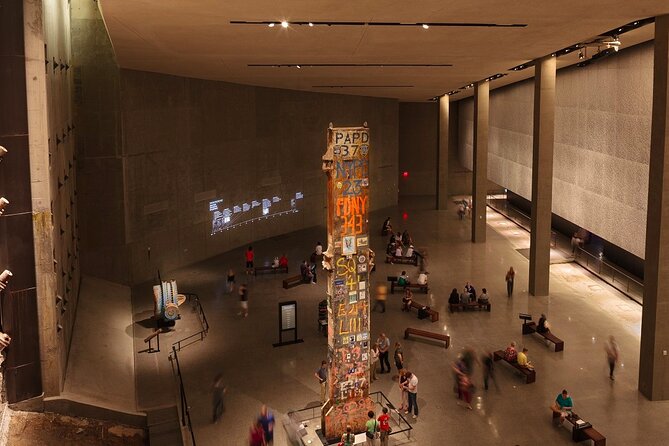
The most powerful part of this experience is its setting: the museum sits below the two reflecting pools that mark the footprints of the Twin Towers. Inside, artifacts, recordings, photographs, and personal accounts turn a distant news event into a series of human stories. I like the freedom to move at your own pace, and I like that the timed mobile ticket gives you a firm place in the entry line. The main thing to consider is the emotional weight. This is not a light stop between shopping and sightseeing.
I also like the museum’s clear structure. In Memoriam honors the 2,983 people killed in the 2001 attacks and the 1993 World Trade Center bombing, while the September 11, 2001 exhibition explains the day, its causes, and its effects. You may need more than the suggested two hours, and the no re-entry rule means you should take a break before leaving rather than plan to come back in.
Key points to know before you go

- The museum is below the Twin Tower footprints: Begin outside at the two reflecting pools, then continue underground into the galleries.
- Two major exhibitions shape the visit: In Memoriam focuses on the people who died, while September 11, 2001 explains the attacks and their aftermath.
- A timed mobile ticket helps with planning: Admission is reserved in advance, and you can enter using your phone after security screening.
- Plan for an emotional two to three hours: The museum includes difficult audio, images, testimony, and recovered objects.
- Pack light: Large bags, big umbrellas, and some backpacks must be stored, and you cannot re-enter after leaving.
- The $36 price buys time and flexibility: You can explore without a group schedule, but food, drinks, and optional audio equipment cost extra.
Arriving at the reflecting pools
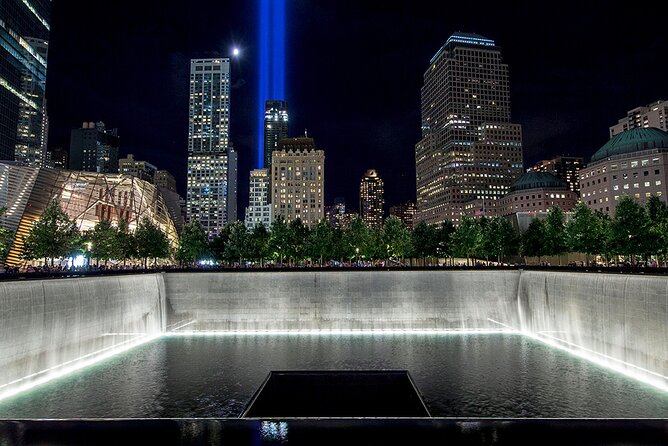
The visit begins at the National September 11 Memorial and Museum in Lower Manhattan. Before you go indoors, take time at the memorial pools. They occupy the footprints of the two towers, and the names of those killed are inscribed around the edges.
This outdoor pause matters. The museum is intense, and the memorial gives you a quiet place to understand the scale of the site before entering the galleries. I would not rush straight from another downtown attraction into the building. Give yourself a few minutes outside, especially if you are visiting with children or someone who remembers the attacks vividly.
The museum entrance is below the memorial. Your timed admission helps you plan the day, though every visitor must pass through airport-style security. A mobile ticket is accepted, so keep your phone ready and make sure the screen is easy to access.
The museum is wheelchair and stroller accessible. It is also near public transportation, which makes it a practical stop during a Lower Manhattan day. Service animals are allowed, and most people can take part without special arrangements.
Other places in New York City that tell the same story:
- NYC: 9/11 Memorial & Museum Timed-Entry Ticket
★ 4.8 · 31,428 reviews - 9/11 Memorial, Ground Zero Tour with Optional 9/11 Museum Ticket
★ 5.0 · 6,381 reviews - All-Access 9/11: Ground Zero Tour, Memorial and Museum, One World Observatory
★ 5.0 · 4,886 reviews
What the $36 ticket includes
The admission price is $36 per person. That is not a bargain basement museum ticket, but the visit is substantial. Your ticket includes timed entry to the National September 11 Memorial Museum and allows you to remain inside as long as you wish during that visit.
The real value is control over your time. You are not tied to a guide, fixed commentary, or group pace. You can pause at a photograph, listen to an account, move ahead when an exhibit becomes too difficult, or spend extra time in the memorial section.
Children ages six and under enter free. That can make a family visit easier to manage, though the subject matter still deserves careful thought. The museum includes painful images and stories, so you know your children best. Younger visitors may understand more than you expect, but they may also have many questions afterward.
Food and drinks are not included. There is a cafe and a store associated with the museum, but the admission itself covers entry only. Some visitors have found repeated donation requests and extra charges for audio equipment irritating, so keep your expectations clear: the basic ticket is a self-guided museum visit, not an all-inclusive package.
Inside the September 11, 2001 exhibition
The September 11, 2001 exhibition is the main place to understand the events as they unfolded. It is arranged in three parts that examine the day itself, the motives behind the attacks, and the effects that followed in New York and around the world.
You will encounter first-person accounts, multimedia displays, photographs, and physical objects connected with the attacks and rescue effort. The material does not treat the day as an isolated incident. It places the events within a wider story and then follows the changes that came afterward.
That broader view is one of the museum’s strengths. If you were alive in 2001, you may recognize some audio clips and images from television coverage. Even then, seeing them in the place where the events happened can make them feel different. If you were born later, the exhibition can help explain why the attacks shaped public life, New York City, and international affairs for years afterward.
Several parts are hard to process. You may hear family members speaking during the final moments of loved ones, and you may see objects recovered from the site. The museum does not hide the grief, but it also gives attention to courage, compassion, rescue work, and recovery.
You should allow time to stop and listen. The museum is not a place to hurry through while checking off another downtown sight. Two hours is a reasonable minimum, but three hours may suit you better if you want to hear more recordings and read the text carefully.
In Memoriam and the personal cost
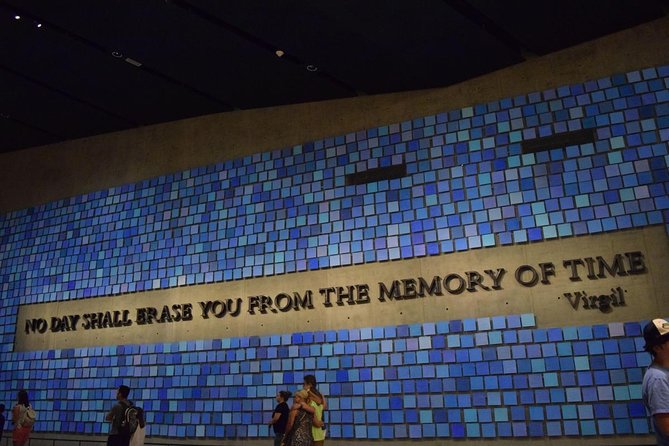
In Memoriam honors the people killed in the September 11 attacks and the February 26, 1993 World Trade Center bombing. This part of the museum shifts the focus from the broad event to individual lives.
Expect names, photographs, personal details, and accounts connected to the people who died. The effect is personal rather than merely historical. It reminds you that the number 2,983 represents parents, children, friends, coworkers, neighbors, and strangers who were known and loved.
This section can take longer than expected. You might arrive thinking you will move through it quickly, then pause over a photograph or a recorded memory. I recommend leaving extra time here rather than treating it as a final room before the exit.
The museum also recognizes people who risked their lives to save others and those who showed compassion in the aftermath. That balance is important. The visit is sad, but it is not only about destruction. Stories of first responders and ordinary people helping one another give the museum a human center.
Some people expect a larger collection of video footage or more personal documentaries. The museum uses audio and visual material, but its approach also relies heavily on objects, written accounts, and memorial presentation. If you want a fast, film-led account, the visit may feel slower and more reflective than expected.
Other tickets worth buying ahead in New York City:
- NYC: Edge Observation Deck Admission Ticket
★ 4.6 · 20,918 reviews - NYC: Museum of Modern Art (MoMA) Entry Ticket
★ 4.6 · 12,540 reviews - New York CityPASS®: Save up to 41% at 5 Top Attractions
★ 4.7 · 10,548 reviews - New York Explorer Pass: Top Attractions including Edge
★ 4.6 · 7,872 reviews
Artifacts, audio, and the boat lift video
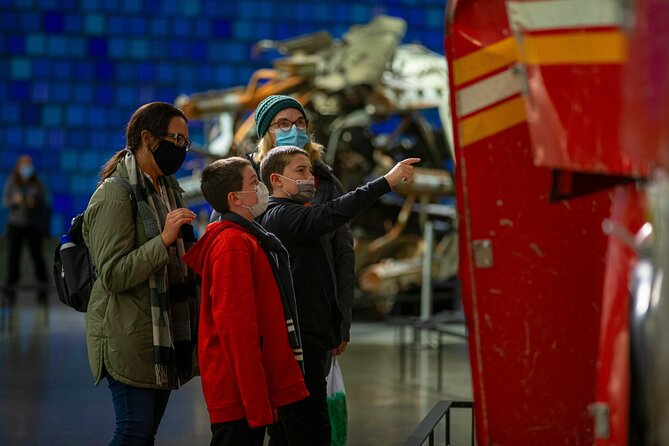
The physical artifacts make the event feel immediate. Objects from the site, damaged materials, and items linked to rescue and recovery show the force of what happened in a way that news footage cannot always manage.
You may also hear accounts from family members and see recordings that explain the day from several viewpoints. The use of real voices is one of the most affecting parts of the museum, particularly when you have a personal connection to the events.
One detail worth seeking out is the boat lift video. It documents how boats helped people leave Lower Manhattan after the attacks. It is a reminder that rescue was not limited to the famous scenes shown repeatedly on television.
A standard admission is self-guided. Some visitors choose additional audio equipment, but it is not included in the ticket price. You can still follow the exhibits without it, though an audio option may help if you are unfamiliar with the events or want more explanation.
Cell phone conversations are not allowed in exhibition spaces or theaters. Keep your phone available for the mobile ticket, then silence it once you begin the museum route. Photography is allowed for private, non-commercial use, but the setting calls for restraint. A camera can record what you see, but it cannot capture the reason for the visit.
How long to stay and how to pace the visit

The stated visit time is about two hours. Treat that as a starting point, not a strict limit. The ticket allows you to stay as long as you want, and some people need three hours to read the panels, hear the audio, and spend time in both main exhibitions.
I suggest this pace:
- Spend a few minutes at the outdoor memorial pools.
- Allow roughly two hours inside for a solid first visit.
- Add time if you want to hear many recordings or read every display.
- Leave room afterward to sit quietly or discuss what you saw.
There is no re-entry after you exit. This rule is easy to overlook and matters when planning your day. Eat, use the restroom, and gather your belongings before entering if possible. Large bags and other oversized items must be stored in the coat room, so a small bag will make the security process easier.
The museum can be part of a larger Lower Manhattan day, but do not place it between two tightly timed activities. The subject demands attention, and you may not feel ready to hurry on to the next stop. The nearby area has other attractions, including a shopping center across the street, but plan that for before or after rather than as a rushed follow-up.
Is it suitable for children and older visitors?

The museum is accessible for wheelchairs and strollers, and most people can participate. The building’s accessibility is useful, but the emotional content is the bigger issue for families.
Children ages nine and ten may have many thoughtful questions, particularly when they see photographs and hear personal accounts. That can make the museum an important learning experience, but you should be ready to explain difficult material in your own words. Very young children may not gain much from the detailed exhibits, even though those six and under enter free.
Older visitors who remember September 11 may find the experience especially personal. The museum brings back the uncertainty of that day, the television coverage, and the sense that ordinary life had changed. Give yourself permission to step away from a display or take a quiet pause.
The museum is also suitable for visitors who know little about the attacks. The three-part exhibition provides background, explains motives, and covers the local and global aftereffects. You do not need to arrive with a detailed knowledge of the subject.
Booking ahead and making the day easier

The experience is booked about 23 days in advance on average, which tells you that planning ahead is sensible. A timed ticket gives you a chosen entry window and makes it easier to fit the museum into a New York schedule.
Confirmation is sent within 48 hours of booking, subject to availability. The mobile format saves you from handling a paper voucher, but I would still charge your phone before leaving your hotel. Keep the ticket accessible until after security.
Free cancellation is available up to 24 hours before the experience starts. Canceling later or changing the booking within 24 hours does not qualify for a refund. That policy makes an advance reservation useful, but avoid booking a time that clashes with a hard-to-change tour or flight.
If plans remain uncertain, the cancellation window gives you some protection. Once you are inside, however, you cannot leave and return later on the same ticket.
Who should book this museum visit?
I would recommend it to anyone who wants to understand September 11 through real objects and individual stories rather than a quick outdoor memorial stop. It is especially useful if you were born after 2001 and want context for an event that shaped the world you grew up in.
It suits independent visitors who prefer to set their own pace. You can read closely, move on when necessary, and choose how much audio and video to hear. It also works for families with older children who are ready for serious questions.
It is less suitable if you want a cheerful attraction, a short stop, or a highly guided tour with constant commentary. The experience asks for quiet attention. Some areas may feel too restrained if you expect wall-to-wall footage or a large number of personal documentaries.
Should you book the 9/11 Memorial Museum?
Yes, if you are prepared for an emotional and thoughtful visit. The $36 ticket is reasonable for a museum that can occupy two to three hours, especially because you are free to explore without being pushed along by a group.
Book ahead if the museum is important to your New York plans, keep your bag small, and do not schedule another demanding activity immediately afterward. Go first to the memorial pools, then allow the museum’s voices, objects, and stories to set the pace. This is not simply a sightseeing stop. It is a place to remember the dead, recognize the people who helped, and understand why September 11 still matters.
FAQ
How long does the 9/11 Memorial Museum visit take?
The suggested visit lasts about two hours, but you can stay longer. Some visitors spend around three hours moving through the exhibitions and listening to the recordings.
What does the $36 ticket include?
The price includes a timed admission ticket to the 9/11 Memorial Museum. Food, drinks, and optional audio equipment are not included.
Can I enter using my phone?
Yes. The experience includes a mobile ticket, allowing you to use your device for direct entry after the required security screening.
Is the museum wheelchair and stroller accessible?
Yes. The museum is wheelchair and stroller accessible. Service animals are also allowed.
Can I leave and come back in later?
No. Re-entry is not allowed after you exit the building, so plan to complete your visit before leaving.
What is the cancellation policy?
You can cancel up to 24 hours before the experience start time for a full refund. Cancellations or changes made less than 24 hours in advance are not refunded or accepted.
More museums and galleries in New York City
- NYC: Empire State Building Tickets – Observatory & Museum
★ 4.7 · 25,757 reviews - New York City: American Museum of Natural History Ticket
★ 4.5 · 15,447 reviews - NYC: Intrepid Museum Entry Ticket
★ 4.7 · 4,687 reviews - NYC: Museum of Ice Cream Entry Ticket
★ 4.3 · 2,619 reviews
Just added in New York City
- Brooklyn Food Walking Tour: Local Eats & Family‑Run Shops★ 5.0 · 592 reviews
- All Inclusive Airport Departure Transfer NYC/ Brooklyn/Queens★ 4.0 · 342 reviews
- Brooklyn Bridge & DUMBO Food Tour: Local Eats & Landmarks★ 5.0 · 478 reviews
- Harlem: Central Harlem Sunday Gospel with Locals★ 3.9 · 499 reviews
- New York City: Statue of Liberty & Ellis Island Guided Tour★ 4.2 · 1,031 reviews
- West Harlem: Gospel Church Service and Sunday Walking Tour★ 4.3 · 411 reviews
- Manhattan: Statue and Skyline Cruise Aboard a Luxury Yacht★ 4.8 · 540 reviews
- SoHo, Little Italy, and Chinatown 2-Hour Guided Walk★ 4.6 · 566 reviews
9/11 Memorial Tours, compared.


9/11 Memorial, Ground Zero Tour with Optional 9/11 Museum Ticket
Read our review →
All-Access 9/11: Ground Zero Tour, Memorial and Museum, One World Observatory
Read our review →
NYC City Tour: Statue of Liberty, 9/11 Memorial, Wall Street
Read our review →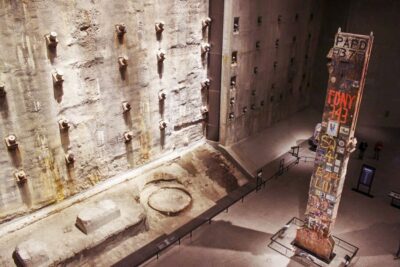

9/11 Memorial Tour and Optional Observatory Ticket
Read our review →
Wall Street Tour with 9/11 Memorial and Statue Ferry
Read our review →Browse the lists this tour appears in