
Reviewed · SNORKELING, SHARK & MANTA RAY TOURS
Manta Ray Night Snorkel at Kona, Big Island
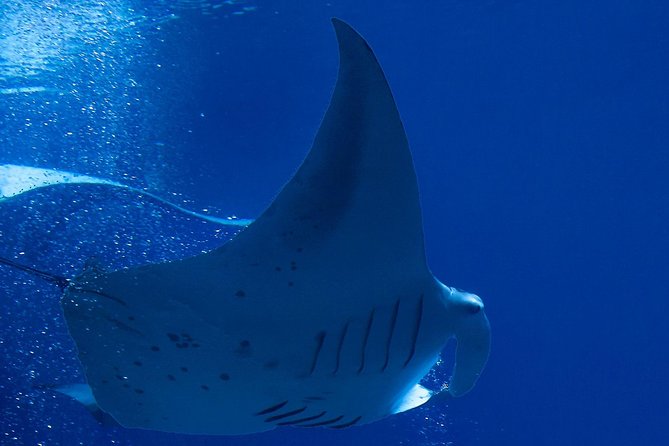
After dark, Keauhou Bay becomes a giant feeding room for manta rays. You float at the surface beside a lighted board while these graceful wild animals sweep below you, sometimes passing within inches. It is one of the Big Island’s most unusual wildlife encounters, and the short boat ride keeps the night focused on the main event.
I like the close viewing and the capable crew support. Guides such as Vinny, Bryce, and Ko’i have been singled out for calming nervous swimmers, explaining what is happening, and helping children stay comfortable. I also like that the company supplies a mask, snorkel, short-sleeve wetsuit top, and a flotation setup, so you need less equipment of your own.
The catch is simple: this is not a gentle boat cruise. You must swim, tread water, handle dark open water, and climb a metal ladder back onto the pontoon. Seasickness, rough water, crowded viewing positions, and a shorter-than-expected time in the water can all affect the evening.
Key points before you book
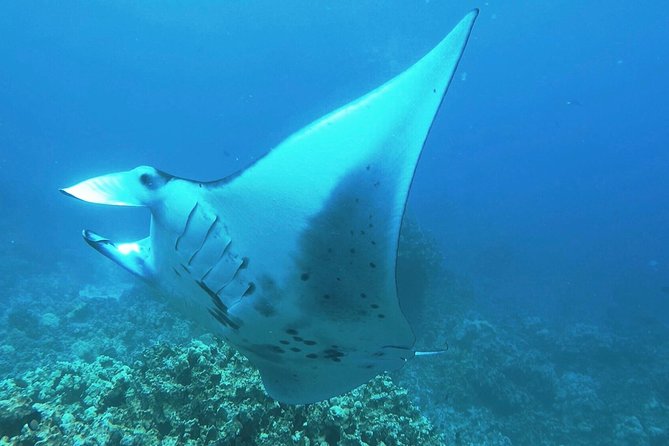
- Manta rays can pass within inches: You float at the surface while wild rays feed under the lights.
- Check-in is not departure: The listed tour time is check-in, and the boat leaves about one hour later from a point 1.4 miles away.
- Expect about 30 minutes in the water: The full outing lasts about two hours, including check-in, equipment, instructions, transport, and boarding.
- Swimming experience is required: This is an open-ocean night activity, not a first-time pool lesson.
- No fins are provided or allowed: You receive a mask, snorkel, wetsuit top, and flotation support.
- The $44 price is strong value: It covers the boat outing and equipment, but not transport to the dock, towels, or a private experience.
Why the Kona manta ray snorkel is so special
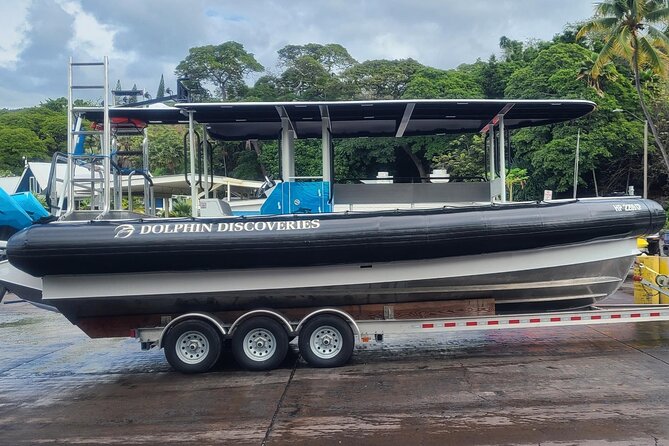
Manta rays are wild animals, not trained performers. That matters here. You are not visiting an aquarium with a guaranteed show. You are entering a dark stretch of ocean where lights attract plankton, and the manta rays arrive because feeding is worth their time.
The payoff can be remarkable. The rays glide, turn, and roll beneath the floating light board. Their wingspan makes them feel much larger than expected, yet their movement is calm and quiet. You might see one ray make repeated passes, or several animals work the lighted area at once. The company does not promise a sighting, and there is no refund simply because mantas stay away.
That uncertainty is part of the bargain. The activity has a 4.8 rating from 1,759 ratings, and 94 percent of customers recommend it, but those numbers do not erase the conditions of the sea. A calm evening may feel easy. Rough water can make the same 30-minute session tiring and uncomfortable.
The experience is best for someone who wants a real wildlife encounter and accepts a little physical effort. I would not choose it for anyone frightened by deep water, darkness, large animals, or open-ocean motion.
More Snorkeling Tours in Big Island of Hawaii
- Big Island Manta Ray Night Snorkel
★ 5.0 · 5,656 reviews - Big Island: Kona Manta Ray Snorkel Tour in Keauhou Harbor
★ 4.5 · 2,465 reviews - Big Island: Captain Cook Snorkel On A Power Catamaran With Lunch
★ 5.0 · 2,232 reviews
Check-in at Dolphin Discoveries, then a separate departure point
Your evening begins at Dolphin Discoveries, 78-6831 Ali‘i Drive, Suite F-146, in Kailua-Kona. This is the check-in and boutique location, not the place where the boat departs.
Pay close attention to the timing. The time shown when you book is the check-in time, and departure is scheduled about one hour later. The departure point is 1.4 miles from the check-in location, so you need to arrange your own transportation between the two. Hotel pickup and drop-off are not included.
Do not arrive early to check in, but do arrive no later than the assigned time. The staff uses this period to review safety information, complete the required electronic waiver, and fit everyone with equipment. You must then be at the departure location 20 minutes before the boat leaves.
This setup is easy to manage if you read the instructions carefully. It becomes stressful if you assume the listed time means boat departure. Give yourself enough time to move between locations, find parking, and walk to the ramp. One useful tip is to bring a change of clothes. You may be wet when you return, and the walk back to your vehicle can feel longer in the dark.
A short ride to the manta feeding site
Once everyone is outfitted and briefed, the boat ride to the viewing area is short. Several ratings describe a ride of roughly two to five minutes, though the total timing depends on the night and the group.
The boat carries up to 28 people. That is not a private outing, and the water can feel busy when several boats gather in the same area. You may be close to other swimmers around the lighted float, and noise or poor behavior from another person can affect the mood.
The crew takes you through the basic procedure before anyone enters the water. Listen closely. You will be in the ocean after dark, and the guides need everyone to understand where to hold on, how to move, and how to return to the boat.
The short ride is one reason this activity offers good value for its price. You are not spending most of the evening traveling to a distant site. The main time is spent preparing, swimming, watching the rays, and returning to the dock.
About 30 minutes holding the lighted board
The water portion usually lasts about 30 minutes, though some outings have felt closer to 15 or 20 minutes. The listed two-hour duration includes check-in, gear fitting, the safety briefing, transport, boarding, and returning equipment.
You enter from the pontoon and swim about 10 yards to the viewing position. There, you hold onto a lighted board or float while looking down into the dark water. The board attracts plankton, which in turn attracts manta rays.
You will not wear fins. The company provides a mask and snorkel, a short-sleeve wetsuit top, and flotation support. Children 12 and under receive a snorkel vest, while other swimmers can rent one. Holding the float does require some upper-body strength, especially if the water is moving.
The guides can help you find a better position and may move the group when the rays shift. The strongest part of the experience is the closeness. Mantas may pass below you, then curve upward and sweep back through the light. Some people describe them as nearly touching their masks.
Keep your camera use sensible. It is tempting to film every second, but staring through a viewfinder can make you miss the animal itself. I would record a little, then put the camera away and watch.
Other reefs and snorkel spots around Big Island of Hawaii:
- KONA Manta Ray Night Snorkel – FREE re-ride if no Sightings
★ 5.0 · 2,212 reviews - Kona Snorkel Tour: Captain Cook Reef Snorkel, Dolphin & Sea Caves
★ 4.5 · 1,411 reviews - Glow of the Deep: Night Snorkeling with Manta Rays
★ 4.5 · 1,254 reviews - Kailua Kona: Night Manta Ray Adventure on the Big Island
★ 4.8 · 1,199 reviews
The crew matters more than the equipment
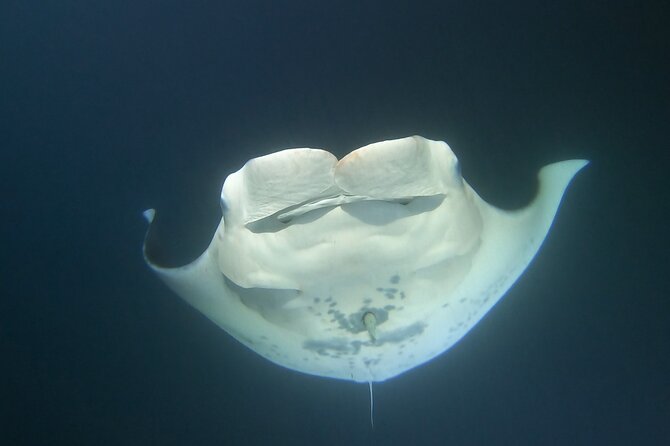
Night snorkeling can feel intimidating even for a decent swimmer. The water is black, the bottom is not visible, and the animals are much larger than most people expect. A calm, alert crew makes a major difference.
Guides named Vinny, Bryce, and Ko’i have received particular praise for clear explanations and steady support. The crew helps first-timers, keeps an eye on children, and can escort an uneasy swimmer back to the boat. If you need to leave the water early, tell a guide. You do not have to remain in the viewing area until the final minute.
The company also has discretion to refuse service based on attire, behavior, physical fitness, or medical condition. That may sound strict, but the rules protect you and the crew in an activity where instructions matter.
English is used during the tour. International visitors must be able to speak and understand English, and the company cannot call international phone numbers. Provide a working contact method and opt in to email and text messages, since important trip information may be sent that way.
What the conditions feel like in real life
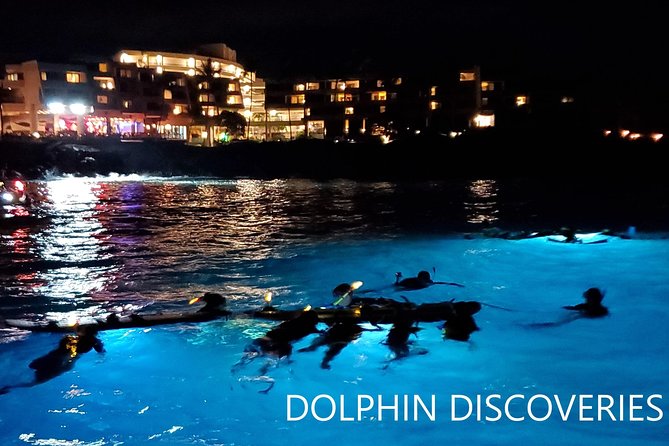
The physical rating is moderate, but your experience depends on fitness and ocean conditions. You need to swim and tread water, even though the float provides support. You also need enough strength and mobility to climb a metal ladder resting on the pontoon.
The tour is not suitable for people with neck or back problems, major medical conditions, or heart conditions. It is also not suitable if you are afraid of dark water or large animals. The company sets a maximum weight of 285 pounds.
Seasickness is the most practical concern. Motion can affect you on the boat and in the water, and some people have become very sick during the outing. If you are prone to seasickness, ask your medical professional about suitable preparation before the trip. Bring only what you need, and remember that there is no restroom on the boat.
Water conditions can also change the mood. A calm evening may feel simple, with a quick boat ride and an easy float. Rough water can make the same activity strenuous and may shorten the time spent at the viewing position. Poor conditions can cause a cancellation, in which case you can take another date or receive a full refund.
Children can participate, but nighttime changes the equation
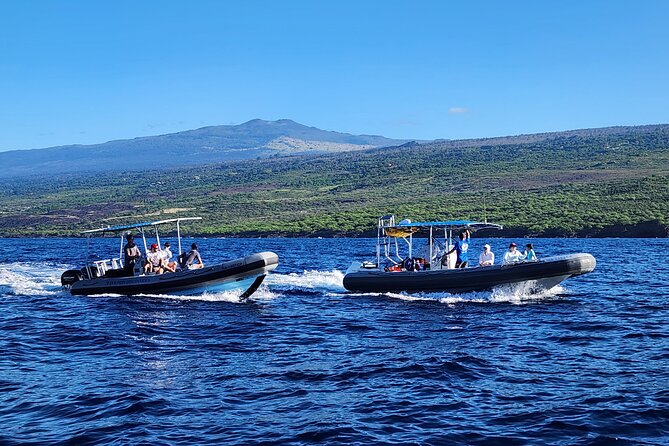
The minimum age is six and the maximum age is 70. Minors must remain with an adult at all times. Children 12 and under receive a snorkel vest, but they still need to know how to swim and tread water.
A young child may be fine in a pool and still panic in dark ocean water. Large manta rays moving close beneath the float can add another layer of fear. The company will return frightened, crying children to the boat with a guardian, with no exception.
For families, I would talk through the experience in plain terms before booking. Explain that the water will be dark, that they will hold onto a float, and that the rays are wild animals. A child who is excited by ocean creatures may love this. A child who dislikes nighttime, boats, or face masks may not.
Several family outings have worked well because the crew moved efficiently and helped children settle in. Still, the responsibility begins with the adult choosing the right child for the setting.
The $44 price and what it really covers
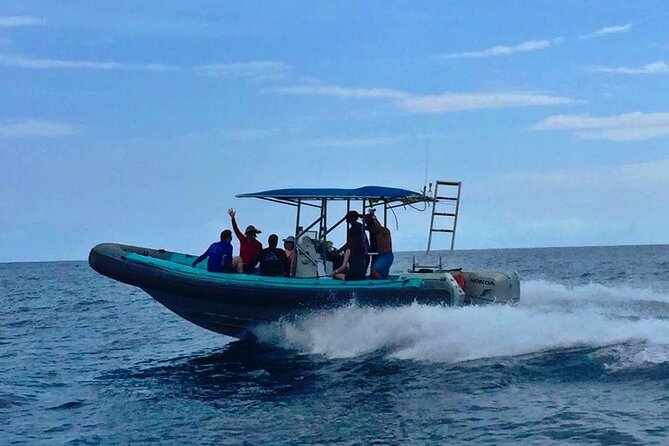
At $44 per person, this is an inexpensive way to reach a major Big Island wildlife experience. The price includes the manta snorkel or a ride-along ticket, depending on the option selected, plus the mask, snorkel, short-sleeve wetsuit top, and boat trip.
That is good value if you are a confident swimmer and the mantas appear. The boat ride is short, the equipment is supplied, and the central wildlife encounter can be extraordinary.
The price does not include hotel transport, private transportation, towels, or a private tour. You also pay for a reserved seat if you choose to ride along without swimming. Ride-alongs stay on the boat and may or may not see manta rays, so this option is best for someone who wants to accompany a swimmer rather than someone expecting the full viewing experience.
The group size can reach 28 people. For a quieter, more personal outing, you would need to compare other options, but this price point reflects a shared boat and shared viewing area.
A sensible plan for the evening
Wear clothing that can handle a wet return and bring a dry change for afterward. You will receive a wetsuit top, but towels are not supplied.
Read every timing note before leaving your hotel. Check in at the Ali‘i Drive location, move to the separate departure point, and arrive there 20 minutes before departure. Since transportation is not provided, plan your own route and parking.
Complete the electronic waiver before the outing if possible. Also watch for messages from the company, since weather and ocean conditions can affect the schedule.
For the water, follow the guides rather than trying to chase a manta. The animals are wild, and the safest, most respectful position is the one the crew sets for you. Avoid touching the rays and keep your movements controlled. You will see more by staying calm and looking up from your camera.
Free cancellation is available until 24 hours before the experience. Inside that window, the payment is not refunded, and changes are not accepted. Weather cancellations and cancellations caused by too few participants qualify for another date or a full refund.
Who should book this Kona night snorkel
I would book it if you can swim confidently, enjoy unusual wildlife encounters, and do not mind sharing the water with a sizable group. It is especially good for couples, families with water-comfortable children, and first-time snorkelers who want strong crew support without paying for a private boat.
I would skip it if you are prone to severe seasickness, cannot climb a ladder, have a serious medical condition, or feel genuine fear around dark water. You should also reconsider if your idea of a two-hour tour means two hours in the ocean. In practice, the water time is about 30 minutes and can be shorter.
For the right person, the value is excellent. The setting is close to shore, the equipment is included, and manta rays can come astonishingly close. Just book it with clear expectations: this is a wild, shared, weather-dependent ocean activity, not a guaranteed performance.
FAQ
Where does the manta ray snorkel begin?
Check in at Dolphin Discoveries, 78-6831 Ali‘i Drive, Suite F-146, Kailua-Kona, Hawaii 96740.
Is the check-in location the boat departure point?
No. The departure location is 1.4 miles from the check-in location.
Does the listed tour time mean boat departure?
No. The listed time is the check-in time. Departure is about one hour later, and you must be at the departure location 20 minutes before departure.
How long does the full activity last?
The activity takes about two hours, including check-in, equipment fitting, the safety briefing, and the ocean portion.
How long will I be in the water?
You should expect approximately 30 minutes in the water, though conditions and group timing can make the session shorter.
What equipment is included?
A mask, snorkel, short-sleeve wetsuit top, and manta snorkel participation are included. Fins are not allowed or provided.
Do I need to know how to swim?
Yes. All participating swimmers must know how to swim and tread water, and snorkeling experience is required.
Can I join without swimming?
Yes. A ride-along ticket allows you to remain on the boat, but you may or may not see manta rays.
What is the minimum age?
The minimum age is six, and minors must be accompanied by an adult. The maximum age is 70.
What happens if weather cancels the trip or no manta rays appear?
If poor weather cancels the activity, you can choose another date or receive a full refund. Manta rays are wild, and no refund is given if they are not seen.
Just added in Big Island of Hawaii
- Hilo Shore Excursion: Active Volcano, Lava Tube, Waterfall and Gardens★ 5.0 · 393 reviews
- Volcano Adventure: Hilo Sightseeing w/ Optional Helicopter Tour★ 4.5 · 412 reviews
- Whale Watching On The Big Island★ 5.0 · 573 reviews
- Zodiac Raft Whale Watching Adventure★ 5.0 · 456 reviews
- Kealakekua Bay Snorkeling Tour – 4 hour Kona Zodiac Adventure★ 5.0 · 508 reviews
- Big Island, Hawaii: Volcanoes National Park Safari★ 4.5 · 545 reviews
- Small Group Big Island Twilight Volcano and Stargazing Tour★ 5.0 · 1,619 reviews
- Manta Ray Night Snorkel Tour in Kailua-Kona, Big Island★ 5.0 · 382 reviews
Snorkeling, Shark & Manta Ray Tours, compared.
Grand Tour Around Island 16 Locations plus Snorkeling
Read our review →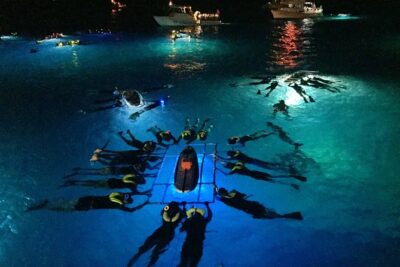
Oahu’s Ultimate Tour: Dole, Turtle Snorkel, Pali Lookout & More
Read our review →
Oahu Circle Island Tour with Turtle Snorkeling— Small-Groups
Read our review →
Waikiki, Hawaii: Turtle Canyon Snorkel Excursion
Read our review →
Shell Island Snorkel and Dolphin Catamaran Cruise with Island Time
Read our review →
Turtle Canyon Snorkel Adventure in Waikiki, Oahu
Read our review →
Browse the lists this tour appears in