
Reviewed · SNORKELING, SHARK & MANTA RAY TOURS
Kona Manta Ray Night Snorkel Adventure! Small Group
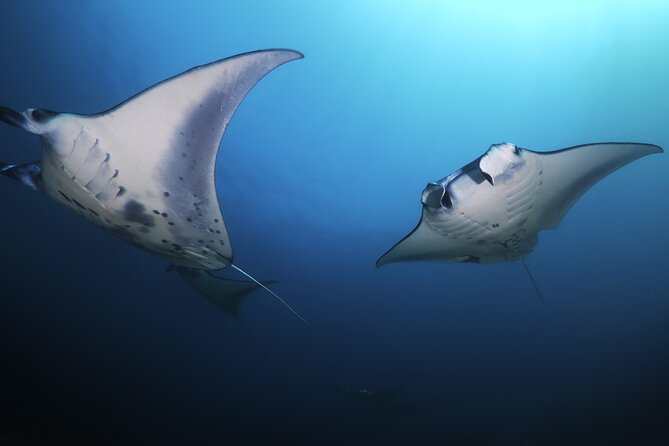
The main event is wonderfully simple: you float at the surface in the dark while manta rays sweep beneath and beside you, their pale undersides flashing in the lights. The light board gathers plankton, and the rays come in to feed, sometimes passing within inches of your face. I like the short run from Keauhou and the small boat, which gets you to the viewing site without a long open-water ride.
I also like the small-group setup, with up to 17 people and lifeguard-trained guides close at hand. The catch is that this is not a relaxed sightseeing cruise. You must already know how to swim and snorkel, climb a boat ladder on your own, and handle a fast, bumpy ride in the dark. Mantas are wild animals, so a sighting is never guaranteed.
Key points to know before booking
- Manta rays can pass within inches of your mask, sometimes circling the light board several times.
- The zodiac ride is fast and splashy, with a short trip to the site but potentially a rougher ride back.
- You float in one place for 20 to 30 minutes, holding the light board while plankton gathers below.
- The group is capped at 17 people, giving guides more room to help nervous swimmers.
- Basic swimming and prior snorkeling skills are required, along with the ability to climb a boat ladder.
- The $83.95 price is fair for a focused wildlife outing, but less appealing if rough water or cold night snorkeling will make you uncomfortable.
Why the manta encounter is so special
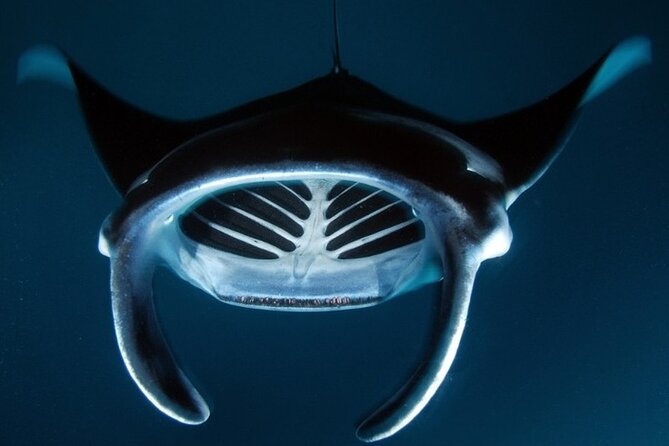
Kona’s manta night snorkel works because it brings food to the rays rather than chasing them. Powerful lights shine into the water, plankton gathers around them, and manta rays glide through the cloud with their mouths open. You are not feeding the animals or touching them. You are simply watching a natural feeding pattern from the surface.
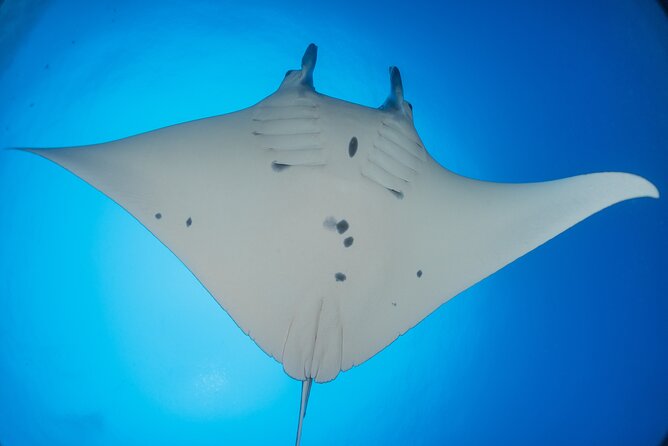
That makes the sighting feel close but still respectful. A ray may roll beneath you, turn on its side, and sweep past with its wide wings moving in slow motion. The best moments come when one rises toward the light board, gives you a clear look at its pale belly, then banks away.
You should keep your expectations sensible. Some outings see several rays, with reports of four, eight, or even more than ten animals in one session. Other nights may be quieter. The company clearly states that manta sightings cannot be guaranteed, and that is an important point when you are deciding how much of your evening to set aside.
The experience is not a conventional snorkel over coral. You are not swimming from reef to reef or covering a large area. You hold onto the custom light board and watch the action below. That fixed position lets you focus on the rays, but it can feel chilly and repetitive if you dislike floating in one place.
More Snorkeling Tours in Big Island of Hawaii
- Big Island Manta Ray Night Snorkel
★ 5.0 · 5,656 reviews - Big Island: Kona Manta Ray Snorkel Tour in Keauhou Harbor
★ 4.5 · 2,465 reviews - Big Island: Captain Cook Snorkel On A Power Catamaran With Lunch
★ 5.0 · 2,232 reviews
Starting at Keauhou and getting ready
You meet at 78-7100 Kaleiopapa Street in Kailua-Kona. Arrive on time. About 40 minutes is set aside before departure for preparation, instructions, and getting organized for the water.
This early period matters more than it may sound. A night snorkel is easier when your mask fits, you understand how to hold the board, and you know how to reboard the boat before you leave the dock. The guides and lifeguards explain the procedures and share facts about the rays and the local water.
The crew has included Captain Scott, Captain Danielle, Hunter, Daisy, Rob, Deanna, Spinner, and Ryan on different departures. Staffing can change, but the operation emphasizes certified captains, swim guides, and lifeguards. Guides are trained in lifeguarding and CPR, which is reassuring when you are entering dark water from a small boat.
The equipment supplied includes a mask and snorkel. Operational details describe snorkeling gear being provided, while some outings also use wetsuits because you can get cold while floating without much movement. Since the listed inclusions specifically name the mask and snorkel, ask ahead about wetsuit availability and fit if you are sensitive to cold.
Prescription masks are not available. If you need corrective lenses to see clearly, bring a solution that works for you or choose another activity.
The fast zodiac ride from shore
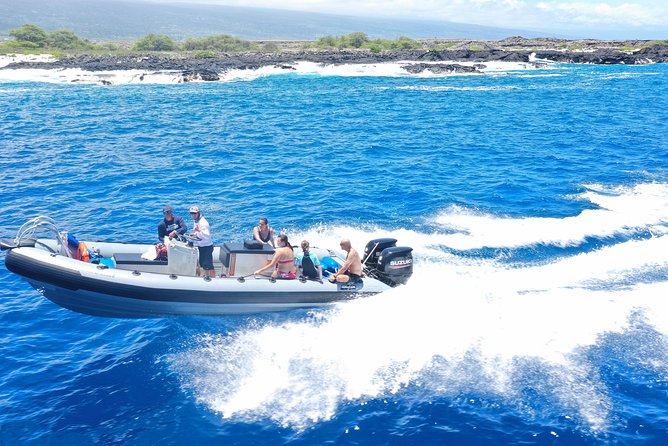
The boat ride is part of the character of this outing. You board a small, quick zodiac rather than a large snorkeling vessel. The planned ride to the viewing area is short, listed at about four minutes, though actual outings can feel longer depending on the departure point, sea conditions, and how the boat is operated.
Some accounts describe a 15 to 20 minute ride, so I would not plan your evening around the shortest possible timing. The ride can be bumpy and splashy. You need to hold on firmly, and anyone prone to seasickness should take that seriously.
The speed is fun for people who enjoy a little motion. The return can be especially lively, and the water may feel colder after you have been snorkeling. One practical point: this is not the boat for you if you want a smooth, quiet cruise with lots of room to move around. The small craft gives you a direct trip and a more personal feel, but it also exposes you to the sea.
The boat returns to the same Keauhou meeting point. Transportation to and from the meeting point is not included, so you must arrange your own way there.
Holding the light board above the manta rays
At the viewing site, you enter the water and hold onto the custom light board. The lights shine down, drawing plankton into a concentrated patch. The manta rays then circle through the food, often passing close to the people lined up at the board.
You stay on the surface for up to about 30 minutes, with the practical water time generally described as 20 to 30 minutes. That may sound short, but it is enough time for repeated encounters when the animals are active. The guides position themselves around the group and keep watch while explaining what you are seeing.
A pool noodle or similar flotation support may be used on some outings to help keep your legs up. You should still be comfortable in open water. The flotation aid is there for ease and body position, not as a replacement for swimming ability.
The light board creates a shared viewing platform. You are not chasing a ray across the bay, and you do not need to be a strong swimmer who can cover long distances. You do need to stay calm, keep your face in the water, and follow instructions. If you want a life jacket, contact the reservation line before the trip.
The rays can appear suddenly from below. Their movements are graceful but large, and their wings may seem to fill your entire view. Keep your hands to yourself and let the animals set the distance. The close passes are memorable precisely because the animals are choosing to come near the light.
Other reefs and snorkel spots around Big Island of Hawaii:
- KONA Manta Ray Night Snorkel – FREE re-ride if no Sightings
★ 5.0 · 2,212 reviews - Manta Ray Night Snorkel at Kona, Big Island
★ 5.0 · 1,758 reviews - Kona Snorkel Tour: Captain Cook Reef Snorkel, Dolphin & Sea Caves
★ 4.5 · 1,411 reviews - Glow of the Deep: Night Snorkeling with Manta Rays
★ 4.5 · 1,254 reviews
What the small group changes
The maximum group size is 17 people. That is still a group, but it is much easier for a guide to keep an eye on everyone than it would be from a very large boat.
The small format is particularly useful if you are nervous. Guides have helped first-time snorkelers and children find their footing, and some families have had instructors stay near young swimmers during the first few minutes. That support does not remove the basic requirements, however. Children and adults alike must be able to swim, snorkel, understand spoken English, and climb the boat ladder independently.
You should also understand the difference between a small group and a private tour. You will share the board and viewing area with other people. If the group fills to its maximum, the board can feel busy. The advantage is quicker personal help and less crowding than on a large vessel, not complete solitude.
The crew’s tone can vary. Many departures feature upbeat guides, music, jokes, and lively boat handling. One account described rock music playing throughout the ride and found the captain’s style too loud and forceful. If you prefer calm narration and quiet water, this may not be your ideal match.
Cold water, night conditions, and physical demands
Night snorkeling requires more from you than a daytime swim. You are floating rather than constantly moving, so you can get cold even in pleasant Hawaiian weather. A wetsuit can make a major difference, especially during the ride back.
You must be physically fit enough to climb a boat ladder. That is a real consideration for anyone with limited mobility, shoulder problems, or difficulty lifting their body weight. The activity is not described as wheelchair accessible.
You also need basic swimming skills and previous snorkeling experience. This is not the place to learn how to clear a mask or breathe through a snorkel for the first time. A calm beginner who has practiced in a pool may manage well, but the stated requirement is prior snorkeling experience.
The water can roll at the viewing site. Some people have felt mild seasickness even while floating in the water, and the boat ride itself may be rough. If you are prone to motion sickness, prepare accordingly and think carefully about how much discomfort you are willing to accept for the chance to see the rays.
English is required for the safety briefing and verbal directions. The booking information also gives a weight limit of less than 3,000 pounds, wording that is unusual for an individual activity. If your size or equipment needs create any uncertainty, ask the operator before paying.
Is $83.95 a good value?
At $83.95 per person, this is priced as a focused wildlife encounter rather than a full-day marine excursion. You are paying for the boat, guide crew, snorkeling equipment, and access to a viewing setup that brings manta rays close. The actual snorkeling period is only about 20 to 30 minutes, so the value depends on how much you want this particular experience.
I think the price works if seeing manta rays is high on your Kona list. The close views can be extraordinary, and the small boat keeps the outing direct. You are not spending hours on a large vessel before reaching the water.
The value is weaker if you are mainly looking for general snorkeling. The included gear is centered on the mask and snorkel, transportation to the meeting point is extra, and gratuity is not included. You may also face a longer evening than the one-hour estimate if the boat runs late or conditions slow the operation.
You should not book it expecting guaranteed wildlife. The company can offer a different date or a full refund if poor weather cancels the trip, but a normal outing with few or no manta rays is part of the risk of seeing wild animals.
Timing, punctuality, and booking details
The advertised duration is about one hour, including preparation, the boat ride, and water time. In practice, allow extra breathing room around the scheduled start. Some departures have run behind, and a delay can matter if you have dinner reservations or another evening plan.
Confirm the meeting point carefully: 78-7100 Kaleiopapa Street, Kailua-Kona. The activity ends where it begins. There is access to public transportation nearby, but no hotel transportation is included.
If you book through a third-party seller, check that your confirmation clearly says you have water access, not a ride-along-only place. A ticketing mix-up has caused serious frustration for some customers, including people who arrived expecting to snorkel and were told they were booked only to observe from the boat. Contact the operator before the day of your tour if the wording is unclear.
You can cancel for a full refund up to 24 hours before the start time. Cancellations or changes made inside that window are not refunded or accepted. Weather cancellations and cancellations caused by too few bookings are handled with a different date, another experience, or a full refund.
Who will enjoy this most
I would choose this trip for an active couple, a family with confident swimmers, or a small group that wants a direct manta encounter without spending half a day on a boat. It also suits you if you enjoy fast rides, close wildlife viewing, and guides who stay involved.
It can work well for a first manta experience if you already know how to snorkel. Several families have found the crew patient with children and nervous swimmers, which is a real strength of the small format.
I would think twice if you are uncomfortable in dark water, prone to seasickness, unable to climb a ladder, or hoping for a quiet, gentle boat trip. You should also reconsider if you need a prescription mask or cannot understand spoken English well enough to follow safety instructions.
Should you book the Kona manta night snorkel?
Book it if manta rays are one of your top reasons for visiting Kona and you can handle a cold, active, open-water outing. The combination of a fast zodiac, close viewing, and a small group gives the evening plenty of character. The strongest part is the chance to watch wild rays feed at close range while certified guides keep the group organized.
Skip it if you want guaranteed wildlife, a long reef snorkel, or a smooth ride. Before paying, confirm your ticket includes water access, ask about wetsuits, and leave more time than the one-hour estimate suggests. For the right swimmer, this is a short but powerful Kona experience. For everyone else, the conditions may overshadow the manta magic.
FAQ
Where does the manta ray snorkel begin?
It begins at 78-7100 Kaleiopapa Street, Kailua-Kona, Hawaii. The activity ends back at the same meeting point.
How long does the experience last?
The listed duration is about one hour. About 40 minutes is allocated for preparation, followed by a short boat ride and approximately 20 to 30 minutes in the water.
How close can the manta rays come?
The rays may swim within inches of you as they feed around the light board. They are wild animals, so their presence and distance cannot be guaranteed.
What equipment is included?
A mask and snorkel are included. The operating details describe snorkeling equipment being provided, but prescription masks are not available.
Do I need previous snorkeling experience?
Yes. Basic swimming skills and previous snorkeling experience are required. You must also be able to climb the boat ladder independently.
How many people can join the tour?
The activity has a maximum of 17 people. The small group allows the guides to give more personal attention than a much larger boat operation.
What happens if weather cancels the tour?
If poor weather cancels the experience, you can choose another date or receive a full refund. The same options apply if the minimum number of bookings is not met.
Just added in Big Island of Hawaii
- Hilo Shore Excursion: Active Volcano, Lava Tube, Waterfall and Gardens★ 5.0 · 393 reviews
- Volcano Adventure: Hilo Sightseeing w/ Optional Helicopter Tour★ 4.5 · 412 reviews
- Whale Watching On The Big Island★ 5.0 · 573 reviews
- Zodiac Raft Whale Watching Adventure★ 5.0 · 456 reviews
- Kealakekua Bay Snorkeling Tour – 4 hour Kona Zodiac Adventure★ 5.0 · 508 reviews
- Big Island, Hawaii: Volcanoes National Park Safari★ 4.5 · 545 reviews
- Small Group Big Island Twilight Volcano and Stargazing Tour★ 5.0 · 1,619 reviews
- Hawaii Volcanoes, Waterfalls, Beaches & Hilo Highlights Day Tour★ 5.0 · 391 reviews
Snorkeling, Shark & Manta Ray Tours, compared.
Grand Tour Around Island 16 Locations plus Snorkeling
Read our review →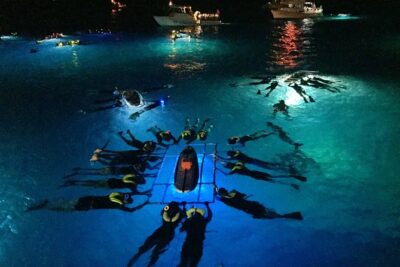
Oahu’s Ultimate Tour: Dole, Turtle Snorkel, Pali Lookout & More
Read our review →
Oahu Circle Island Tour with Turtle Snorkeling— Small-Groups
Read our review →
Waikiki, Hawaii: Turtle Canyon Snorkel Excursion
Read our review →
Shell Island Snorkel and Dolphin Catamaran Cruise with Island Time
Read our review →
Turtle Canyon Snorkel Adventure in Waikiki, Oahu
Read our review →
Browse the lists this tour appears in