
Reviewed · SNORKELING, SHARK & MANTA RAY TOURS
Big Island: Manta Ray Night Snorkeling Adventure in Kailua-Kona
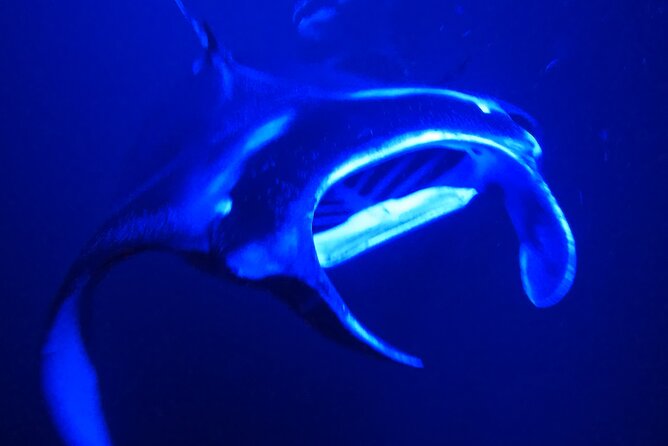
The main event is wonderfully simple: after sunset, you float at the surface while lights draw plankton below and giant manta rays sweep through the glow. Some pass inches from your face, their broad wings moving with quiet control. This is one of the Big Island’s most unusual nature encounters, and sightings are highly reliable, though the ocean always gets the final word.
I like the sunset cruise before the snorkel, which gives the outing a fuller sense of occasion than a quick ride out and back. I also like the practical touches: a jacket-style wetsuit, flotation gear, snacks, bottled water, and an onboard restroom.
The main drawback is the open ocean. The 20 to 30-minute ride can be choppy, the water feels cold after dark, and holding the lighted float can tire your arms. If you get seasick or dislike jumping into dark water, this is worth thinking through before you book.
Key points to know before you book
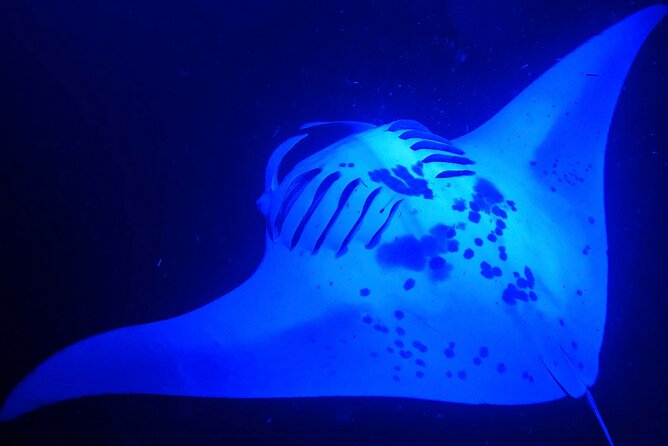
- Manta rays come remarkably close: They may glide directly beneath the lighted float and pass within inches of your face.
- The boat ride takes time: Plan on roughly 25 minutes each way, with longer rides possible in rougher conditions.
- Sunset is part of the outing: You cruise from Honokohau Harbor while the sky changes color before entering the water.
- The water can feel cold: A jacket-style wetsuit top is supplied, but bring a towel and warm layers for the ride back.
- The boat holds up to 26 people: The group is manageable, though the float can feel crowded when several boats gather at the site.
- The price is modest for the setup: At $75 per person, you get the boat ride, gear, crew, flotation support, snacks, drinks, and restroom access.
Why these manta rays are worth seeing at night
The Big Island’s manta encounter works because of a simple feeding pattern. Lights placed in the water attract plankton, and the mantas come to feed. You are not chasing them across the sea. Instead, you hold onto a lit float and watch them circle below.
That makes the sighting unusually close and steady. The rays may roll, bank, and sweep upward with their mouths open. Their size can be startling at first, especially when one approaches head-on, but they are gentle animals. The sight of a 15-foot manta moving silently beneath you is far more impressive than any aquarium visit.
You may see several rays during the time in the water. Some outings have included roughly seven to ten, while other nights have brought what felt like dozens. There is no fixed count, so I would not book this expecting a particular number. Still, the feeding site has a strong record of manta activity, which is why this tour is such a popular choice on the Kona coast.
You remain at the surface. This is a snorkeling outing, not a scuba trip, and you do not need diving certification. The crew supplies a mask, snorkel, flotation device, and jacket-style wetsuit top.
More Snorkeling Tours in Big Island of Hawaii
- Big Island Manta Ray Night Snorkel
★ 5.0 · 5,656 reviews - Big Island: Kona Manta Ray Snorkel Tour in Keauhou Harbor
★ 4.5 · 2,465 reviews - Big Island: Captain Cook Snorkel On A Power Catamaran With Lunch
★ 5.0 · 2,232 reviews
From Honokohau Harbor to the sunset
You meet at Kona Coast Boat Tours at 74-429 Kealakehe Parkway in Kailua-Kona. Hotel pickup is not included, so you need to arrange your own way to the harbor. The tour ends at the same meeting point.
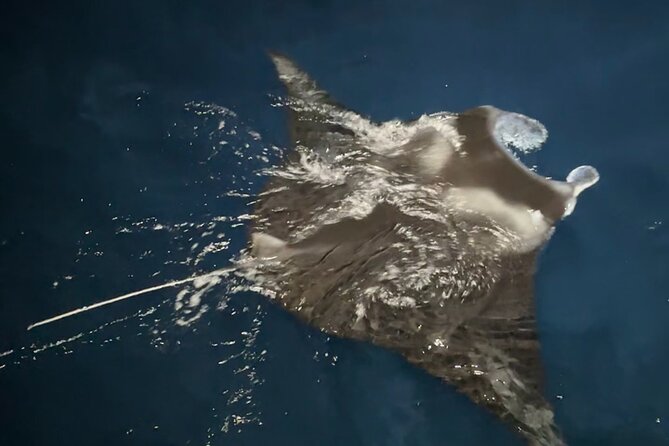
The boat ride begins as the sun is dropping. This part is more than transportation. The Kona coast looks different from the water, and the changing sky gives you time to settle in before the nighttime portion begins. The crew may also watch for wildlife along the way. On some outings, passengers have seen dolphins and whales, including several breaches during the ride out.
Those sightings are an extra, not a promise. The dependable feature is the sunset cruise and the manta site. Still, keep your eyes open and have your phone ready if the crew spots something offshore.
The ride to the feeding area usually takes about 20 to 30 minutes. Conditions matter. Several people have found the boat choppy, even when the manta portion was calm and rewarding. Sit toward the back if you are prone to motion sickness, and consider taking your preferred motion-sickness medicine before departure. The trip back can feel longer if you are wet, cold, or tired.
What happens before you enter the water
The crew provides the main gear you need. That includes snorkeling equipment, a flotation device, and a jacket-style wetsuit top. You should arrive ready to swim, but bring your own towel because towels are not supplied.
You also want a warm layer for the ride home. A hoodie, sweater, windbreaker, or light jacket can make a real difference once the boat is moving through the night air. Several people who felt fine during the snorkel were glad to have extra clothing on the return trip.
The crew gives instructions and explains what to expect. The best outings have included friendly, safety-minded captains and crew members who help first-time snorkelers get comfortable with the equipment. Captain Kelly and Captain Bryce have received particular praise for keeping the mood relaxed while helping nervous swimmers.
Still, the briefing may feel brief if you are new to snorkeling or not a strong swimmer. If that describes you, ask questions before entering the water. Tell the crew if you need help. Some people who could not swim still participated with assistance, but you should be honest about your comfort level and listen closely to the safety directions.
Holding the lighted float over the mantas
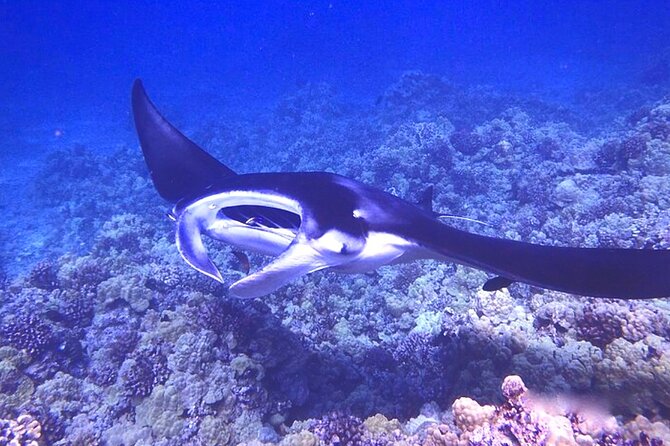
At the site, you enter the water and hold onto a lighted float. The lights shine down, attracting plankton and giving you a clear view of the feeding area. Your job is mostly to stay in place, keep your face in the water, and let the animals come to you.
The mantas may appear within minutes. They often pass beneath the float, then turn and rise again. A ray can seem to head directly toward you before banking away at the last moment. That close approach is thrilling, but you should avoid reaching out or trying to touch one.
The float provides support, but it also has limits. Your arms can get tired from holding on for an extended period. When multiple boats are at the site, the available space around the float can feel crowded. You may need to share viewing room and adjust your position instead of expecting a private front-row spot.
A useful approach is to keep your eyes down and stay patient. The rays do not always remain directly in front of you. Looking around the full length of the float gives you a better chance of seeing one approach. You may also see fish beneath the lights.
The water temperature is one of the clearest tradeoffs. The wetsuit top helps, but it does not make the water warm. Children and anyone who gets cold easily should take this seriously. Families have brought children from about six years old, but the cold and the need to hold the float may be too much for younger children who are not comfortable in the water.
Other reefs and snorkel spots around Big Island of Hawaii:
- KONA Manta Ray Night Snorkel – FREE re-ride if no Sightings
★ 5.0 · 2,212 reviews - Manta Ray Night Snorkel at Kona, Big Island
★ 5.0 · 1,758 reviews - Kona Snorkel Tour: Captain Cook Reef Snorkel, Dolphin & Sea Caves
★ 4.5 · 1,411 reviews - Glow of the Deep: Night Snorkeling with Manta Rays
★ 4.5 · 1,254 reviews
How the crew shapes the night
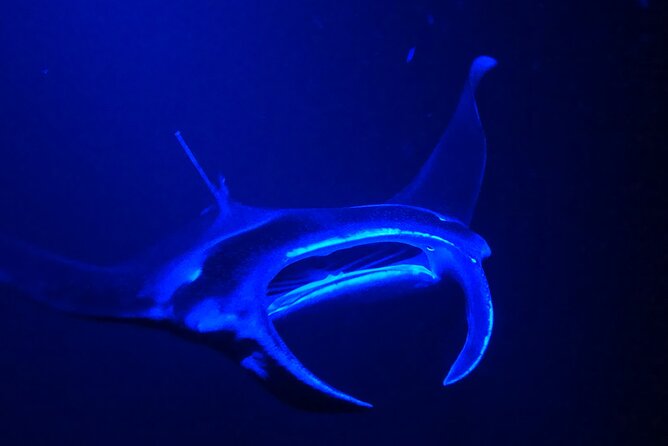
The crew is a major part of the outing. A good manta trip needs more than a boat and a light. You need clear instructions, help with gear, steady support in the water, and someone watching the group.
The strongest moments come when the crew keeps the experience organized without making it stiff. Captains have used humor, music, and live commentary to keep the ride lively. They also explain the manta behavior and help people who are nervous about the dark water or unfamiliar equipment.
Crew members may coordinate with nearby groups so people are not fighting for a single patch of viewing space. That matters because several boats can gather at the feeding area. The best position may change from minute to minute.
There are limits to any shared boat outing. One group had some rowdy people on board, which made the atmosphere less comfortable. That is not something you can predict, and the boat company cannot control every passenger. If you want a quiet, private setting, this is not that kind of trip.
The boat carries a maximum of 26 people. That is not a tiny group, but it is smaller than a large harbor excursion. The restroom is a welcome feature, especially with the ride out, the time in the water, and the ride back.
What is included for $75
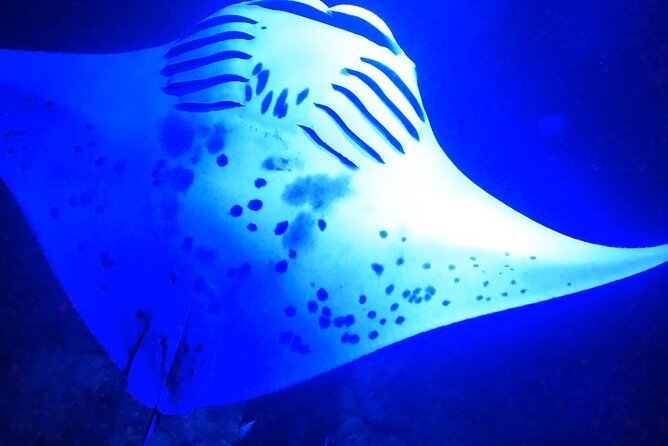
At $75 per person, this is a strong value if you want a complete manta outing without buying or carrying your own equipment. The price includes:
- Professional crew and live commentary
- Round-trip boat transportation from Honokohau Harbor
- Snorkel gear
- Jacket-style wetsuit top
- Flotation device
- Snacks and bottled water
- Onboard restroom access
You do not pay extra for the sunset cruise or the basic gear. You do need to bring a towel and warm clothing, and you handle your own transportation to the harbor.
The value is especially good for a first-time snorkeler. You can arrive with a swimsuit, use the supplied equipment, and focus on the animals rather than arranging separate boat rental, gear rental, and a guide. The tour is also long enough to include the ride, sunset, safety briefing, manta viewing, and return trip without feeling like a rushed photo stop.
The cost is less compelling if you dislike boat rides or want a private group. Much of the two-and-a-half-hour outing is spent getting to and from the site, and the water portion may last around 30 to 45 minutes depending on conditions and the operation that night.
Seasickness, cold, and other practical concerns
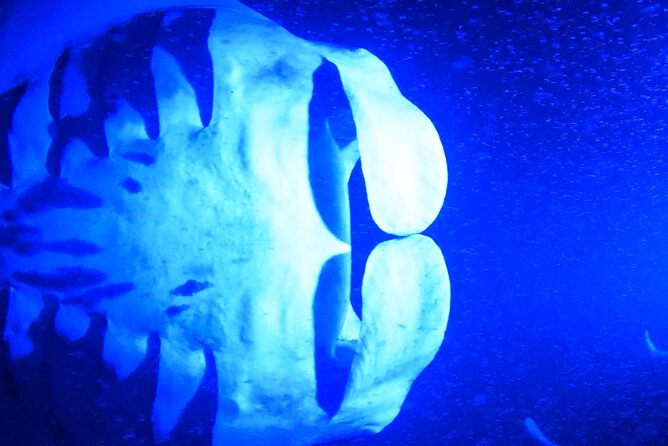
Motion sickness deserves real attention here. Even people who do not normally get seasick can feel uncomfortable when the sea is rough. The ride may take 25 minutes each way, and the boat can move sharply in swells.
Take medicine only if it is appropriate for you, and follow medical guidance for anything you use. Sitting toward the back may help. Avoid arriving already dehydrated, and remember that you will be on the water for much of the evening.
Cold is the other common challenge. The supplied jacket-style wetsuit top offers some protection, but the water may still feel chilly. Once you return to the boat, wind and wet clothing can make you colder. Pack a towel, hoodie, pants, or windbreaker in an easy-to-reach bag.
Small bags can be stored under the boat seats, according to the available information. Keep valuables limited and bring only what you need. You will not want to manage loose items while boarding, snorkeling, or changing layers.
The tour requires good weather. If conditions force a cancellation, you are offered another date or a full refund. You can cancel for a full refund up to 24 hours before the start time. Changes or cancellations inside that window are not accepted and are not refunded.
Who will enjoy this most
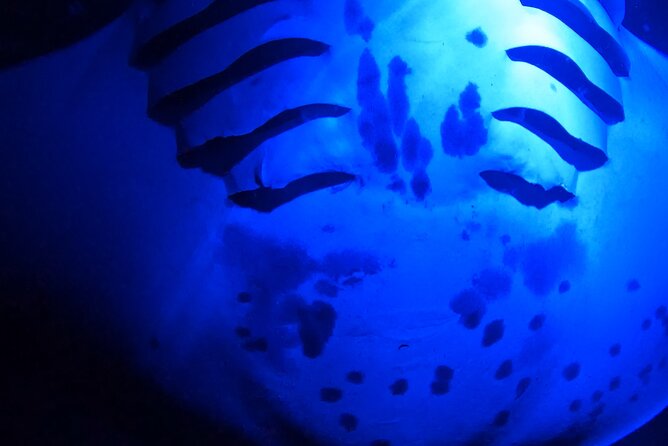
I would recommend this for adults, couples, families with confident older children, and anyone who wants a close wildlife encounter without scuba certification. It suits people who can manage a boat ride, stay calm in open water, and hold onto a float for a sustained period.
It can also work for non-swimmers if the crew determines that flotation support and assistance are enough. You should not assume that support removes every challenge. The water is dark, the sea may move, and you need to follow directions.
This is less suitable for anyone who becomes easily seasick, gets cold quickly, dislikes crowded viewing areas, or feels panicked around large animals. The mantas are harmless, but they are very large and may swim straight toward you. That close approach is the point of the outing, yet it can be intense.
If you have a nervous person in your group, explain the plan before booking: boat ride, sunset, open-water entry, float holding, and nighttime snorkeling. Clear expectations make the evening much easier.
Should you book the Kona manta night snorkel?
I would book it if you want one of the Big Island’s most distinctive activities and can accept a bumpy boat ride and chilly water. The combination of sunset, open ocean, close manta encounters, supplied gear, snacks, and a restroom gives you a lot for $75.
Book with realistic expectations. The number of rays changes, the float may be crowded, and weather can cancel the outing. Bring a towel, warm clothes, and motion-sickness protection if needed. If you can handle those small hardships, the moment a manta glides beneath the lights can make the whole evening worthwhile.
FAQ
Where does the manta ray snorkeling tour begin?
The tour begins at Kona Coast Boat Tours, 74-429 Kealakehe Parkway, Kailua-Kona, Hawaii 96740. The activity ends back at the same meeting point.
Is hotel pickup included?
No. Hotel pickup and drop-off are not included. You need to make your own way to the meeting point.
How long does the experience last?
The tour lasts about 2 hours and 30 minutes. The boat ride to the manta site usually takes about 20 to 30 minutes each way.
What equipment is provided?
The tour provides snorkeling gear, a jacket-style wetsuit top, and a flotation device. Snacks and bottled water are also included.
Do I need to bring a towel?
Yes. Towels are not provided. You should also bring something warm to wear for the boat ride back.
Is there a restroom on the boat?
Yes. The boat has an onboard washroom.
What happens if bad weather cancels the tour?
If poor weather causes a cancellation, you are offered a different date or a full refund. You can also cancel at least 24 hours before the start time for a full refund. Cancellations or changes made less than 24 hours before the start time are not refunded.
Just added in Big Island of Hawaii
- Hilo Shore Excursion: Active Volcano, Lava Tube, Waterfall and Gardens★ 5.0 · 393 reviews
- Volcano Adventure: Hilo Sightseeing w/ Optional Helicopter Tour★ 4.5 · 412 reviews
- Whale Watching On The Big Island★ 5.0 · 573 reviews
- Zodiac Raft Whale Watching Adventure★ 5.0 · 456 reviews
- Kealakekua Bay Snorkeling Tour – 4 hour Kona Zodiac Adventure★ 5.0 · 508 reviews
- Big Island, Hawaii: Volcanoes National Park Safari★ 4.5 · 545 reviews
- Small Group Big Island Twilight Volcano and Stargazing Tour★ 5.0 · 1,619 reviews
- Hawaii Volcanoes, Waterfalls, Beaches & Hilo Highlights Day Tour★ 5.0 · 391 reviews
Snorkeling, Shark & Manta Ray Tours, compared.
Grand Tour Around Island 16 Locations plus Snorkeling
Read our review →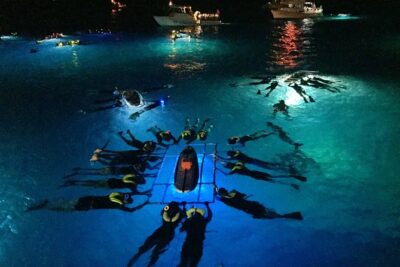
Oahu’s Ultimate Tour: Dole, Turtle Snorkel, Pali Lookout & More
Read our review →
Oahu Circle Island Tour with Turtle Snorkeling— Small-Groups
Read our review →
Waikiki, Hawaii: Turtle Canyon Snorkel Excursion
Read our review →
Shell Island Snorkel and Dolphin Catamaran Cruise with Island Time
Read our review →
Turtle Canyon Snorkel Adventure in Waikiki, Oahu
Read our review →
Browse the lists this tour appears in