
Reviewed · TOURS IN NEW YORK CITY
NYC: SoHo, Little Italy, and Chinatown Guided Tour
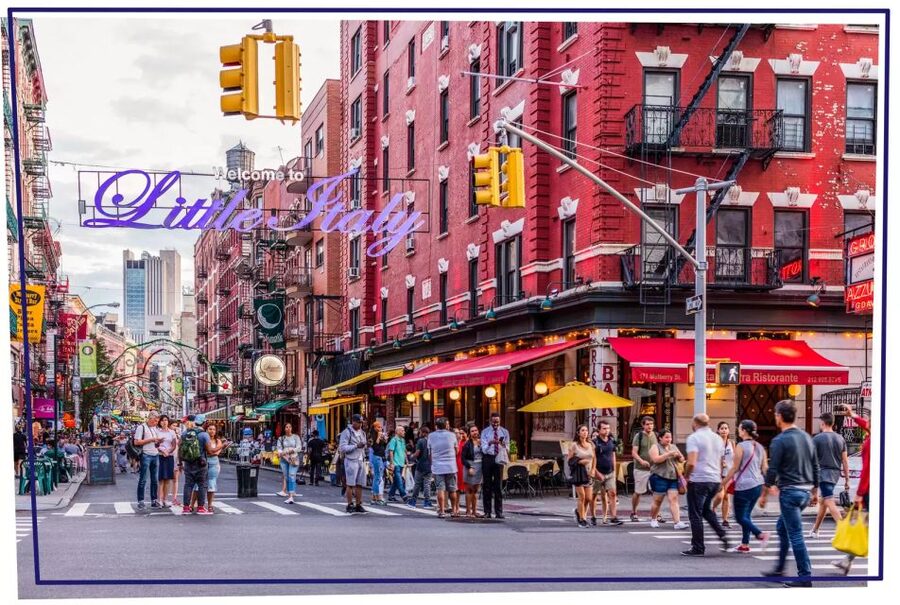
Lower Manhattan changes block by block on this two-hour walking tour. You start near City Hall, pass grand civic buildings and the Brooklyn Bridge, then move through Chinatown, Little Italy, and SoHo, where old immigrant streets meet designer shops and cast-iron architecture. I like the way the route joins major sights with ordinary neighborhood corners.
I also like the food stops, since you can try dumplings and cannoli without paying for a fixed meal you may not want. The main drawback is the pace: two hours covers a lot of ground, so you get a strong introduction rather than a slow, detailed visit to each neighborhood. Warm weather, rain, and busy sidewalks can also make the walk more tiring.
Key points at a glance
- City Hall to SoHo in one compact walk: The route links civic landmarks, Chinatown, Little Italy, and cast-iron SoHo.
- Optional local snacks: Stop for dumplings in Chinatown and cannoli at Ferrara Bakery, with food costs paid separately.
- Story-led touring: Guides including Gary, Percy, Fred, Garrett, Jared, Liz, and Dave bring in local anecdotes, architecture, immigration, organized crime, and city history.
- Small-group feel: Public small groups and private bookings are available, and several guides adapt the talk when the group is tiny.
- Good photo variety: You’ll have chances to photograph City Hall, the Woolworth Building, St. Paul’s Chapel, the Brooklyn Bridge, Mulberry Street, and SoHo’s iron-fronted buildings.
- Useful for a first Lower Manhattan visit: The tour gives you restaurant ideas and neighborhood bearings for later exploring.
Starting beneath City Hall’s grand surroundings
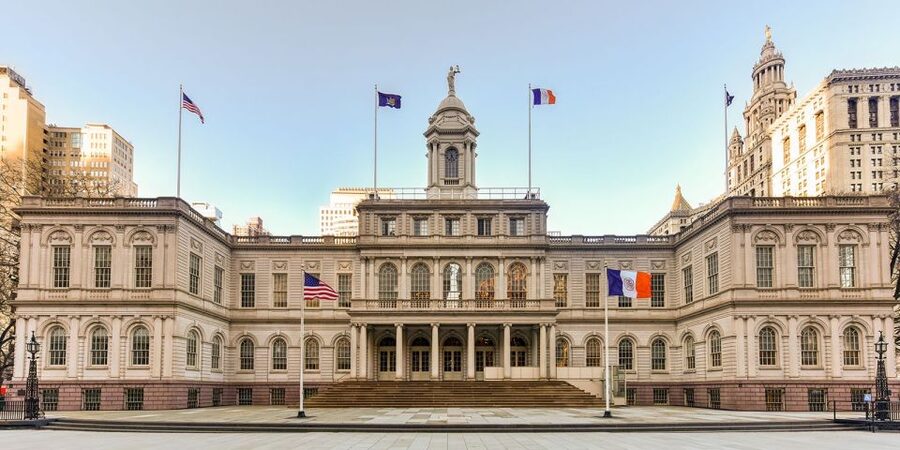
Meet your guide at Warren Street and Broadway, in front of City Hall Subway Station. This is a useful starting point because you are close to City Hall Park and the older civic core of Lower Manhattan, rather than beginning in a shopping district with little context.
The early part of the walk focuses on City Hall Park, the Woolworth Building, and St. Paul’s Chapel. These stops help explain how New York grew from a colonial settlement into a major commercial and political center. Guides have also used subjects such as Collect Pond, Dutch settlement, the Revolutionary War, and the people connected with Manhattan’s grand buildings to give the walk a wider frame.
The Woolworth Building supplies an especially good architectural pause. Its ornate exterior is easy to admire from the street, and the guide can connect it to the ambition and wealth that shaped Lower Manhattan. St. Paul’s Chapel adds a quieter contrast. You are still in a crowded part of the city, but this historic church and its setting give the walk a change of mood.
I would arrive a few minutes early at the meeting point. City Hall has several nearby entrances, and one guide helped a delayed group by sending a map pin, but it is still better to have the location clear before the start.
A few more things to do in New York City worth a look
- New York in One Day Guided Sightseeing Tour
★ 5.0 · 13,166 reviews - Central Park Pedicab Guided Tours
★ 5.0 · 7,108 reviews - From NYC: Guided Day Trip to Washington DC by Van or Bus
★ 4.7 · 3,418 reviews
The Brooklyn Bridge from the Manhattan side
The Brooklyn Bridge is a sightseeing stop rather than a full bridge crossing. That distinction matters. You can expect views, photographs, and an explanation of the bridge’s engineering and its role in linking Manhattan and Brooklyn, but the advertised route ends in SoHo rather than on the Brooklyn side.
This is one of the route’s strongest visual moments. The bridge’s stone towers, cables, East River setting, and changing skyline give you the kind of large-scale New York view that balances the close street scenes coming later. A good guide also helps you notice how much planning and construction went into a structure that can otherwise become just another famous backdrop.
The bridge area can be crowded, and city noise may make it harder to hear every sentence. Stay close enough to your guide to catch the explanation, especially if your group is larger. Comfortable shoes matter here, as they do for the entire walk.
Chinatown, where the food stop has a purpose
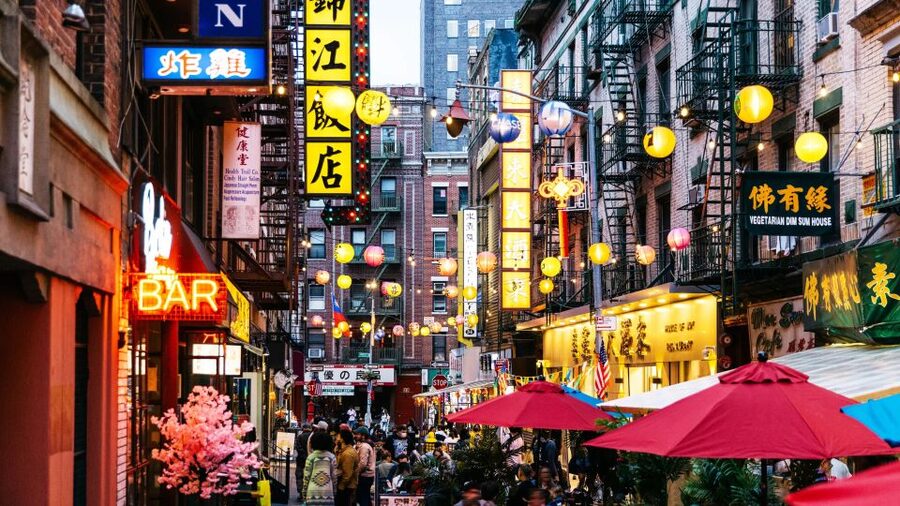
From the civic center, the tour turns toward Chinatown. The neighborhood is not presented only as a place to eat. Your guide explains Chinese customs, the district’s development, and the traditions that continue to shape its streets and businesses.
The food stop is generally on Mosco Street, where you can try dumplings. The exact shop or snack selection may depend on the guide and the day, so think of this as a tasting suggestion rather than a full lunch. Food and drinks are not included in the $30 tour price. That arrangement is practical: you can buy a portion if you are hungry, skip it if you have dietary concerns, or save room for the later cannoli.
I like this part because food gives the neighborhood’s story a physical connection. Instead of hearing only dates and names, you learn why dumplings matter in Chinese culture while standing among the shops and streets where such traditions are part of daily life.
Do not expect a long sit-down meal. The tour keeps moving, and the main value is the guide’s explanation plus the chance to sample something local. If you want a full Chinatown meal, use the guide’s recommendations and return after the tour.
Mulberry Street and Little Italy’s changing identity
The route continues along Mulberry Street and Bayard Street before reaching Little Italy. This transition is one of the most interesting parts of the walk because the neighborhood borders are not frozen in time. Streets associated with Italian immigration now sit beside Chinatown businesses, newer restaurants, shops, and heavy city traffic.
Your guide discusses Italian immigrants, family traditions, food, and the way the area has changed. Stories about the Italian Mafia and local legends add drama, but the better part of the presentation is the connection between those stories and the real people who built lives here. Several guides also bring in personal experiences, which can make the talk feel less like a memorized script.
Little Italy is a good place to pause for photographs, but it is also a place where expectations need adjusting. The district is compact, and you will not find an untouched old-world village. Its appeal comes from the layers: immigrant history, restaurants, street signs, surviving landmarks, and the busy modern city around them.
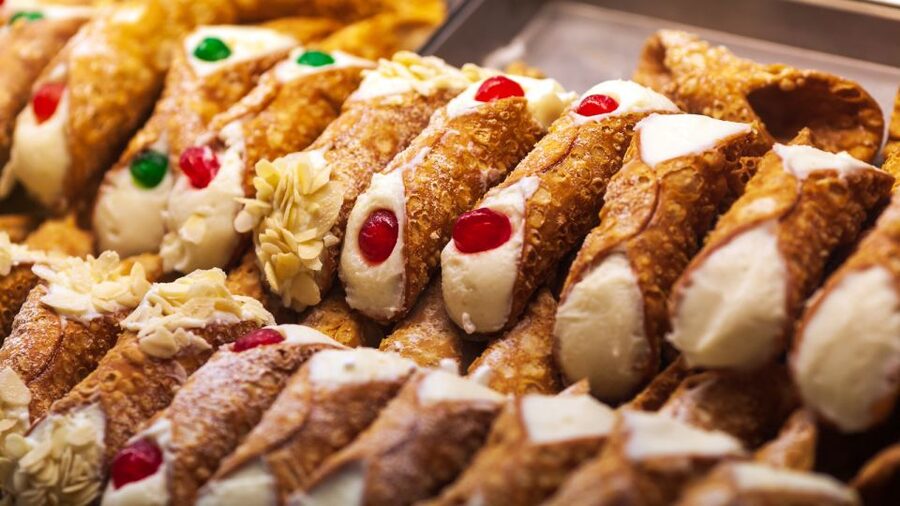
At Ferrara Bakery and Cafe, the tour stops for cannoli. The pastry is an optional purchase, not part of the ticket. Ferrara is a named stop, so you have a clear place to try this classic Italian sweet, but anyone avoiding dairy, wheat, or sugar should plan to treat the stop as sightseeing rather than a required tasting.
Some walks have also included an ice cream stop or recommendations for other food shops, but the reliable focus is dumplings in Chinatown and cannoli in Little Italy. Ask your guide for current suggestions if you want to return later.
Same base, a different kind of day out:
- NYC: SUMMIT One Vanderbilt Tickets
★ 4.7 · 51,195 reviews - NYC: 9/11 Memorial & Museum Timed-Entry Ticket
★ 4.8 · 31,428 reviews - NYC: Empire State Building Tickets – Observatory & Museum
★ 4.7 · 25,757 reviews - NYC: Empire State Building Observation Deck Tickets
★ 4.7 · 22,072 reviews
Grand Street and the move into SoHo
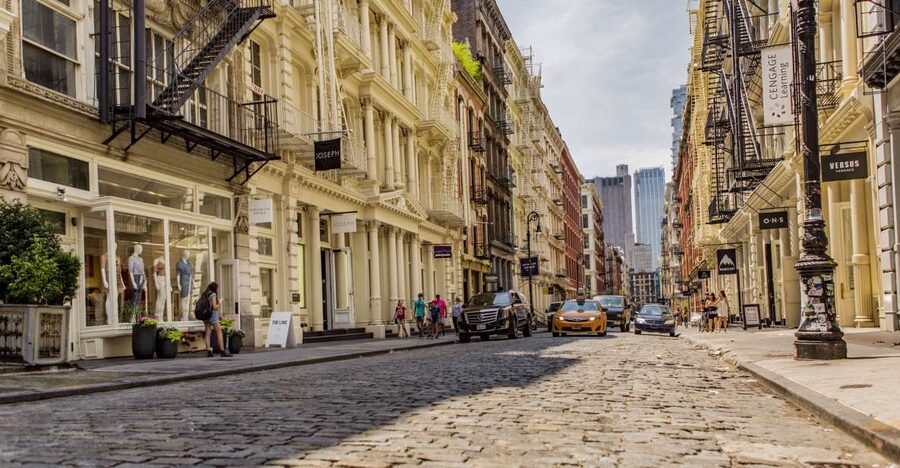
Grand Street helps connect Little Italy with SoHo. By this stage, you have seen how Lower Manhattan’s districts overlap, and the route begins to shift from immigrant neighborhood history to architecture, retail, and the city’s changing creative identity.
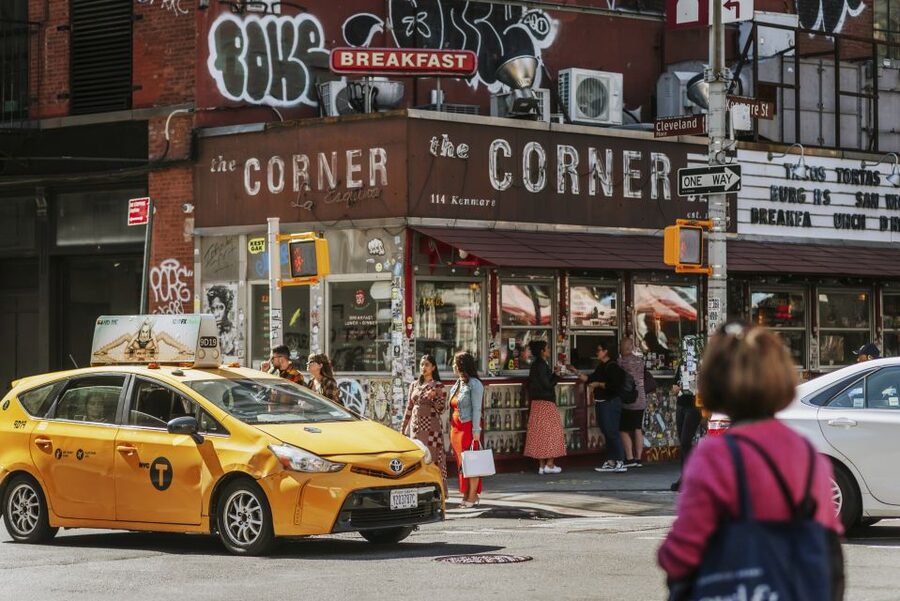
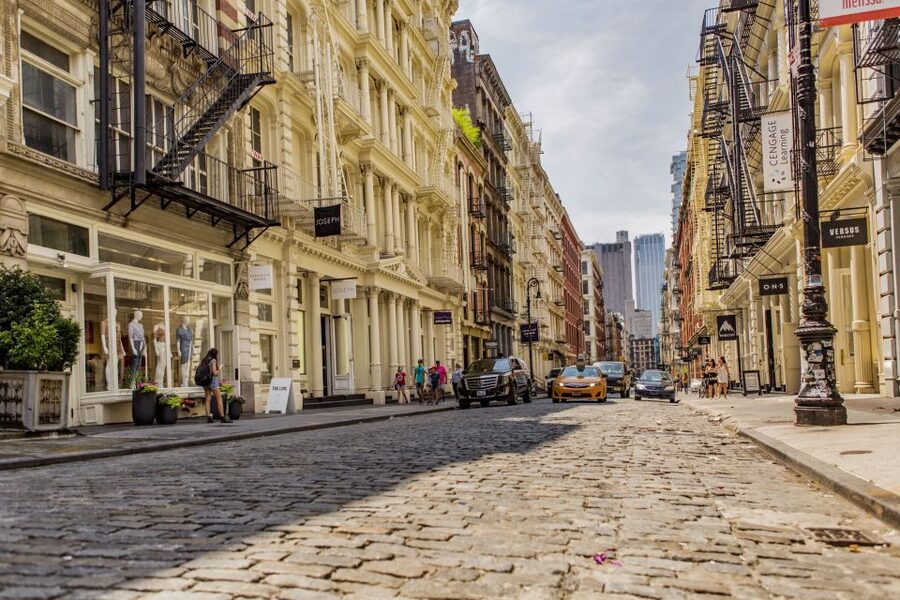
SoHo, short for South of Houston Street, is known for its cobblestone streets, art galleries, boutiques, and cast-iron buildings. The guide explains its industrial beginnings and its later development as an arts and shopping district. This context is useful because SoHo can seem like a polished retail zone if you only walk through it on your own.
The Haughwout Building is a major architectural stop. Its cast-iron front gives you a clear look at the building style that helps define SoHo. Greene Street and Prince Street offer more chances to study the repeating facades, fire escapes, old warehouses, galleries, and high-end stores.
I particularly like this final section for photography. The streets provide a different view of New York from the Brooklyn Bridge or City Hall. You get close details, strong building lines, and a sense of how industrial spaces can take on new uses over time.
The tradeoff is that SoHo is busy and commercial. If your main interest is art galleries, you may need to return on your own because the tour gives only a short introduction. The guide’s role is to explain the district and point out useful places, not to escort you through every shop.
What the guides add to the walk
The guide can make or break a walking tour, and the strongest pattern here is an engaging, personal style. Gary is praised for his local pride, humor, and storytelling. Percy is noted for linking major events with memorable anecdotes and for answering questions. Fred has led relaxed walks with strong explanations of Lower Manhattan and neighborhood history.
Garrett has been especially effective at combining architecture, culture, and personal insight. Jared is described as witty and attentive, while Liz has brought a large supply of facts and book recommendations. Dave has been praised for photo tips and an easygoing manner.
Guide assignments can change, so you should not book on the assumption that one particular person will lead your departure. Still, the range of names and repeated praise for local passion suggest that the company has several guides who know how to make a short walk feel personal.
Small groups help. When only one couple or one family attends, guides have adjusted the tone, answered more questions, and added extra conversation. Public departures can be less intimate, but the tour is still designed for interaction rather than a silent procession from stop to stop.
Is $30 good value?
At $30 per person, this is a fair price for a guided introduction to four important Lower Manhattan areas. You are paying for the route planning, live commentary, local recommendations, and the convenience of seeing the neighborhoods in a sensible order.
The snacks do not come with the ticket, so budget a little extra if you want dumplings and cannoli. That is not necessarily a weakness. You control what you buy, and you are not locked into a meal that takes time away from the walk.
The value is strongest if you are new to New York, enjoy local history, or want help deciding where to eat and explore later. If you already know City Hall, Chinatown, Little Italy, and SoHo well, the walk may feel more like a refresher. Private bookings offer more flexibility, but the public option should be enough for most people seeking a first look.
Timing, walking effort, and practical preparation
The advertised duration is two hours, although some walks have run a little longer. The route is continuous, with sightseeing and food pauses rather than long seated breaks. Wear comfortable shoes and clothing suited to the forecast.
Summer heat can be a real concern. One family found the walk enjoyable but specifically suggested choosing a day when the weather is more manageable. Rain does not automatically ruin the experience, and a guide may use sheltered spots while continuing the commentary, but wet cobblestones and crowded sidewalks require care.
The tour is wheelchair accessible, though the route includes city streets, sidewalks, cobblestones, crowds, and frequent stops. If you have specific mobility needs, confirm the practical details before booking. The walking pace is generally described as manageable, but your own comfort will depend on weather, footwear, and how long you like to stop for photographs.
English is the tour language. Hotel pickup and drop-off are not included, so plan your route to Warren Street and Broadway in advance. The finish is on Prince Street in SoHo, a useful place to continue shopping, eat, or explore on your own.
Cancellation is flexible up to 24 hours before the start for a full refund, and you can reserve now and pay later. Those terms are helpful if your New York schedule is still shifting.
Who should book this Lower Manhattan walk?
I would choose this tour for a first or second visit to New York, especially if you want a quick orientation before exploring on your own. It suits adults, families with older children, solo visitors, and anyone who prefers stories and local context over a long museum visit.
Food-focused visitors will appreciate the dumpling and cannoli stops, but this is not a dedicated food tour. Architecture fans will enjoy the Woolworth Building, Haughwout Building, and SoHo streets, though the tour does not provide extended interior visits.
It is also a good match for people who like asking questions. Guides such as Gary, Percy, Fred, Garrett, Jared, Liz, and Dave have used humor, personal memories, quizzes, recommendations, and historical anecdotes to keep the walk moving.
You may want a different experience if you dislike walking in heat, need long rests, or want a detailed study of one neighborhood. The route covers a lot in a short time, and its strength is range.
Should you book it?
Book this tour if you want a lively introduction to Lower Manhattan, with famous sights, neighborhood history, and two optional food stops in one compact outing. At $30, it is a sensible way to get your bearings and collect ideas for the rest of your visit.
Skip it if you already know these districts well or prefer to explore at a very slow pace. For most first-time visitors, though, the mix of City Hall, the Brooklyn Bridge, Chinatown, Little Italy, and SoHo gives you a useful foundation, especially when the guide brings the streets to life with local stories.
FAQ
How long does the tour last?
The advertised duration is two hours. Some walks may run slightly longer depending on the group and the conversation.
Where does the tour start?
Meet at the intersection of Warren Street and Broadway, in front of City Hall Subway Station.
Where does the tour finish?
The walk finishes on Prince Street in SoHo, New York, NY 10012.
Are dumplings and cannoli included in the price?
No. Food and drinks are not included. You can purchase dumplings in Chinatown and cannoli at Ferrara Bakery and Cafe separately.
Is the tour offered as a private experience?
Yes. A private tour is available when that option is selected. Public small-group departures are also offered.
Is the walk wheelchair accessible?
The activity is listed as wheelchair accessible. Since the route uses city streets, sidewalks, and cobblestone areas, confirm any specific access needs before booking.
Can I cancel for a full refund?
Yes. You can cancel up to 24 hours in advance for a full refund. A reserve-now, pay-later option is also available.
Just added in New York City
- Brooklyn Food Walking Tour: Local Eats & Family‑Run Shops★ 5.0 · 592 reviews
- All Inclusive Airport Departure Transfer NYC/ Brooklyn/Queens★ 4.0 · 342 reviews
- Brooklyn Bridge & DUMBO Food Tour: Local Eats & Landmarks★ 5.0 · 478 reviews
- New York City: Statue of Liberty & Ellis Island Guided Tour★ 4.2 · 1,031 reviews
- West Harlem: Gospel Church Service and Sunday Walking Tour★ 4.3 · 411 reviews
- Harlem: Central Harlem Sunday Gospel with Locals★ 3.9 · 499 reviews
- Manhattan: Statue and Skyline Cruise Aboard a Luxury Yacht★ 4.8 · 540 reviews
- SoHo, Little Italy, and Chinatown 2-Hour Guided Walk★ 4.6 · 566 reviews
Tours in New York City, compared.

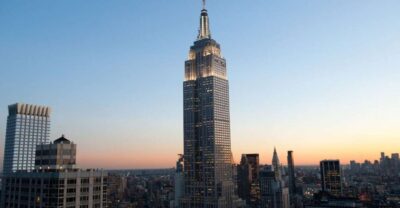
Empire State Building Tickets – Observatory & Museum
Read our review →Empire State Building Observation Deck Tickets
Read our review →


Browse the lists this tour appears in