
Reviewed · TOURS IN NEW ORLEANS
New Orleans: Cajun and Creole Cooking Class
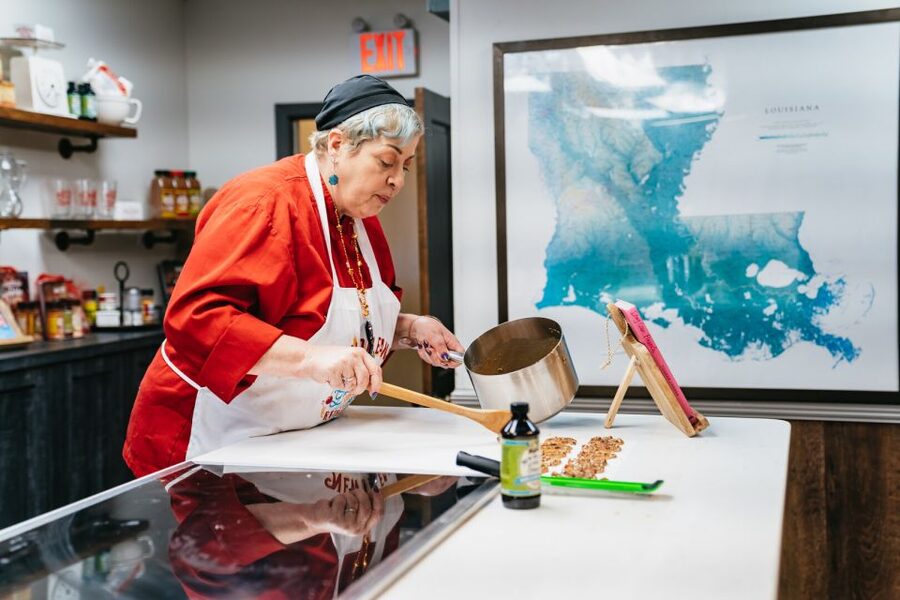
The best part of this New Orleans School of Cooking class is that it treats food as a key to the city. While a chef prepares gumbo, jambalaya, pralines, and other Louisiana staples, you learn how Cajun and Creole cooking grew from the people, trade, ingredients, and customs of New Orleans. I like the story-filled format and the fact that lunch is included, not just a small taste at the end.
I also like getting the actual recipes to use at home, along with a coupon for the school’s general store. The main thing to know is simple: despite the name, you do not cook yourself. This is a cooking demonstration, so choose it for the chef, food, humor, and history rather than for hands-on chopping and stirring.
Key points to know before booking
- You watch, rather than cook: The chef prepares the dishes while you follow the steps and ask questions.
- The menu changes by day: Gumbo appears often, but dishes can include jambalaya, crawfish etouffee, shrimp creole, red beans and rice, and bananas Foster.
- The setting has character: Classes take place in a renovated molasses warehouse from the early 1800s in the French Quarter.
- Lunch is substantial: You receive a three or four-course Cajun and Creole meal, with Dixie beer, iced tea, and lemonade.
- The teachers make the class: Chefs such as Austin, Lynn, Eric, Dianne, Harriet, and Chef T have been praised for humor, clear explanations, and strong storytelling.
- You leave with useful takeaways: Recipe copies and a store coupon help you repeat the dishes at home.
A French Quarter class with a meal built in
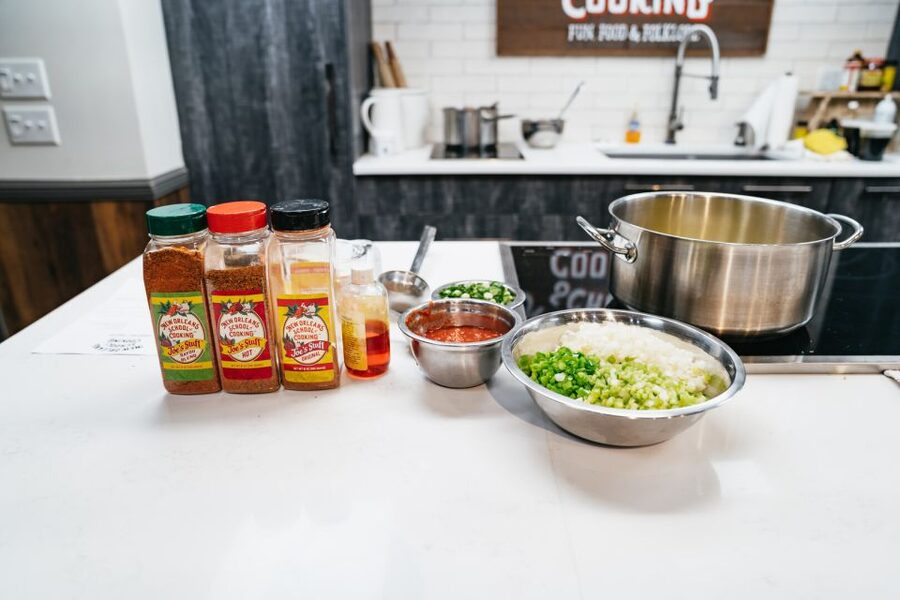
You check in at the register inside the New Orleans School of Cooking General Store. That makes the arrival easy, though you should allow a few minutes to browse before the class begins. The store carries locally sourced products and is known for Joe’s Stuff Creole Seasoning, a popular blend used by local cooks and visitors.
The class takes place in a renovated molasses warehouse built in the early 1800s. You are not simply sitting in a generic demonstration kitchen. The old commercial setting fits the subject, since food, shipping, trade, and migration helped shape New Orleans cooking.
The class lasts about two hours to two and a half hours, depending on the exact session. Morning classes begin at 10:00 AM, and afternoon classes begin at 2:00 PM. The schedule matters because the dishes change from day to day, and because the morning class includes hot coffee.
Other classes where you do the cooking in New Orleans:
- New Orleans Demonstration Cooking Class with Meal
★ 5.0 · 3,000 reviews - Undiscovered Charleston: Half Day Food, Wine & History Tour with Cooking Class
★ 5.0 · 948 reviews
What the chef actually does
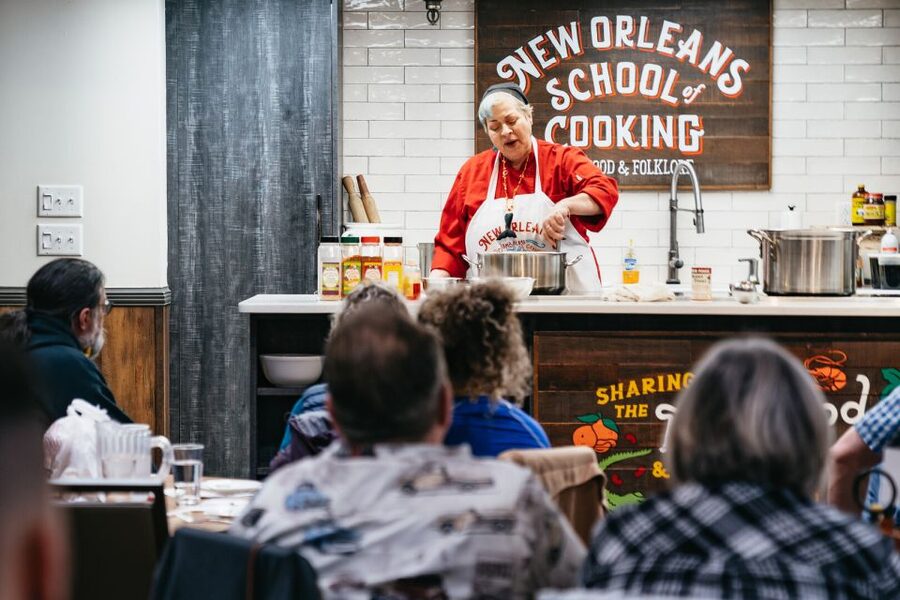
The chef works in front of the class, preparing the scheduled dishes while explaining ingredients, cooking methods, and local customs. You can ask questions as the food comes together. The lesson is designed to be relaxed and entertaining, with the chef often adding jokes, personal stories, and background about New Orleans food.
This format suits me when I want to learn without spending the afternoon doing prep work. You can watch the important stages closely, listen to the explanation, and then eat the results. It also works well for families and mixed-age groups, since nobody has to manage knives, hot pans, or a complicated workstation.
But be clear about the format before you pay. Troi described the experience accurately: there was no cooking involved, only watching the chef explain and prepare the food. Carmen also found the name misleading for the same reason. If you want to make the roux yourself or handle the seafood, choose a hands-on class instead.
The upside is that the demonstration lets the chef keep the meal moving. You do not have to wait while each person completes a separate step, and the chef can focus on showing the right texture, timing, and consistency.
Why the food stories matter
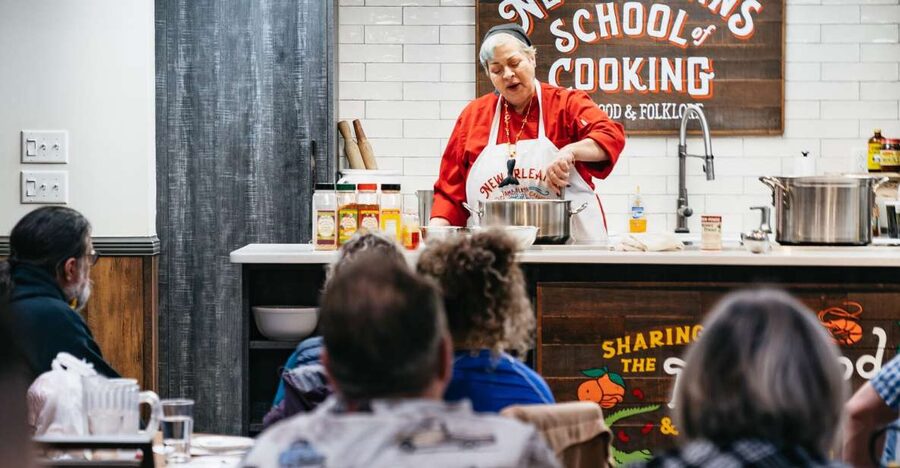
New Orleans food can look simple on the plate, but its background is not simple. The class connects Cajun and Creole dishes with the people and traditions that shaped them. You hear about how local food developed and how cooking reflects the city’s cultural mix.
The history is not presented as a separate lecture. It comes while the chef is making the dish, which helps it stick. A lesson about gumbo becomes easier to remember when you can see the pot cooking and then taste it at lunch.
Several instructors have been singled out for this balance of food and storytelling. Dianne, also known as Gumbo Marie, has been praised for combining local history, humor, and cooking. Austin has been described as high-energy and entertaining, while Lynn is known for warm explanations and jokes. Chefs Eric, Harriet, Chef T, Rene, and others have also received strong praise for keeping the room involved.
The instructor changes, so you should not book expecting one particular chef. Still, the recurring strength of the class is clear: the chef is both teacher and host. That matters because a demonstration could otherwise become a long stretch of watching someone cook.
Choosing between the morning and afternoon menus
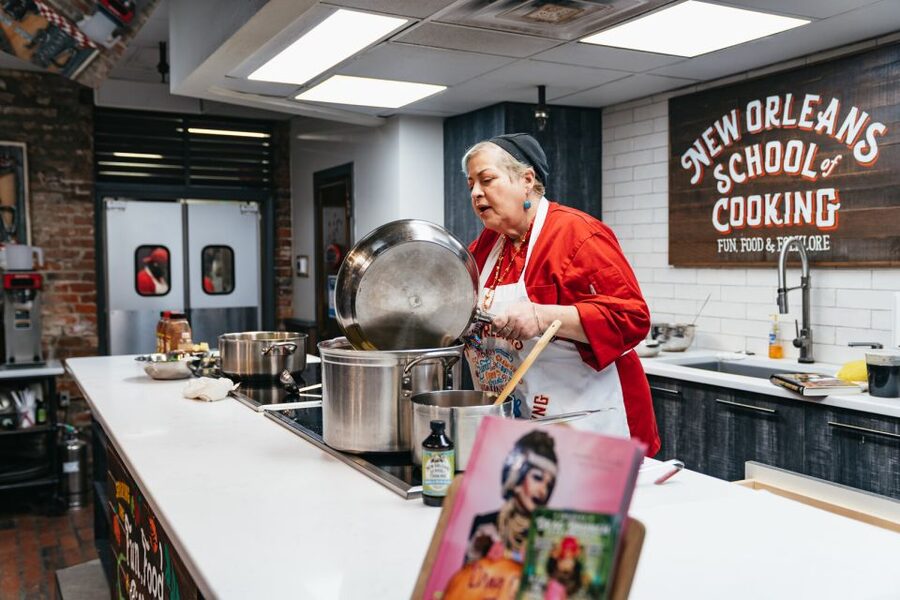
The menu is the most important choice you make, since the food changes with the day. All classes include recipes and a meal, but the dishes are not interchangeable.
Other things to learn to make in New Orleans:
- Nashville: Line Dancing Class with Keepsake Video
★ 4.9 · 773 reviews - NYC: Brooklyn Graffiti Workshop with Local Artist
★ 4.8 · 570 reviews - Los Angeles: Surfing Lesson in Venice Beach
★ 4.8 · 442 reviews - Oahu: Beginner-Friendly Waikiki Beach Surfing Lesson
★ 4.9 · 425 reviews
10:00 AM class menus
- Saturday, Sunday, and Wednesday: Gumbo, jambalaya, bread pudding, and pralines
- Monday: Gumbo, red beans and rice, pecan pie, and pralines
- Tuesday: Gumbo, jambalaya, bananas Foster, and pralines
- Thursday: Corn and crab bisque, shrimp creole, bananas Foster, and pralines
- Friday: Crawfish etouffee, shrimp and artichoke soup, bread pudding, and pralines
The morning menu is the larger option, with three or four courses depending on the day. Coffee is included at this session, which gives it a pleasant breakfast-to-lunch feel.
If you want the classic New Orleans combination of gumbo and jambalaya, check for a Saturday, Sunday, Wednesday, Tuesday, or Monday class. For seafood lovers, Thursday and Friday offer more variety, including shrimp creole, crawfish etouffee, crab bisque, and shrimp soup.
2:00 PM class menus
- Saturday: Crawfish etouffee, shrimp and artichoke soup, and pralines
- Sunday and Tuesday: Corn and crab bisque, chicken etouffee, and pralines
- Monday, Thursday, and Friday: Gumbo, jambalaya, and pralines
- Wednesday: Gumbo, chicken creole, and pralines
The afternoon menu is shorter but still functions as a filling meal. A few people have noted that the portions are large, so I would not schedule a full dinner immediately afterward. If you take the 2:00 PM session, you may find that the class carries you through the evening.
Menus can be a deciding factor for repeat visitors. Someone who has already tried gumbo may prefer a day with crawfish etouffee or shrimp creole. Check the schedule before booking, rather than treating all class times as identical.
The meal: generous, local, and practical
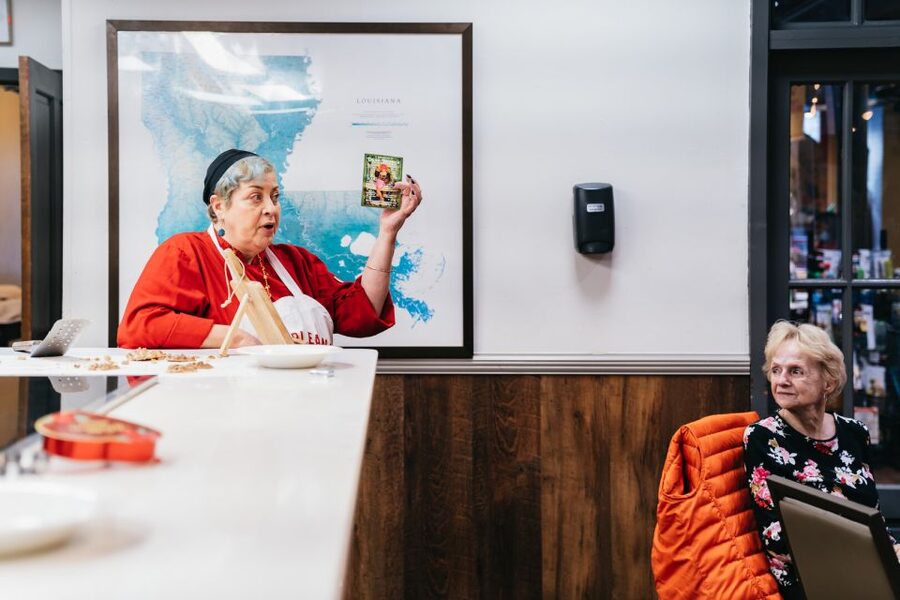
The food is served as the chef prepares the next course. That gives you something to taste while the demonstration continues, instead of waiting until the very end for one plate.
Gumbo receives frequent praise, and one attendee called it the best gumbo they had eaten in New Orleans. That is a personal judgment, of course, but it points to the class’s strongest feature: you get to taste a finished dish immediately after seeing how the chef builds it.
Pralines appear on every listed afternoon menu and most morning menus. They are a useful final course because they show the sweeter side of Louisiana cooking. Depending on the day, dessert may also include bread pudding, pecan pie, bananas Foster, or another local favorite.
Included drinks are Dixie beer, iced tea, and lemonade. Hot coffee is included only with the 10:00 AM class. Outside drinks are not allowed, so plan to use the refreshments provided.
The portions appear generous rather than symbolic. Trent advised not eating before class, and Cristina described the servings as very large. I would treat this as a real meal, not a tasting. That improves the value, especially at $40 per person.
How much value do you get for $40?
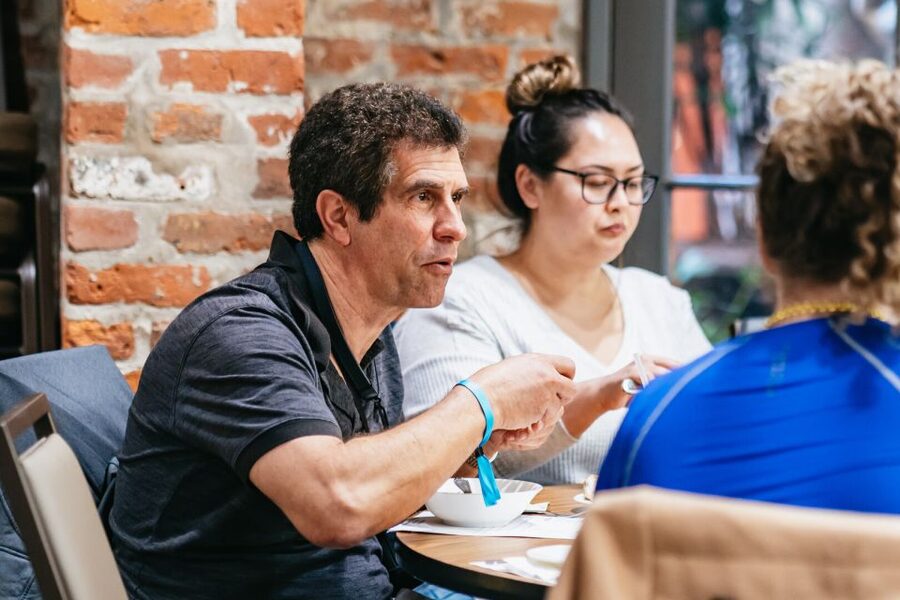
At $40, the class combines several things that would otherwise cost extra: a chef-led lesson, local food, drinks, cultural background, printed recipes, and a store coupon. You also avoid spending money on a separate lunch during the same part of your day.
The value is strongest if you plan to cook after returning home. The recipes turn the class into more than a one-time meal, and the general store gives you a chance to buy seasonings or other local products. Several people bought Joe’s Stuff seasoning and cooking materials after the class, though you should treat the coupon as a small bonus rather than the main reason to book.
The price is less attractive if you expect hands-on instruction. You are paying for access to the chef’s demonstration and stories, not for individual cooking practice. For that reason, I would compare it with the cost and effort of a proper hands-on workshop before deciding.
Free cancellation is available up to 24 hours before the class, and you can reserve now and pay later. Hotel pickup and drop-off are not included, so you must reach the French Quarter on your own.
Who will enjoy this most?
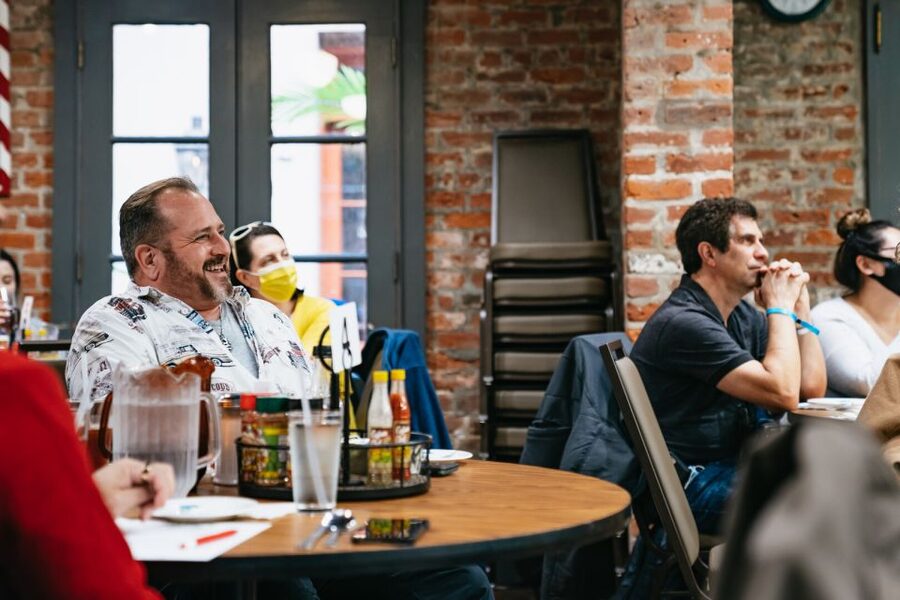
This class suits you if you want a friendly introduction to New Orleans food without committing to a long evening. It is also a good first-day activity because it gives you a quick grounding in local dishes, ingredients, and customs.
Families with older children and teenagers can enjoy it, especially if they like food and stories more than formal museum visits. One group brought three teenagers, who stayed interested through the demonstration.
It also works for people who already cook. A professional chef attending the class appreciated the chance to improve their Cajun and Creole cooking. Watching an experienced instructor explain the process can help you understand the order of ingredients and the reasons behind each step.
You should look elsewhere if you need a fully hands-on lesson, a private class, or a choice of every dish on the menu. You also need to be comfortable with the fact that the chef and menu change by day.
Food allergies deserve advance attention. One class included alternatives for a shellfish allergy, and another person praised a vegetarian option. These examples show that accommodations may be possible, but the supplied details do not promise a standard substitute at every session. Contact the provider before booking if you have a serious allergy or strict dietary need.
Practical details that affect the experience
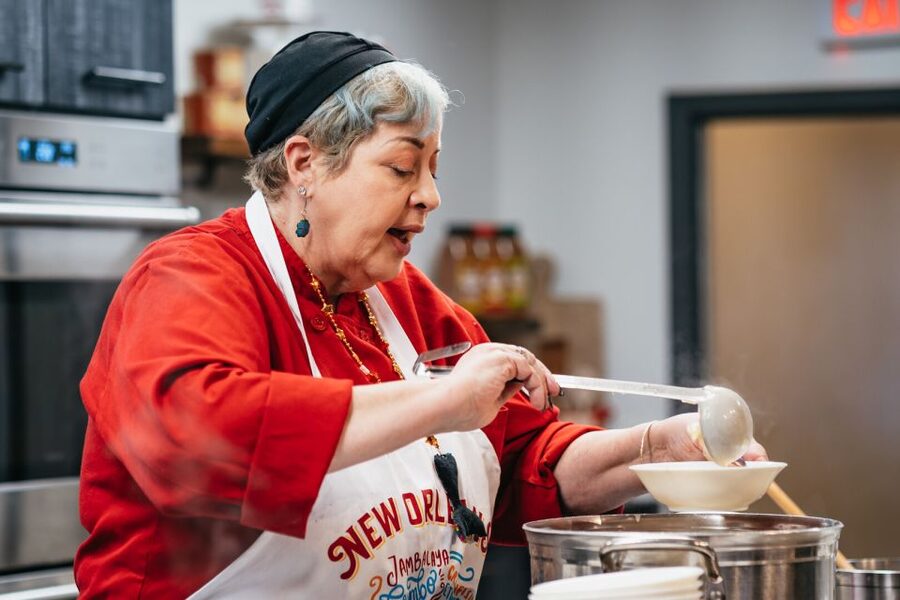
The meeting point is straightforward: enter the New Orleans School of Cooking General Store and check in at the register. No hotel transport is included.
The class is taught in English and is wheelchair accessible. Since the activity takes place in the French Quarter, plan your route and arrival time carefully, especially if you are coming from another part of the city.
The duration is listed as two hours to 150 minutes. In practical terms, set aside a little more than two hours, particularly if you want to browse the store or use the coupon afterward.
Bring an appetite, but do not bring outside drinks. Wear something comfortable for sitting and eating. Most importantly, check the menu for your chosen day and time. That small step can make the difference between a good choice and a perfect fit.
Should you book this New Orleans cooking class?
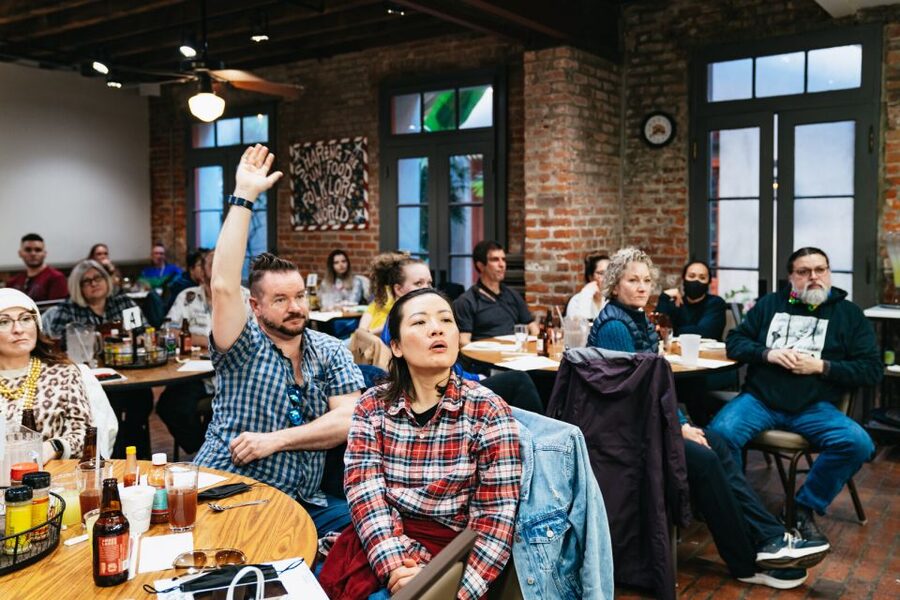
Book it if you want a food lesson with lunch, local stories, and recipes you can use later. The chef’s personality is a major part of the experience, and instructors such as Dianne, Austin, Lynn, Eric, and Harriet have shown how much humor and warmth can add to a demonstration.
Skip it if your idea of a cooking class requires you to cook. The name can create the wrong expectation, and the lesson is clearly a demonstration. For most people who want to eat well, learn the background of Cajun and Creole dishes, and spend a useful morning or afternoon in the French Quarter, $40 is a fair price.
FAQ
Is this a hands-on cooking class?
No. The chef prepares the dishes while you watch, listen, and ask questions. This is a cooking demonstration rather than a class where each participant cooks.
How long does the experience last?
The activity lasts between two hours and 150 minutes, depending on the session.
Where do I meet the group?
Enter the New Orleans School of Cooking General Store and check in at the register.
What food might be prepared?
Menus include dishes such as gumbo, jambalaya, pralines, red beans and rice, crawfish etouffee, shrimp creole, chicken creole, corn and crab bisque, and bananas Foster.
Does the menu change by day?
Yes. The morning and afternoon menus vary by day, so check the schedule before choosing your booking time.
Is a meal included?
Yes. You receive a three or four-course Cajun and Creole meal, depending on the menu.
What drinks are included?
Dixie beer, iced tea, and lemonade are included. Hot coffee is included with the 10:00 AM class only.
Are recipes provided?
Yes. You receive copies of the recipes so you can prepare the dishes at home.
Is hotel transportation included?
No. Hotel pickup and drop-off are not included.
Can I cancel my booking?
Yes. You can cancel up to 24 hours in advance for a full refund. You can also reserve now and pay later.
Just added in New Orleans
- New Orleans: French Quarter, Voodoo and Cultural Experience★ 4.5 · 972 reviews
- From New Orleans: Oak Alley Plantation Tour★ 4.5 · 443 reviews
- New Orleans: Bayou Tour in Jean Lafitte National Park★ 4.8 · 428 reviews
- New Orleans: Whitney Plantation Tour with Transportation★ 4.7 · 619 reviews
- New Orleans: Guided Swamp Cruise by Tour Boat★ 4.7 · 570 reviews
- New Orleans: Voodoo Queen Tour of French Quarter★ 4.7 · 482 reviews
- New Orleans: Swamp Boat Ride & Oak Alley Plantation Tour★ 4.7 · 383 reviews
- New Orleans: Walking Tour Inside St. Louis Cemetery No. 1★ 4.6 · 1,519 reviews
Tours in New Orleans, compared.
New Orleans Premier Ghost, Voodoo and Vampire Walking Tour
Read our review →
New Orleans Steamboat Natchez Jazz Cruise with Dinner Option
Read our review →
Adults-Only New Orleans Ghost, Crime, Voodoo, and Vampire Tour
Read our review →
New Orleans Food Walking Tour of the French Quarter with Small-Group Option
Read our review →
New Orleans City Sightseeing Hop-On Hop-Off Bus Tour
Read our review →

Evening Steamboat Jazz Cruise + Optional Dinner
Read our review →
Daytime Steamboat Jazz Cruise + Optional Lunch
Read our review →Browse the lists this tour appears in