
Reviewed · MUSEUMS
Miami: Frost Museum of Science and Planetarium Entry Ticket
The Frost Museum of Science puts an aquarium, a science museum, and Miami’s only planetarium under one roof. The best part is the variety: you can touch a stingray, watch hammerhead sharks glide overhead, then sit back for a full-dome trip through Earth’s climate system or the birth of a black hole.
I like the way the museum gives children plenty to do without leaving adults stranded at a wall of labels. I also like the three-level aquarium and the chance to choose one planetarium show. The main consideration is timing: planetarium seats are first come, first served, so a busy day may require some planning.
Key points at a glance
- Three-level aquarium: See jellyfish, sharks, fish, and stingrays, with a touch pool for hands-on encounters.
- One planetarium show included: Pick Dynamic Earth or Black Holes, subject to available seating.
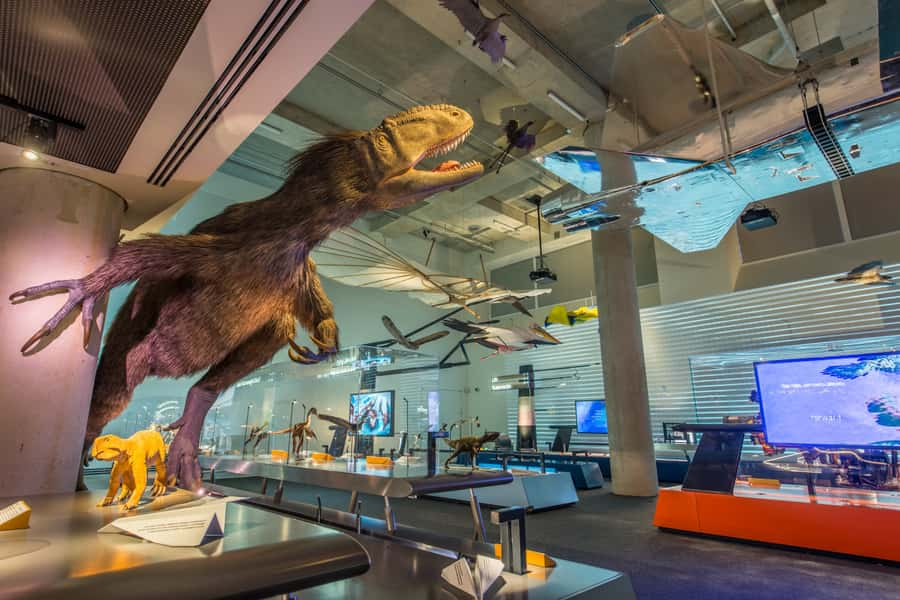
- A 30-foot dinosaur: Meet Yutyrannus Huali in the Feathers to the Stars exhibition.
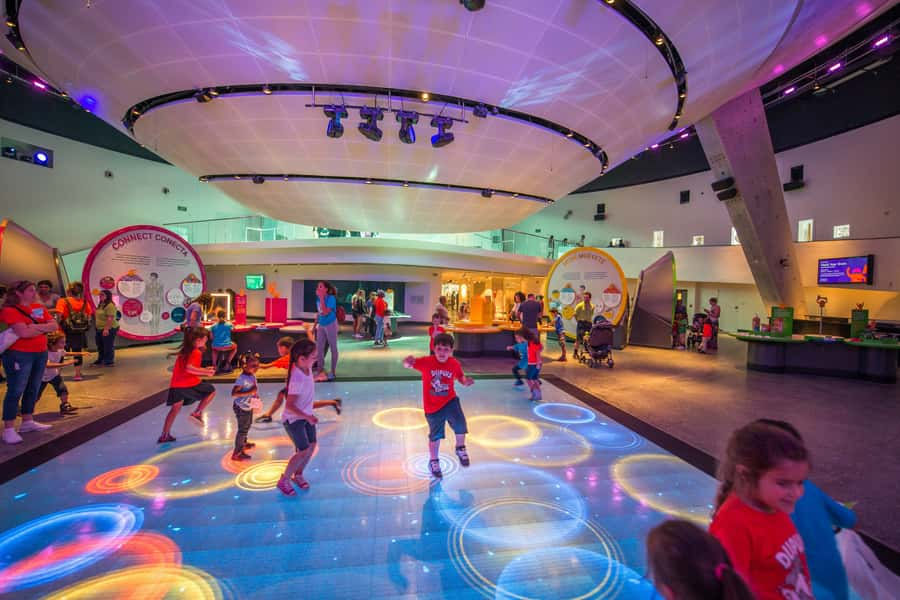
- Hands-on science: Test interactive displays, explore scientific discoveries, and learn how spacecraft reach Mars.
- Allow 3 to 4 hours: The museum rewards a relaxed visit rather than a quick walk-through.
- $30 admission: The ticket includes the museum, aquarium, and one planetarium show, but not food, drinks, or annual membership credit.
Why Frost Science works for a Miami day
Miami is full of outdoor attractions, but heat, rain, and strong sun can change your plans quickly. Frost Science gives you a useful indoor option in the heart of Downtown Miami, on the waterfront, with enough material to fill much of an afternoon.
You are not simply buying access to a single exhibit. The ticket covers the main science museum, aquarium access, and one planetarium program. That makes the experience feel more like a half-day outing than a short museum stop.
The building itself is part of the appeal. It is described as an architectural marvel, and the different sections are arranged to move you from living creatures to scientific ideas and then out toward space. You can keep the visit casual, or spend time testing displays and reading your way through the galleries.
I would plan on three to four hours if you want to see most of the exhibitions. Families with young children may spend longer at the aquarium and touch areas, while adults who stop for every interactive display can easily use the full afternoon.
Other tickets worth buying ahead in Miami:
- Miami: Museum of Ice Cream Entry Ticket
★ 4.3 · 394 reviews - NYC: 9/11 Memorial & Museum Timed-Entry Ticket
★ 4.8 · 31,428 reviews - NYC: Edge Observation Deck Admission Ticket
★ 4.6 · 20,918 reviews
Start with the aquarium and its hammerhead sharks
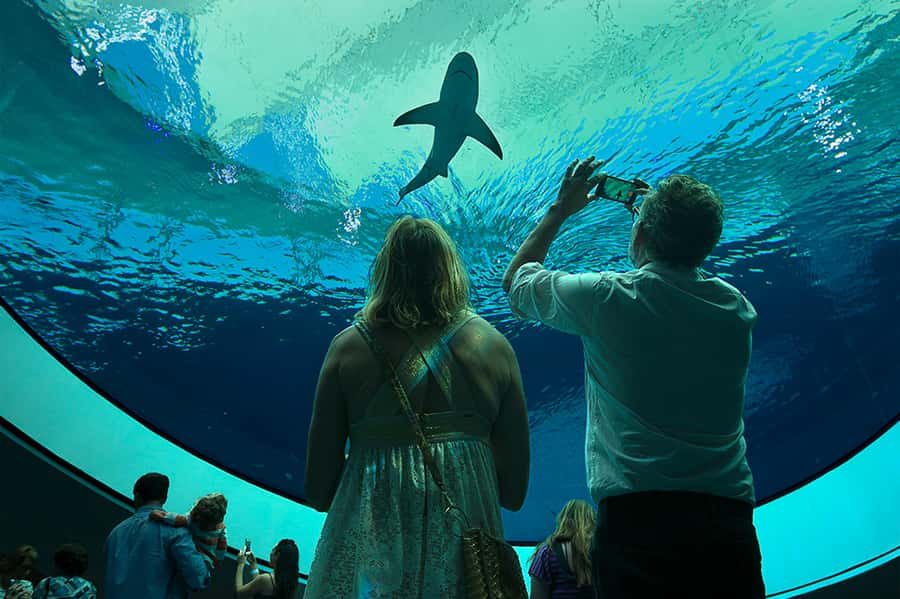
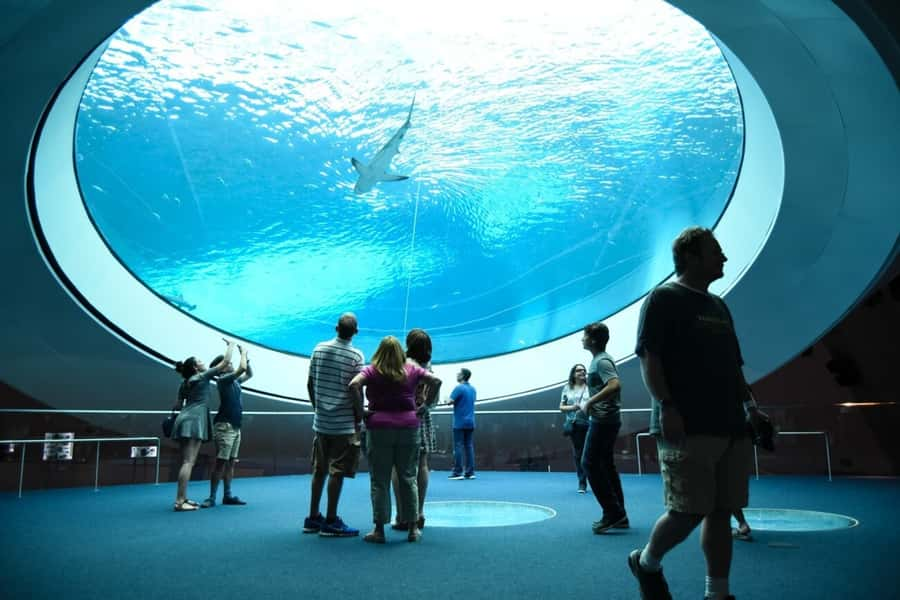
The aquarium is the museum’s most distinctive feature. Its three levels take you downward through different aquatic environments, giving the visit a sense of movement rather than presenting one flat row of tanks.
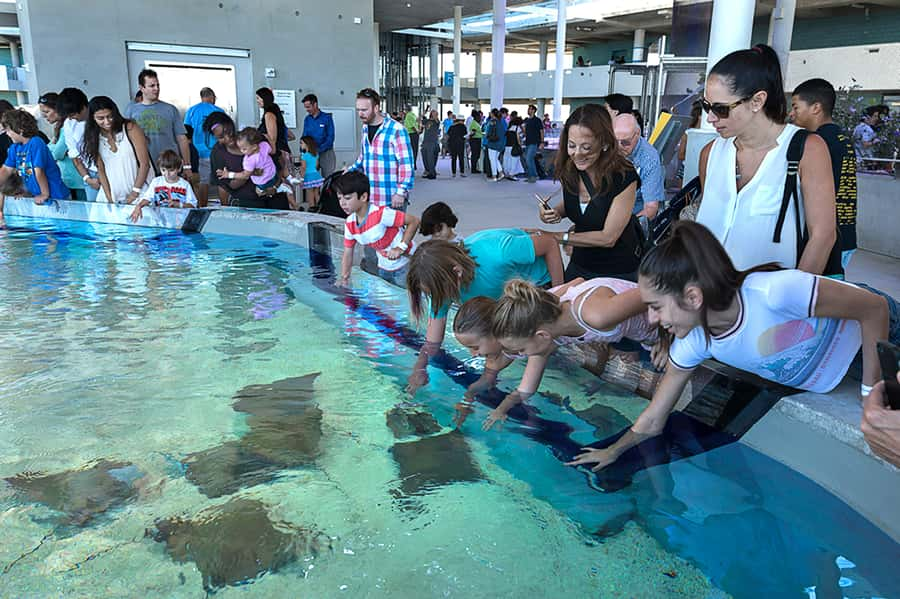
You can see jellyfish, fish, stingrays, and hammerhead sharks. The sharks are a major draw, but the smaller creatures matter too. Jellyfish displays can hold a young child’s attention because of their movement and color, while the stingray area gives you something to do rather than simply something to look at.
The touch experience is especially useful for families. A small child may not yet have the patience for a long exhibit label, but feeling different textures and watching the aquarium activity can make the science feel real. One particularly young visitor could not take part in every interactive display, yet still had plenty to watch in the tanks.
Do not rush this section. The aquarium can become the emotional center of your visit, especially if you are traveling with children. If you arrive with a strict schedule, you may find yourself moving on just as everyone gets interested.
The aquarium is also a good reason to visit even if you have already seen science museums elsewhere. Many museums offer tanks, and many offer interactive exhibits, but having the aquarium, planetarium, and science galleries in one ticket gives Frost Science a broad appeal.
Touch a stingray, then make time for the insects
The museum’s live animals extend beyond the aquarium. The bugs exhibition is a hit with children and adults who enjoy seeing small creatures at an unusually large scale.
The experience can make insects easier to study. Instead of treating them as something you hurry past, you get a closer look at their colors, forms, and movement. The display is also a useful reminder that science museums do not need giant machines to create a strong reaction.
I would place the bugs section high on your list if you have children. It gives them a clear focus early in the visit, and it pairs well with the aquarium. Both sections use living things to introduce science in a direct way.
The museum also has hands-on gadgets and interactive science displays. These can be especially rewarding when you visit with children of different ages, since one child can work through an activity while another watches an animal exhibit. Adults may prefer the sections that explain how scientific discoveries changed what people thought was possible.
Meet a feathered dinosaur and follow the path to space
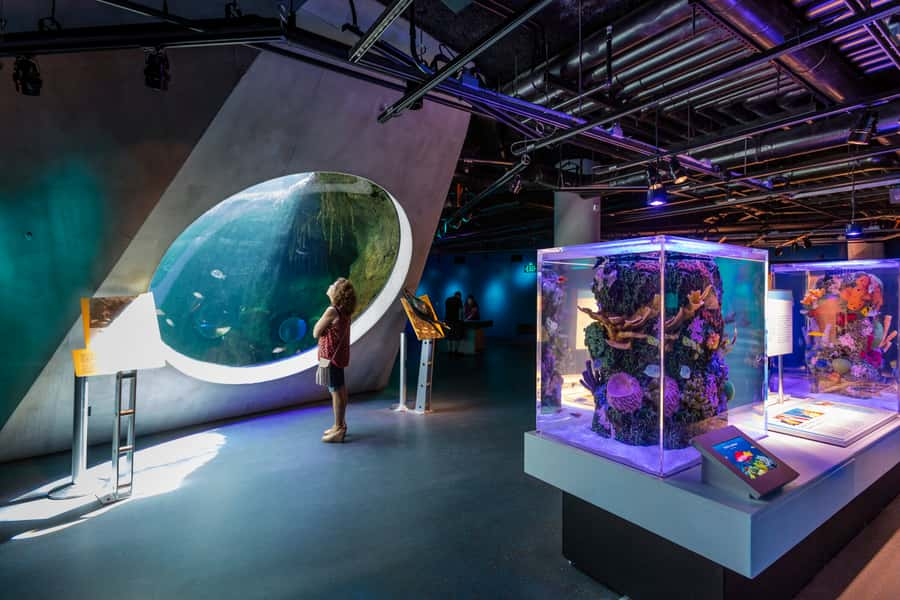
Feathers to the Stars is one of the museum’s more imaginative routes through time. It connects feathered dinosaurs with human space travel, showing how the story moves from ancient life to modern aviation and beyond.
The 30-foot Yutyrannus Huali is hard to miss. Its size gives younger visitors an immediate anchor, while the exhibition uses it to lead into larger questions about evolution and flight. The dinosaur is not just a photo stop. It helps show that the route to human flight did not begin with airplanes.
You can also learn about inventors who helped pioneer aviation. That part gives the exhibition a human angle. Instead of presenting flight as a finished achievement, it points to the experiments and ideas that came before modern aircraft.
The section then reaches outward to space. You can try to land a spacecraft on Mars, an activity that turns a distant planet into a practical problem. The appeal is in making you think about control, timing, and precision rather than simply showing an image of Mars on a screen.
If you like museums that explain connections, this is one of the strongest areas to prioritize. If your group prefers animals and physical activities, you may want to see this section in shorter bursts rather than attempting to read every panel.
Other museums and galleries in Miami:
- NYC: Empire State Building Tickets – Observatory & Museum
★ 4.7 · 25,757 reviews - New York City: American Museum of Natural History Ticket
★ 4.5 · 15,447 reviews - NYC: Museum of Modern Art (MoMA) Entry Ticket
★ 4.6 · 12,540 reviews - 9/11 Memorial, Ground Zero Tour with Optional 9/11 Museum Ticket
★ 5.0 · 6,381 reviews
Choose between Dynamic Earth and Black Holes
The Frost Planetarium is a major part of the ticket, but the show selection matters. You choose one program, and planetarium shows are available on a first-come, first-served basis.
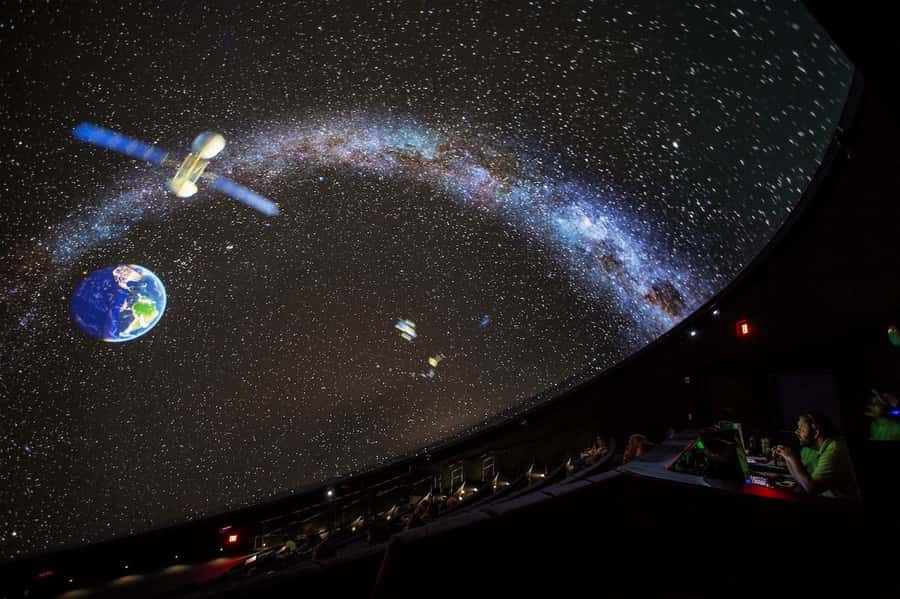
Dynamic Earth explores the workings of Earth’s climate system. It is presented in a nearly 360-degree full-dome format and narrated by Liam Neeson. The large screen gives the subject a sense of scale, connecting weather and climate processes to the planet as a whole.
Black Holes takes you in another direction. The show explores wormholes, the creation of the Milky Way Galaxy, the violent death of a star, and the birth of a black hole. If you prefer dramatic space science to Earth systems, this is likely the better choice.
Neither option is a guided lecture in the usual sense. The planetarium uses the dome, sound, and visual effects to create a concentrated presentation. That makes it a good break after several hours on your feet, though the show is less flexible than the rest of the museum because you need to work around its seating schedule.
My practical advice is simple: check the available show times when you arrive, then plan the rest of the museum around your choice. Since the planetarium is first come, first served, do not assume you can arrive at the last minute and get the exact show you want.
How much time should you set aside?
The ticket is valid for one day, and you can easily spend three to four hours using the main exhibits. That is enough time for a substantial visit, but not necessarily enough for a slow, label-by-label study of everything.
Here is a sensible order:
- Begin with the aquarium if you want to see the animals before children become tired.
- Check planetarium times next, since seating is not guaranteed.
- Visit Feathers to the Stars and the aviation displays before your show.
- Leave time for the bugs exhibition and hands-on gadgets.
- Finish with any galleries you skipped, then visit the shop if you want a museum keepsake.
This order is only a starting point. The important point is to make the planetarium schedule your fixed part of the day. The aquarium and interactive exhibits are easier to fit around it.
The museum shop has plenty of science-themed items, and it can be a pleasant final stop. Food and drinks are not included with admission, so plan your refreshments separately rather than expecting the ticket to cover them.
Is the $30 ticket good value?
At $30 per person, the ticket is not the cheapest indoor attraction in Miami. Its value depends on how much of the museum you use.
If you only walk through the aquarium and leave, the price may feel high. If you see the aquarium, spend time with the interactive displays, visit the dinosaur and aviation sections, and attend a planetarium show, the cost becomes easier to justify.
The ticket is particularly useful for families. You get animals, large-scale displays, simple activities, and a visually powerful planetarium program in one place. That variety can help keep different ages interested, which is often more valuable than a single spectacular exhibit.
Adults should think about their interests too. The Black Holes show and the climate program provide more than a children’s attraction, while the science galleries offer enough material for anyone curious about discovery, technology, and the natural world.
Do remember that food and drinks are extra, and the admission cannot be applied toward an annual membership. If you are considering membership because you live nearby or plan repeated visits, this particular ticket does not count toward that upgrade.
What can make the visit less smooth?

The museum is large enough that you may need to make choices. Trying to see every exhibit, catch a planetarium show, and stop for food can turn a relaxed visit into a rushed one.
The planetarium schedule is the biggest practical issue. You do not reserve a guaranteed seat as part of a flexible museum stroll, so check show availability early. If your preferred program is full, you may need to select another time or another show.
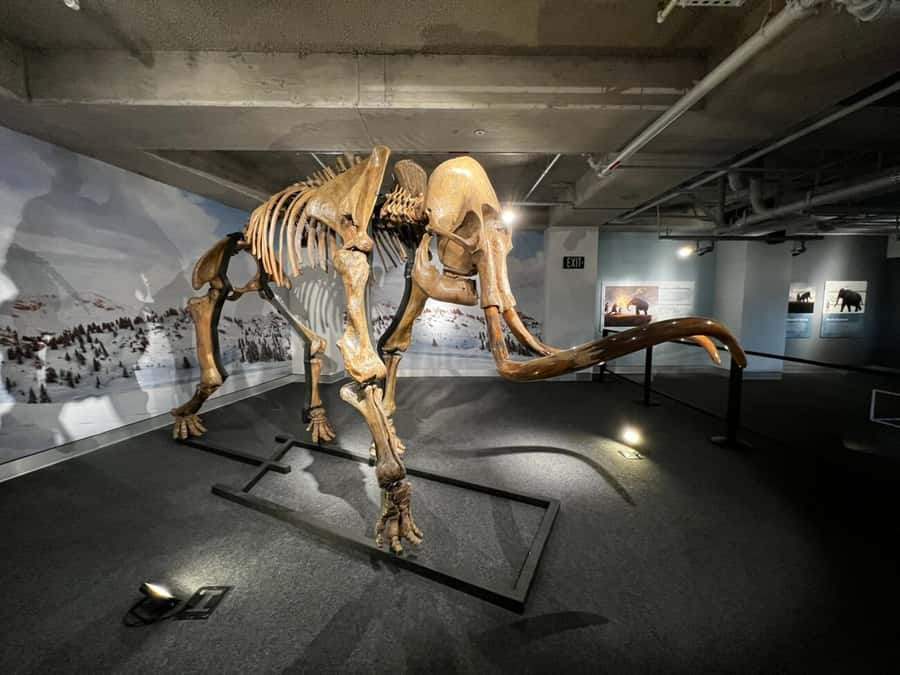
Some displays may also require a little interpretation. A large mammoth display, for example, can be confusing if you do not see clear references to it on the floor information. Give yourself time to work out where the current exhibits are rather than assuming every display is listed in the same place.
The museum is wheelchair accessible, which makes the large indoor outing easier to plan for visitors with mobility needs. You still benefit from allowing extra time, since the aquarium and exhibition areas offer a lot to see.
The ticket includes skip-the-ticket-line access, so entry should be more direct than buying a standard ticket at the counter. You still need to go to the Phillip and Patricia Frost Museum of Science to start the visit, and the activity ends there as well. Hotel pickup and drop-off are not provided.
Who will enjoy Frost Science most?
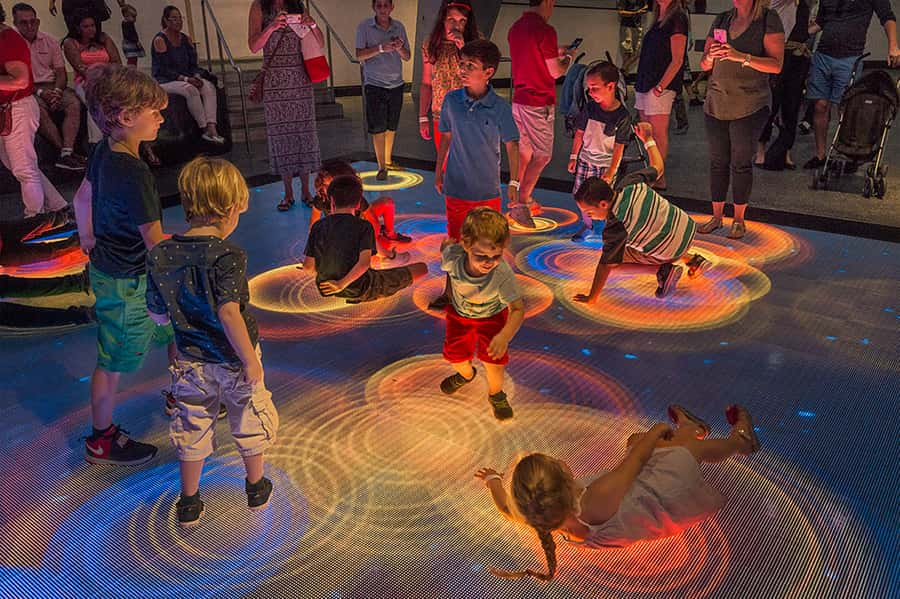
I would recommend this experience to families who want an indoor Miami activity with enough variety to fill several hours. The aquarium and touch areas work well for younger children, while the dinosaur, Mars, aviation, and space displays give older children more to think about.
It also suits adults who enjoy science museums but do not want a strictly academic presentation. The planetarium programs add a strong visual element, and the museum gives you room to choose between animals, technology, Earth science, and outer space.
It may be less suitable if you want a short, tightly timed attraction. Three to four hours is a realistic visit, and the experience is better when you allow yourself to pause. It may also disappoint anyone expecting food, transport, or an annual membership discount to be included.
The overall rating is 4.5 from 429 ratings, and the strongest attractions are clear: the aquarium, interactive displays, clean facilities, and planetarium. I would place the aquarium and planetarium first on your list, then use the remaining time for the exhibits that match your group’s interests.
Should you book the Frost Science ticket?
Book it if you want a flexible half-day activity that combines sea life, hands-on science, dinosaurs, aviation, and space. The $30 price is reasonable when you use the aquarium, several exhibits, and the included planetarium show, though it is less attractive for a very short visit.
Plan your planetarium choice early, allow three to four hours, and do not count on admission covering food or membership costs. With those expectations in place, Frost Science is a smart choice for families, curious adults, and anyone who wants a break from Miami’s heat without settling for a basic indoor attraction.
FAQ
Where does the Frost Science experience begin?
You begin at the Phillip and Patricia Frost Museum of Science in Miami. The activity also ends back at the museum.
What does the $30 ticket include?
The ticket includes entry to Frost Science, access to the aquarium, and one planetarium show.
How long is the ticket valid?
The ticket is valid for one day. The available starting times depend on the date you select.
How much time should I allow at the museum?
You can easily spend three to four hours if you use the exhibitions, aquarium, interactive displays, and planetarium.
Are planetarium seats guaranteed?
No. Planetarium shows are available on a first-come, first-served basis.
Can I choose between different planetarium shows?
Yes. You can choose one show, such as Dynamic Earth or Black Holes, depending on the available schedule.
Is the museum wheelchair accessible?
Yes. The activity is wheelchair accessible.
Just added in Miami
- Miami: Duck Tour of Miami and South Beach★ 4.5 · 698 reviews
- Raccoon Island: Exploration on SUP/Kayak★ 4.8 · 1,289 reviews
- Miami: Original Everglades Airboat Tour & Interpretive area★ 4.3 · 786 reviews
- North Miami: Nature & Island Exploration on SUP/Kayak★ 4.5 · 562 reviews
- Miami: Wild Everglades Airboat Ride and Gator Encounters★ 4.0 · 357 reviews
- Miami: ‘Superblue Miami’ Immersive Art Experience Ticket★ 4.4 · 1,247 reviews
- Miami: South Beach Private 50-Minute Private Flight Tour★ 4.8 · 941 reviews
- Miami: Wynwood Walls Skip-the-Line Ticket★ 4.6 · 840 reviews
Museums, compared.


Empire State Building Tickets – Observatory & Museum
Read our review →


9/11 Memorial, Ground Zero Tour with Optional 9/11 Museum Ticket
Read our review →

All-Access 9/11: Ground Zero Tour, Memorial and Museum, One World Observatory
Read our review →
Browse the lists this tour appears in