
Reviewed · MUSEUMS
Houston Museum of Natural Science General Admission
The Houston Museum of Natural Science packs four floors of dinosaurs, fossils, wildlife, gems, and cultural displays into an easy self-guided visit. The main attraction is North America’s largest dinosaur hall, but the mineral collection and Texas wildlife exhibits give you plenty of reasons to keep going after the first big skeletons.
I like the freedom to choose your own pace, and I like the museum’s location across from Hermann Park, which makes it easy to pair with another Houston outing. The main catch is that the $25 ticket covers the permanent exhibit halls only. Special exhibitions, films, the butterfly center, the planetarium, and the Brown Hall of Entomology cost extra.
Key points to know before you go
- Plan on four floors: Three hours is enough for a brisk visit, but not enough to study every room.
- Start with the dinosaur hall: It is the museum’s headline attraction and a strong choice for children and first-time visitors.
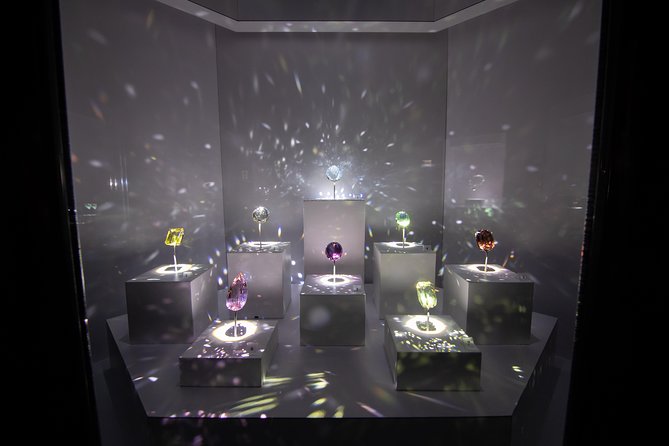
- The mineral collection deserves time: More than 450 rare gemstones and geodes fill one of the museum’s most memorable halls.
- Your ticket is for permanent exhibits: Special shows and attractions require separate admission.
- Parking can change the value: The attached garage has been reported at $30, so compare that cost with public transportation or other options.
- Tuesday evenings can save money: Permanent exhibit admission is free from 5 to 8 pm on Tuesdays.
Four floors of natural history in Houston
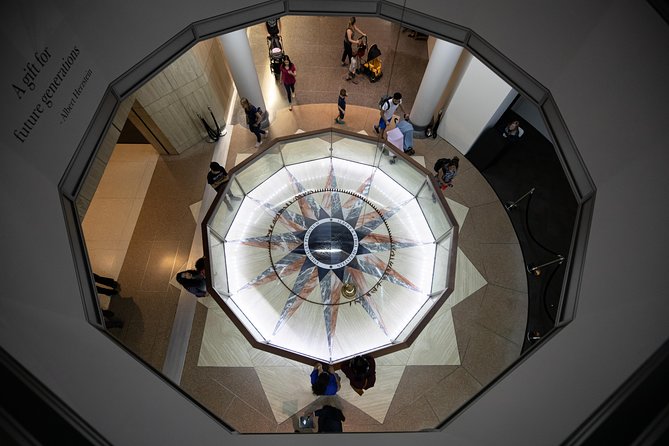
The museum sits in the heart of Houston’s Museum District, directly across from Hermann Park. That location gives you a useful planning choice: make the museum the main event, or combine it with time outdoors in the park.
This is not a small, one-hour museum. The permanent halls spread across four floors, with several rooms on each level. The layout is clearly marked, and lifts connect the floors, but the building is larger than the exterior may suggest. Wear comfortable shoes and give yourself time to move between rooms without rushing.
The advertised visit lasts about three hours. I would treat that as a minimum for a first visit, especially if you are traveling with children or want to read the displays. A family with a toddler may need a break before seeing everything, while a focused adult visitor can choose two or three favorite sections and finish in an afternoon.
You will exchange your voucher for an admission ticket when you arrive. Bring photo identification for that redemption step. This is not a guided tour, so you will not have a scheduled group, guide, or fixed route. You decide where to begin and how long to stay.
Other tickets worth buying ahead in the USA:
- NYC: 9/11 Memorial & Museum Timed-Entry Ticket
★ 4.8 · 31,428 reviews - NYC: Edge Observation Deck Admission Ticket
★ 4.6 · 20,918 reviews - NYC: Museum of Modern Art (MoMA) Entry Ticket
★ 4.6 · 12,540 reviews
The dinosaur hall is the natural starting point
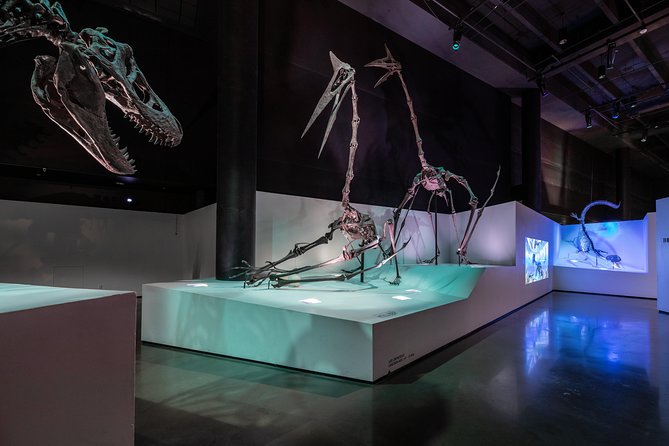
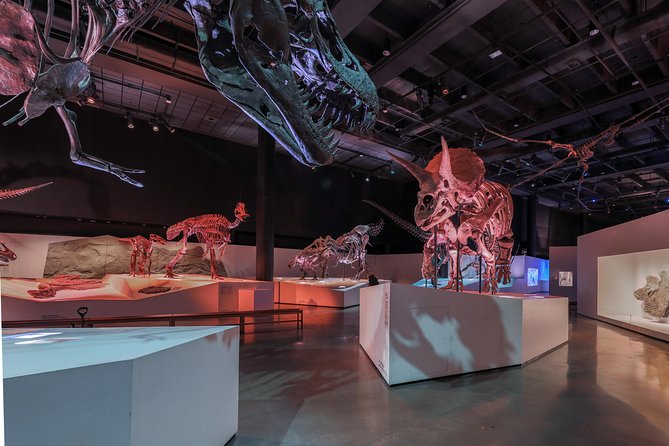
The dinosaur hall is the obvious first stop for many people, and for good reason. It is billed as North America’s largest dinosaur hall, giving the museum a powerful centerpiece rather than a token fossil room tucked into a corner.
You can expect large fossils and displays that work well for both children and adults. The scale makes the hall memorable, while the information panels help put the creatures and fossils into context. If you have a young child with you, this is a good place to begin while energy and attention are still high.
The hall also gives you a useful sense of the museum’s size. You may arrive expecting a quick look at a few skeletons, then find yourself spending much longer among the fossils. Set a time limit if you have other priorities, or you may find that the dinosaurs take over the entire visit.
The museum is well suited to families because the subject matter is visual and easy to approach at different levels. A four-year-old can enjoy the shapes and scale of the animals, while an older child or adult can spend more time with the scientific explanations. Adults should not dismiss this as a children’s stop. The fossil displays can carry an entire visit for anyone interested in paleontology.
Gems, minerals, and geodes bring a different kind of drama
After the dinosaurs, head for Gems and Minerals. The collection includes more than 450 rare gemstones and geodes, making this one of the strongest reasons to visit even if fossils are not your main interest.
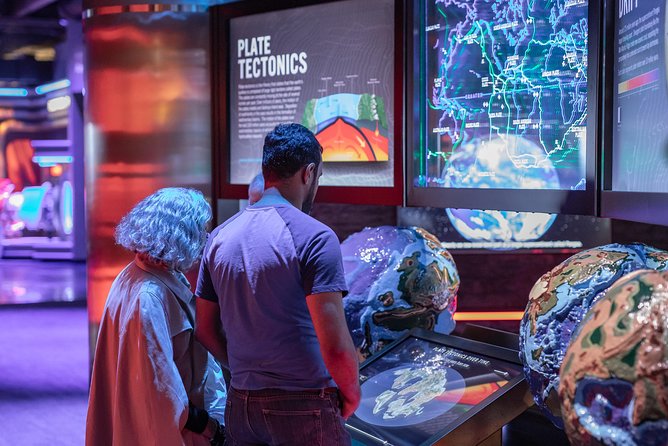
The appeal here is visual. Dinosaur halls are about size and extinct life; the mineral rooms are about color, form, texture, and the slow work of geology. Rare specimens and geodes provide a change of pace, and the displays can hold the attention of adults who might otherwise move quickly through a museum with children.
I would not save this section for the last few minutes. It is easy to spend a short time looking at the largest or brightest pieces, but the collection rewards a slower pace. If you enjoy photography, check the museum’s rules on the day of your visit rather than assuming every display can be photographed.
The mineral hall also helps balance the museum’s program. You are not getting only dinosaurs and animal dioramas. The permanent exhibits cover several branches of natural science, so the visit feels broader than a single-subject museum.
Texas wildlife and global animal halls
The Texas Wildlife section offers a local connection that many visitors will appreciate. Instead of treating the museum as a collection of distant places and prehistoric animals, this exhibit brings the focus back to the state around you.
You can also visit displays on African Wildlife and the Americas. Together, these sections let you compare animals and environments from Texas with those from other parts of the world. The experience is self-guided, so you can spend more time in the region that interests you and move quickly through the rest.
The wildlife halls are especially useful for families with different interests. One child may want dinosaurs, another may prefer sharks, and an adult may be more interested in the mineral or animal displays. Since there is no guide setting the pace, each person can pause at a favorite case without holding up the entire group.
The museum also includes a shark exhibit that has been a favorite with younger children. That makes it worth checking the floor map when you arrive, particularly if your child has a specific animal in mind.
Other museums and galleries in the USA:
- NYC: Empire State Building Tickets – Observatory & Museum
★ 4.7 · 25,757 reviews - New York City: American Museum of Natural History Ticket
★ 4.5 · 15,447 reviews - 9/11 Memorial, Ground Zero Tour with Optional 9/11 Museum Ticket
★ 5.0 · 6,381 reviews - 9/11 Memorial Museum Admission Ticket
★ 4.5 · 6,376 reviews
The museum works well for families, but timing matters

This is a strong family outing because the exhibits offer plenty to look at, and many displays are designed to hold attention across age groups. A toddler can enjoy the large animals and visual displays, while teenagers and adults can read more deeply or choose less obvious sections.
School groups can affect the atmosphere. During weekday visits, you may encounter loud or fast-moving groups of children, especially at popular times. If you want a quieter experience, consider arriving early or visiting later in the day. Tuesday evening is another option because the permanent exhibit halls are free from 5 to 8 pm, although the shorter window means you will need to choose your priorities.
That free period is especially appealing for locals or repeat visitors. It is less useful if you are seeing the museum for the first time and want to cover four floors without hurrying. For a first visit, I would pay for a longer block of time unless your schedule is tight.
Families should also think about breaks. Three hours is a long stretch for a small child, and the museum has a café where you can buy food and drinks. A pause can make the difference between a pleasant visit and a rushed exit.
What the $25 ticket actually covers
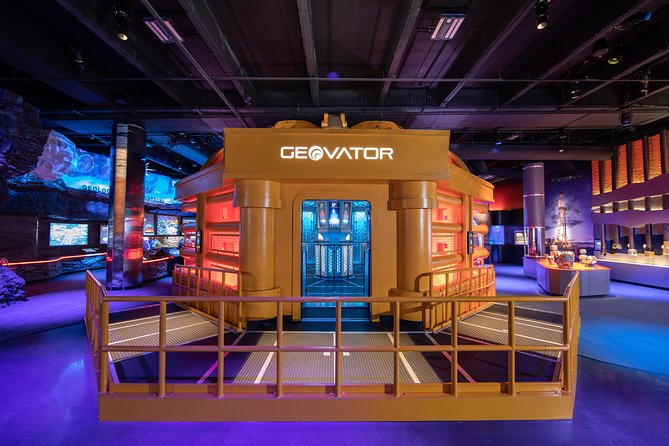
At $25 per person, general admission can be a fair price if you spend several hours inside and use the permanent halls fully. The dinosaur hall, mineral collection, wildlife displays, and other permanent rooms provide enough material for a substantial afternoon.
The value changes if you arrive expecting every attraction to be included. General admission does not cover special exhibits, films, the butterfly center, traveling exhibitions, or the planetarium. The Brown Hall of Entomology also requires additional payment according to the admission information provided.
This distinction matters because special exhibitions may be prominently advertised inside the museum. You could see a King Tut exhibition or another temporary attraction and decide on the spot that you want to add it. That can turn a $25 visit into a much more expensive family outing, particularly when several people need tickets.
Before you pay for extras, ask the ticket staff for the complete current price and exactly what each add-on includes. Also check for possible discounts that apply to you. One particularly important point is senior pricing. The supplied booking price is $25, but a senior rate has been displayed at the museum in the past, so older visitors should compare the available rates before committing.
Parking can affect the budget even more than the admission. The attached garage has been reported at $30 for nonmembers. If you drive, include parking in the real cost of the outing rather than treating it as an afterthought. The museum is near public transportation, so that may be a better choice depending on your starting point and Houston’s traffic.
Arrival, layout, and practical pacing
On arrival, take your voucher and photo ID to the ticket window to exchange it for admission. The voucher does not necessarily function as a walk-straight-in museum ticket, so allow time for this step. Some visitors have found the exchange quick, while others have encountered a line and felt that the online purchase did not save much time.
Once inside, use the map and signs before rushing toward the first exhibit. The museum is laid out across several floors, and a few minutes spent getting oriented can save backtracking later. Ask staff if you cannot find a room, café, lift, or particular display.
A sensible three-hour plan might look like this:
- Begin with the dinosaur hall while children are fresh.
- Continue to Gems and Minerals for a slower, more detailed stop.
- Choose Texas Wildlife, African Wildlife, or the Americas based on your interests.
- Leave time for the shark exhibit and any other high-priority room.
- Finish with the café or gift shop if your group needs a break.
This is only a framework. The best feature of general admission is that you are not tied to a tour route. You can skip a room without feeling that you have missed part of a guide’s presentation, then return to it if time allows.
Food, breaks, and the gift shop
Food and drinks are not included in the ticket, but refreshments are available at the café. That gives you a practical place to pause during a long visit, especially with children. Prices have been described as reasonable by at least one family, though you should still budget separately for lunch and snacks.
The gift shop is another easy add-on, particularly if you are visiting for a birthday or family occasion. It is not part of the admission value, but it can be a convenient final stop after the exhibit halls.
Remember that food costs, parking, and special attractions can push the total well above the advertised $25. If you are bringing a daughter and two grandchildren, for example, even one paid special exhibition can change the day’s budget quickly. Decide in advance how much you want to spend on extras, and treat any add-on as optional rather than necessary.
Who will get the most from this visit
I would choose this museum for families, first-time Houston visitors, school-age children, dinosaur fans, and adults who enjoy natural science but prefer to set their own pace. It also works well when you need a flexible afternoon activity before another Houston event, such as a sports game or evening plan.
It is less ideal if you want a single focused exhibition, a personal guide, or a quick attraction that can be finished in an hour. The building is large, and the self-guided format requires you to make your own choices.
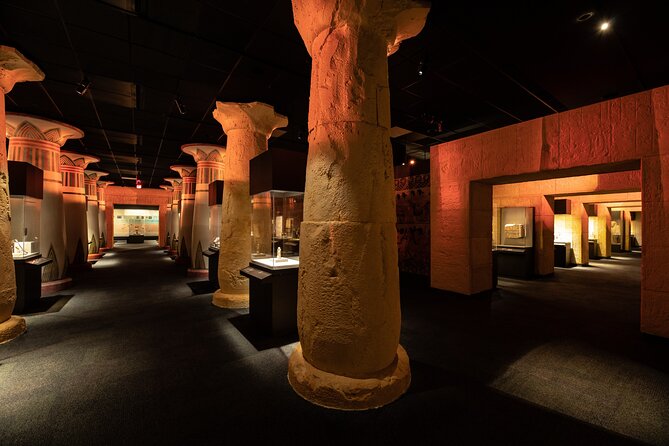
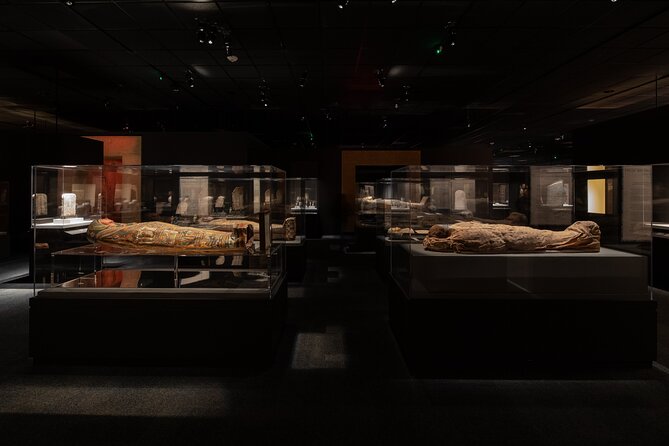
For adults, the museum can be more enjoyable than expected because the exhibits are not limited to child-focused displays. The mineral collection, fossil halls, and Egyptian material can give an adult couple or solo visitor a full afternoon. For families, the main challenge is managing the size of the museum, the school-group crowds, and the cost of extras.
Should you book Houston Museum of Natural Science admission?
Book it if you want several hours of flexible indoor sightseeing and you are happy to focus on permanent exhibits. The dinosaur hall and Gems and Minerals collection alone give the $25 ticket real substance, while the wildlife halls make the visit more varied.
Before booking, check the museum’s current hours, parking cost, senior rates, and special-exhibit prices. If you can visit Tuesday from 5 to 8 pm, the permanent halls are free, but that short window may feel rushed for a first visit.
I would bring comfortable shoes, a photo ID, and a simple plan for your top three exhibits. If you budget for parking and extras honestly, this can be an excellent Houston afternoon. If you expect one ticket to include every attraction, you may find the final bill disappointing.
FAQ
How long should I allow for the museum?
The experience is listed as approximately three hours, but the four floors and multiple rooms can take longer if you read displays carefully or visit with children.
What does the general admission ticket include?
The ticket includes entry to the permanent exhibit halls, including dinosaurs, Gems and Minerals, Texas Wildlife, African Wildlife, the Americas, and other permanent displays.
Are special exhibitions included?
No. Special exhibits, films, the butterfly center, traveling exhibitions, the Brown Hall of Entomology, and the planetarium require additional payment.
Is parking included in the $25 price?
No. Parking is separate and payable on arrival. The listed information does not include a parking fee, and one reported garage price was $30 for nonmembers.
What do I need to redeem the voucher?
Bring your voucher and a photo ID. You exchange the voucher at the museum for your admission ticket.
Can I visit the permanent exhibits for free?
Yes. Admission to the permanent exhibit halls is free from 5 pm to 8 pm each Tuesday. Separate attractions may still require their own admission.
Just added in the USA
- Key West Reef Snorkel – Morning Mimosas or Afternoon Margaritas★ 4.0 · 620 reviews
- Key West Half-Day Fishing Charter★ 4.5 · 408 reviews
- Key West Haunted Pub Crawl and Ghost Tour with Free T-Shirt★ 4.5 · 549 reviews
- Key West Glass-Bottom Boat Tour with Sunset Option★ 4.0 · 576 reviews
- Key West Ghosts and Gravestones Trolley Tour★ 4.5 · 1,217 reviews
- Key West Dolphin and Snorkel Experience★ 4.5 · 334 reviews
- Key West Afternoon Reef Snorkeling with Open Bar★ 4.5 · 419 reviews
- Key West Ghost and Mysteries Guided Tour★ 4.5 · 1,079 reviews
Museums, compared.


Empire State Building Tickets – Observatory & Museum
Read our review →


9/11 Memorial, Ground Zero Tour with Optional 9/11 Museum Ticket
Read our review →

All-Access 9/11: Ground Zero Tour, Memorial and Museum, One World Observatory
Read our review →
Browse the lists this tour appears in