
Reviewed · TOURS IN BIG ISLAND OF HAWAII
Hawaiian Salt Farm Tour in Kona
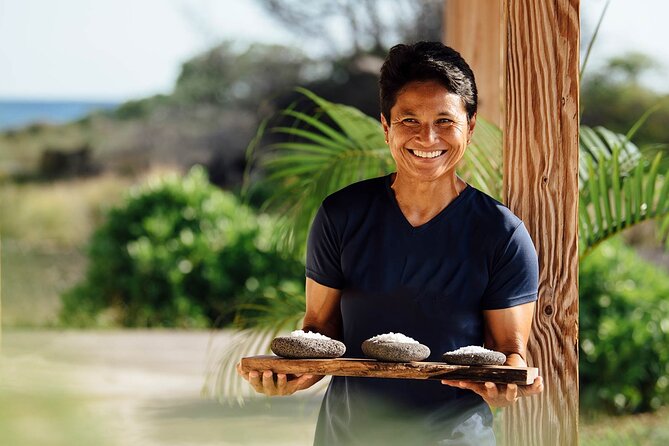
Kona’s only salt farm turns seawater into a surprisingly good short tour. You walk through the oceanfront operation, hear how salt has been gathered in Hawaii, watch the drying process, and finish by tasting a range of hand-harvested salts. It is a welcome change from the usual beach-and-volcano routine.
I like the clear look at a working food operation and the chance to taste the finished product instead of simply hearing a talk. I also like the setting at Keahole Point, where the water source and ocean views give the visit a real sense of place. The main drawback is the sun, and one guide has been described as speaking too quickly, so ask questions early if you need a slower explanation.
Key points to know before you go
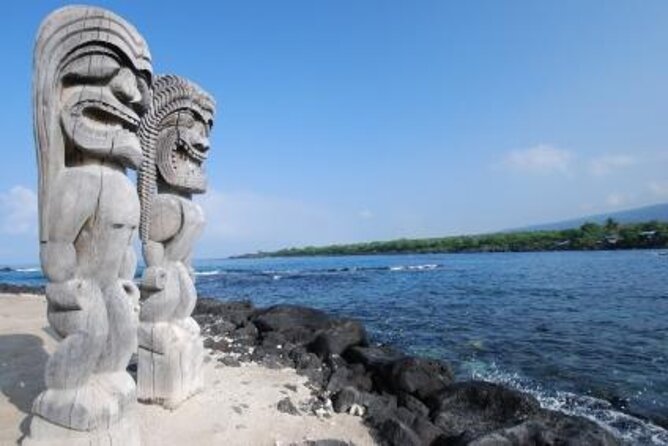
- This is the only Hawaiian salt farm of its kind: You visit a real oceanfront production site rather than a museum display.
- The tour is short and focused: Plan on about 45 minutes to an hour, including the guided walk and tasting.
- The salt tasting is the finale: You sample several varieties, with one tasting featuring about 15 salts alongside fruit and vegetables.
- The guides add local context: Candy, Candee, Mari, and Ipolani have been praised for explaining salt production, Hawaiian language, culture, and the area around Keahole Point.
- The $27 price is reasonable: You get a guided visit, a look at the process, and a tasting without spending half a day.
- Sun protection matters: Wear sunscreen and a hat. Umbrellas are available for shade.
A working salt farm beside the Pacific
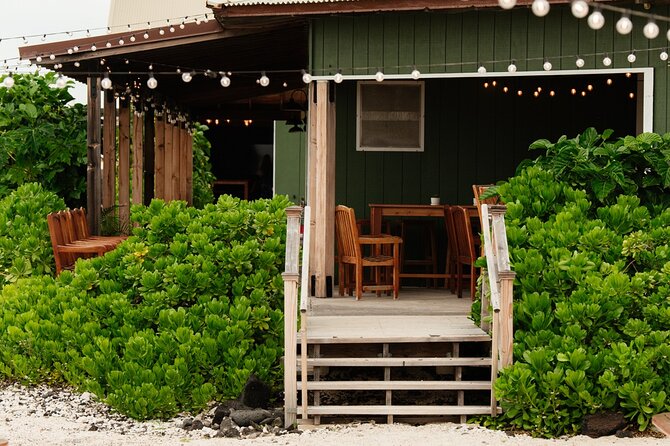
The farm occupies a seven-acre oceanfront site at 73-907 Makako Bay Drive in Kailua-Kona. That location matters. Salt production here is tied directly to the Pacific, and the first part of the visit explains the water source before you see how the water becomes a finished food product.
This is not a large industrial plant with endless machinery. The appeal is seeing a smaller, hands-on operation and understanding the stages one by one. You move through the water source, salt harvesting areas, drying areas, and finished products with a guide who explains what you are looking at.
I find this kind of tour useful because it gives you a better connection to an everyday ingredient. Salt usually arrives in a container with little explanation. Here, you see that it begins with ocean water and requires careful handling before it reaches the table.
The setting also makes the experience pleasant even for people who are not especially interested in cooking. You get open ocean views, a local story, and a relatively easy walk rather than a strenuous outdoor activity.
Other farms to visit near Big Island of Hawaii:
- Award Winning Farm Tour: Coffee, Chocolate and Unique Gifts
★ 5.0 · 484 reviews - Big Island: Volcanoes, Waterfalls, & Coffee Farm Day-Trip
★ 4.9 · 414 reviews - Small-Group Big Island Tour: Hawaii Volcanoes National Park and Kona Coffee Farm
★ 5.0 · 343 reviews
What happens during the 45-minute visit
Your Salt Farm Manager meets you at the farm office. The guided portion is listed at about 45 minutes, while the full experience is generally described as about one hour. That gives you a useful planning window, especially if you are fitting this stop between other Kona activities or using it as one of your last stops before a flight.
The first subject is the water source. Your guide explains where the seawater comes from and why the source matters to the farm. From there, the tour moves through the salt harvesting areas and the stages used to turn ocean water into salt.
You should expect plenty of explanation, not a hands-on workshop. The value is in seeing the process and asking questions. Guides have also discussed the farm’s other deep-ocean mineral products, so the tour covers more than table salt alone.
The walk ends with a tasting. This is the most playful part of the visit, and it gives the earlier explanation a practical finish. Rather than simply looking at different packages in the shop, you can compare flavors and textures directly.
One tasting included roughly 15 varieties with fruit and vegetables. The exact selection may change, but you can expect a range of salts and a chance to notice how different versions work with food. If you cook, this is where the $27 price feels especially fair. You get a small food lesson and a useful idea for a souvenir.
Hawaiian traditions and the story of Keahole Point
The farm’s story is not limited to modern production. Guides explain how early Hawaiians harvested salt and connect that tradition with the present-day operation.
Several guides have also brought in broader details about Hawaii, including the Hawaiian alphabet and language, local life, and the history of the area. Candy and Candee have been singled out for clear explanations, while Mari was praised for making the tour engaging despite having worked there for only a short time. Ipolani has been noted for remembering names and discussing the environmental side of salt production.
The area around Keahole Point gives the talk a strong local setting. You are not learning about an abstract factory somewhere else. You are standing beside the ocean that supplies the farm, hearing how the location shaped the business and the people connected with it.
The environmental message is also worth noting. The operation supports efforts connected with beach cleanup and keeping the ocean clean. That does not turn the tour into a formal conservation program, but it adds useful context to the idea of harvesting a natural resource responsibly.
The salt tasting is more interesting than it sounds
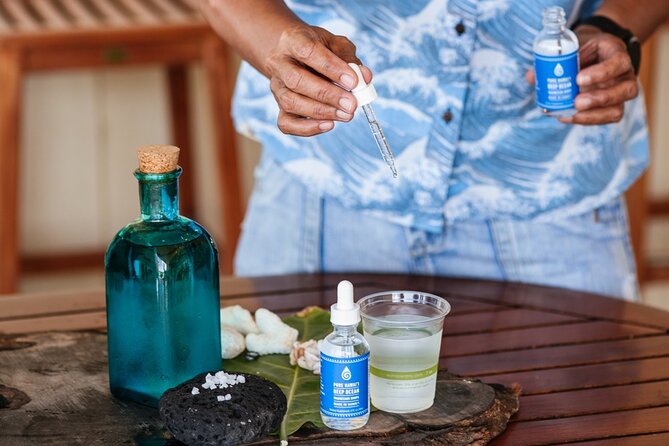
I expected the tasting to be a small extra, but it is central to the experience. Salt can taste different depending on how it is prepared and what has been added. Sampling several kinds helps you understand why the farm sells more than one version.
The tasting also keeps the tour from becoming too technical. You hear about water, harvesting, drying, and minerals, then immediately get to try the result. Fruit and vegetables help you compare the salts in a simple way.
This is a good stop for cooks, food-focused visitors, and anyone who enjoys local products. You can buy salt afterward as a practical souvenir, and the small containers are easier to pack than many island gifts.
The shop also carries other salt and mineral products. You do not need to buy anything, but the display helps you see how the farm turns its production into a wider product line.
One point to clarify during the tasting is which samples come directly from the farm. A visitor found the selection unclear and felt the guide reacted poorly to questions. That seems to be an exception to the generally friendly tone of the experience, but it is useful advice: ask politely and specifically if you want to know how a particular salt was made or flavored.
Same base, a different kind of day out:
- Big Island in a Day: Volcanoes Waterfalls Sightseeing and History
★ 5.0 · 6,569 reviews - Big Island Manta Ray Night Snorkel
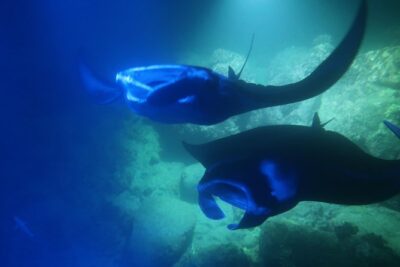
★ 5.0 · 5,656 reviews - Big Island: Kona Manta Ray Snorkel Tour in Keauhou Harbor
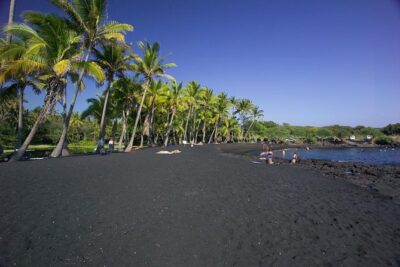
★ 4.5 · 2,465 reviews - Hilo Shore Excursion: Volcanoes National Park & Black Sand Beach
★ 4.5 · 2,338 reviews
Guides make the difference
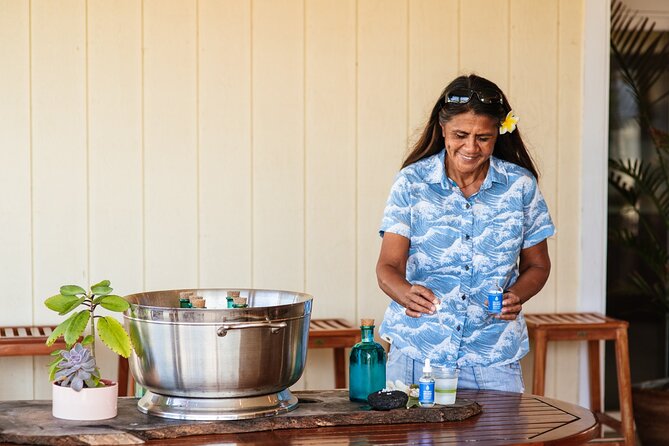
The tour is built around the person leading it. Candy, Candee, Mari, and Ipolani have all been praised for making the material accessible and for answering questions beyond the basic script.
That range of names also suggests that the exact personality and pace may vary from one departure to another. Most of the feedback points to guides who are friendly, informed, and able to discuss both the salt process and Hawaiian culture. One account found the guide spoke too fast, making the information difficult to follow.
My advice is simple: stay near the guide, ask for clarification, and speak up if the pace is too quick. There is a lot to cover in less than an hour, and the experience is better when you understand the steps rather than simply moving from one area to the next.
The small maximum group size of 20 helps. This is not a huge coach group where you stand at the back and miss half the explanation. A smaller group also makes the tasting and question period more comfortable.
Heat, walking, and the optional foot soak
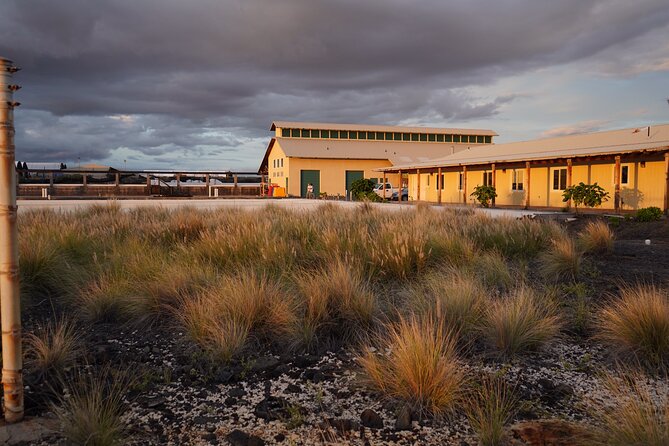
The visit is not strenuous. The route through the farm is described as accessible, with possibly one small change in level. Someone using a walker was able to enjoy the tour, and most people should be able to take part.
Still, this is an outdoor oceanfront site. Wear sunscreen and a hat, and expect sun exposure. Umbrellas are available to help with shade, but I would not rely on them as your only protection.
Some people add a deep-ocean foot soak separately. It is not part of the basic $27 tour, so treat it as an optional extra rather than a standard feature. The water is reported to be much colder than expected, which may be refreshing or startling depending on your tolerance.
The foot soak uses deep seawater and is connected with the farm’s mineral products. If you want this add-on, ask about it when you arrive. Do not schedule it assuming the standard tour automatically includes it.
Why the $27 price works
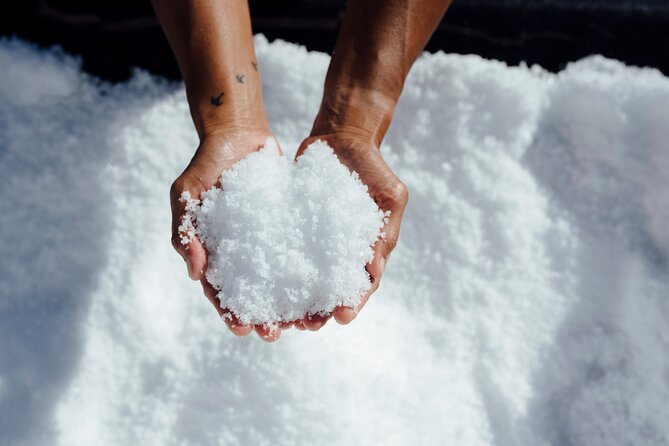
At $27 per person, this is one of the easier Kona activities to justify. You receive a guided look at a working farm, local and cultural background, an explanation of the production process, and a tasting.
The visit is also efficient. You do not need to give up a full morning or afternoon, and the farm is close enough to the airport that it can work as a final stop before departure. Allow extra time beyond the formal tour if you want to browse the shop or arrange the foot soak.
The value depends on what you want from a tour. If you need a dramatic adventure, this will feel modest. There is no long boat ride, strenuous hike, or major attraction. If you prefer local food, small businesses, and a clear explanation of how something is made, the price is strong.
The high rating of 4.9 from 767 reviews and a 96 percent recommendation rate fit the overall experience, though you should still keep the short duration and outdoor setting in mind.
Who should book this Kona experience?
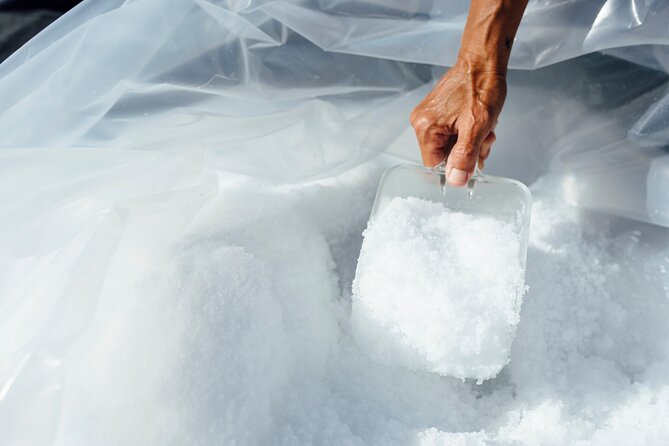
I would recommend it to anyone who wants a quieter activity between larger Big Island outings. It suits couples, families, solo visitors, and groups of friends, and children around the ages of 11 and 14 have enjoyed the tasting and process.
It is especially good for:
- Food lovers: You get to compare salts instead of just hearing about them.
- Families: The visit is short, visual, and not physically demanding.
- Older family members: The farm is described as accessible, with little level change.
- Eco-conscious visitors: The tour connects salt production with ocean care and beach cleanup.
- Repeat Hawaii visitors: It offers a local industry story rather than another standard viewpoint.
- People with spare airport time: The short format and location near the airport make it practical.
I would be less eager to recommend it if your schedule is packed with major sights or if you dislike tasting products, shopping areas, or outdoor heat. The tour is informative, but its subject is specialized. You need at least a little curiosity about food, local production, or Hawaiian history to get the most from it.
Booking and cancellation details
The experience is offered in English and uses a mobile ticket. Confirmation arrives when you book, and service animals are allowed. The maximum group size is 20, and most people can participate.
You can cancel for a full refund up to 24 hours before the start time. Cancellations or changes made within 24 hours are not refunded or accepted. Since the experience depends on good weather, a weather cancellation gives you the choice of another date or a full refund.
It is booked an average of 24 days ahead, so I would not leave it until the last minute if the farm is important to your plans.
Should you book the Hawaiian Salt Farm Tour?
Yes, if you want an affordable, short, and distinctly Kona experience. The farm gives you a look at ocean-based food production, a taste of local salt, and a bit of Hawaiian cultural context without demanding much time or physical effort.
Book it for the story, the oceanfront setting, and the tasting. Just bring sun protection, allow about an hour, and ask questions if the guide moves quickly. If a foot soak interests you, arrange it separately and prepare for very cold water. For $27, this is a smart choice for visitors who want to understand a small part of Hawaii rather than simply photograph it.
FAQ
How long does the Hawaiian Salt Farm Tour last?
The experience lasts approximately one hour. The guided farm portion is listed at about 45 minutes, followed by the salt tasting and time around the farm office or shop.
How much does the tour cost?
The tour costs $27 per person.
Where does the tour meet?
You meet at 73-907 Makako Bay Drive, Kailua-Kona, Hawaii 96740. The tour ends back at the same meeting point.
What will I see during the tour?
You will see the farm’s water source, salt harvesting areas, drying process, finished products, and other deep-ocean mineral products. The guide also explains Hawaiian salt harvesting traditions and the farm’s operation.
Is salt tasting included?
Yes. The tour ends with a tasting of different Hawaiian salts. One tasting included about 15 varieties served with fruit and vegetables.
Is the tour offered in English?
Yes. The experience is offered in English.
How large is the tour group?
The maximum group size is 20 people.
Is the tour accessible for people with mobility issues?
Most people can participate, and the farm is described as generally accessible with possibly one small level change. A person using a walker was able to enjoy the full experience.
Can I cancel for a refund?
Yes. You can receive a full refund if you cancel at least 24 hours before the local start time. Cancellations within 24 hours are not refunded. If poor weather causes the farm to cancel, you can choose another date or receive a full refund.
Just added in Big Island of Hawaii
- Hilo Shore Excursion: Active Volcano, Lava Tube, Waterfall and Gardens★ 5.0 · 393 reviews
- Volcano Adventure: Hilo Sightseeing w/ Optional Helicopter Tour★ 4.5 · 412 reviews
- Whale Watching On The Big Island★ 5.0 · 573 reviews
- Zodiac Raft Whale Watching Adventure★ 5.0 · 456 reviews
- Kealakekua Bay Snorkeling Tour – 4 hour Kona Zodiac Adventure★ 5.0 · 508 reviews
- Big Island, Hawaii: Volcanoes National Park Safari★ 4.5 · 545 reviews
- Small Group Big Island Twilight Volcano and Stargazing Tour★ 5.0 · 1,619 reviews
- Deluxe Snorkel & Dolphin Watch Aboard a Luxury Catamaran from Kailua-Kona★ 5.0 · 797 reviews
Tours in Big Island of Hawaii, compared.
Big Island in a Day: Volcanoes Waterfalls Sightseeing and History
Read our review →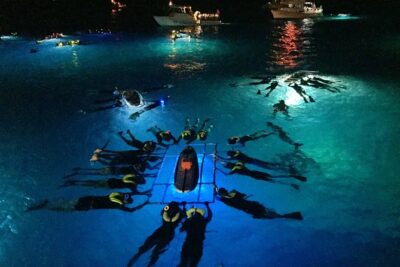
Kona Manta Ray Snorkel Tour in Keauhou Harbor
Read our review →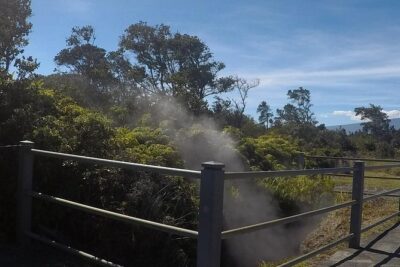
Hilo Shore Excursion: Volcanoes National Park & Black Sand Beach
Read our review →
Captain Cook Snorkel On A Power Catamaran With Lunch
Read our review →
KONA Manta Ray Night Snorkel – FREE re-ride if no Sightings
Read our review →
Big Island GOAT Experience: Mauna Kea Summit, Sunset & Stars
Read our review →
Small Group Big Island Twilight Volcano and Stargazing Tour
Read our review →Browse the lists this tour appears in