
Reviewed · WALKING TOURS
French Quarter Historical Sights and Stories Walking Tour
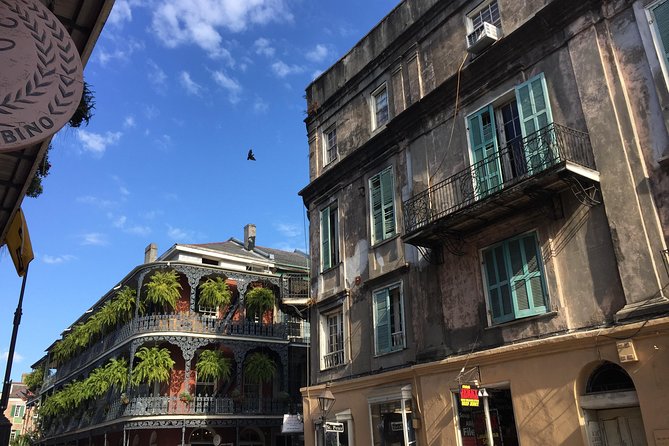
New Orleans tells its story in balconies, courtyards, church bells, street names, and plates of food. This two-hour French Quarter walking tour helps you connect those pieces, moving from Jackson Square and St. Louis Cathedral to the French Market, Royal Street, and the Mississippi River.
I like the small group limit of 12, which makes it easier to hear a guide and ask questions. I also like the mix of grand landmarks and lesser-known details, including architecture, religion, local politics, food, and recommendations for places to visit later.
The main drawback is pace. You cover a lot in two hours, but one person wished the route included more buildings and more ground. Expect a focused introduction, not an exhaustive tour of every corner of the French Quarter.
Key points to know before booking
- Six central stops in two hours: The route includes the French Quarter, French Market, St. Louis Cathedral, the Mississippi River, Royal Street, and Jackson Square.
- Small-group format: The tour has a maximum of 12 people, so you should have a better chance of hearing the guide than on a large coach-style walk.
- Strong guide lineup: Scott, Tim, Libby, Renee, Lesley, and Yvonne are all named in the feedback, with special praise for storytelling, humor, and local insight.
- Useful early-trip orientation: Guides offer suggestions for dining, shopping, and further sightseeing, making this a sensible first activity in New Orleans.
- A history tour with modern context: Along with colonial architecture and major events, you may hear about local politics, food, music, and present-day life.
- Simple but weather-dependent: Bring water, wear comfortable shoes, and prepare to walk in rain or heat. Food, drinks, and hotel transport are not included.
Why the French Quarter needs a guide
The French Quarter is easy to enter and easy to misunderstand. You can stroll its streets alone, admire the iron balconies, and take photographs of Jackson Square. But the buildings do not explain themselves, and the most interesting parts of the neighborhood are often the connections between them.
A good guide can point out how French and Spanish rule shaped the area, how architecture reflects changing customs, and how New Orleans became both American and Caribbean in character. That wider view is the real value here.
The guides also bring different personalities to the walk. Scott is repeatedly described as funny, engaging, and generous with questions. Tim is praised for his friendly manner and broad knowledge of the city. Libby, Renee, Lesley, and Yvonne are also singled out for clear explanations, local recommendations, and strong storytelling.
That variety matters because a walking tour depends heavily on the person leading it. The format is fixed, but the delivery can be conversational, humorous, or more focused on architecture. The available feedback suggests that the company has several guides who can make the material feel personal rather than rehearsed.
Other history to see in New Orleans:
- New Orleans Garden District History Walking Tour
★ 5.0 · 2,879 reviews - New Orleans Small-Group Haunted History Carriage Tour
★ 4.5 · 2,289 reviews - New Orleans Haunted History Ghost Tour
★ 4.5 · 2,084 reviews
Starting near Dumaine Street
The tour begins at 400 Dumaine Street, at the location listed as Instrument Men. The starting point is close to the center of the French Quarter, so the walk begins in the neighborhood rather than spending time on transport.
You receive confirmation at booking, and the tour is offered in English with three departure times each day. Since the experience is often reserved well ahead of time, booking early is wise if your schedule is tight, especially for a popular morning or afternoon departure.
Plan to arrive ready to walk. The company advises comfortable shoes and water, particularly during warmer months. The tour runs in all weather, so rain protection and clothing suited to the forecast are practical choices.
This is not a difficult activity in the sense of hiking, and most people can take part. Still, two hours on city pavement can feel long in poor shoes or strong heat. Service animals are allowed.
French Market: stories among everyday New Orleans life
The French Market gets about 15 minutes of the route. That may sound brief, but it gives the guide a useful setting for explaining how commerce, food, and public life fit into New Orleans culture.
The market adds movement and sound to a walk that might otherwise focus only on old buildings. Here, you can connect the city’s history with shopping, local products, and the everyday business of feeding and entertaining a port city.
Do not expect a food tour. Food and drinks are not included, and the experience is not built around tastings. Instead, the guide may help you understand the market and point you toward places worth exploring later.
That distinction is important. If you want a meal, cocktail, or series of samples, book a dedicated food experience. If you want historical context plus useful ideas for the rest of your visit, the French Market stop fits well.
St. Louis Cathedral and the city’s religious story
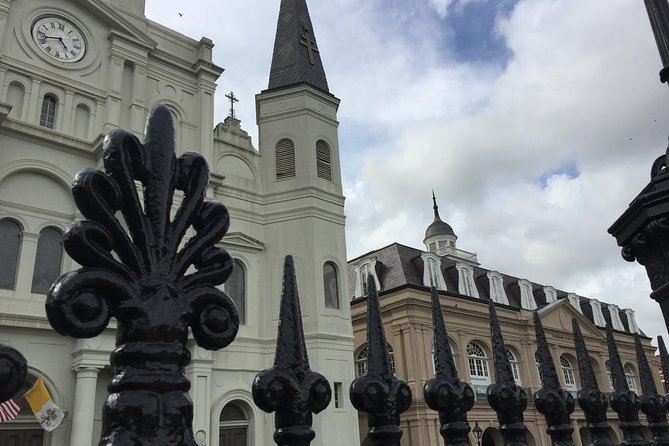
The tour spends about 15 minutes at St. Louis Cathedral, the late-18th-century basilica facing Jackson Square. It is one of the French Quarter’s most recognizable landmarks, but the guide’s role is to place it in the story of the city.
The cathedral has witnessed both painful and hopeful chapters in New Orleans history. A guide can help you see it as more than a photogenic church. Religion, colonial rule, immigration, and public life overlap here, and the surrounding square makes those connections easy to discuss.
The tour does not list a special interior visit or admission arrangement, so you should think of this as an outdoor historical stop unless your guide says otherwise. The emphasis is on the building and its place in New Orleans history.
This is also one of the sections where the guide’s style matters most. A dry list of dates would miss the point. The strongest guides described here explain how architecture and belief shaped the city, then leave room for questions.
Other walks around New Orleans:
- New Orleans Premier Ghost, Voodoo and Vampire Walking Tour
★ 4.5 · 12,856 reviews - New Orleans Food Walking Tour of the French Quarter with Small-Group Option
★ 5.0 · 6,118 reviews - St. Louis Cemetery No. 1 Official Walking Tour
★ 4.5 · 3,941 reviews - New Orleans French Quarter, Voodoo and Culture Walking Tour
★ 4.5 · 2,961 reviews
Mississippi River: the force behind New Orleans
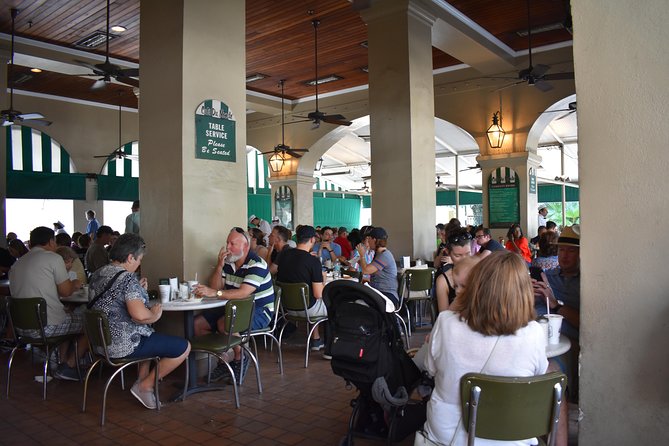
The river stop lasts roughly 15 minutes. It gives the walk a wider frame, reminding you that the French Quarter did not develop in isolation.
The Mississippi gave New Orleans trade, movement, and economic purpose, while also creating an ongoing challenge for a city built beside water. The tour presents the river as both a source of life and a force the city must continually manage.
This stop may appeal to you if you like geography and urban history. It also offers a change of scene after several blocks of close-set buildings and courtyards.
The description calls the Mississippi the third-largest river in the world. The useful point for the tour is less the ranking than the relationship between the river and the city. New Orleans makes more sense when you see the water as part of its story, not just a view at the edge of the French Quarter.
Royal Street: architecture, shopping, and local recommendations
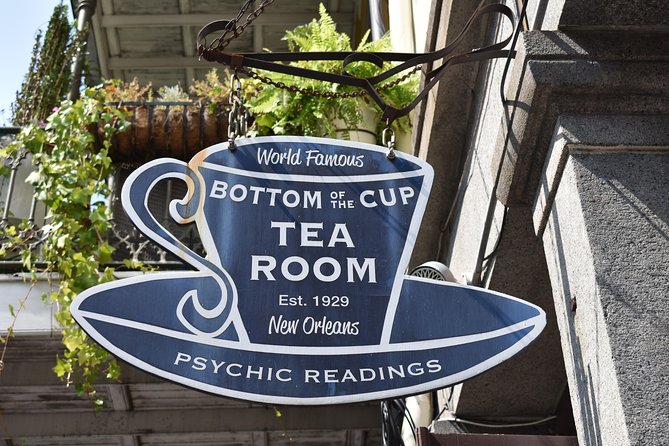
Royal Street receives about 30 minutes, making it one of the longest stops. That feels right. Royal Street brings together several threads of the tour: historic buildings, shopping, street performers, restaurants, and stories about the people and places around you.
Architecture is a major strength of this experience. One particularly useful theme is the way French and Spanish influences appear in the Quarter. The details are not just decoration. Balconies, ironwork, façades, and building layouts can reveal how different groups shaped the neighborhood.
You also get practical advice here. Guides may suggest restaurants and shopping spots, which is useful because Royal Street can be easy to browse without knowing which places fit your budget or interests. The tour does not include shopping discounts or meals, so treat these as recommendations rather than part of the ticket.
Royal Street is likely to be one of the more social parts of the walk. Street performers, restaurants, and passing crowds can make it harder to hear at times. The small group size helps, but you should still stay close to the guide and avoid drifting toward a shop window while a story is underway.
Jackson Square: the best place to tie it together

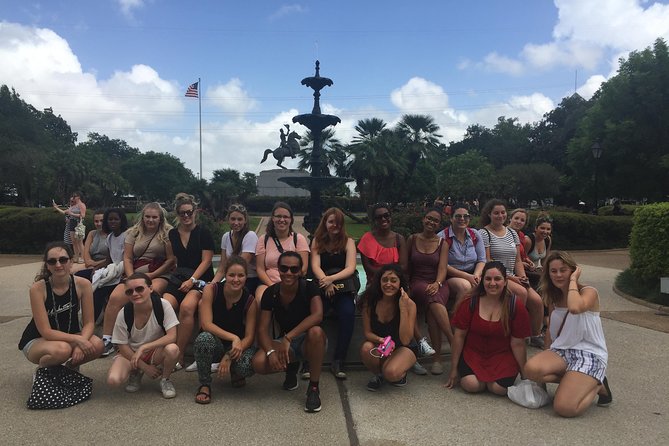
The tour ends at Jackson Square, with about 15 minutes devoted to this central public space. This is a fitting finish because the square brings together the French, Spanish, American, and Caribbean influences that shape New Orleans identity.
St. Louis Cathedral borders the square, and the surrounding buildings help the guide connect politics, religion, architecture, and public life. By the end of the walk, Jackson Square should feel less like a single postcard view and more like a summary of the city’s past.
The official end point is 701 Decatur Street, in Jackson Square. That is useful for planning your next move. You can continue exploring the French Quarter on foot, use the guide’s dining suggestions, or stop for a meal nearby. Hotel pickup and drop-off are not included, so you need to make your own way to and from the tour.
What you learn beyond the famous sights
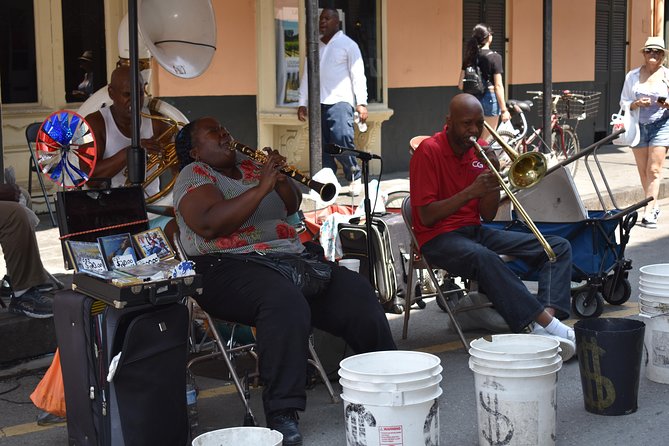
The strongest part of this experience is not simply seeing famous landmarks. It is learning how the pieces relate.
The guides cover architecture, religion, food, music, local politics, and the people who made New Orleans what it is. That range helps the tour avoid becoming a string of dates and names. You may leave knowing not only what a building is, but why it matters.
Several guide accounts also emphasize time for questions. That is valuable in the French Quarter because nearly every street raises a follow-up. You may want to ask about a balcony, a restaurant, a local custom, or a story you heard elsewhere. A guide who welcomes questions can turn a standard route into a more personal conversation.
The tone also appears to be flexible. Scott is described as funny and highly engaging, while other guides are praised for warmth, clear explanations, and strong local perspective. If you want a silent march from sight to sight, this is not the right format. If you enjoy anecdotes and conversation, it should suit you well.
The $35 price and what you receive
At $35 per person, the tour is reasonably priced for a two-hour guided walk in one of New Orleans’ most visited districts. The fee covers a professional guide, not food, drinks, entry tickets, or transportation.
I see the value in the orientation. A first-time visitor can spend two hours learning the basic shape of the French Quarter, then use the rest of the trip more confidently. You may avoid wandering past important buildings without understanding them, and you can put the guide’s dining and shopping suggestions to use afterward.
The price is less compelling if you already know the French Quarter very well and prefer to explore independently. Still, repeat visitors have learned new details from the walk, especially about buildings, architecture, and local stories.
There are no listed admission charges at the stops, so most of what you pay goes toward the guide’s time, preparation, and storytelling. That makes guide quality central to the value. The strong ratings, 4.9 out of 5 from 2,724 ratings and recommendation by 97 percent of customers, suggest the experience has been consistently well received.
Who should book this walking tour?
I would choose this tour for a first visit to New Orleans, especially if you want context before spending several days exploring on your own. It also suits solo visitors who want a small group, families introducing children to the city, and couples who prefer history with their sightseeing.
It can work well for repeat visitors too. The route is familiar, but the interpretation may reveal buildings and stories you missed on earlier trips. One useful feature is the chance to hear about contemporary New Orleans along with its older history.
The tour is less suitable if you have limited walking ability, dislike outdoor activities in uncertain weather, or want a food-focused experience. It is also not the best choice if your main goal is to tour the inside of multiple buildings. The supplied details focus on outdoor sights and guided commentary.
Book it near the start of your stay if possible. That timing lets you use the advice on restaurants, shopping, and other places for the rest of your visit. You can cancel up to 24 hours before the experience for a full refund, which gives you some flexibility if your plans change.
Final verdict: a smart first walk through New Orleans
I would book the French Quarter Historical Sights and Stories Walking Tour if I wanted a clear, lively introduction to New Orleans for $35. The route covers the essential landmarks, but the real payoff is the explanation connecting French and Spanish influence, religion, architecture, food, music, and modern local life.
Scott, Tim, Libby, Renee, Lesley, and Yvonne are all praised for the qualities that matter most on a walking tour: clear storytelling, humor, patience, and useful answers. The small group size is another practical advantage.
Just keep your expectations in the right place. This is a two-hour orientation, not a full survey of every street or a tasting tour. Wear good shoes, bring water, prepare for the weather, and book it early in your New Orleans stay. If you want to understand the French Quarter before exploring it on your own, this is a sound choice.
FAQ
How long is the French Quarter Historical Sights and Stories Walking Tour?
The tour lasts approximately two hours.
How much does the tour cost?
The price is $35 per person.
Where does the tour begin?
The meeting point is listed at Instrument Men, 400 Dumaine Street, New Orleans, Louisiana 70116.
Where does the tour end?
The tour ends at 701 Decatur Street in Jackson Square, the heart of the French Quarter.
Which sights are included?
The route includes the French Quarter, French Market, St. Louis Cathedral, the Mississippi River, Royal Street, and Jackson Square.
Is the tour offered in English?
Yes. The tour is offered in English.
How large is the group?
The tour has a maximum of 12 participants.
Is food included?
No. Food and drinks are not included in the tour price.
Is hotel pickup and drop-off provided?
No. Hotel pickup and drop-off are not included.
What should I bring and wear?
Wear comfortable walking shoes and bring water, especially in warmer months. The tour operates in all weather, so dress appropriately for the forecast.
Just added in New Orleans
- New Orleans: French Quarter, Voodoo and Cultural Experience★ 4.5 · 972 reviews
- From New Orleans: Oak Alley Plantation Tour★ 4.5 · 443 reviews
- New Orleans: Bayou Tour in Jean Lafitte National Park★ 4.8 · 428 reviews
- New Orleans: Whitney Plantation Tour with Transportation★ 4.7 · 619 reviews
- New Orleans: Guided Swamp Cruise by Tour Boat★ 4.7 · 570 reviews
- New Orleans: Voodoo Queen Tour of French Quarter★ 4.7 · 482 reviews
- New Orleans: Swamp Boat Ride & Oak Alley Plantation Tour★ 4.7 · 383 reviews
- New Orleans: Walking Tour Inside St. Louis Cemetery No. 1★ 4.6 · 1,519 reviews
Walking Tours, compared.
New Orleans Premier Ghost, Voodoo and Vampire Walking Tour
Read our review →
Freedom Trail History Small Group Walking Tour
Read our review →
Historic Charleston Guided Sightseeing Walking Tour
Read our review →
New Orleans Food Walking Tour of the French Quarter with Small-Group Option
Read our review →
St. Louis Cemetery No. 1 Official Walking Tour
Read our review →
Harvard University Student-Guided Walking Tour
Read our review →
Harvard University Campus Guided Walking Tour
Read our review →Browse the lists this tour appears in