
Reviewed · WALKING TOURS
Chicago: Secret Interiors Architecture Walking Tour
Chicago’s best architectural surprises are often indoors. This two-hour Loop walk takes you past grand facades and through domes, mosaics, lobbies, stairways, and decorative details that are easy to miss when you are hurrying down La Salle Street.
I especially like the way the tour connects beauty with problem-solving: how architects brought daylight into deep buildings, and how engineers made early skyscrapers possible. I also like the access to places you might otherwise pass without entering, including the Rookery, Field Building, Marquette Building, Palmer House, and Chicago Cultural Center. The main caution is weather. Much of the tour is outside, and winter visitors should bundle up. Some buildings also have stairs.
Key points to know before you book
- Union Station is the starting point: Meet inside the Great Hall, under the Clinton Street sign.
- The interiors are the prize: Expect domes, mosaics, elaborate doors, lobbies, and other details hidden behind ordinary street entrances.
- The guides make the difference: Grant, Talia, Annie, Angel, and Matthew have all led highly praised tours, with strong storytelling and clear explanations.
- The walk covers a lot of ground: The pace is generally manageable, but one recent participant found it brisk and noted many stairs.
- Sunday plans can change: The Rookery is closed on Sundays, so an alternative stop is used.
- The $35 price is fair for access and context: You are paying for a small slice of Chicago architecture plus the explanation that makes it meaningful.
Why these interiors matter more than another skyline view
Chicago is famous for its skyline, but the city’s architectural story makes more sense once you step inside its older commercial buildings. Outside, you see height, stone, steel, and rows of windows. Inside, you see the practical problems those buildings had to solve: limited daylight, heavy masonry, crowded downtown land, and the need to impress clients and customers.
This tour gives you both sides. You walk through the Loop and stop at buildings linked to the city’s rise during the Gilded Age and the Roaring Twenties. Along the way, the guide explains styles and construction ideas instead of simply naming architects and dates.
That approach suits me. Architecture can become a parade of names if nobody explains why a detail matters. Here, a mosaic floor, a painted ceiling, a metal frame, or a grand staircase becomes part of a larger story about ambition, money, engineering, and civic pride.
The tour has earned a 4.9 rating from 498 reviews, and the most consistent praise goes to the guides. Grant is often singled out for his historical detail and clear delivery. Talia receives strong marks for warmth, humor, and careful pacing. Annie is praised for her practical recommendations and easy conversation, while Angel and Matthew are noted for their enthusiasm and strong command of the subject.
Other walks around Chicago:
- Chicago: Gangsters and Ghosts Walking Tour
★ 5.0 · 7,155 reviews - Chicago Favorites Ultimate Food and Walking Tour
★ 5.0 · 1,962 reviews - Chicago: Gangsters and Ghosts Guided Walking Tour
★ 4.7 · 1,697 reviews
Starting beneath the Great Hall at Union Station
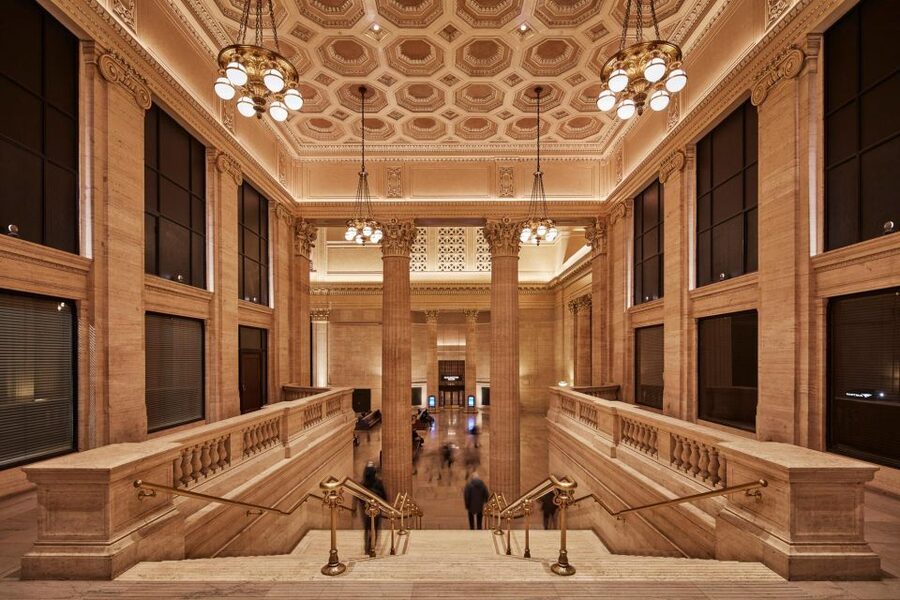
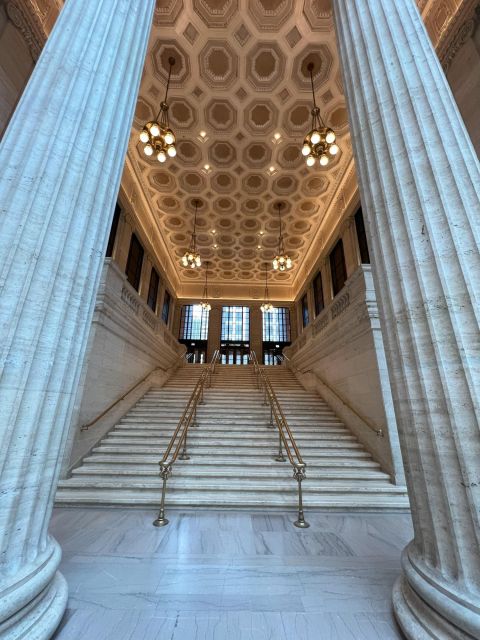
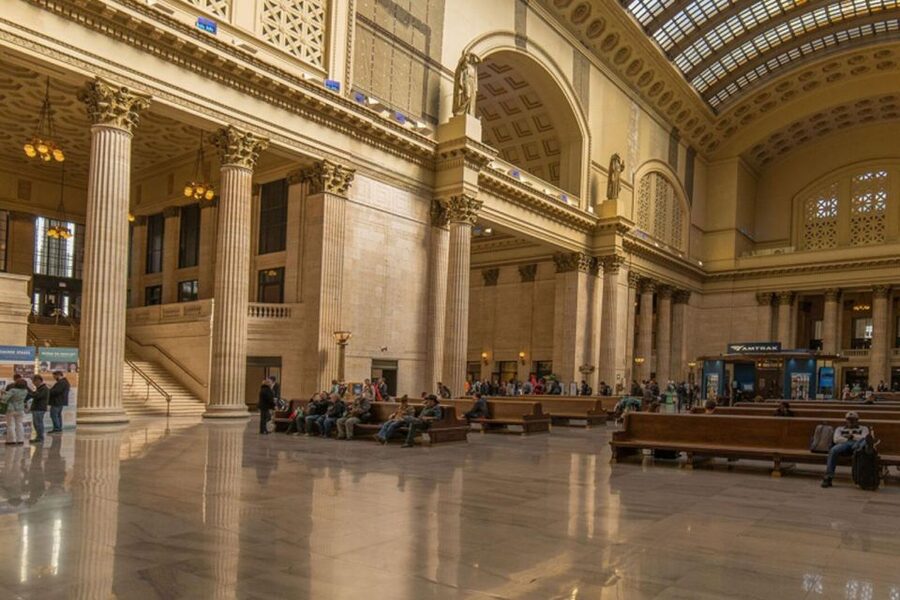
Your meeting point is inside Union Station’s Great Hall, under the Clinton Street sign. That is a useful starting place, not just a convenient one. Union Station immediately places you in the world of grand civic and commercial architecture, with a monumental interior designed to make arriving in Chicago feel important.
From there, you move into the Loop on foot. The tour is not a museum visit where you remain in one building. It is a connected walk through the city, with outdoor commentary between interior stops.
The route covers a large area at a brisk but generally comfortable pace. Several people describe it as easy or not too strenuous, while one person with leg problems found the pace fast. I would wear supportive shoes and keep your belongings light. You will spend much of the time walking on city streets, entering and leaving buildings, and pausing while the guide points out details overhead or across the street.
South La Salle Street and the city’s early skyscraper story
South La Salle Street provides the first broad setting for the tour. This is where Chicago’s commercial power gathered, and the street lets you see how different generations of buildings sit beside one another.
Your guide uses the street frontage to explain the transition from older masonry construction to the steel-supported skyscraper. That change did more than make buildings taller. It altered the way offices could be arranged, how windows could be used, and how much light could reach the interior.
The outdoor portions are useful because they give you time to compare facades before entering the buildings. Look for differences in ornament, materials, window patterns, and the way each structure meets the street. The guide also links the architecture to the people who worked and socialized in these buildings, including industrial leaders, famous figures, and less admirable characters from Chicago’s past.
The Rookery Building and its celebrated interior
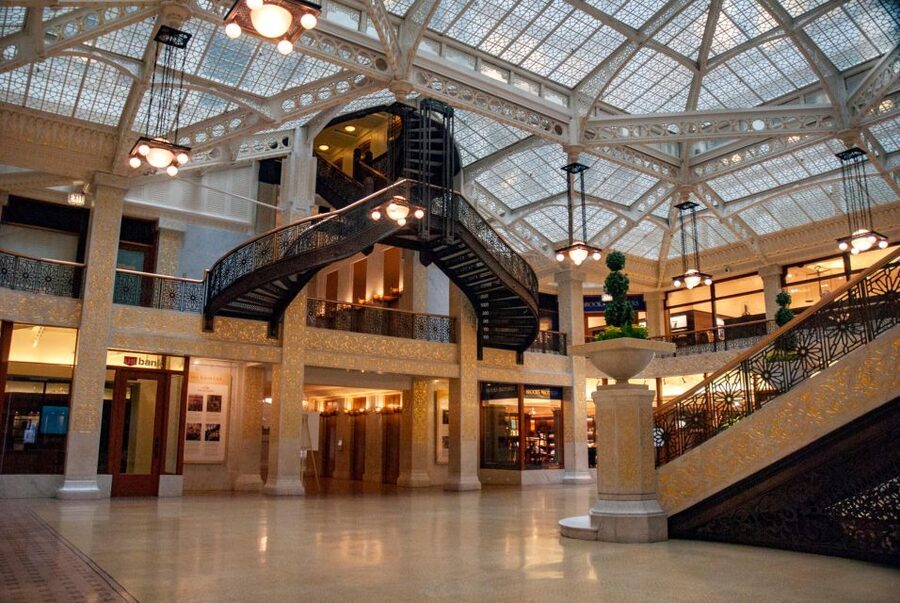
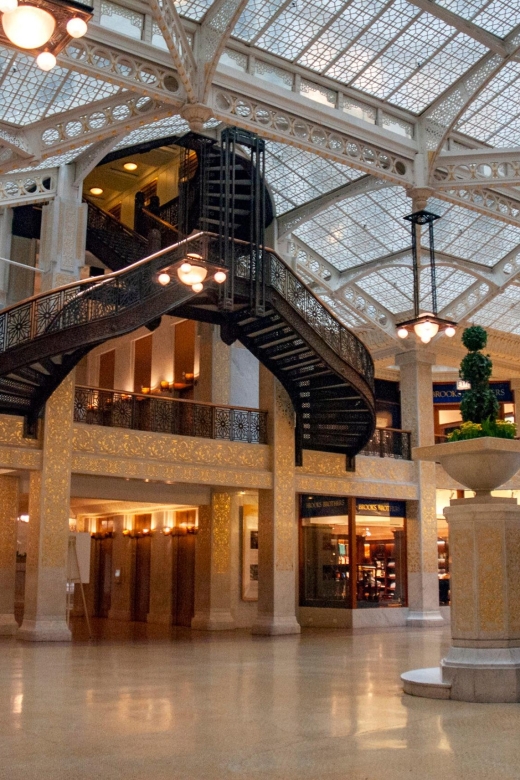
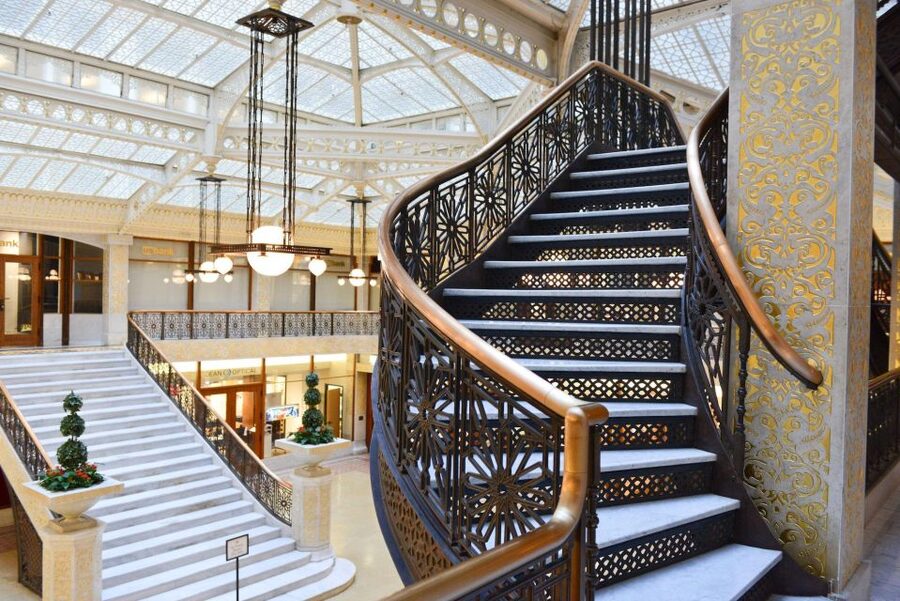
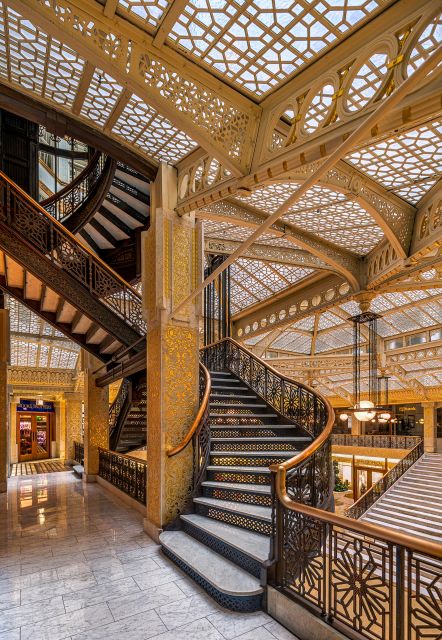
The Rookery is one of the major reasons to book this walk. Its interior is known for an elaborate central space, decorative metalwork, and a dramatic sense of light. The building shows how Chicago’s architects used decoration and engineering together rather than treating them as separate concerns.
Inside, your attention will shift upward and inward. The guide explains how the design handles illumination and movement through the building, while also pointing out craftsmanship around the lobby and circulation areas.
The Rookery is closed on Sundays, so the route uses an alternative stop then. If this building is especially important to you, choose another day and confirm the current schedule when booking. That small bit of planning can matter, since the Rookery is one of the tour’s signature interiors.
Same base, a different kind of day out:
- Chicago Architecture River Cruise
★ 5.0 · 15,756 reviews - Chicago River 90-Minute Architecture Tour
★ 4.5 · 9,629 reviews - Chicago River: 1.5-Hour Guided Architecture Cruise
★ 4.8 · 8,046 reviews - Chicago Architecture Center River Cruise aboard First Lady
★ 5.0 · 5,536 reviews
The Field Building and practical elegance
The Field Building adds another layer to the story of downtown Chicago. Here, the point is not just ornament. The guide shows how a major commercial building balanced a strong public image with the working needs of offices and businesses.
Expect a photo stop, an interior visit, and commentary on the building’s architectural style and innovations. The value lies in the details you might overlook alone: the way a lobby is proportioned, how materials are arranged, and how a doorway or ceiling helps create a sense of importance.
This is also a good place to listen for the social history woven into the tour. Buildings like this were not empty design exercises. They were places where business deals were made, fortunes expanded, and Chicago’s growing commercial class displayed its success.
The Marquette Building and storytelling through decoration
The Marquette Building is especially rewarding if you like architectural detail with a narrative attached. Its interior design uses ornament to express ideas about Chicago, commerce, and civic identity.
A guide such as Grant or Talia can help you read those decorations rather than simply admire them. You may hear why certain figures, patterns, or materials were selected and how the building’s artwork connects to the city around it.
This stop also shows why a guided visit is more useful than a self-guided walk. You could enter, take a few photographs, and leave with the impression that the lobby is attractive. With context, you begin to see the choices behind it and the message its designers wanted to send.
Palmer House and the grand hotel tradition
The Palmer House brings a different mood to the route. This is a hotel interior, so the architecture is built around arrival, ceremony, and public display. The spaces are meant to impress from the moment you enter.
The guide discusses the building’s design and the people who passed through it during Chicago’s Gilded Age and later decades. That human element keeps the stop from becoming a simple catalog of decorative features. You get a sense of how hotels functioned as social stages for business, politics, entertainment, and celebrity.
The Palmer House also makes a useful contrast with office buildings. Commercial towers often advertise stability and efficiency. A grand hotel has to do that too, but it also needs glamour. The tour helps you see how those different goals shape an interior.
The Chicago Cultural Center and its shimmering centerpiece
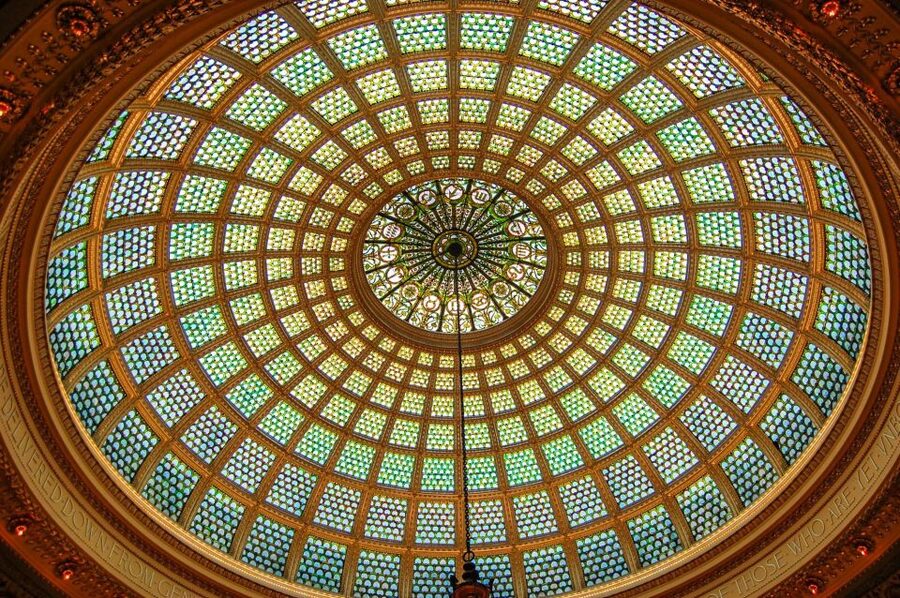
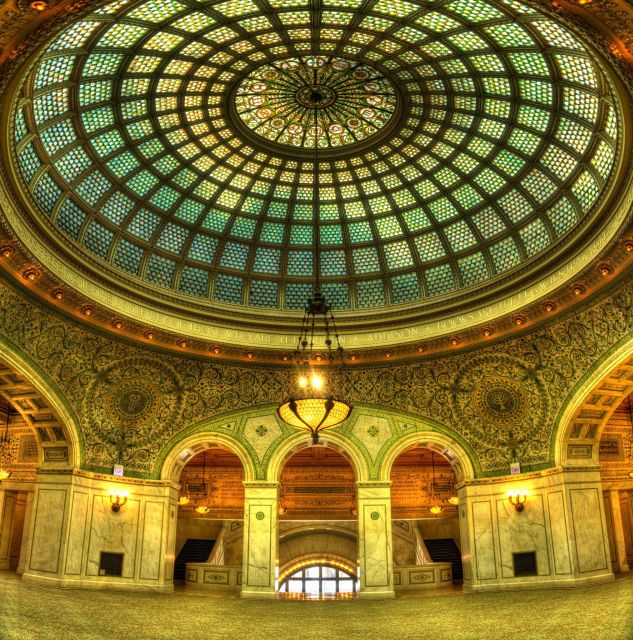
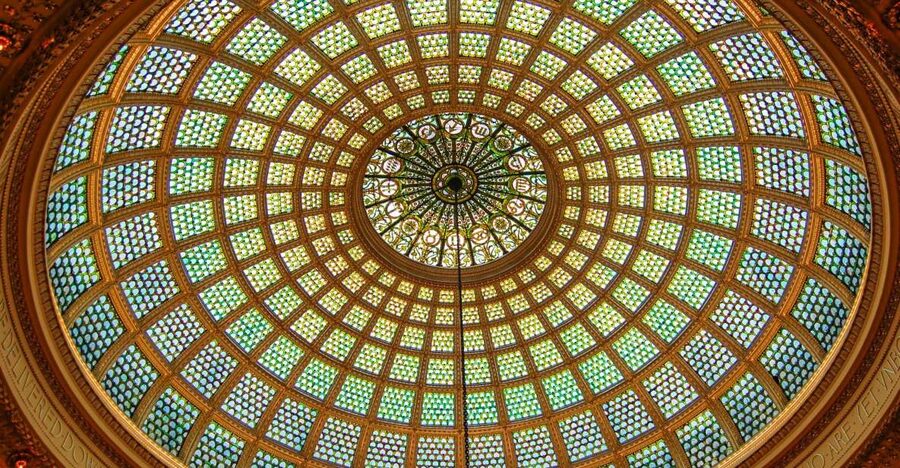
The Chicago Cultural Center is one of the most visually rewarding stops. Its interiors bring together elaborate craftsmanship, colored glass, mosaics, and grand civic proportions.
The building is a good reminder that architecture is not only about private wealth. Public buildings also use art and scale to express what a city wants to be. The guide points out design elements that are easy to miss when you enter only to check an event schedule or pass through on your way elsewhere.
Allow yourself a moment to look up. Domes and ceiling decoration can be hard to appreciate when you are listening and moving with a group. The tour’s format gives you a reason to pause, but you may want to return later if you want unhurried photographs.
Marshall Field and Company Building, the final stop
The former Marshall Field and Company Building closes the walk with another major commercial interior. Its design reflects the importance of retail as theater. Large department stores had to move people efficiently, but they also had to make shopping feel like an occasion.
Here, the guide draws together several themes from the tour: public interiors, ornament, engineering, commerce, and the changing tastes of Chicago. You can compare this building with the office towers and hotel spaces visited earlier.
The tour ends at this building, so the finish is practical for continuing through the Loop. You are not returned to Union Station. If you have a timed reservation or a train to catch, allow extra time after the scheduled two hours for city walking and any final questions.
What the guide adds to the architecture
The strongest part of this experience is the human explanation. The buildings are impressive on their own, but a good guide gives you a way to read them.
Grant has been praised for his depth of historical detail, conversational manner, clear voice, and helpful local suggestions. Talia is known for a friendly style, patience with questions, and an ability to keep the group comfortable. Annie brings strong architectural knowledge, personal discoveries, and food and drink recommendations. Angel is praised for enthusiasm and design insight, while Matthew is described as friendly, engaging, and well informed.
Those names matter because the tour relies on presentation. The guide needs to keep a group together outdoors, make sure everyone can hear, and adjust when a question opens up a useful side story. The strongest feedback points to guides who do exactly that without making the experience feel like a lecture.
Group size can vary. A few people have found themselves in very small groups, even with only two participants, which allows plenty of questions. Larger groups may feel less personal, so stay near the guide when moving between buildings and ask for clarification if a detail is hard to hear.
Weather, stairs, and the real walking conditions
The tour is listed as wheelchair accessible, but the route can still involve stairs in some buildings. One person specifically noted many stairs, while others described the walk as comfortable and not excessive. If you use a wheelchair or have mobility limits, contact the provider before booking so you can confirm the current access arrangements for every interior.
Winter deserves special attention. One January participant estimated that about 90 percent of the experience was outside. Chicago cold can make a short pause feel long, especially when the guide is discussing a facade rather than walking. Wear a warm coat, hat, gloves, and shoes with good grip.
In milder weather, the outdoor sections are an advantage. You get a better sense of the Loop’s scale and can photograph facades between interiors. Comfortable shoes are essential in every season.
Is $35 a good value?
At $35 per person, this is a reasonable buy if you care about architecture, design, or Chicago history. You receive two hours with a live English-speaking guide, a planned route through several significant buildings, and access to interiors you might not think to enter on your own.
The price is less compelling if you want a broad survey of the whole city. This is focused on the Loop and concentrates on historic commercial and civic buildings. It does not replace a river architecture cruise, which gives you a better view of the skyline and a wider sense of Chicago’s riverfront development.
I see the two experiences as partners. Take the boat tour for the city’s exterior form, then take this walk for the rooms, materials, and small features hidden behind the street fronts. If you must choose only one, the boat tour may offer the bigger first impression, but this walking tour gives you a more personal look at the city’s interiors.
The ability to reserve now and pay later is useful for a changing schedule, and cancellation is free up to 24 hours before the tour for a full refund. Those policies add flexibility, but the real value is the access and interpretation.
Who should book this Chicago architecture walk?
I would recommend it to first-time visitors who want more than skyline photographs, architecture fans who enjoy Art Deco and historic commercial design, and local residents who have spent years passing these buildings without entering them.
It also works well as a family activity for older children and teenagers who can manage a brisk urban walk. The stories about ambitious builders, famous occupants, engineering problems, and grand interiors give the subject more life than a technical lecture.
You should think twice if you dislike walking outdoors, need a very slow pace, or want guaranteed access to the Rookery on a Sunday. People looking for a purely interior experience may also find the outdoor time greater than expected.
Should you book it?
Yes, if you want Chicago architecture at eye level, inside the buildings rather than only across a river or above the street. The best reason to book is the combination of access and explanation: the Rookery, Marquette Building, Palmer House, Cultural Center, and other stops become much more rewarding when someone shows you what to notice.
Choose a mild-weather day if possible, wear comfortable shoes, and avoid Sunday if the Rookery is a priority. If you can select among departures, a guide such as Grant, Talia, Annie, Angel, or Matthew may add extra warmth and detail, though the consistently strong guiding is the main reason this $35 walk earns its place on a Chicago itinerary.
FAQ
Where does the tour meet?
Meet your guide inside Union Station’s Great Hall, under the Clinton Street sign.
How long is the tour?
The walking tour lasts two hours.
What language is the tour in?
The tour is conducted in English with a live guide.
Is the tour wheelchair accessible?
The activity is listed as wheelchair accessible. However, some participants have noted stairs inside buildings, so confirm the current route and access arrangements with the provider if this is important for you.
Is the Rookery included every day?
The Rookery is closed on Sundays. An alternative stop is included on Sunday tours.
What should you bring?
Bring comfortable shoes. Since much of the tour takes place outdoors, dress for the weather, especially during Chicago’s winter months.
Can you cancel or pay later?
You can cancel up to 24 hours in advance for a full refund. You can also reserve your place and pay later.
Just added in Chicago
- BYOB Spray Paint and Sip at Studio W.I.P.★ 5.0 · 401 reviews
- Delicious Donuts & City Sights: Chicago’s Original Donut Tour★ 5.0 · 1,389 reviews
- Bikes, Bites & Views: Chicago’s Signature Dishes Bike Tour-Adults★ 5.0 · 732 reviews
- Field Museum of Natural History Admission Tickets★ 4.5 · 489 reviews
- Original Chicago Architecture Interiors Tour: Dazzling Interiors★ 5.0 · 1,489 reviews
- Skip-the-line: Art Institute of Chicago Guided Tour★ 5.0 · 417 reviews
- Chicago Loop District Food Tour with Deep Dish & Beef Sandwich★ 5.0 · 870 reviews
- City Cruises Chicago: Signature Lunch Cruise on Lake Michigan★ 4.0 · 348 reviews
Walking Tours, compared.
New Orleans Premier Ghost, Voodoo and Vampire Walking Tour
Read our review →
Freedom Trail History Small Group Walking Tour
Read our review →
Historic Charleston Guided Sightseeing Walking Tour
Read our review →
New Orleans Food Walking Tour of the French Quarter with Small-Group Option
Read our review →
St. Louis Cemetery No. 1 Official Walking Tour
Read our review →
Harvard University Student-Guided Walking Tour
Read our review →
Harvard University Campus Guided Walking Tour
Read our review →Browse the lists this tour appears in