
Reviewed · WHALE WATCHING
Alaska Whale Watching Cruise w/ 3 HOURS on the water
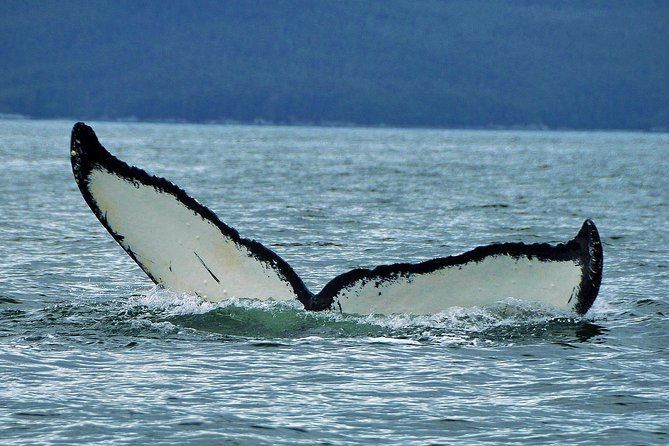
Juneau’s best whale watching begins with a simple promise: you get three hours on the water, not a quick ride out and back. From Auke Bay, the crew can travel farther in search of humpback whales, orcas, sea lions, and bald eagles. A 49-passenger double-decker boat gives you indoor shelter, two restrooms, and several outdoor viewing areas.
I like the dock-to-dock shuttle, which saves you a taxi ride or a walk into Juneau. I also like the crew’s practical approach to photography. Naturalists such as Dalton, Tess, Sam, and Chloe explain what to watch for, and crew members have shared their own whale photos afterward through a QR code.
The main catch is weather. Mendenhall Glacier viewing is weather dependent, and rain or fog can cancel that part of the route. The cruise still operates in safe weather, but you need waterproof clothing, a flexible attitude, and enough time before your ship sails.
Key points at a glance
- Three hours on the water: The roughly 4-hour-5-minute outing includes round-trip transfers, leaving substantial time for whale watching.
- Pickup at your cruise ship dock: The operator meets you at the correct Juneau dock, not at the tram or somewhere in town.
- A 49-passenger double-decker boat: You get enclosed cabins, two restrooms, a spacious viewing deck, and a chance to move around.
- Whales are guaranteed: The crew promises a whale sighting, with humpbacks and occasional orcas appearing in the reported outings.
- Mendenhall Glacier from the water: This scenic stop depends on weather and visibility.
- Strong naturalist narration: The crew explains whale behavior, Juneau’s past, and the area’s marine life throughout the cruise.
Why three hours on the water matters
Many Juneau whale trips spend a good part of their schedule getting to the harbor and returning to town. This one takes about 30 minutes to reach Auke Bay by shuttle, then gives you a full three-hour cruise before the ride back to Juneau.
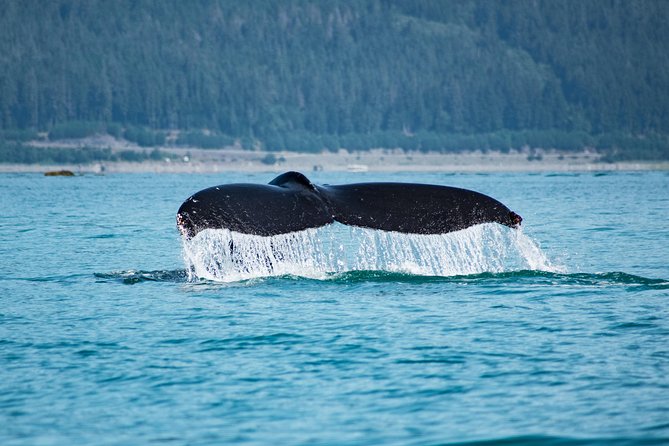
That extra time matters because whales do not perform on a schedule. The captain may need to search, follow a pod, or move to another area after wind or a storm changes where the animals are feeding. Several outings included long stretches of activity, from five whales late in the season to reports of more than 30 or even about 60 whales on especially productive days.
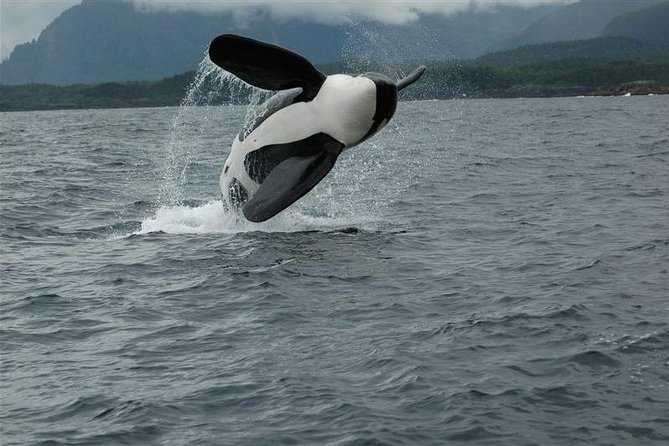
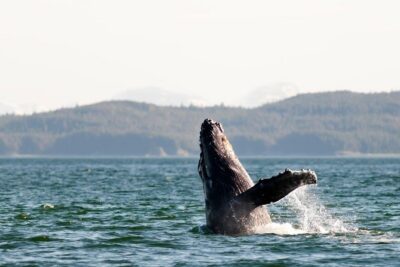
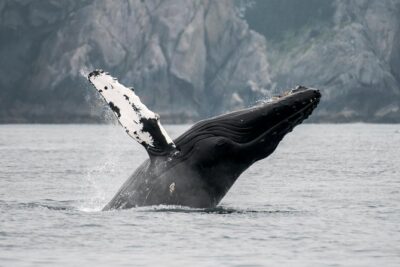
You should still think of the guarantee as a promise to see whales, not a promise of breaching, tail slaps, or close approaches. Those dramatic moments are possible, but wild animals decide what happens. One outing included a mother and calf playing, repeated breaches, and two orcas. Another had a humpback breach, an uncommon sight that made the trip memorable. On a different day, the crew worked hard to find five whales near the end of the season.
That range is normal for wildlife watching. The value is in the time available and the crew’s willingness to keep looking, not in a fixed number of sightings.
Other boats out to see whales from the USA:
- Juneau Wildlife Whale Watching
★ 5.0 · 7,379 reviews - Juneau Wildlife Whale Watching & Mendenhall Glacier
★ 5.0 · 6,236 reviews - Boston: City Cruises Whale Watching Cruise
★ 4.5 · 4,710 reviews
Leaving Juneau for Auke Bay
The tour begins with a pickup at your cruise ship dock or at an agreed meeting point. If you arrive by ship, give the operator the specific name of your vessel when booking. Juneau has five cruise docks, and the crew needs to know exactly where to send the shuttle.
On the day of the tour, meet 15 minutes before departure on the main boardwalk or sidewalk in front of your ship. Do not walk to the tram. The representative should be easy to spot, wearing bright orange and carrying an orange flag with a blue Harv and Marv’s sign or an orange Alaska Galore Tours sign.
This detail is more important than it sounds. Juneau’s docks are spread out, and a missed pickup can mean a missed cruise. If you cannot find the representative, remain at the ship’s gangway and call the dispatch or transport staff. Any pickup change needs to be handled at least 24 hours ahead.
The ride to Auke Bay takes about half an hour. The transfer is not wasted time. It removes the hassle of arranging transport and gets you directly to the harbor where the whale boats depart. Some bus drivers also provide narration, so the trip can begin before you reach the water.
If you are not arriving by cruise ship, contact the operator for instructions. Pickup options may include the Alaska State Museum, or you may be directed to meet the boat at Statter Harbor.
Boarding the 49-passenger double-decker vessel
The boat used for this trip is Harv and Marv’s largest vessel, with room for up to 49 people. That is not a small private boat, so you should not book this expecting an intimate six-person outing. The tradeoff is comfort and stability.
You have enclosed cabins for warmth, two restrooms, complimentary bottled water, snacks, and soft drinks. The outdoor viewing decks give you room to spread out and change sides as the boat moves. Some people prefer to remain outside for the best chance at a clear view. Others can warm up inside and return to the deck when the crew spots activity.
The double-decker layout is useful because whale watching involves patience. You may spend time waiting, scanning the water, and listening to the naturalist before a whale surfaces. Having seats and shelter makes that wait easier, especially for families or anyone sensitive to cold and rain.
Several outings praised the boat as comfortable and attractive, with a new Beacon boat also used on some departures. The exact vessel may vary, but the listed boat setup includes an enclosed cabin, viewing decks, and restrooms. Ask the crew where movement is safest if the boat is underway and crowded around a sighting.
Searching for humpbacks, orcas, and other wildlife
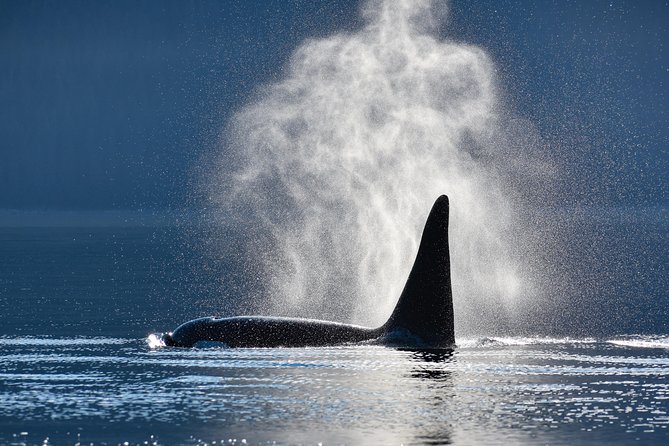
Once the boat leaves Auke Bay, the naturalist explains Juneau’s marine habitat and the animals you may see. Humpback whales are the main attraction, but sightings can include orcas, sea lions, sea otters, and bald eagles.
The crew does more than point and shout when a whale appears. You learn what to watch for, such as a blow, a back breaking the surface, a tail rising, or a fin appearing at a distance. That instruction helps you use your own eyes instead of staring at a camera screen.
The captain and naturalists work together. Captains named Dalton, Graham, Anise, and others have been praised for tracking changing whale locations, while naturalists including Tess, Cora, Sam, Chloe, Nick, and David have handled narration and wildlife spotting on different trips. The staff list changes, but the format remains the same: a captain positions the boat and the naturalist explains the animals.
One useful touch is the photo sharing. Crew members with professional cameras have sometimes posted whale images for passengers through a QR code after the trip. That lets you keep your phone down during the cruise. You still need to bring your own camera if you want personal photos, but the crew’s images can provide a clear record of the experience.
Do not expect every sighting to be close. A whale might surface near the boat, or it might appear farther away and disappear before you reach the rail. When a mother and calf played near the boat, the experience was far more dramatic than a distant blow. When storm conditions shifted the whales, the captain had to search for a new area. The three-hour schedule gives the crew a fair chance to adjust.
Other three-hour trips in the USA:
- Award Winning 3-Hour Hoover Dam Small Group Mini Tour from Vegas
★ 5.0 · 4,964 reviews - 3 Hour Guided TomCar ATV Experience in Sonoran Desert
★ 5.0 · 1,947 reviews - 3 Hour Small Group All Inclusive Manatee Swim with free Photo pkg
★ 5.0 · 1,692 reviews - Shared 3 Hour Los Angeles Tour
★ 5.0 · 1,686 reviews
The Mendenhall Glacier view from the water
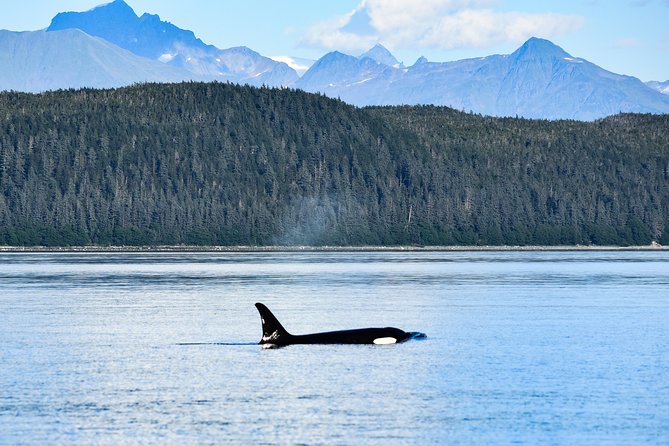
The route includes a dedicated attempt to see Mendenhall Glacier from the water, with the view from Brotherhood Bridge as part of the Juneau scenery. Seeing the glacier from a boat gives you a different angle than a standard land visit. You are looking back toward the mountains and ice from the marine environment rather than from a roadside viewpoint.
This stop is weather dependent. Rain, fog, or poor visibility may prevent the boat from making the glacier portion of the route worthwhile. One wet, foggy outing skipped the glacier and instead found a mother and calf humpback, followed later by orcas. That is a useful reminder: the whale search may become the main event when the glacier disappears behind clouds.
If glacier viewing is a priority, you should not treat this cruise as a substitute for a dedicated Mendenhall Glacier excursion. If you mainly want wildlife, the flexible route is an advantage. You may get a better day by following the animals rather than forcing a scenic stop in poor visibility.
The views remain worthwhile even when the glacier is not clear. Juneau’s mountains, islands, and waterways create a scenic setting for the search, but the wildlife is the reason to book.
What the weather feels like on this trip
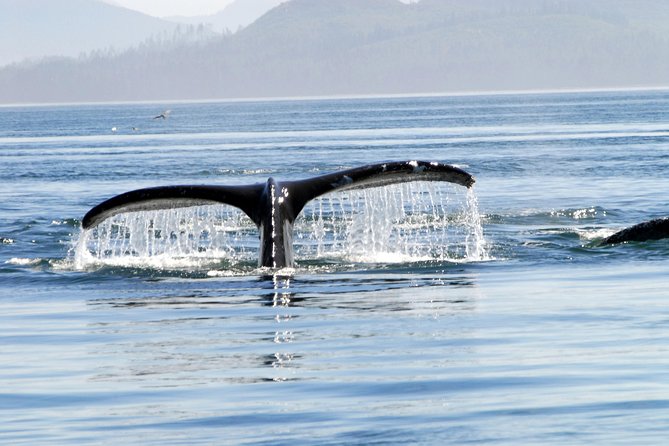
Juneau weather can shift quickly, and you will spend hours exposed to wind and spray if you want the best outdoor views. Bring waterproof outer layers, warm clothing, and shoes that can handle wet decks. A hood is more useful than an umbrella on a moving boat.
The tour operates in safe weather, but it can be canceled if conditions are too poor. If that happens, you receive the choice of another time or date, or a full refund. A minimum number of participants is also required, with the same choice of another option or a refund if the operator cancels for that reason.
The boat’s enclosed cabins make this easier than a small open vessel. You can step inside, warm up, and return to the viewing deck. Still, no boat can make a cold, wet day feel dry. Dress as if you will be outside for the full three hours.
Is the $159 price good value?
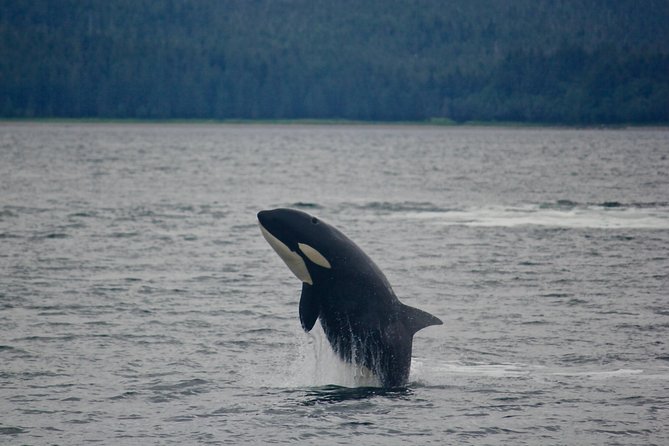
At $159 per person, this is not the cheapest way to spend a few hours in Juneau. The price makes more sense when you count what is included: round-trip transportation from the cruise dock, about three hours of cruising, live narration, snacks, bottled water, soft drinks, restrooms, enclosed seating, and a whale sighting guarantee.
The shuttle is especially valuable on a cruise stop. You do not need to find Auke Bay on your own, arrange a taxi, or worry about getting back from the harbor. The transfer time is included in the total length, but the actual water time remains generous.
The group size is another factor. With a maximum of 49 people, this is larger than a private charter but smaller and more purpose-built than a general sightseeing boat. If you want a quiet, private outing, spend more on a small charter. If you want comfort, a working crew, and a reasonable chance to see several kinds of wildlife, this price is fair.
The strongest value comes from the crew’s effort to find whales. Captains have traveled farther when needed, adapted after storms, and moved toward new pods. That is exactly what you want from a whale trip, though no crew can control how much the animals surface.
Who should book this Juneau whale cruise?
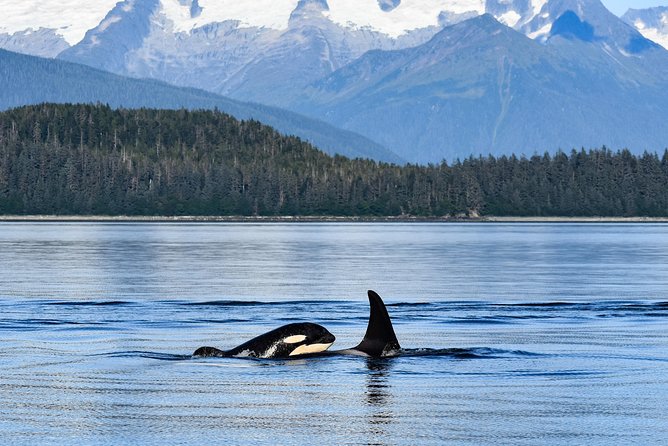
I would recommend it most strongly to cruise passengers who want a simple transfer and a serious amount of time on the water. Families should appreciate the indoor seating, restrooms, snacks, and variety of viewing spots. Children may also enjoy the chance to see sea lions, eagles, otters, and orcas rather than waiting only for humpbacks.
It also suits photographers, with one warning: the boat’s motion, distance, and weather can make sharp photos difficult. The crew’s shared pictures are a welcome extra, but you should not depend on them for a personal souvenir unless the operator confirms that service on your departure.
This is less suitable if you have very little time in Juneau, dislike open-water motion, or need a guaranteed glacier view. It is also not the right pick if your main goal is a private boat. The 49-passenger limit keeps the outing manageable, but you will share the decks and cabin with other people.
A cruise passenger should also leave a generous buffer before ship departure. The stated duration is approximately 4 hours and 5 minutes, and weather or whale locations can affect timing. Do not schedule a tight activity immediately afterward.
Booking details that can save your day
You receive confirmation when booking, and most people can participate. The most important action is giving the operator your exact cruise ship and checking the pickup details before departure.
Free cancellation is available until 24 hours before the local start time. Changes or cancellations inside that window are not accepted for a refund. If the operator cancels because of weather or insufficient participation, you can choose another option or receive a full refund.
Bring the pickup instructions with you. Meet 15 minutes early at the ship’s gangway area, not at the tram. If your dock changes, contact the operator at least 24 hours ahead.
Should you book it?
Book this cruise if you want a strong wildlife-focused outing with three full hours on the water, dependable cruise-dock transportation, and a comfortable boat with shelter. The whale guarantee removes much of the risk, while the crew’s tracking work gives you a fair chance at memorable behavior such as breaches, mother-and-calf play, or even orcas.
Skip it if a glacier view matters more than whales, if you want a private charter, or if your Juneau schedule cannot spare roughly four hours. For most cruise passengers who can manage the time and dress for wet weather, $159 buys a well-organized day with real flexibility, useful narration, and a good chance of seeing Alaska’s marine life at close range.
FAQ
How long is the whale watching tour?
The full experience lasts approximately 4 hours and 5 minutes, including the round-trip transfer between Juneau and Auke Bay. About three hours are spent on the water.
Where does pickup take place for cruise passengers?
Pickup takes place directly at your cruise ship dock in Juneau. You must provide the specific name of your ship because Juneau has five cruise docks.
Where should I meet the representative?
Meet 15 minutes before departure on the main boardwalk or sidewalk in front of your ship, near the gangway. Do not go to the tram. The representative wears bright orange and carries an orange flag with a Harv and Marv’s or Alaska Galore Tours sign.
Is whale watching guaranteed?
Yes. The tour includes a guaranteed whale sighting, although the number of whales and the type of behavior you see can vary.
Is Mendenhall Glacier included?
The tour includes a dedicated attempt to view Mendenhall Glacier from the water, but this part depends on weather and visibility. Fog or rain may prevent the glacier stop.
What is included on the boat?
The tour includes live narration, bottled water, snacks, soft drinks, and access to a double-decker vessel with enclosed cabins, two restrooms, and spacious viewing decks.
What happens if the tour is canceled?
If poor weather or an insufficient number of participants causes cancellation, you can choose an alternative time or date, another experience, or a full refund. You can cancel for a full refund if you do so at least 24 hours before the scheduled start time.
Just added in the USA
- Key West Half-Day Fishing Charter★ 4.5 · 408 reviews
- Key West Reef Snorkel – Morning Mimosas or Afternoon Margaritas★ 4.0 · 620 reviews
- Key West Haunted Pub Crawl and Ghost Tour with Free T-Shirt★ 4.5 · 549 reviews
- Key West Glass-Bottom Boat Tour with Sunset Option★ 4.0 · 576 reviews
- Key West Ghosts and Gravestones Trolley Tour★ 4.5 · 1,217 reviews
- Key West Dolphin and Snorkel Experience★ 4.5 · 334 reviews
- Key West Afternoon Reef Snorkeling with Open Bar★ 4.5 · 419 reviews
- Key West Ghost and Mysteries Guided Tour★ 4.5 · 1,079 reviews
Whale Watching, compared.
Juneau Wildlife Whale Watching & Mendenhall Glacier
Read our review →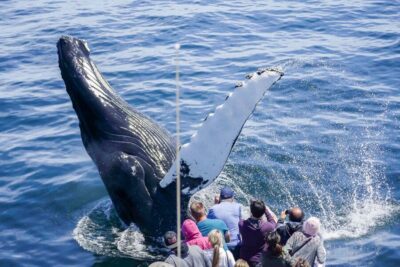
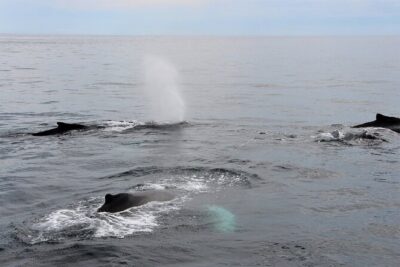
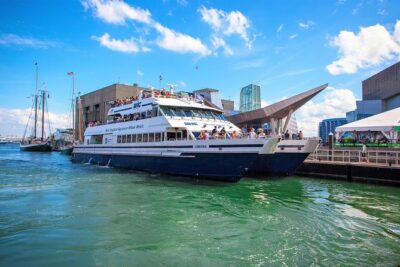
City Cruises Boston Whale Watching Cruise by High-Speed Boat
Read our review →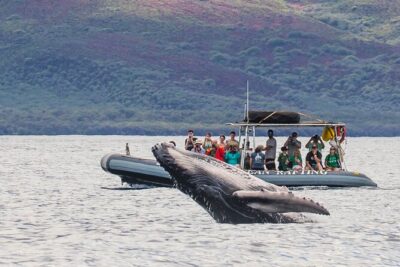
Maui Eco-Raft Tour: Eye-Level Whale or Dolphin Watching – Lahaina
Read our review →
Browse the lists this tour appears in