
Reviewed · FOOD & DRINK
Princeville Botanical Gardens Tour and Chocolate Tasting Ticket
The best part of this three-hour outing is the unusual pairing of tropical plants and serious chocolate. You move from garden terraces and creek beds to a small cacao grove, then sit under shade while comparing chocolates from around the world. It feels more like a guided nature walk with a tasty intermission than a standard garden visit.
I like the fresh fruit and honey stops, which give the garden a direct connection to what grows here. I also like the practical touches: walking sticks, umbrellas, and organic bug spray are provided. The main caution is the terrain. Stairs, hills, loose gravel, and slippery patches make this a poor choice for anyone who struggles with uneven ground.
Key points to know before you book
- Cacao is part of the garden walk: See the small cacao grove, taste raw nibs, and learn how beans become chocolate.
- The tasting is more than a single sweet: You sample at least five single-origin chocolates from different parts of the world.
- Fruit and honey break up the walking: Seasonal garden tastings add variety before the chocolate session.
- The route is scenic but physical: Expect uphill and downhill sections, steps, loose gravel, and forest paths.
- Small groups help the experience: The maximum group size is 17 people, with a tour escort leading the way.
- Come prepared for Kauai weather and insects: Tours run rain or shine, and sturdy shoes, a rain jacket, and bug protection matter.
A garden walk with chocolate at its center
Princeville Botanical Gardens is not simply a place to look at flowers and take photographs. The tour explains how plants fit into daily life, medicine, food, cultivation, and local island conditions. You will see rare plants, tropical flowers, medicinal varieties, honey hives, fruit trees, and cacao.
The chocolate theme gives the outing a clear shape. Instead of saving the tasting for the last five minutes, the guide builds toward it. You first see where cacao grows, taste raw cacao nibs, and learn about harvesting. Later, you sit down to compare finished chocolate made from beans grown in different parts of the world.
That progression makes the tasting more useful. You can connect the bitter, crunchy nib to the smooth chocolate in your hand. If you already care about chocolate, you will appreciate the discussion of historical and modern processing. If you mainly came for the garden, the tasting gives your feet a welcome rest.
The experience begins at 9:30 a.m. at 3840 Ahonui Place in Princeville. You arrange your own transportation, and the tour returns to the same meeting point. There is no hotel pickup, so allow time to find the property and get settled before the start.
Other sweet things to eat in Kauai:
- Kauai Chocolate Farm Tasting Tour
★ 5.0 · 666 reviews - NYC: Museum of Ice Cream Entry Ticket
★ 4.3 · 2,619 reviews - Award Winning Farm Tour: Coffee, Chocolate and Unique Gifts
★ 5.0 · 484 reviews
Upper terraces, flowers, and useful plants
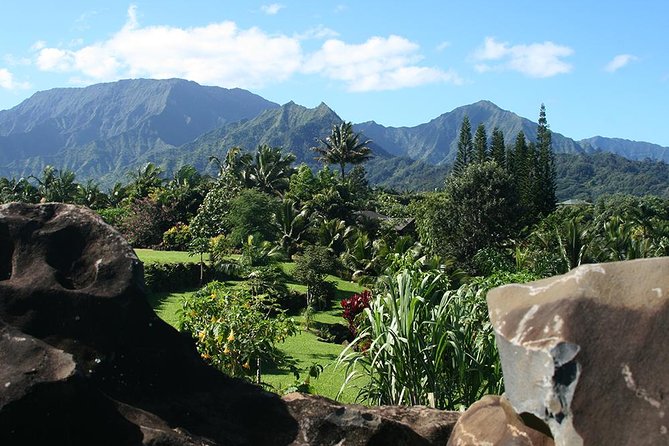
The opening section takes you through the upper terraces. This is where the tour starts to show the range of the property, with exotic flowers, rare plants, and varieties discussed for their practical uses.
The guide may focus on food, traditional plant uses, cultivation, or the story of how different species came to Kauai. The quality of the narration depends partly on the individual guide. Troy, Lauren, Zoe, and Heidi are among the guides associated with particularly strong tours, and the best guides combine clear plant information with an easy pace and a good speaking voice.
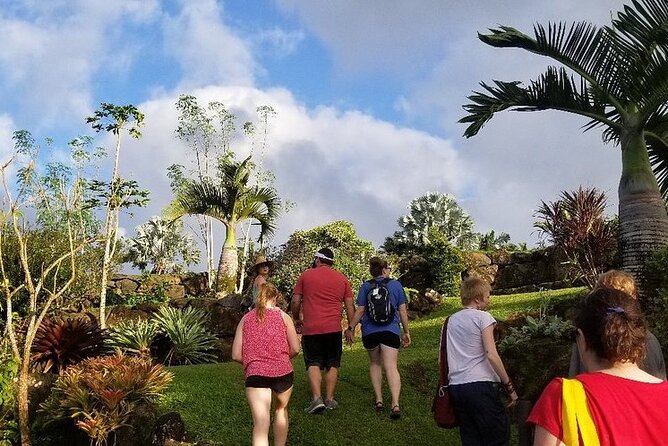
I like the fact that the walk is not treated as a race. You stop often, look closely, and have time to ask questions. Several shaded rest areas help, especially on a warm morning. The garden has a mature upper canopy, so you are not exposed to the sun for the entire route.
You should still wear proper shoes. Flip-flops and platform sandals are a bad match for steep or wet sections. Even light rain can make parts of the route muddy or slick, and the terrain includes loose gravel and stairs.
Fruit, flowers, and honey along the route
The garden walk includes samples of fresh Hawaiian fruit and honey. These stops are small but important. They keep the tour from becoming a long botanical lecture, and they let you taste the garden rather than only look at it.
The exact fruit selection can vary, since the garden works with seasonal produce. You might taste something familiar in a fresh form, or encounter a fruit you have not tried before. The honey adds another connection to the property, especially when you have already seen the hives.
These samples are not a full meal. It is sensible to eat beforehand, since the tour lasts about three hours and lunch is not included. The chocolate tasting is substantial enough to be enjoyable, but it is still a tasting rather than a restaurant meal.
The route also passes through areas of unusual plant variety. One especially appealing feature is the mix of cultivated beds, natural creek areas, and wooded paths. You get a sense of how the garden works with the land instead of presenting only neat rows of flowers.
The cacao grove and raw chocolate nibs
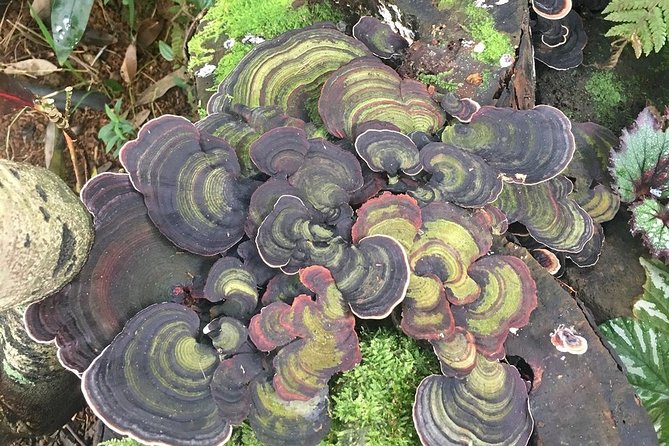
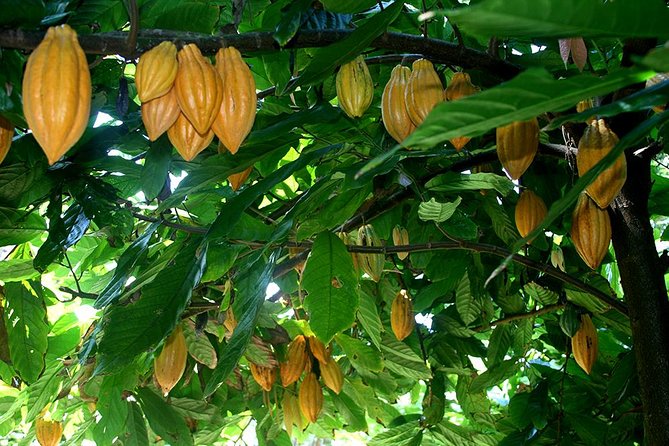
Near the valley floor, a small cacao grove introduces the main subject of the second half. You learn how cacao grows, how pods are harvested, and how beans begin their journey toward chocolate.
The grove is not a large commercial plantation. That distinction matters. The property has a relatively small number of cacao trees, and the local crop supplies only a limited amount of finished chocolate. The value here is educational: you see the plant, understand its place in the garden, and learn the basic steps from pod to product.
Raw cacao nibs provide a memorable taste. They are not like a sweet chocolate bar. Expect a more bitter, earthy flavor and a firm texture. This is a useful moment because it shows how much processing and added ingredients change cacao.
The guide then explains historical and modern methods of chocolate production. You hear about the stages that turn harvested beans into something smooth and ready to eat. If you enjoy food tours, this portion gives the outing more substance than a simple sample tray.
Other eating and drinking in Kauai:
- Food Tour of Kaua’i
★ 4.5 · 338 reviews - Little Havana Food and Walking Tour in Miami
★ 5.0 · 8,882 reviews - New Orleans Food Walking Tour of the French Quarter with Small-Group Option
★ 5.0 · 6,118 reviews - NYC Bus Tour of Brooklyn, Bronx, Queens: Art, Food & Sports
★ 5.0 · 3,805 reviews
A shaded tasting of five single-origin chocolates
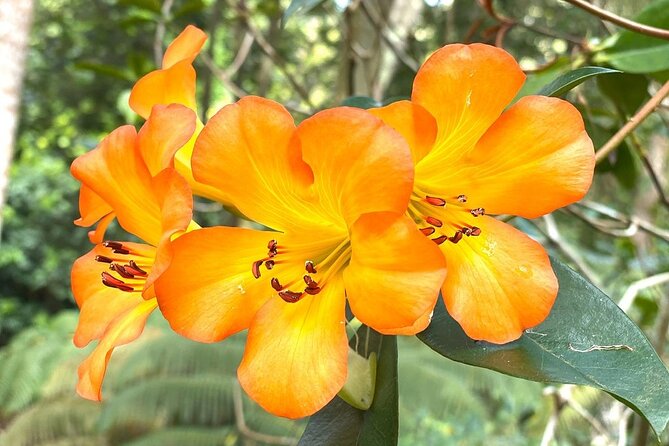
After the garden section, you settle into an outdoor tasting area in the shade. This is the most relaxed part of the morning, and it gives your legs a break before the final section of the walk.
You sample at least five single-origin chocolates from around the world. The point is comparison. Different origins and levels of processing can produce noticeable differences in flavor, texture, and finish.
The tasting is not limited to chocolate made from the garden’s own cacao. That is worth understanding before booking. The garden’s cacao grove is small, while the tasting includes chocolates sourced from several locations. You are learning about chocolate as a global food, not sampling only local production.
Some people will find this the high point of the tour. Others may prefer the plants and fruit, especially if they expected a larger Hawaiian chocolate-making operation. I would book it for the full combination, not for a chocolate factory visit.
The shaded seating also improves the pacing. You are not walking continuously for three hours. The tasting creates a natural pause, and the guides use it to explain cocoa processing in more detail.
Anini Creek valley and sustainable cultivation
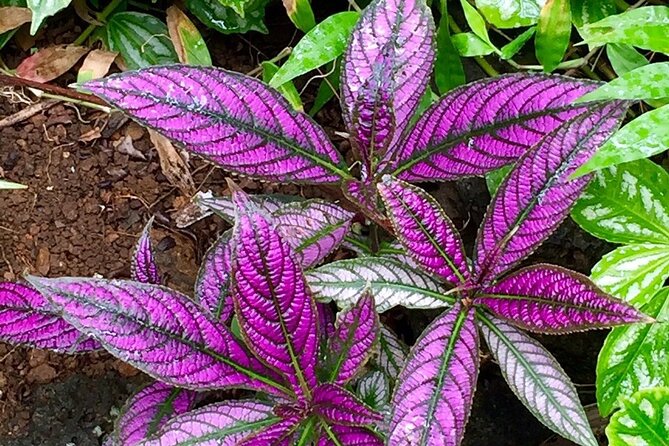
After the chocolate session, the tour returns to the paths and continues through the Anini Creek valley. This final section brings you back to the garden’s plants, terrain, and cultivation methods.
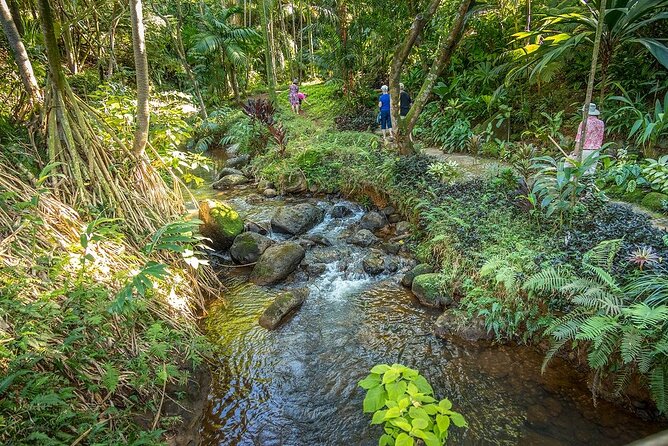
The creek area feels different from the upper terraces. The route includes wooded sections, bridges, changing elevation, and dense plant growth. You may see rare plants and unusual topography while hearing about ways the garden grows and manages its collection.
This is also where the physical demands can become clearer. The walk includes both uphill and downhill sections, and rain can change the footing quickly. Walking sticks are available and can be genuinely useful, not just a courtesy. Umbrellas are also provided, which helps during the frequent light showers common to a tropical garden setting.
Tours operate in rain or shine. Bring a rain jacket, even if the morning begins dry. The supplied umbrellas are helpful, but a jacket keeps your hands free and gives better protection on a longer wet stretch.
Guides and the feel of the small group
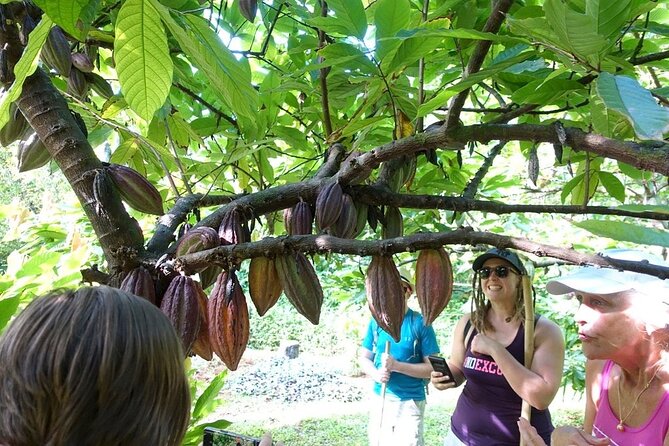
The maximum group size is 17 people. That is small enough for a guide to address the group without turning the morning into a crowded procession.
Guide quality matters on a tour like this because the garden itself supplies the scenery. A strong guide adds meaning by explaining how plants are used, how cacao grows, and why the property is cultivated in particular ways. Troy is often praised for clear information about plants and chocolate. Lauren is noted for organization and an easy-to-hear speaking voice, while Zoe has a warm, capable style.
You should also know that guiding styles differ. Some guides spend more time on medicinal or homeopathic uses, personal viewpoints, or broader ideas about plants. If you want strictly scientific plant identification at every stop, this may feel less technical than a formal botanical lecture.
The best approach is to ask questions. If a particular plant interests you, say so. The tour covers many species, and a direct question can lead to a more useful conversation than waiting for every detail to appear in the planned talk.
Bugs, rain, and what to wear
Use insect repellent before you begin and keep applying it as needed. Organic, DEET-free island bug spray is provided, and repellent is available to purchase, but insect bites remain a real possibility. Some people are much more sensitive than others.
I would wear long, light clothing if you are prone to bites, though the supplied details specifically require good walking shoes and recommend a rain jacket. A hat is also sensible for warm sections. Sturdy hiking shoes or boots give you better grip than casual sandals.
Walking sticks are available at the start. Take one if you are unsure about balance or if wet weather is expected. You do not need to be an experienced hiker, but you do need moderate mobility and comfort with stairs, hills, and uneven ground.
Parents must stay with their children throughout the tour. It can work well for families, especially those with children who enjoy plants, food, and hands-on tasting. Parents should make an honest judgment about a child’s ability to manage a three-hour outdoor walk.
Service animals are allowed. The tour runs in all weather, so consider the forecast, but do not assume a dry morning.
Is $126 a fair price?
At $126 per person, this is not a bargain garden admission. You are paying for a guided three-hour experience, fruit and honey samples, a gourmet chocolate tasting, an escort, and the use of walking sticks, umbrellas, and bug spray.
The value is strongest if you want interpretation. A self-guided garden visit would cost less in many settings, but it would not give you the plant uses, cacao lesson, processing explanation, or guided tasting. The small maximum group also helps justify the price.
The value is weaker if you mainly want a quick look at flowers or expect a full meal and a large local chocolate factory. There is no lunch, no transportation, and no hotel pickup. You must also be prepared for a physical walk.
The tour is commonly booked well ahead, with an average lead time of about 44 days. If this is important to your Kauai plans, reserve early rather than hoping to fit it in at the last minute.
Free cancellation is available when you cancel at least 24 hours before the 9:30 a.m. start time. Changes or cancellations made later do not qualify for a refund.
Who should book this Kauai experience?
I would choose this tour if you enjoy gardens but want more than plant labels. It also suits chocolate fans who like learning how food is produced, comparing flavors, and seeing cacao in the ground.
It works well for couples, groups of friends, and families with older children who can handle the terrain. The relaxed pace and rest stops make it manageable for many moderately fit people, but the route is not suitable for everyone with mobility limits.
I would skip it if you need a flat, paved route, dislike insects, or want a quiet private visit without a guide. I would also skip it if your main goal is a large-scale cacao farm or a sit-down meal.
Should you book the Princeville Botanical Gardens tour?
Book it if you want a three-hour North Shore outing that combines rare plants, tropical fruit, honey, cacao, and guided chocolate tasting. The garden provides the scenery, while the food stops give the walk a clear purpose and welcome breaks.
Go prepared. Wear good shoes, use the bug spray, bring a rain jacket, and leave room for hills and stairs. If you do that, the experience offers a thoughtful look at Kauai’s plant life with a genuinely enjoyable chocolate lesson in the middle.
FAQ
How long does the Princeville Botanical Gardens tour last?
The tour lasts approximately three hours, including the garden walk, fruit and honey samples, cacao discussion, and chocolate tasting.
What time does the tour begin?
The tour begins at 9:30 a.m.
Where does the tour meet?
You meet at 3840 Ahonui Pl, Princeville, Hawaii 96722. The tour ends back at the same meeting point.
Is transportation included?
No. Hotel pickup, hotel drop-off, and transportation to and from the attraction are not included.
How much does the experience cost?
The listed price is $126 per person.
How many chocolates will I taste?
You will sample at least five single-origin chocolates from around the world.
Are walking sticks and umbrellas provided?
Yes. Walking sticks and umbrellas are provided for use during the tour.
Does the tour operate in the rain?
Yes. Tours operate rain or shine. You should bring a rain jacket and wear shoes suited to wet, uneven ground.
Is the tour suitable for people with limited mobility?
Moderate mobility is required. The route includes stairs, uphill and downhill sections, loose gravel, and uneven terrain.
Just added in Kauai
- Waimea Canyon Downhill Bike Ride★ 5.0 · 650 reviews
- Kauai Adventure: Kayak & Hike to Secret Falls with Expert Guide★ 5.0 · 1,387 reviews
- Po’ipu Surf Lesson★ 5.0 · 361 reviews
- Kauai: Na Pali Sunset & Sightsee Boat Tour★ 4.5 · 1,168 reviews
- Ni’ihau and Na Pali Coast Snorkel Boat Tour★ 4.5 · 428 reviews
- Kauai: Secret Falls Kayak and Hike★ 5.0 · 1,403 reviews
- Wailua River Kayak and Sacred Falls Guided Hike with Lunch★ 5.0 · 783 reviews
- Kauai: Leila Na Pali Sunset Dinner Sail★ 4.5 · 524 reviews
Food & Drink, compared.
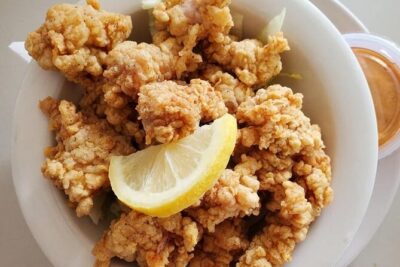
New Orleans Food Walking Tour of the French Quarter with Small-Group Option
Read our review →
NYC Bus Tour of Brooklyn, Bronx, Queens: Art, Food & Sports
Read our review →
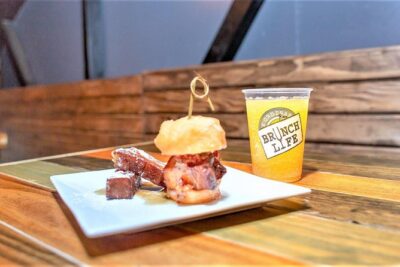
Savannah First Squares Culinary & Cultural Walking Food Tour
Read our review →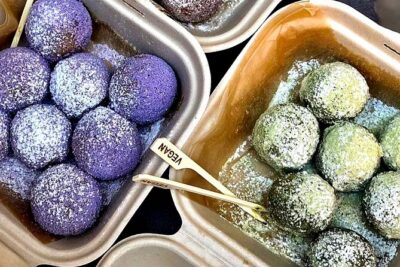
Chinatown & Little Italy Food Tour with 7 Flavorful Tastings
Read our review →
Food Tour with 5+ Tastings of Local Delicacies
Read our review →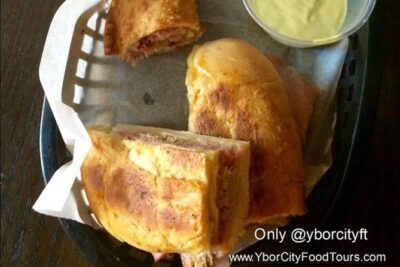
Original NYC Guided Food Tour of Chinatown and Little Italy
Read our review →Browse the lists this tour appears in