
Reviewed · PLANTATION TOURS
Boone Hall Plantation Admission & Tour with Transportation from Charleston
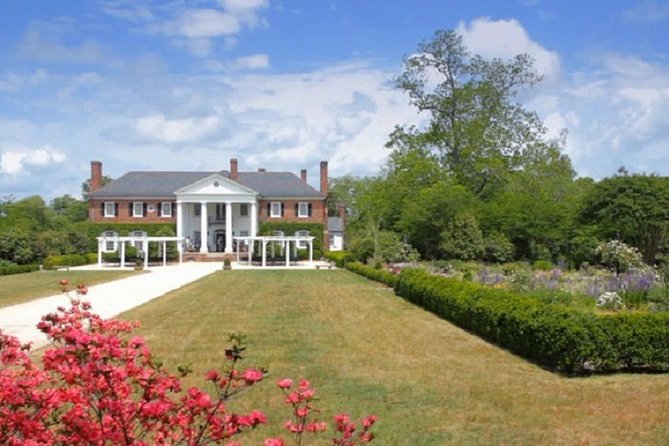
Boone Hall’s most powerful moments are not just the grand house or the famous live-oak avenue. They are the slave cabins and Gullah presentation, which place the plantation’s beauty beside the hard truth of enslaved life and the culture that survived it. You also get a guided house visit, gardens, and round-trip transport in one half-day outing.
I like the easy pickup at the Charleston Visitor Center and the history shared on the ride out. I also like that the visit includes more than a mansion tour: you can walk the grounds, see the rose garden, visit the cabins, and hear a live account of Gullah culture.
The main caution is time. Four and a half hours is enough for the key sights, but not always enough to attend every presentation at a relaxed pace. The current house is not an antebellum building, and the property involves plenty of walking, especially on a hot day.
Key points to know before you book
- The live-oak entrance is a highlight: The long drive beneath moss-draped oaks gives Boone Hall its most memorable first impression.
- The Gullah presentation deserves priority: This seasonal performance explains the language, music, traditions, and survival of Gullah culture.
- The house is not from the Civil War era: Boone Hall traces its plantation history to 1681, but the present house is less than 100 years old.
- Transportation is built in: An air-conditioned bus leaves from 375 Meeting Street and returns you there after the visit.
- The tram may not save much walking: When offered, the seasonal ride tours the grounds while a story is told. It does not necessarily stop at every attraction.
- Allow for heat and uneven pacing: Bring water, wear practical shoes, and check the schedule soon after arrival so you can fit in the house and Gullah programs.
From Charleston’s Visitor Center to Boone Hall
Your half-day begins at the Charleston Visitor Center at 375 Meeting Street. This is a useful departure point, with restrooms, parking, public transportation nearby, and a gift shop. You do not get hotel pickup, so plan to reach the center on your own.
The air-conditioned bus ride takes about 30 to 45 minutes. That transfer is more useful than it may sound. You avoid arranging a rental car, navigating unfamiliar roads, or paying for parking at the plantation. The driver may also point out local history and places along the way, giving the trip some context before you reach the property.
The group is described as small, with a maximum of 25 people. That is a reasonable size for a half-day outing. You can hear the driver and plantation guides without being part of a huge coach crowd, though the actual number can vary.
Keep your confirmation handy on your phone. The ticket is mobile, and the tour is offered in English.
Other historic houses near Charleston:
- Boone Hall Plantation All-Access Admission Ticket
★ 4.5 · 1,736 reviews - Magnolia Plantation Admission & Tour with Transportation from Charleston
★ 4.5 · 836 reviews - Charleston: Magnolia Plantation Entry & Tour with Transport
★ 4.6 · 438 reviews
The oak avenue makes the first impression
Boone Hall’s entrance is the visual star of the visit. Live oaks arch over the drive, their branches draped in Spanish moss. It is the kind of setting that has appeared in films, including The Notebook, and it explains why the approach is often remembered as much as the buildings.
The beauty can also shape your first impression in a misleading way. A plantation property can look peaceful today while resting on a system built through forced labor. Boone Hall does address that history, but you should arrive ready to look beyond the scenic driveway.
The grounds are part of a working plantation operation, with crops such as strawberries, peaches, and pecans associated with the property today. That living, working element helps distinguish Boone Hall from a preserved house that functions only as a museum.
The 30-minute house tour sets the historical frame

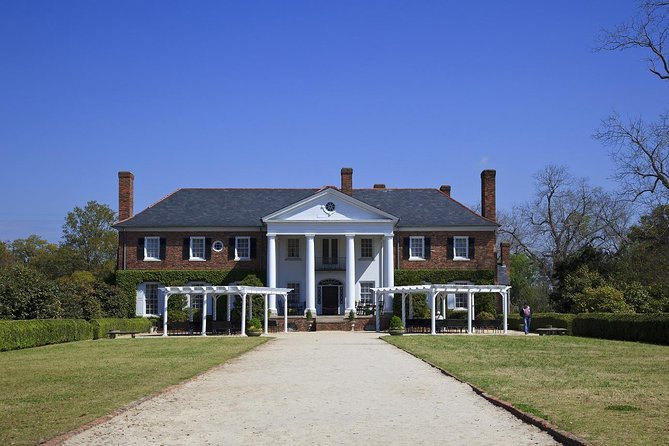
The house tour begins on the front porch and lasts about 30 minutes. A guide in period dress explains Boone Hall’s history and its changes under different owners since 1681.
This is a guided presentation, not a free-form walk through the building. That structure is helpful if you want a clear account of the property, but it also means the house portion is fairly brief. You will get an overview rather than a long inspection of every room.
One point matters when comparing Boone Hall with other Charleston-area plantations: the current house is not an original 18th or 19th-century residence. It is less than 100 years old and was not standing during the Civil War. The plantation’s older story comes from the land, its owners, its agricultural work, and the people who lived and worked there, not from the age of the present mansion.
The McRae family bought Boone Hall in 1955 and opened it to the public in 1956. That detail helps explain the mix of old grounds, plantation history, and a much newer house. If you want an original antebellum mansion, this is not the right choice. If you want a place that connects plantation agriculture, slavery, Gullah culture, and modern public interpretation, it offers more range.
The cabins make the history personal
The slave cabins and history presentation are among the most important parts of the visit. You see the living quarters, historic objects, and the limited conditions faced by enslaved people who lived at Boone Hall.
A mansion can make plantation history feel distant. The cabins bring it down to the level of daily life: where people lived, how little space they had, and how different their reality was from the owners’ house. The presentation also covers the lives of enslaved people and the period after emancipation, rather than treating slavery as a footnote.
You may find this section sobering. That is appropriate. The cabins are not simply another photo stop, and the emotional weight can be considerable.
The interpretation also touches on the work that shaped the plantation, including brick making, indigo, and cotton farming. The presentation is stronger on the human story than on visual displays about each crop or trade. If those subjects interest you, pay close attention during the talks and ask questions when there is a chance.
Other tickets worth buying ahead in Charleston:
- Fort Sumter Admission and Self-Guided Tour with Roundtrip Ferry
★ 4.5 · 3,343 reviews - Charleston: Fort Sumter Entry Ticket with Roundtrip Ferry
★ 4.7 · 2,879 reviews - Charleston Haunted Jail Night-Time Walking Tour with Admission to Old City Jail
★ 4.5 · 570 reviews - NYC: 9/11 Memorial & Museum Timed-Entry Ticket
★ 4.8 · 31,428 reviews
The Gullah presentation is the tour’s essential stop
Boone Hall offers a live, seasonal presentation called Exploring the Gullah Culture. It focuses on the Gullah people, descendants of enslaved Africans in the coastal South, and the culture developed through African traditions, forced migration, adaptation, and survival.
This performance is frequently the most memorable part of the visit. A costumed presenter explains Gullah language, music, traditions, and daily life in a way that a plaque or audio guide cannot match. The tone is personal and direct, and it gives the plantation setting a cultural meaning that extends beyond the property itself.
The talk also helps explain sweetgrass baskets, a regional craft made by hand and used for practical purposes as well as display. You may see baskets for sale, but the main value of the presentation is understanding the time and skill behind them. Some take weeks or months to make.
Schedules are seasonal, so check the times as soon as you arrive. If your visit has a tight timetable, make the Gullah program a priority. The house tour and grounds are worthwhile, but this is the part most likely to stay with you after you leave.
Gardens, roses, and the self-guided grounds
You explore much of Boone Hall on your own. The gardens and grounds let you set your pace, although the half-day schedule means you should not linger too long in one area if you want to catch every scheduled program.
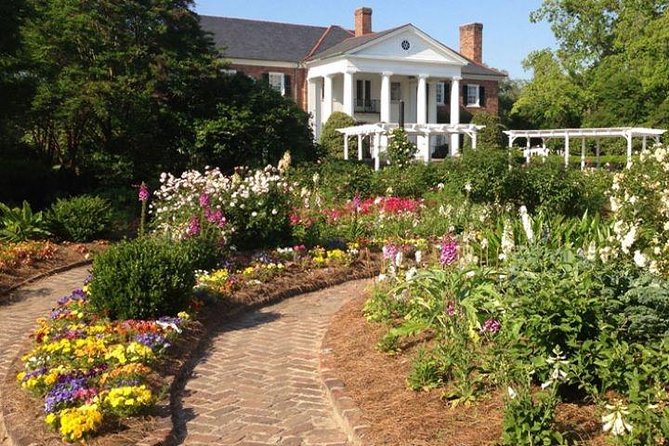
The rose garden is a pleasant stop, with bushes more than a century old. It offers a gentler change of mood after the cabins and slavery presentation. The grounds also provide the best chance to appreciate the property’s trees, open areas, and working-farm character.
The famous live oaks are at their most impressive near the entrance, but the wider grounds give you time to look at the property rather than simply passing through it. Wear shoes that can handle a lot of walking, and bring water on warm days. Drinks and snacks are available for purchase at the plantation, but you should not count on food as part of the ticket.
There is also a lunch and snack spot near the butterfly building and horse stalls. Food is not included, so allow time and money for it if you expect to eat there.
What the tram adds, and what it does not
A seasonal plantation tram tour may be available. If it runs, it gives you an easier way to see more of the property while listening to a narrated account of the grounds.
Do not confuse it with a shuttle between every attraction. The tractor-style ride may tour the grounds while the story is told, but it does not necessarily stop at each event or landmark. You still need to walk to the house, cabins, Gullah presentation, gardens, and other areas.
That distinction matters if you use a cane or have trouble walking. The activity calls for a moderate level of physical fitness, and the property can involve substantial time on your feet. Service animals are allowed, but the tour is not presented as a fully accessible route.
If you have limited mobility, ask staff about the current tram schedule and walking distances before committing to the full visit. The ride can help, but it should not be treated as a complete solution.
Is $82 a fair price?
At $82 per person, the tour costs more than simply paying for admission if you already have a car. The value comes from combining transportation, gate fees, the guided house tour, the Gullah program, the cabins, and the convenience of returning to central Charleston.
For a first visit to Charleston without a rental car, I think the price is reasonable. A half-day transfer to a plantation outside the city can be awkward by taxi or rideshare, and you would still need to pay admission separately. Here, the bus handles the main logistics and the driver may add local history during the ride.
The value is weaker if you want a slow, full-day visit. Four and a half hours goes quickly once you include the drive. Some people will want another 30 to 60 minutes to fit every program, walk the grounds, and stop for food.
You should also compare what matters most to you. Boone Hall is a good match if you want a mix of plantation history, enslaved people’s history, Gullah culture, gardens, and scenery. It is less suitable if your main goal is an original Civil War-era house or an unhurried botanical visit.
Timing, heat, and the best way to use your visit
The schedule is the biggest practical issue. Once you arrive, go to the main building and find out when the house tour begins. Do not assume you can simply wander for an hour and join later. One poor use of time can leave you choosing between the Gullah presentation and another attraction.
I would plan the visit in this order:
- Check the house tour time immediately.
- Confirm the Gullah presentation schedule.
- Ask if the tram is running and when it leaves.
- Fit the cabins and self-guided grounds around those fixed times.
- Leave the rose garden and extra wandering for the end.
Earlier departures may be more comfortable on hot days. Much of the experience takes place outside, and the combination of sun, walking, and waiting can wear you down. Bring water, a hat, sunscreen, and shoes with good support.
The property is best suited to couples, families with older children, solo visitors, and anyone who wants a structured half-day away from downtown. It is less convenient for anyone who cannot walk moderate distances or needs a very flexible schedule.
How Boone Hall handles a difficult past
The plantation setting is attractive, but a good visit requires honest attention to the difficult parts. Boone Hall does not present only a polished mansion and scenic gardens. The cabins, slavery presentation, and Gullah program put enslaved people and their descendants into the story.
That balance matters. The current house is newer than the plantation’s earliest period, while the human history reaches back much farther. You should keep those facts together rather than treating the house as proof of what the property looked like in the 1700s.
The Gullah presentation also moves the story beyond emancipation. It shows how African traditions continued and changed in the coastal South. That makes the visit more than an account of owners, crops, and architecture. You leave with a better sense of the people and culture connected to the region.
Who should book this half-day tour?
Book it if you are staying in Charleston and want a straightforward way to see Boone Hall without renting a car. The included transportation, gate fees, house tour, cabins, gardens, and Gullah presentation give you a useful range in a single outing.
I especially recommend it if you consider cultural history as important as scenery. The live-oak avenue is beautiful, but the cabins and Gullah program give the day its weight.
Think twice if you need a fully accessible experience, dislike walking in heat, or expect a house from the colonial or Civil War period. Also think twice if you want to attend every event at a leisurely pace. The schedule is workable, but not generous.
Free cancellation is available up to 24 hours before departure. If bad weather or too few bookings force a cancellation, you can receive another date or a full refund. Changes made within 24 hours are not accepted, so keep that deadline in mind.
FAQ
Where does the Boone Hall tour begin?
The tour begins at the Charleston Visitor Center, 375 Meeting Street, Charleston, South Carolina 29403. It also ends back at this meeting point.
How long does the experience last?
The full experience lasts about four hours and 30 minutes. The drive to Boone Hall takes about 30 to 45 minutes, and the plantation visit itself is listed at about three hours.
Is transportation included?
Yes. Round-trip transportation from the Charleston Visitor Center is included aboard an air-conditioned bus. Hotel pickup and drop-off are not included.
What is included in the admission price?
The $82 price includes gate fees, transportation, a professional driver, the guided plantation house tour, self-guided gardens and grounds, historic slave cabins, and the Gullah theater presentation. A seasonal tram tour is included when available.
Is the Boone Hall house original to the plantation?
No. The present house is less than 100 years old and was not standing during the Civil War. The plantation’s history reaches back to 1681, but the current building is much newer.
Does the tour involve much walking?
Yes. You should expect walking around the grounds, gardens, cabins, and other attractions. A moderate level of physical fitness is recommended, and the tram may not stop at every site.
Can I cancel for a refund?
You can cancel up to 24 hours before the experience start time for a full refund. Cancellations or changes made less than 24 hours before departure are not accepted for a refund.
Just added in Charleston
- Charleston Ghosts of Liberty Guided Walking Tour★ 4.5 · 473 reviews
- 2-Hour Guided Kayak Eco Tour in Charleston★ 5.0 · 954 reviews
- Charleston’s Best Highlights: History, Culture & Architecture★ 5.0 · 422 reviews
- Charleston Harbor Sunset Cruise★ 5.0 · 905 reviews
- Savor the Flavors of Charleston Walking Food Tour★ 4.5 · 881 reviews
- Lost Stories of Black Charleston Walking Tour★ 5.0 · 412 reviews
- Undiscovered Charleston: Half Day Food, Wine & History Tour with Cooking Class★ 5.0 · 948 reviews
- Private Luxury Yacht Charters, BYOB & Dolphins★ 5.0 · 395 reviews
Plantation Tours, compared.
Swamp Boat Ride and Oak Alley Plantation Tour from New Orleans
Read our review →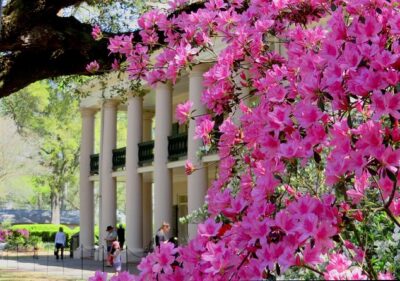
Oak Alley Plantation Tour with Transportation from New Orleans
Read our review →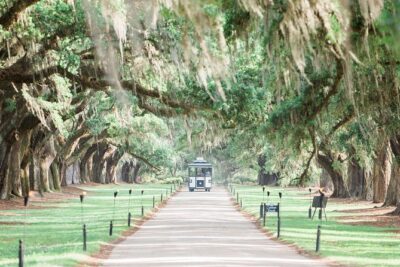
Boone Hall Plantation All-Access Admission Ticket
Read our review →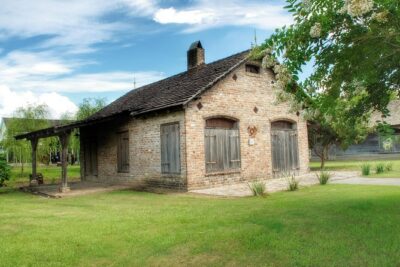
Whitney Plantation Tour with Transportation from New Orleans
Read our review →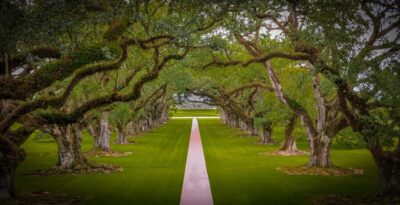
Bayou Swamp Tour and Oak Alley Plantation Tour
Read our review →
Oak Alley Plantation & Airboat Swamp Combo Tour
Read our review →
Magnolia Plantation Admission & Tour with Transportation from Charleston
Read our review →
Pearl Harbor, Dole Plantation, and Polynesian Center from Waikiki
Read our review →Browse the lists this tour appears in