
Reviewed · PLANTATION TOURS
Boone Hall Plantation All-Access Admission Ticket
Boone Hall is most meaningful when you move beyond the famous oak-lined entrance and spend time in the nine cabins where enslaved people lived. The Black History in America exhibit and the live Gullah culture presentation give the estate a needed human focus, while the grounds, gardens, and working farm show how the property functions today.
I like the freedom to explore at your own pace, and I like that one ticket covers the house, gardens, tractor ride, history talks, cabins, stable, and Gin House Museum. The main caution is that the plantation house dates to 1934, not the colonial era, and the guided tour covers only a few first-floor rooms.
Key points to know before you go
- The Gullah presentation is the highlight for many visitors: Set aside time for this live talk, which connects local culture, language, and history to the Lowcountry.
- The cabins provide the clearest account of enslavement: The Black History in America exhibit is housed in the original buildings where enslaved people lived.
- The mansion is not an original Boone-era house: It was built in 1934, and the tour includes only the first floor.
- The ticket covers a full half-day: You get the tractor tour, house tour, gardens, history presentation, exhibits, stable, and more, weather permitting.
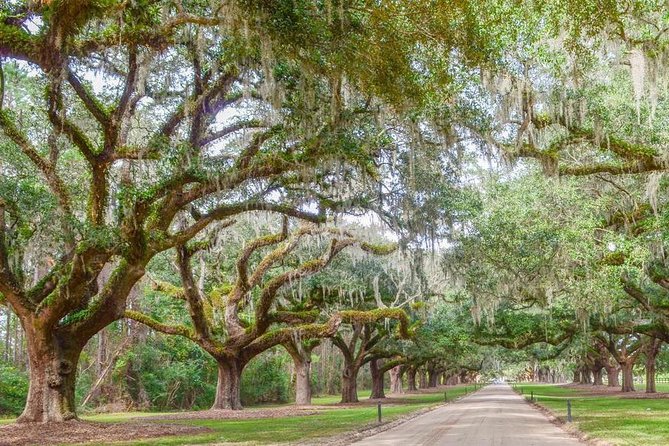
- The Avenue of Oaks is the visual opener: Allow time for photographs before heading to the other parts of the property.
- Compare ticket prices before booking: The listed price is $36.50 per person, while several visitors found lower senior or gate prices available directly from Boone Hall.
Why Boone Hall is more than an oak-lined photo stop

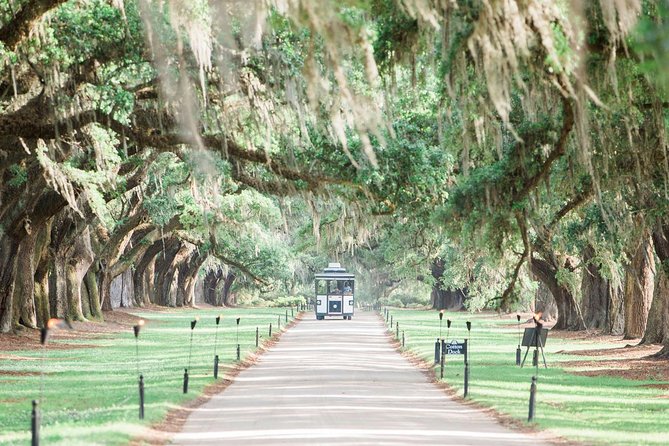
The grand entrance can fool you. Boone Hall is famous for its long Avenue of Oaks, but the strongest part of a visit is not simply the view of mossy trees leading toward the house. It is the way the property places several layers of South Carolina history in one walkable visit.
You will see a working farm, gardens, horses, historic buildings, a relatively modern mansion, and former slave cabins. These pieces do not all carry equal weight. The house is attractive, but the cabins and Gullah presentation offer the most important context.
Boone Hall traces its history to 1681, making it one of the older plantation sites near Charleston. That date can create the expectation of an original colonial mansion. You need to adjust that expectation before arriving. The current house was built in 1934 and was not owned by the Boone family, a fact that changes how you should read the property.
That does not make the house irrelevant. It gives you a chance to see how later owners presented plantation life and wealth. But if you are seeking an untouched eighteenth-century residence, this is not that experience.
Other historic houses near Charleston:
- Magnolia Plantation Admission & Tour with Transportation from Charleston
★ 4.5 · 836 reviews - Boone Hall Plantation Admission & Tour with Transportation from Charleston
★ 4.5 · 455 reviews - Charleston: Magnolia Plantation Entry & Tour with Transport
★ 4.6 · 438 reviews
Start with the Avenue of Oaks
The first sight is the long approach beneath enormous live oaks. This is the part of Boone Hall that photographs almost too easily, yet it earns its reputation in person. The trees create a strong sense of arrival and give you an immediate view of how carefully the estate was arranged.
Take your time here. The road is more than an entrance for cars and tour groups. It frames the house and gives you a sense of the property’s scale. The grounds are well maintained, and the oak canopy is one of the best reasons to bring a camera.
The property is large enough that you should not rush straight to the mansion. The full visit takes roughly two to four hours, depending on how long you spend at the talks, gardens, exhibits, and stable. Four hours is the safer estimate if you want to see nearly everything.
The cabin exhibit puts the human story first
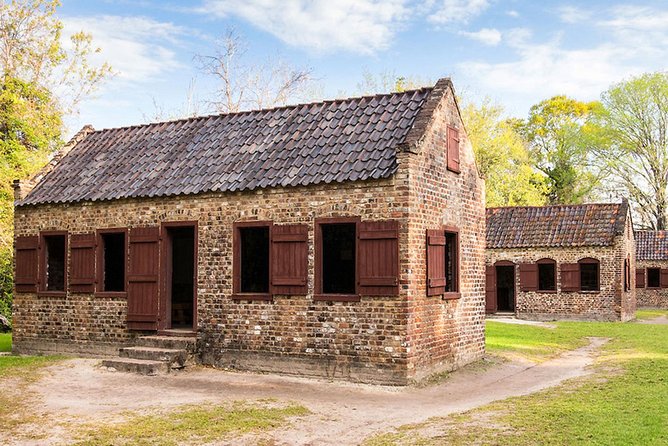
Boone Hall’s nine original cabins are among the most important stops on the property. These buildings once housed enslaved people, and today they contain the Black History in America exhibit.
This section is where the visit moves from plantation scenery to the lives and labor that made the estate possible. The exhibit helps explain slavery in a broader American setting, while the buildings themselves keep the subject grounded in a real place. You are not just hearing about an abstract system. You are standing inside the structures where people lived.
The cabins also connect to the site’s brickmaking history. Imperfect bricks were used to build the quarters, while better bricks were sold elsewhere. That small detail helps you see how skill, labor, and commerce operated together on the plantation.
Give this area serious time. Some visitors find the house more visually appealing, but the cabins are more useful if your goal is to understand the property’s past. The site works best when you do not treat them as a quick add-on after the mansion.
Make the Gullah talk a priority
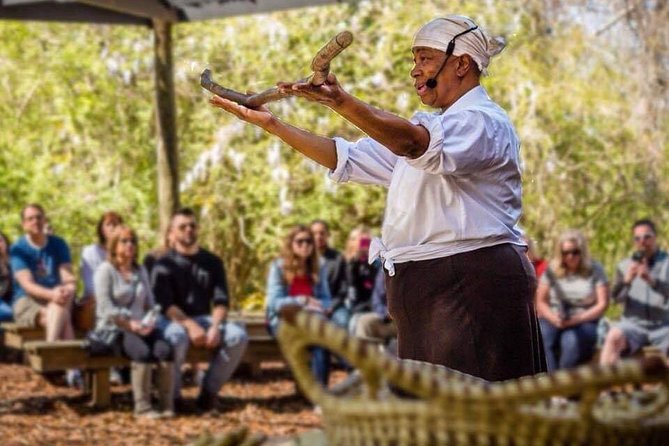
The live Exploring the Gullah Culture presentation is one of the strongest parts of the admission. It adds a local voice and gives the visit cultural meaning that a standard house tour cannot provide.
The presentation is led by a seventh-generation Gullah speaker, according to the experience details provided by visitors. That makes it especially valuable for anyone interested in Lowcountry culture, language, family traditions, and the lasting effects of slavery in the region.
Schedule your day around this talk rather than hoping to catch it by chance. The available times can affect how you arrange the house tour, tractor ride, and gardens. One visitor who arrived during rain said the presentation alone made the ticket worthwhile, but also wished the day had allowed time for the wagon ride.
The Gullah talk also helps balance the estate’s polished presentation. Boone Hall can sometimes feel focused on architecture, crops, gardens, and current operations. This program brings attention back to the people and culture connected to the Lowcountry.
Other tickets worth buying ahead in Charleston:
- Fort Sumter Admission and Self-Guided Tour with Roundtrip Ferry
★ 4.5 · 3,343 reviews - Charleston: Fort Sumter Entry Ticket with Roundtrip Ferry
★ 4.7 · 2,879 reviews - Charleston Haunted Jail Night-Time Walking Tour with Admission to Old City Jail
★ 4.5 · 570 reviews - NYC: 9/11 Memorial & Museum Timed-Entry Ticket
★ 4.8 · 31,428 reviews
What to expect inside the 1934 house
The guided house tour covers the first floor, with access generally limited to a small number of rooms. You may see the entrance, drawing room, dining room, breezeway, and game room, although the exact route can depend on the day.
The interior is beautifully decorated, and the guides explain details about the house, its furnishings, doors, piano, and social life. If you enjoy historic interiors, you will find things to study. The tour also offers a look at how the property was used and presented in the twentieth century.
Still, keep your expectations in check. This is not the original plantation house, and it is not a tour of a large colonial mansion. The limited number of rooms means the house portion can feel short. Photography inside is not allowed, which some visitors find frustrating, especially because the tour is brief and the rooms are carefully arranged.
I would treat the house as one part of the visit, not the main reason to buy the ticket. If you want the broader story, the cabins, Gullah talk, grounds, and tractor tour deserve equal or greater attention.
Ride across the property by tractor
The tractor tour gives you a practical sense of the estate’s size. It crosses the full property and adds information about the farm and its current use. The ride is included in the admission price, but it operates only when weather allows.
This is useful because the grounds cover more space than you may want to walk in warm or wet conditions. You can see more of the working plantation without spending the entire day on foot. The ride also helps link the separate stops, from gardens to farm areas and other historic buildings.
Weather matters. If rain threatens, check the day’s schedule before assuming the tractor will run. A wet day can also change how much time you want to spend outdoors. The house and cabin exhibits remain important, but the garden and transport portions may be less enjoyable.
Gardens, animals, and the working farm
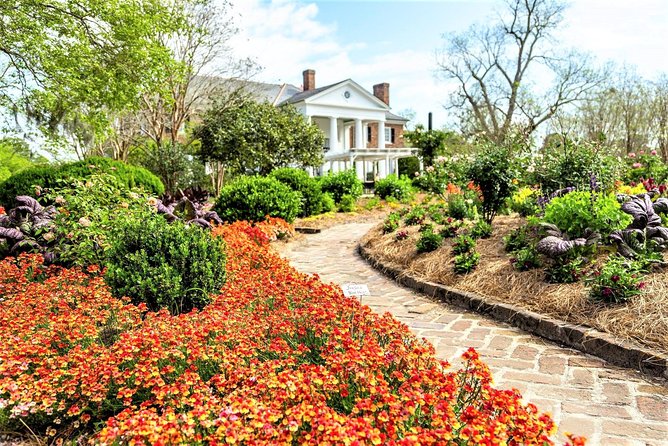
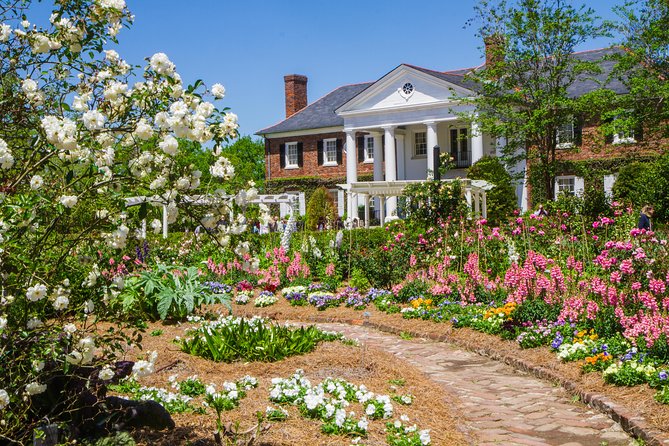
The Garden Tour, described as a showcase of color, adds a lighter part of the visit. The gardens give you space to slow down after the more serious history exhibits. Their appeal changes with the season, and spring or fall may offer especially pleasant conditions, though the experience details do not promise a particular display at any given time.
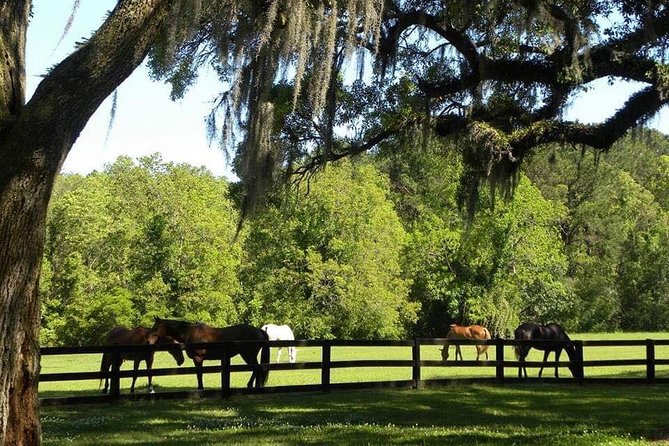
Boone Hall is still a working farm, not a preserved set frozen in the past. You may see crops being grown or tested, along with activity around the stables and polo horses. That present-day use gives the property more life than a house museum alone.
The new Stable Tour is included, but the timing matters. The stables may open only during certain periods, and you could miss them if you arrive between scheduled openings. If the horses interest you, check the day’s timing when you enter and plan around it.
The grounds also provide beauty and wildlife viewing. These features are not the main historical reason to come, but they make the visit more varied. Families and mixed-interest groups can split their time between exhibits, gardens, animals, and buildings instead of spending several hours in one interior.
The Gin House Museum and 300 years of change
The Gin House Museum covers roughly 300 years of history. It adds another stop for understanding how the property changed over time and how plantation operations worked.
This is a useful counterpoint to the house. The mansion tells you about presentation and domestic life, while the gin house points toward production and the business side of the estate. Together with the tractor ride and farm areas, it helps you see Boone Hall as an operating property rather than just a pretty residence.
The visit is strongest when you connect these pieces. The bricks, crops, cabins, labor, house, and current farm are all part of the same story. You do not need to accept every interpretive choice without question, but you should give yourself enough time to see how the site presents its past.
The difficult question of historical balance
Boone Hall does not treat slavery as a subject you can entirely miss. The cabins, Black History in America exhibit, and Gullah program are clear parts of the admission. Several presentations directly address the suffering of enslaved people.
At the same time, the visit also spends considerable time on the mansion, gardens, architecture, crops, doors, piano, and plantation operations. If you are looking for a tour focused almost entirely on slavery and resistance, you may find the balance too soft or too scattered.
I recommend approaching Boone Hall with a plan. Start with the cabin exhibit and Gullah presentation, then use the house and farm sections to understand how the site presents its later history. Do not let the oak avenue and decorated rooms become the whole story.
The experience can be emotionally difficult, particularly for Black visitors with family connections to the history of slavery. It can also be valuable for anyone willing to pay attention, ask hard questions, and leave with more than photographs. The property deserves a thoughtful visit rather than a quick stop between beach activities.
Is $36.50 a fair price?
The listed price is $36.50 per person. That is not a bargain for a short house visit, but it is more reasonable if you use the all-access admission fully.
Your ticket includes:
- The Avenue of Oaks and grounds
- First-floor guided house tour
- Black History in America exhibit
- Tractor tour, when weather allows
- History presentation
- Gullah culture presentation
- Garden Tour
- Stable Tour
- Gin House Museum
- Free parking
At two hours, the price may feel high, particularly if you mainly see the house and oak avenue. At four hours, with the Gullah talk, cabins, tractor ride, gardens, and museum, the value improves.
There is one important price warning. Several people paid about $36 to $38 through an online seller, while finding official senior prices around $27 to $30 at Boone Hall or at the entrance. Prices can change, but I would compare the official Boone Hall price before paying online. The convenience of a mobile ticket may not justify a large markup.
Also remember that the admission does not cover special events held on the property. Those require separate arrangements or tickets.
Timing, access, and practical planning
Boone Hall is open Monday through Saturday from 9 a.m. to 5 p.m. for the period listed in the booking information. Confirm the current schedule before setting out, especially if your trip falls near a holiday or special event.
The ticket is mobile, and confirmation is provided at booking. One serious booking problem has been reported, involving a ticket that did not appear in the property’s records. To protect yourself, save the confirmation on your phone and keep proof of payment available. If possible, buying directly from Boone Hall may reduce the price risk and avoid confusion.
Free parking is included. The site is near public transportation, and one visitor used a taxi from a Charleston hotel. Service animals are allowed, and the experience information says most people can participate.
Wear shoes suitable for walking between buildings and outdoor areas. The property’s size, garden paths, and tractor schedule mean your day may involve more time outside than the house portion suggests. Heat or rain can change the pace, so check the forecast before you go.
The cancellation policy is simple: cancel at least 24 hours before the start time for a full refund. Changes made within 24 hours are not accepted, and late cancellations are not refunded. If poor weather cancels the experience, you can receive another date or a full refund.
Who will enjoy Boone Hall most?
I would recommend Boone Hall to you if you want a broad visit that combines scenery, architecture, agricultural history, slavery interpretation, and Gullah culture. It suits families, couples, history-minded visitors, and anyone with half a day near Charleston.
It is also a good fit for groups with different interests. One person can focus on the cabins and talks while another spends more time with gardens, animals, or the house. The included tractor ride reduces the strain of covering the full property.
You may want a different site if your priority is an original colonial mansion, a tightly focused slavery history tour, or a short and inexpensive attraction. Boone Hall is spread across several themes, and its house is much newer than its 1681 founding date suggests.
Should you book Boone Hall?
Yes, if you treat it as a full property visit rather than a mansion tour. The oak avenue is beautiful, but the best reasons to go are the nine cabins, Black History in America exhibit, and Gullah culture presentation. Add the tractor ride, gardens, Gin House Museum, and stable if the schedule and weather cooperate.
Before booking, compare the $36.50 price with Boone Hall’s direct admission, especially if you qualify for a senior rate. Plan for three to four hours, check the Gullah presentation time first, and do not count on the tractor ride in poor weather.
Boone Hall is worth your time when you want beauty and history in the same visit, provided you give the difficult history the attention it deserves.
FAQ
How long does the Boone Hall visit take?
Plan on approximately two to four hours. Four hours is more suitable if you want to see the house, cabins, Gullah presentation, gardens, tractor tour, stable, and Gin House Museum.
What does the all-access ticket include?
It includes access to Boone Hall, the first-floor guided house tour, Black History in America exhibit, tractor tour when weather permits, history presentation, Gullah culture presentation, gardens, stable, Gin House Museum, beauty and wildlife viewing, and free parking.
Is the Boone Hall mansion original?
No. The present mansion was built in 1934. It was not owned by the Boone family, and the tour covers only the first floor and a limited number of rooms.
Are the former slave cabins included?
Yes. The nine original cabins are included, along with the Black History in America exhibit housed in those buildings.
Does the tractor tour operate in all weather?
No. The tractor tour is offered when weather permits. Poor weather can also lead to cancellation of the overall experience, in which case you can receive another date or a full refund.
Is the Gullah culture presentation included?
Yes. The live Exploring the Gullah Culture presentation is included with all-access admission.
Can I cancel for a full refund?
Yes, if you cancel at least 24 hours before the experience start time. Cancellations or changes made within 24 hours are not refunded or accepted.
Just added in Charleston
- Charleston Ghosts of Liberty Guided Walking Tour★ 4.5 · 473 reviews
- 2-Hour Guided Kayak Eco Tour in Charleston★ 5.0 · 954 reviews
- Charleston’s Best Highlights: History, Culture & Architecture★ 5.0 · 422 reviews
- Charleston Harbor Sunset Cruise★ 5.0 · 905 reviews
- Savor the Flavors of Charleston Walking Food Tour★ 4.5 · 881 reviews
- Lost Stories of Black Charleston Walking Tour★ 5.0 · 412 reviews
- Undiscovered Charleston: Half Day Food, Wine & History Tour with Cooking Class★ 5.0 · 948 reviews
- Private Luxury Yacht Charters, BYOB & Dolphins★ 5.0 · 395 reviews
Plantation Tours, compared.
Swamp Boat Ride and Oak Alley Plantation Tour from New Orleans
Read our review →
Oak Alley Plantation Tour with Transportation from New Orleans
Read our review →
Whitney Plantation Tour with Transportation from New Orleans
Read our review →
Bayou Swamp Tour and Oak Alley Plantation Tour
Read our review →
Oak Alley Plantation & Airboat Swamp Combo Tour
Read our review →
Magnolia Plantation Admission & Tour with Transportation from Charleston
Read our review →
Pearl Harbor, Dole Plantation, and Polynesian Center from Waikiki
Read our review →
Browse the lists this tour appears in