
Reviewed · WALKING TOURS
Seattle: Guided Underground Walking Tour
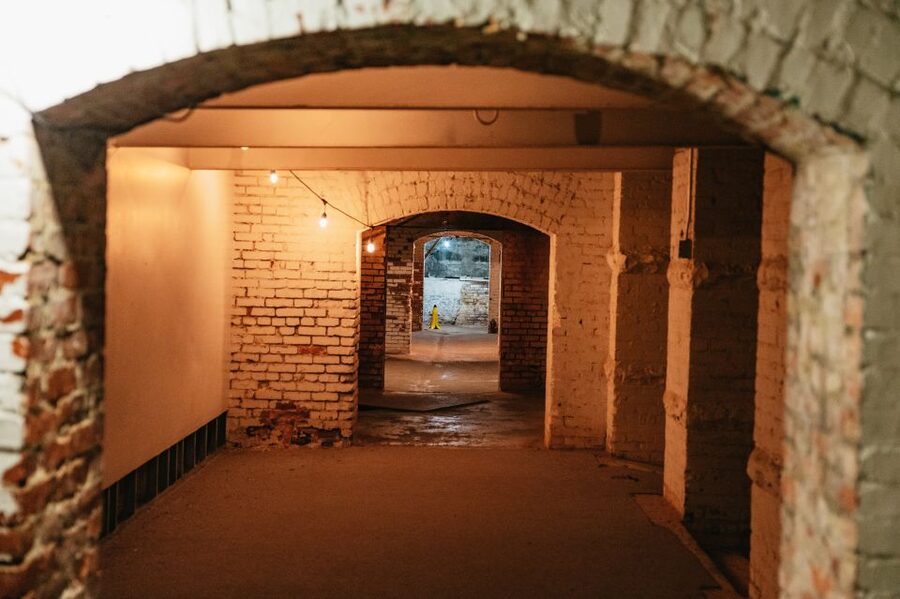
Seattle’s most unusual walk takes place below the streets you see today. In Pioneer Square, you’ll pass through three underground passageways built in the 1890s and see old storefronts, buried roads, and the spaces left behind when the city raised its streets.
I like the way this tour ties physical evidence to Seattle’s past, especially the retaining walls and filled-in streets. I also like the guides’ lively storytelling. David, Dave, Mark, Eowyn, Jim, and others have been praised for making a large amount of history easy to follow in just one hour.
The main drawback is physical: six flights of stairs, uneven ground, and no elevator. The tour is not suitable for people with mobility impairments, and anyone expecting fully staged rooms may find the preserved spaces simpler than imagined.
Key points at a glance
- Three 1890s passageways: Walk through old underground routes beneath Pioneer Square rather than simply viewing them from above.
- The 1889 Seattle Fire: Learn how the disaster changed the city’s streets, buildings, and future growth.
- Raised streets and retaining walls: See how Seattle dealt with swampy ground by building new roads several feet above the originals.
- More than four city blocks: The route links several underground spaces and includes time on the streets above.
- Guides with personality: David, Dave, Mark, Eowyn, Jim, and others have been praised for humor, energy, and clear storytelling.
- One-hour format: At $31 per person, it offers a focused introduction to Seattle’s past without taking up half a day.
Starting beneath Cherry Street Coffee
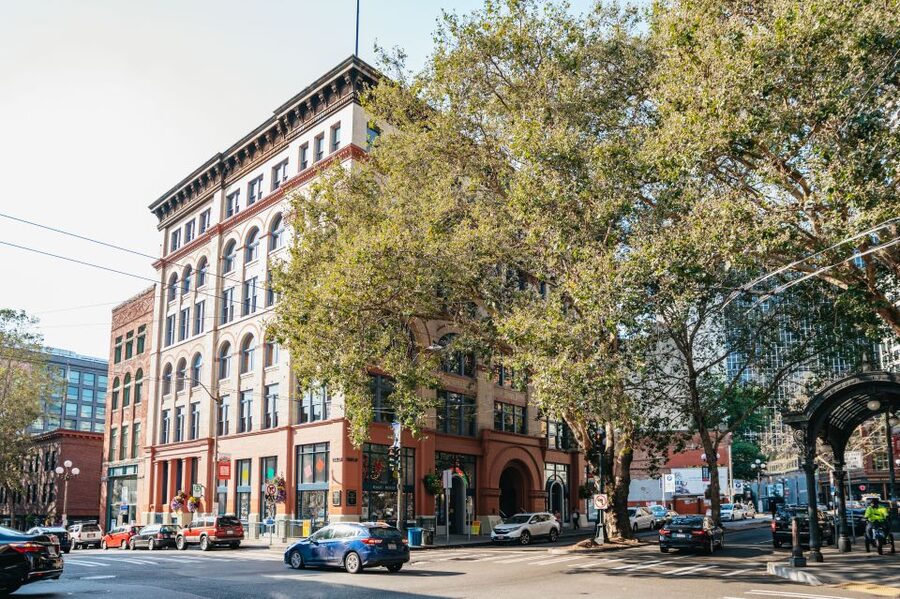
The meeting point is easy to miss if you are only looking at street level. Go underneath the Cherry Street Coffee shop and look for the black and purple Beneath the Streets sign. Stairs lead down to the reception desk.
This first descent sets the tone. You are not entering a polished museum with broad galleries and modern displays. You are going below the current city into a place shaped by old construction, later filling, and decades of changing use.
Wear comfortable shoes. The tour is partly outdoors and partly underground, so you should expect a change of setting rather than a single enclosed attraction. The route includes six flights of stairs, and there is no elevator access. Strollers can be carried on the stairs or left in the ticket office during the tour, but the route is not suitable for wheelchairs or people who have difficulty with stairs.
The experience is conducted in English. Since the tour lasts only an hour, arrive ready to walk and listen from the start. There is little time for a slow warm-up before the guide begins connecting the underground spaces with the city overhead.
Other walks around Seattle:
- History and Hauntings of Salem Guided Walking Tour
★ 5.0 · 14,564 reviews - New Orleans Premier Ghost, Voodoo and Vampire Walking Tour
★ 4.5 · 12,856 reviews - Little Havana Food and Walking Tour in Miami
★ 5.0 · 8,882 reviews
Why Seattle has a city below its city
The key to the tour is understanding that Seattle’s underground spaces were not built as a secret attraction. They are the result of the city rebuilding and reshaping itself.
The Seattle Fire destroyed large sections of the city. Afterward, Seattle rebuilt, but it did not simply replace the lost buildings on the same streets. The city raised street levels above the swampy ground, added retaining walls, and filled the spaces beside and below the new roads.
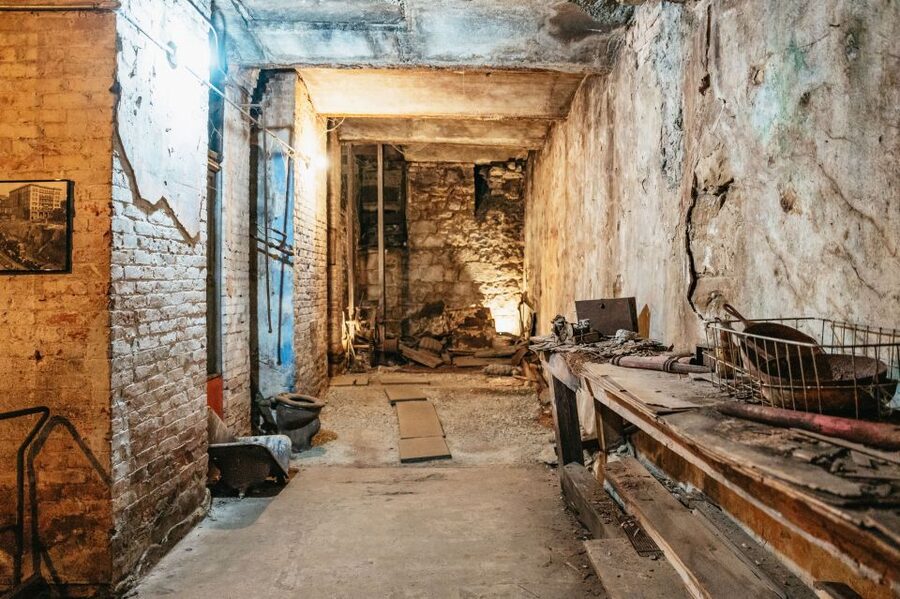
That decision left older sidewalks, storefronts, and passageways below the streets. As you walk, the guide explains how the old and new levels relate to one another. You begin to see Pioneer Square not as a normal neighborhood with basements, but as a place with an earlier street plan physically preserved underneath.
This is the best part of the experience for anyone who likes cities as works in progress. The tour shows that urban change leaves evidence behind. A road can be rebuilt, a shop can disappear, and an entire street level can be buried, yet the older version may remain just below your feet.
Crossing the three underground passageways
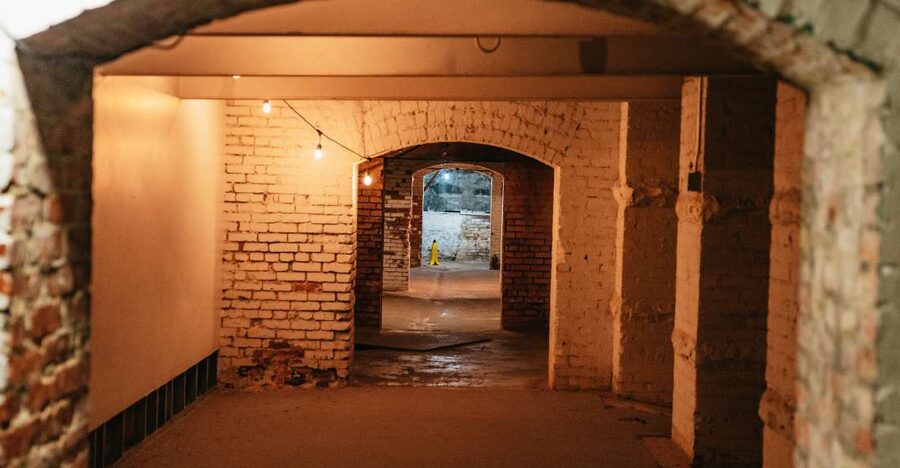
The route covers more than four city blocks of historic Pioneer Square and includes three underground passageways from the 1890s. Each space helps explain a different piece of Seattle’s growth, though the tour is more about the connected story than three separate attractions.
Expect old walls, buried street levels, and the outlines of former commercial spaces. The architecture is the point. You are looking at construction methods, surviving surfaces, and the practical remains of a city that was raised and rebuilt.
Some people may picture a series of furnished rooms with actors or elaborate displays. That is not what this experience offers. The spaces are preserved rather than heavily staged, so your guide does much of the work. The effect depends on listening carefully and using your imagination to picture the streets, businesses, and people that once occupied the lower level.
The route also includes views of the streets above. That comparison matters. You can look at the present-day city, then move below it and see where the earlier sidewalks and buildings fit into the same block. The combination makes the construction story clearer than an underground visit alone.
The Seattle Fire and the city’s second beginning
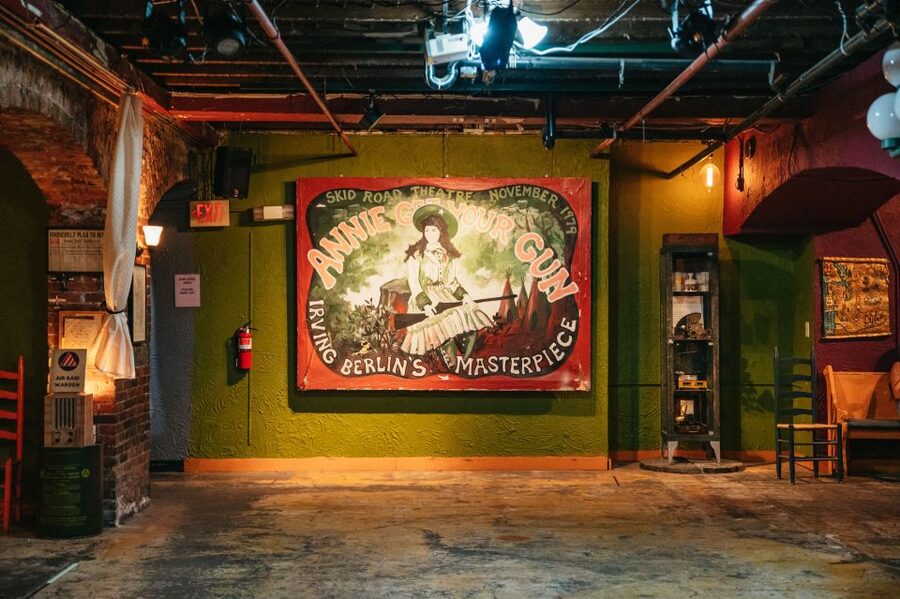
The Seattle Fire is not treated as an isolated disaster story. It is the turning point that explains why the underground exists.
Your guide recounts how the fire destroyed much of the city and then explains the decisions made during the rebuilding period. The city’s response included raising the streets and constructing retaining walls, creating a new public level several feet above the old one.
That choice solved practical problems, but it also produced an odd result. Businesses and walkways associated with the earlier city were left below the new streets. The underground passages are therefore part of Seattle’s rebuilding story, not a separate curiosity.
I find this approach more useful than a tour that simply points to old bricks and calls them historic. You learn how disaster, ground conditions, engineering, and city planning worked together. The underground spaces become evidence of decisions made after the fire.
The guide also brings in the personalities and less tidy parts of Seattle’s early development. Several people praised the mix of major events, personal stories, and quirky details. That balance keeps the hour from becoming a dry construction lecture.
A few more things to do in Seattle worth a look
- Chef Guided Food Tour of Pike Place Market
★ 5.0 · 3,733 reviews - Seattle’s Original Guided Harbor Cruise
★ 4.5 · 2,077 reviews - Seattle: Pike Place Market Chef-Guided Food Tour
★ 4.8 · 847 reviews - Seattle: Harbor Cruise with Local Guide
★ 4.8 · 599 reviews
Guides who make the hour work
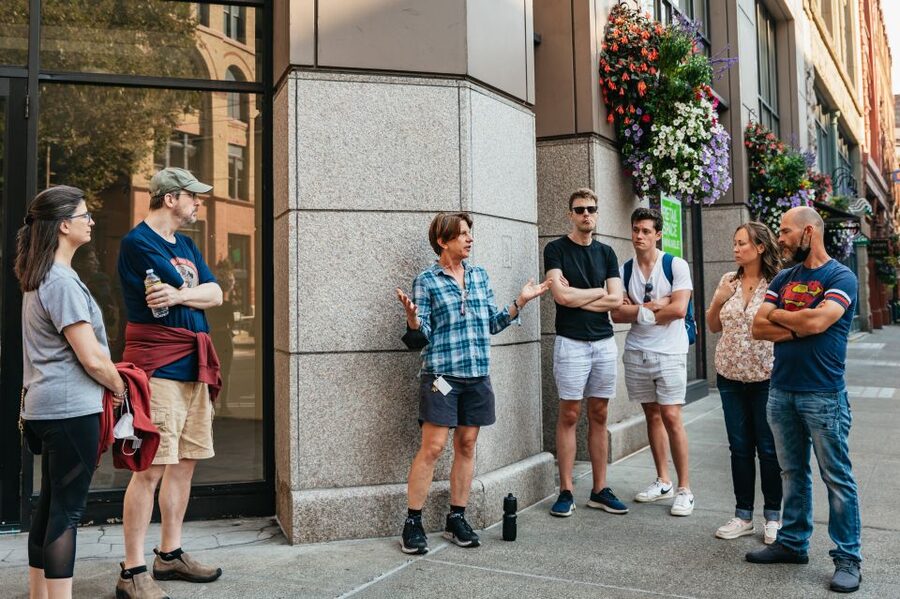
This tour relies heavily on the person holding the microphone. There is a lot to explain, and the physical spaces alone do not tell the whole story.
Guides named David and Dave have been praised for strong energy, clear facts, and humor. Mark has been described as funny and well informed, while Eowyn has been noted for her warmth and lively delivery. Jim, Jennifer, Sarah, Terrilyn, Richard, Patti, Carter, Mike, Imojen, and others have also led well-received departures.
Your guide will vary, but the pattern is clear: expect a conversational tour rather than a silent walk through old rooms. Dad jokes, dry humor, and personal engagement are part of the tone. A good guide may ask where you are from and connect the story to your background as the walk continues.
That style suits most people, especially families and first-time visitors who want history without a formal lecture. It also works for Seattle residents. One long-time local said the tour added plenty of new information about the city’s settlement and early development.
A guide’s delivery can also affect the pace. The best departures balance walking with stops for explanation, keeping the group moving without rushing past the important details. The one-hour length makes that balance necessary.
What the architecture tells you
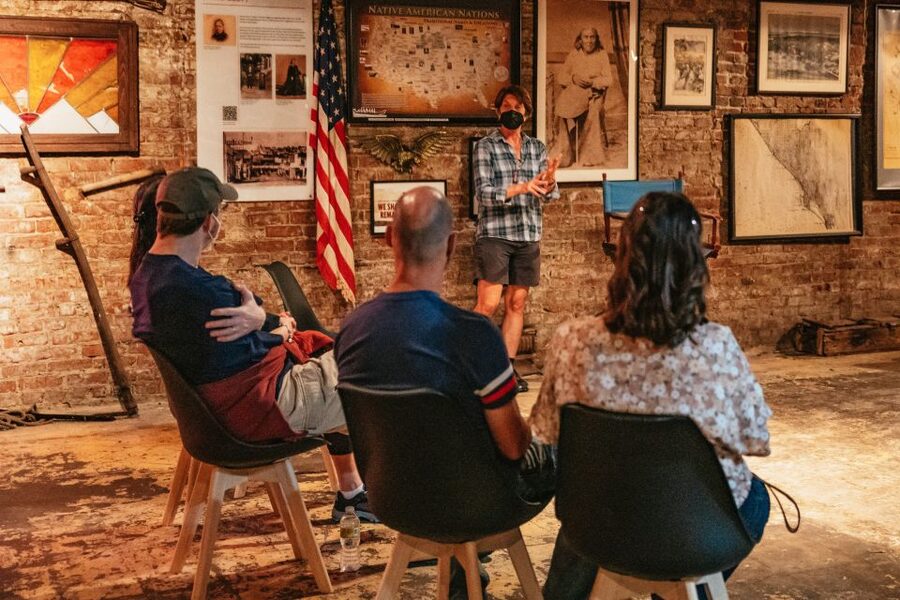
The underground architecture is not grand in the usual sightseeing sense. Its appeal comes from what it reveals about how Seattle was built.
You will see the relationship between old passageways, new street levels, retaining walls, and filled spaces. The route gives you a physical sense of how far the city was raised and how the buried areas fit beneath modern Pioneer Square.
The surviving structures also help you picture the earlier commercial district. Old storefront areas and passageways suggest how people once moved through the neighborhood, even when the rooms are not decorated as a period set.
If you enjoy infrastructure, this may be the strongest part of the tour. You are not simply hearing that Seattle changed after the fire. You can see the construction left behind by that change.
A small limitation is that visual aids may not be especially large or dramatic. One visitor felt that some wall images could have made a stronger impression. The tour’s real strength is the preserved setting and the guide’s explanation, not a large collection of museum displays.
How much value do you get for $31?
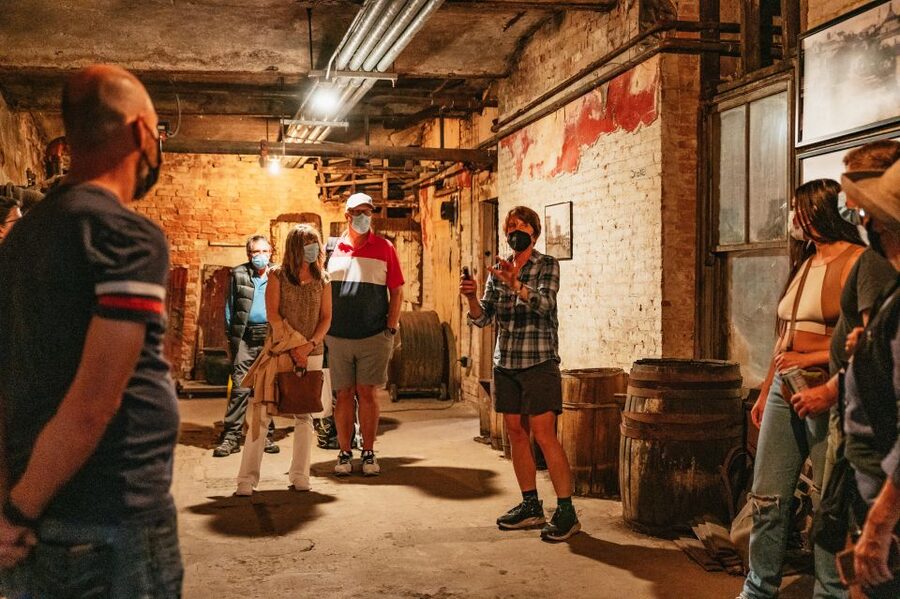
At $31 per person, this is a fair price for a focused one-hour activity in central Seattle. You are paying for access to spaces you cannot understand fully from the sidewalk, plus a guide who supplies the historical links between them.
The short duration helps the value. You can fit the tour into a morning or afternoon without giving up a major part of your day. A 10 a.m. departure, for example, can work well as an opening activity before other sightseeing.
The tour is also more useful when you treat it as an introduction to Pioneer Square rather than the complete story of Seattle. You will leave with a better grasp of the fire, the raised streets, and the city’s early development. You will not receive an exhaustive account of every period or neighborhood.
For families, couples, history fans, and curious locals, the cost is reasonable. If you dislike stairs, enclosed historic spaces, or tours that depend on spoken storytelling, the value drops quickly. You should choose this for the unusual setting and the guide’s interpretation, not for a long list of exhibits.
Who should book this underground walk?
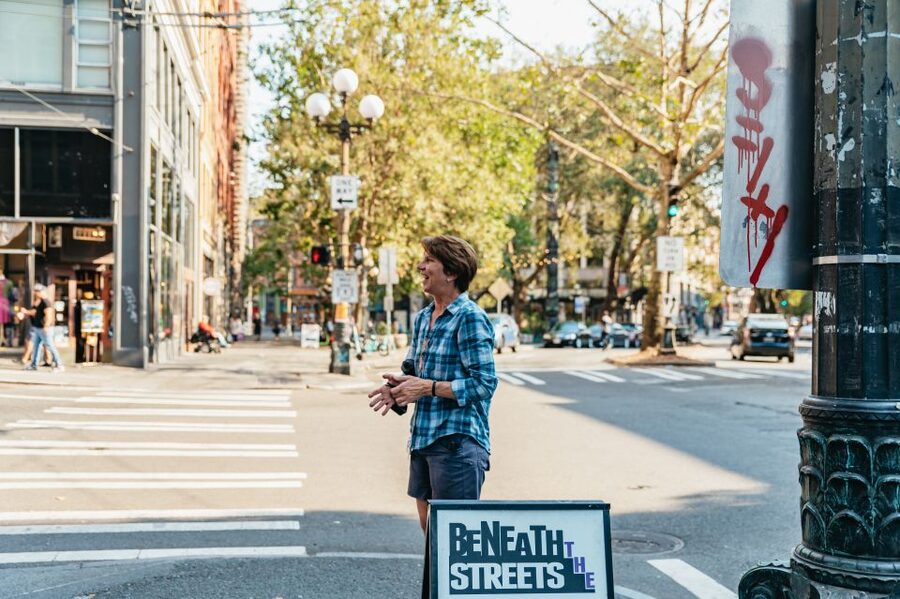
I recommend it most strongly to people who want to understand Seattle’s physical layout. The tour explains why Pioneer Square looks the way it does and gives you a story to carry into the rest of your time in the city.
It is a good fit for:
- First-time Seattle visitors who want more than landmark photos
- Local residents who have walked above Pioneer Square but never seen below it
- Families with children who can manage stairs and a one-hour walking route
- People interested in city planning, construction, architecture, or disaster history
- Anyone who prefers a compact activity with a clear beginning and end
The tour is less suitable for people with mobility impairments because of the six flights of stairs and lack of elevator access. Pets are not allowed. Strollers may be stored in the ticket office or carried up and down the stairs, but neither option makes the route effortless with a small child.
You should also set expectations about the setting. This is an outdoor and underground walking tour, not a climate-controlled museum visit. Conditions may feel different from the street, and comfortable shoes are essential.
A smart way to fit it into your day
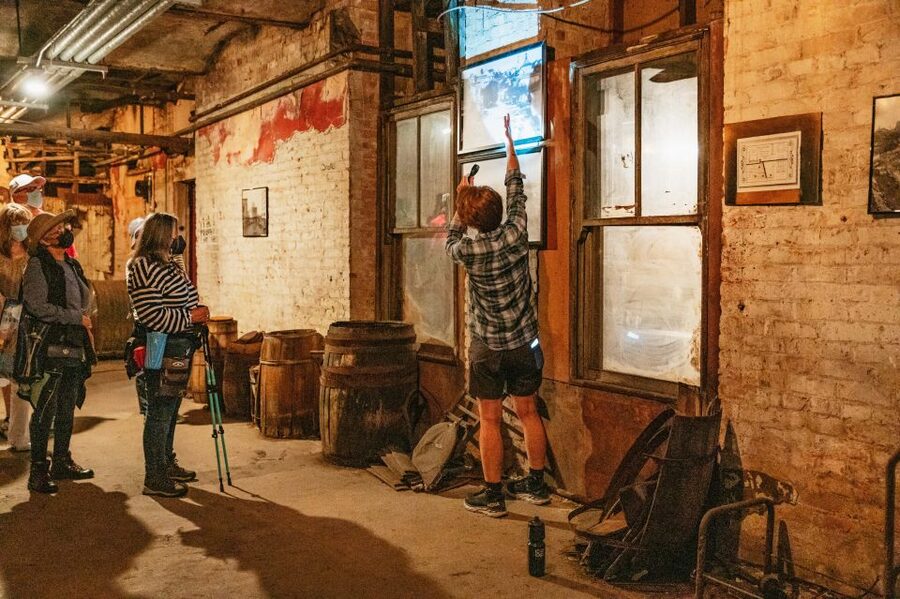
Book this early in your Seattle stay if you can. The tour gives you useful context for Pioneer Square and the city’s early development, which can make later walks through downtown more meaningful.
The one-hour route leaves room afterward for your own exploration. You can return to buildings and streets mentioned by the guide, or use the stories as a starting point for subjects such as Chief Seattle and the Klondike gold rush, topics that several people found worth researching after the tour.
A morning departure is especially practical. It starts your day with a concentrated history lesson, then leaves the rest of the day open. An evening option may appeal to adults interested in darker or more mature stories, but the supplied details confirm only that such a version may be available, not its exact schedule or content.
Plan to listen closely. The underground spaces are the setting, but the guide’s words explain what you are seeing. You will get more from the tour if you compare the old level beneath you with the modern streets above.
Should you book Beneath the Streets?
Book it if you want Seattle’s past explained through real streets, walls, and buried storefronts. The combination of three 1890s passageways, the 1889 fire, and the raised street system gives you a clear reason to spend an hour below Pioneer Square.
The strongest reason to go is the storytelling. Guides such as David, Dave, Mark, and Eowyn have shown that a compact tour can combine facts, personalities, humor, and odd details without losing the main story.
Skip it if stairs are a serious concern, or if you expect fully staged underground rooms. For everyone else, $31 buys a distinctive look at how Seattle rebuilt itself, with enough practical history to make the modern city easier to understand.
FAQ
How long does the Seattle Underground Walking Tour last?
The tour lasts one hour. Starting times vary, so check availability when booking.
How much does the tour cost?
The price is $31 per person.
Where does the tour meet?
Meet underneath the Cherry Street Coffee shop. Look for the black and purple Beneath the Streets sign, then take the stairs down to the reception desk.
How many underground passageways will I visit?
The tour includes three historic underground passageways originally constructed in the 1890s.
Are there stairs or elevator access?
There are six flights of stairs along the route, and there is no elevator access. Comfortable shoes are recommended.
Can I bring a stroller or pet?
Pets are not allowed. Strollers may be carried up and down the stairs or stored in the ticket office during the tour.
Just added in Seattle
- Seattle: Half-Day Wildlife and Whale Watching Cruise★ 4.3 · 378 reviews
- Seattle: Pike Place Market Chef-Guided Food Tour★ 4.8 · 847 reviews
- Seattle: Harbor Cruise with Local Guide★ 4.8 · 599 reviews
- Seattle: City Highlights Tour★ 4.7 · 416 reviews
- Seattle CityPASS®: Save up to 46% at 5 Top Attractions★ 4.6 · 742 reviews
- Seattle: Chihuly Garden and Glass Entry Ticket★ 4.8 · 374 reviews
- From Seattle: Mount Rainier National Park Guided Tour★ 4.8 · 412 reviews
- Seattle: City Sightseeing Hop-On Hop-Off Bus Tour★ 3.9 · 421 reviews
Walking Tours, compared.
New Orleans Premier Ghost, Voodoo and Vampire Walking Tour
Read our review →
Freedom Trail History Small Group Walking Tour
Read our review →
Historic Charleston Guided Sightseeing Walking Tour
Read our review →
New Orleans Food Walking Tour of the French Quarter with Small-Group Option
Read our review →
St. Louis Cemetery No. 1 Official Walking Tour
Read our review →
Harvard University Student-Guided Walking Tour
Read our review →
Harvard University Campus Guided Walking Tour
Read our review →Browse the lists this tour appears in