
Reviewed · WILDLIFE
Grand Teton Wildlife Safari in a Enclosed or Open-Air Vehicle (season dependent)
Grand Teton is at its best when the sun is low and animals are moving. This four-hour safari sends you out at dawn or dusk with a guide who knows how to scan the roads, river corridors, and woods for moose, elk, bison, bears, wolves, and eagles. The open-air vehicle used in warmer months gives you a close, breezy view, while the enclosed version keeps you warm when the Wyoming cold settles in.
I like two things here: the small group, capped at 12 people, and the practical gear included. Your guide provides binoculars and a spotting scope, then adds snacks, bottled water, soda, and often blankets for chilly starts. Guides such as Kyle, Kelsey, Allie, Anthony, and Cameron are repeatedly praised for spotting animals, explaining what you are seeing, and helping with photos.
The main drawback is simple: wildlife is never guaranteed. One four-hour morning produced only a partial moose sighting and distant antelope for one participant, while other outings found bears, wolves, moose with calves, bison, and elk. You are paying for expert searching and interpretation, not a staged animal show.
Key points to know before booking
- Dawn and dusk give you the best odds: Animals are often more active during the cooler hours at the start and end of the day.
- The vehicle changes with the season: Open-air safari vehicles run from June into mid-September when weather allows; enclosed heated or air-conditioned vehicles cover the colder months.
- Binoculars and a spotting scope are supplied: This matters because much of the wildlife may be across a meadow, river, or stand of trees.
- The group stays small: A maximum of 12 people gives you a better chance to ask questions and get a clear view.
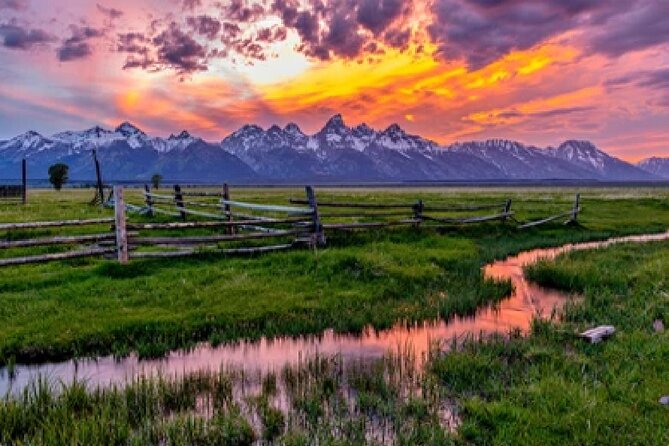
- Mormon Row is a seasonal bonus: The famous barns are included from March through November, but snow keeps this stop off the winter route from December through February.
- The fee is $159 per person before park admission: That is fair if you value a guide, wildlife-finding help, transport, and equipment, but less compelling if you mainly want a scenic drive.
Starting near Jackson Hole and entering Grand Teton
The tour begins at 210 North Cache Street in Jackson, with the safari ending at the same meeting point. Hotel pickup is available in the approved Jackson Hole area from November through mid-May. Summer pickup and drop-off are not included, so plan your own way to the starting point.
The four-hour route uses both paved park highways and dirt roads. That mix is important. You are not simply sitting on a coach while someone points out peaks through a window. The vehicle reaches rougher sections where wildlife may be near brush, river edges, or open meadows, though conditions and access change with weather and park rules.
The Grand Teton setting does much of the early work. Jagged peaks rise behind the Snake River, and the broad valleys make it possible to scan a large area. Your guide fills in the story behind the view, covering geology, ecology, local culture, settlement, and the park’s human past.
Guides often make the difference between a long ride and a worthwhile outing. Kyle is praised for explaining the area and helping find bears, elk, deer, and even a grizzly with cubs. Kelsey has been noted for carrying a spotting scope and making sure children could see. Anthony has guided groups to wolves, bison, pronghorns, and several moose. These details give you a good sense of the guide’s role: driving is only part of the job.
Other animals to go and see near Jackson:
- From Jackson Hole: Yellowstone Old Faithful, Waterfalls and Wildlife Day Tour
★ 5.0 · 1,557 reviews - Sunset 4-Hour Grand Teton Wildlife Adventure
★ 5.0 · 1,020 reviews - Sunrise 4-Hour Grand Teton Wildlife Adventure
★ 5.0 · 899 reviews
Why dawn and dusk matter in Grand Teton
The safari is scheduled in the morning or evening because those are useful times for wildlife watching. Cooler temperatures can bring animals out to feed or move, and the softer light is easier on the eyes than the bright middle of the day.
A sunrise trip can be chilly even in summer. Bring a jacket, long pants, and sturdy walking shoes. Blankets may be available, and guides have been praised for offering them, but I would not treat that as a substitute for warm clothing. There is no coffee included, so arrange your caffeine before meeting the group.
Sunset trips have their own appeal. You may get warmer light on the mountains and a gradual change in the valley as the day fades. The tradeoff is that the return can be cooler, especially in the open vehicle. A jacket remains a sensible choice.
The animal list is broad: elk, moose, mule deer, pronghorn, bison, bighorn sheep, black bears, grizzly bears, and wolves all live within the park. Birdlife adds another layer, especially from spring through summer, when you might see bald eagles, golden eagles, sandhill cranes, ospreys, hawks, and owls.
Still, do not book a sunrise safari expecting a guaranteed parade of animals. One participant saw only a moose partly hidden in trees and antelope in a field. That is not a failure of the park. It is the honest reality of wildlife watching. The guide can improve your chances, but cannot control animal movement.
Open-air safari rides from June through mid-September
The open-air vehicle is the signature feature during the warmer season. You sit closer to the air and the sounds around you, with fewer barriers between you and the mountains. On a good-weather morning, this feels more like a safari than a standard park shuttle.
That freedom comes with practical limits. The open-air ride can be cold at sunrise, windy at speed, and bumpy on dirt roads. The tour information specifically warns that summer safari rides are not recommended for people with back problems. Wear sturdy shoes and long pants, and bring a jacket even if Jackson feels warm when you leave your hotel.
The vehicle is customized for the experience, but you should still expect movement over rough ground. If you need a smooth, quiet ride, a private car on paved roads may suit you better. If you want closer contact with the air and a more active search for animals, the open vehicle is a strong reason to book.
The group limit of 12 helps here. A smaller party makes it easier to stop, turn toward a sighting, and ask the guide to explain animal behavior. It also reduces the chance that one large crowd will crowd a roadside view.
Enclosed vehicles in fall, winter, and spring
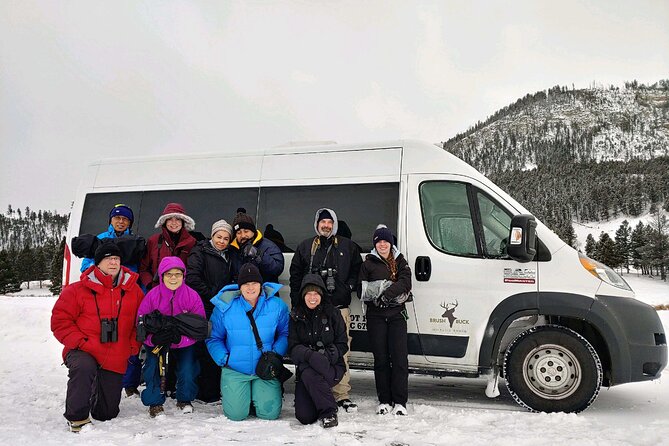
From mid-September through May, the safari uses an enclosed vehicle with heat and air conditioning. This is the sensible choice for colder months, especially when snow, wind, or low temperatures make an open ride unpleasant.
The enclosed vehicle does not remove the need for winter clothing. The operator asks you to bring snow boots, snow pants or bibs, a winter jacket, gloves, a beanie, and a scarf during winter outings. That advice is worth following. You may be warm inside the vehicle, but stops and wildlife viewing can put you outside in full Wyoming weather.
The cold season also changes the route. The Mormon Row and barn stops are not made from December through February because of snow coverage. That means winter guests should think of the safari mainly as a wildlife and mountain-view outing, not a historic homestead visit.
There can be an advantage to the colder season. Wildlife patterns change throughout the year, and the scenery takes on a different character. The exact animals you find depend on the date, weather, and current movement of the herds. Your guide’s skill in reading those conditions matters more than any promise of a particular species.
Same base, a different kind of day out:
- Grand Teton Half Day Tour
★ 5.0 · 1,067 reviews - Tetons and Snake River Scenic Float Trip In Jackson Hole
★ 5.0 · 1,000 reviews - Whitewater Rafting in Jackson Hole : Family Standard Raft
★ 5.0 · 965 reviews - Horseback Riding with Grand Teton Views in Jackson Hole
★ 4.5 · 916 reviews
Searching for moose, elk, bears, and wolves
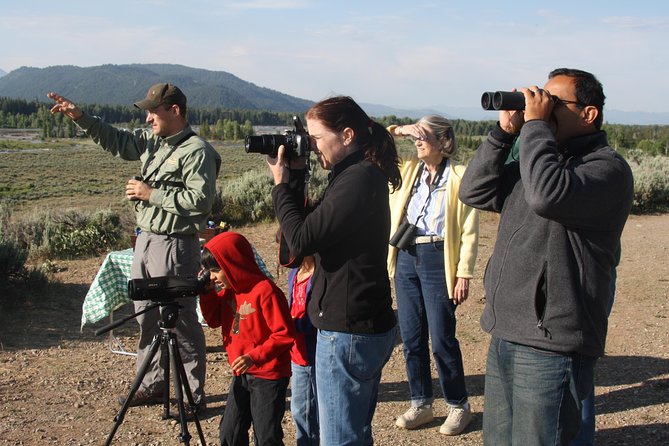
The guide’s main task is to find animals before the group passes them. That requires constant scanning, patience, and a good spotting scope. The provided binoculars are especially useful because animals may be far from the road or partly hidden in timber.
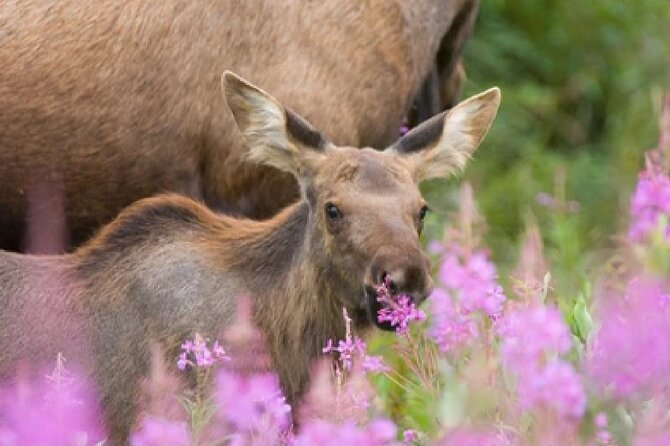
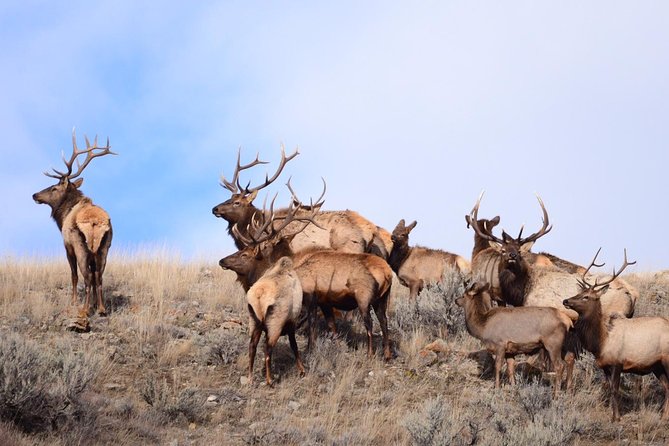
Moose are often a major target, and the park can offer sightings near water or wooded areas. Elk and mule deer are also possible, while pronghorn and bison are easier to spot in open country when herds are nearby. Bears and wolves are less predictable, and sightings can be distant even when the guide locates them.
One outing produced a black bear, moose, elk, bald eagle, and a group of wolves viewed through a large scope. Another found a grizzly with cubs, a black bear, elk, and deer. Those are exceptional encounters, not a normal schedule. The better way to judge the tour is by the quality of the search and the explanation you receive along the way.
Safety and distance matter. Your guide must follow park rules and keep the vehicle at a proper distance from wildlife. You may get an excellent view through optics without being physically close to the animal. One participant specifically noted that the animals were often some distance away but that the binoculars worked well.
The birdwatching is not an afterthought. Eagles, ospreys, hawks, owls, and cranes can give you something to watch when large mammals are quiet. If you enjoy birds, tell your guide early. The four hours can feel much more productive when you appreciate the full range of life in the park.
Mormon Row, the barns, and the best photo stops
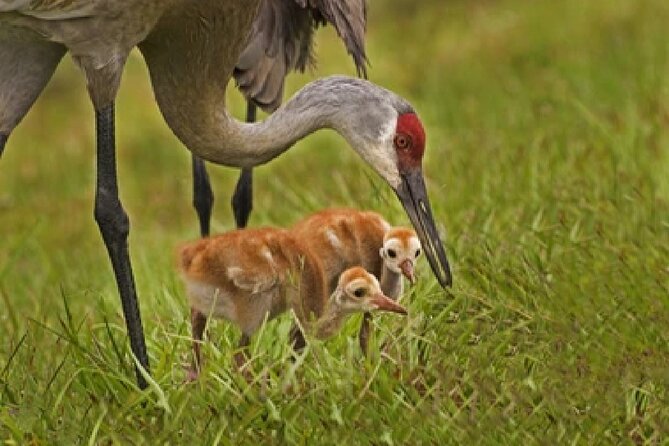
From March through November, the route includes Mormon Row Historic District, with about 20 minutes for a photo stop. This was the site of some of Jackson Hole’s early Mormon homesteads, and the weathered barns against the Tetons make it one of the area’s most recognizable views.
The tour stops at either the T. A. Moulton Barn or the John Moulton Barn. You should not expect both. The T. A. Moulton Barn is often called one of the most photographed barns in the world, and the stop gives you a chance to make the classic picture without arranging a separate drive.
This is a useful addition because it breaks up the animal search. You get out, stretch your legs, and take photos of a human-made piece of Jackson Hole history against the mountain backdrop. The stop is brief, so have your camera ready and listen for instructions about where to stand.
From December through February, snow coverage prevents this part of the route. If the barns are high on your list, plan a spring, summer, or fall safari instead. If wildlife is your priority, winter can still make sense, but the itinerary will be more focused on roads, animals, and views.
Snacks, optics, and the value of $159
At $159 per person, this is not a cheap park ride. The price does not include Grand Teton National Park admission, and summer hotel pickup is not included. For a couple or family, the total can rise quickly once entrance fees and transport to the meeting point are added.
The value comes from the service wrapped around the four hours. You receive transport, a guide, binoculars, access to a spotting scope, snacks, bottled water, and soda. You also avoid spending part of your visit guessing which pullout to use or trying to identify a distant animal with a phone camera.
Guides may also take photos or help you frame your own shots. Some guides send photos or videos after the tour, though you should confirm that arrangement rather than assume it. A past equipment problem with the vehicle’s speaker system also shows why it is wise to ask what happens if a promised photo delivery or audio feature fails.
I think the fee makes the most sense for first-time visitors, families, and people who want a guide to explain what they are seeing. It is less convincing for experienced park visitors who already have binoculars, know the roads, and are comfortable searching on their own. One critical experience found similar wildlife independently and felt the added cost was not justified.
Who will enjoy this safari most
This outing suits you if you want a compact introduction to Grand Teton rather than a full-day expedition. Four hours is long enough to cover several parts of the park but short enough to fit around other Jackson Hole plans.
Families can benefit from the guide’s help with optics and animal identification. One guide made a special effort to help an eight-year-old see through the binoculars, which is the kind of small action that can turn a distant animal into a lasting memory.
It also suits photographers who want help finding subjects and scenic stops. Do not expect a dedicated professional photo workshop, but guides may assist with photos and often know how to position the vehicle for a better view.
You should reconsider it if you have significant back problems and are booking the summer open-air vehicle. You may also prefer a self-drive day if your main goal is flexibility, solitude, or stopping whenever you wish. The safari follows the guide’s route and the group’s timing.
The experience is offered in English, accepts service animals, and is near public transportation. Children age five and younger are not allowed. Most people can participate, but winter clothing and summer footwear requirements should be taken seriously.
Booking timing and cancellation details
This safari is often booked about 33 days ahead, so reserve early for popular summer dates, sunrise departures, or a preferred season. Confirmation is normally sent at booking, though reservations made within one day of departure are confirmed as soon as possible, depending on availability.
The booking is non-refundable and cannot be changed for personal reasons. If poor weather cancels the safari, you are offered another date or a full refund. The same choice applies if the minimum number of participants is not reached.
That policy makes travel insurance or a careful schedule worth considering, particularly for a short Jackson Hole stay. Avoid placing the safari on the same day as a flight or another fixed activity if a weather delay would create trouble.
Should you book the Grand Teton Wildlife Safari?
I would book it if this is your first visit to Grand Teton, you do not own good binoculars, or you want someone else to handle the searching and interpretation. The small group, seasonal vehicle choice, optics, snacks, and strong guide reports give the tour real value. Guides such as Kyle, Kelsey, Allie, Anthony, and Cameron have made a clear impression through their wildlife spotting and storytelling.
I would skip it if you are comfortable driving the park yourself, already carry quality optics, and mainly want an unhurried day on your own schedule. No guide can promise a bear, moose, or wolf, and one quiet morning may leave you feeling the price was high.
For the best chance of a satisfying outing, choose a dawn or dusk departure, dress warmer than you think necessary, and keep your expectations realistic. You are buying a skilled search through one of America’s finest mountain parks, not a guarantee of animal sightings.
FAQ
How long does the Grand Teton wildlife safari last?
The safari lasts approximately four hours.
Where does the safari begin and end?
It begins at 210 N Cache St in Jackson, Wyoming, and returns to the same meeting point.
What type of vehicle is used?
From June through mid-September, the tour uses an open-air safari vehicle when weather permits. From mid-September through May, it uses an enclosed vehicle with heating and air conditioning.
What animals might I see?
Possible sightings include elk, moose, mule deer, pronghorn, bison, bighorn sheep, black bears, grizzly bears, and wolves. Birds may include bald eagles, golden eagles, sandhill cranes, ospreys, hawks, and owls.
Are binoculars provided?
Yes. Binoculars and a spotting scope are provided for wildlife viewing.
Are food and drinks included?
Yes. Snacks, bottled water, and soda are included. Coffee is not listed as an included item.
Does the tour stop at Mormon Row?
Tours from March through November stop at Mormon Row and either the T. A. Moulton Barn or the John Moulton Barn. Tours from December through February do not make this stop because of snow coverage.
Is hotel pickup available?
Hotel pickup in the approved Jackson Hole area is available from November through mid-May upon request. Summer hotel pickup and drop-off are not included.
Can young children join the tour?
Children age five and younger are not allowed. The group can include no more than 12 people.
Just added in Jackson
- Sunrise 4-Hour Grand Teton Wildlife Adventure★ 5.0 · 899 reviews
- Yellowstone National Park – Full-Day Lower Loop Tour from Jackson★ 5.0 · 502 reviews
- Yellowstone Lower Loop Full-Day Tour★ 5.0 · 687 reviews
- Half-Day Wildlife Safari Tour in Grand Teton National Park★ 5.0 · 341 reviews
- Tetons and Snake River Scenic Float Trip In Jackson Hole★ 5.0 · 1,000 reviews
- Whitewater Rafting in Jackson Hole: Small Boat Excitement★ 5.0 · 542 reviews
- Horseback Riding with Grand Teton Views in Jackson Hole★ 4.5 · 916 reviews
- Snake River Scenic Float Trip with Teton Views in Jackson Hole★ 5.0 · 864 reviews
Wildlife, compared.
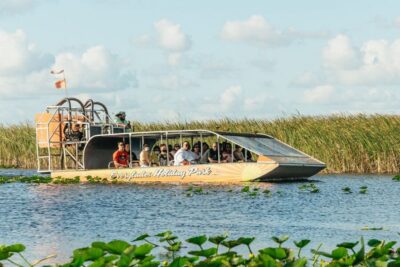
Everglades Airboat, Wildlife Show & Bus Transfer
Read our review →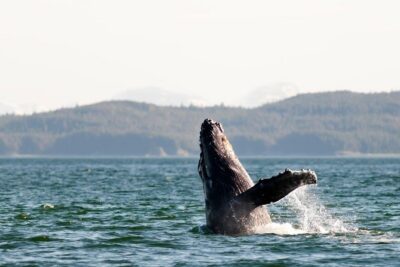
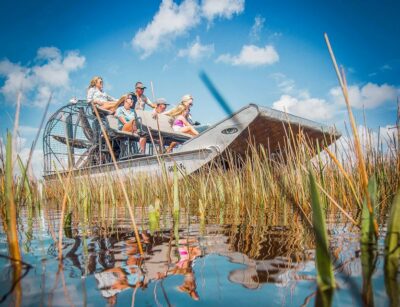
Everglades National Park Airboat Tour & Wildlife Show
Read our review →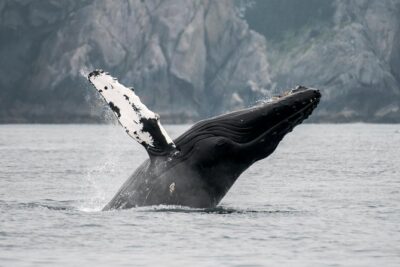
Juneau Wildlife Whale Watching & Mendenhall Glacier
Read our review →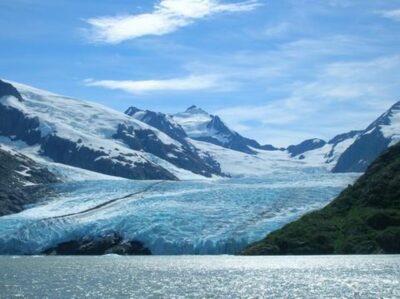
Wilderness, Wildlife, Glacier Experience from Anchorage
Read our review →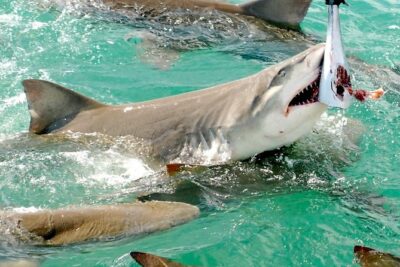
Shark and Wildlife Viewing Adventure in Key West
Read our review →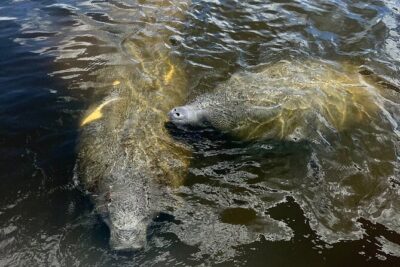
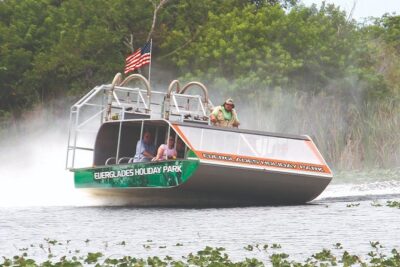
Everglades Airboat, Wildlife Show, and Roundtrip Bus From Miami
Read our review →Browse the lists this tour appears in