
Reviewed · PLANTATION TOURS
New Orleans: Whitney Plantation Tour with Transportation
Whitney Plantation does something important and unusual: it puts the lives of enslaved people at the center, rather than treating the plantation house as the star. The self-paced audio tour, memorials, and first-person accounts make this a serious visit, not a pretty-house photo stop.
I like the way transportation turns the drive into part of the experience, with guides such as Alton, Bryant, Melinda, Stacey, and Robert pointing out plantations, local geography, hurricanes, and Cajun culture. I also like the freedom to pause, replay the audio, and move at your own speed. The main drawback is time: about two hours at Whitney can feel tight if you want to read every panel and spend quiet time at the memorials.
Key points to know before you book
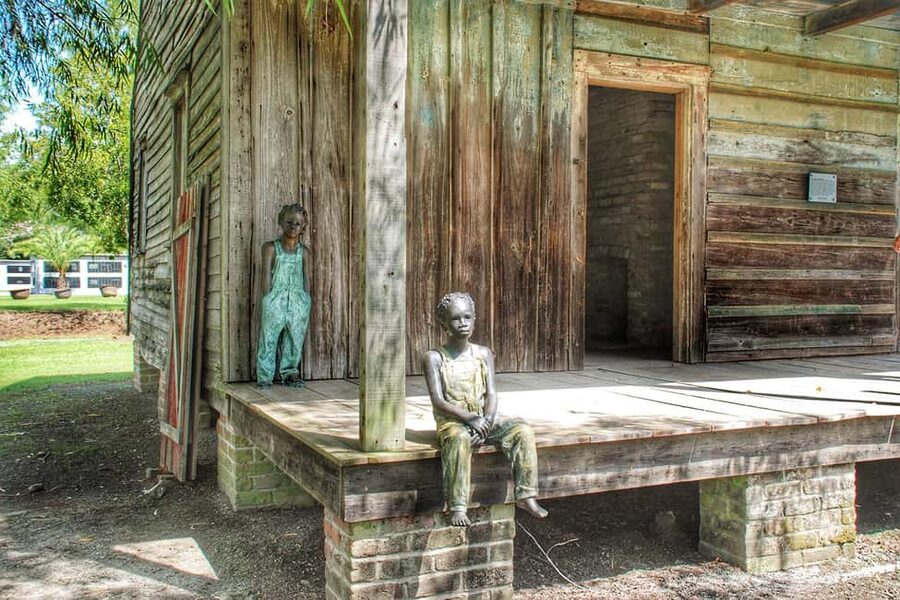
- Slavery is the central subject: Whitney is Louisiana’s only plantation museum dedicated entirely to the history of slavery.
- Fourteen audio stops guide your visit: You can use the Whitney Plantation app or receive a recording device on arrival.
- The drive adds useful context: You pass Laura, Oak Alley, Evergreen, Felicity, and St. Joseph plantations along the Mississippi River.
- The historic buildings are varied: The Big House, slave quarters, kitchen, workshops, and other outbuildings show how a working plantation developed.
- The optional swamp trip changes the day: Add a 90-minute covered pontoon cruise through Manchac Swamp for alligators, Cajun culture, and wildlife.
- Plan for heat and uneven ground: The grounds are accessible, but gravel paths can be difficult, and wheelchairs cannot enter the slave quarters.
Why Whitney Plantation feels different
Many plantation visits focus on architecture, gardens, owners, and grand rooms. Whitney includes those things, but it asks you to look first at the people who were forced to build and maintain that world.
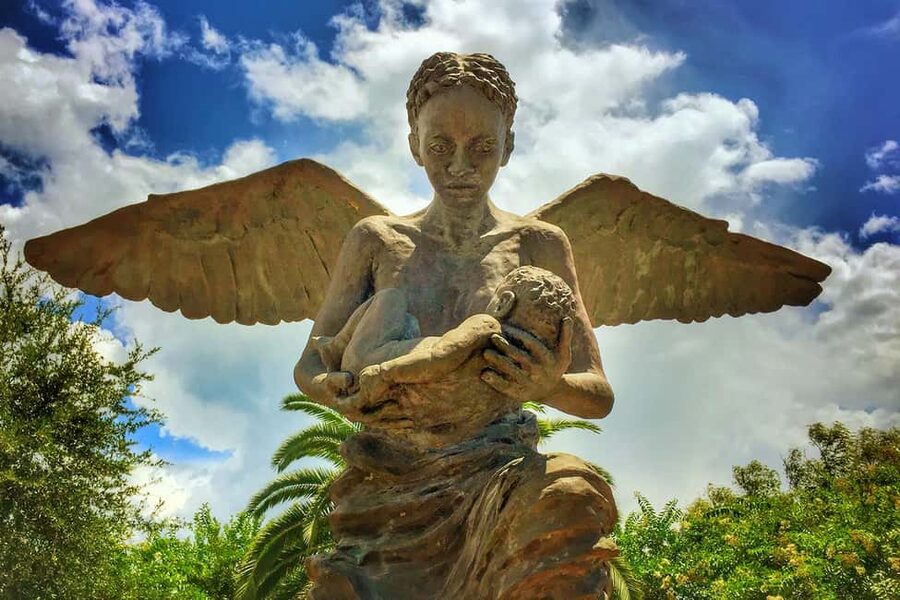
That focus begins with the museum’s memorial artwork and continues through the audio stops. You hear first-person narratives connected to the lives of enslaved people, rather than receiving only a polished account of the family who owned the property. The tone is direct and often painful. This is not a light sightseeing stop.
Whitney opened to the public in 2014, after more than two centuries as a private plantation site. It is also listed on the National Register of Historic Places. The purpose is broader than preserving one property. The museum honors people enslaved at Whitney and those held elsewhere in the United States.
I recommend allowing yourself time to be quiet. The grounds are attractive, and the buildings are photogenic, but the experience works best when you do not rush from one stop to the next looking only for pictures.
Other historic houses near New Orleans:
- Swamp Boat Ride and Oak Alley Plantation Tour from New Orleans
★ 5.0 · 3,303 reviews - Oak Alley Plantation Tour with Transportation from New Orleans
★ 4.5 · 1,747 reviews - Whitney Plantation Tour with Transportation from New Orleans
★ 4.5 · 1,351 reviews
The drive from New Orleans to the River Road plantations
Your day begins at the Lighthouse Ticket Office near Toulouse Street and the Mississippi River, directly behind JAX Brewery. You need to show your barcoded voucher 15 minutes before departure. The tour departs from 400 Toulouse Street, close to the Steamboat Natchez dock.
The ride to Whitney takes about an hour, depending on conditions. That sounds like simple transport, but the driver often makes it a useful introduction to southern Louisiana. Alton has been praised for mixing local facts with a calm, friendly manner. Bryant has pointed out roadside sights and stopped for photographs. Melinda, Stacey, Robert, Dwayne, and others have also been singled out for making the ride informative and pleasant.
The exact driver varies, so do not book on the assumption that you will get one particular person. Still, the strongest part of the transport is the local commentary. You may hear about New Orleans, Hurricane Katrina, regional geography, wildlife, and the plantations along the Mississippi.
The route passes Laura, Oak Alley, Evergreen, Felicity, and St. Joseph plantations. You do not get a full visit to each one, but seeing them from the road helps explain the scale of the plantation economy. These properties were tied to sugar cane, cotton, indigo, shipping, and the river ports that moved crops to market.
The bus experience can vary as well. Many people find the coach clean, comfortable, and air-conditioned. One report described an older bus with shaking windows and weak cooling, so I would not treat the vehicle as a guaranteed luxury coach. The transport has generally earned strong marks, but the plantation itself is the reason to book.
Fourteen stops through Whitney Plantation
At Whitney, the tour is self-guided. You may download the Whitney Plantation app on a phone, tablet, or iPad, or receive a handheld recording device. The audio route has 14 stops, and each one gives you a chance to pause or replay information.
That format is a good match for this site. You are not tied to a guide speaking at one speed, and you can sit at many of the stops. One practical detail matters in hot weather: the route is outdoors, so start with the grounds while you still have energy, then spend time inside the museum and visitor areas to cool down.
The audio tour explains the plantation through personal accounts and historical interpretation. The result is more intimate than a standard architectural tour. You are asked to consider work, family separation, control, punishment, faith, survival, and the ways enslaved people were denied basic freedom and dignity.
The amount of material is substantial. Two hours is enough to follow the main route and see the key buildings, but it may not be enough for a slow reading of every wall panel, a long stop at each memorial, and a relaxed gift shop visit. If you read quickly, you will feel less pressure. If you want time for reflection, keep an eye on the departure time.
The Big House and the working plantation buildings
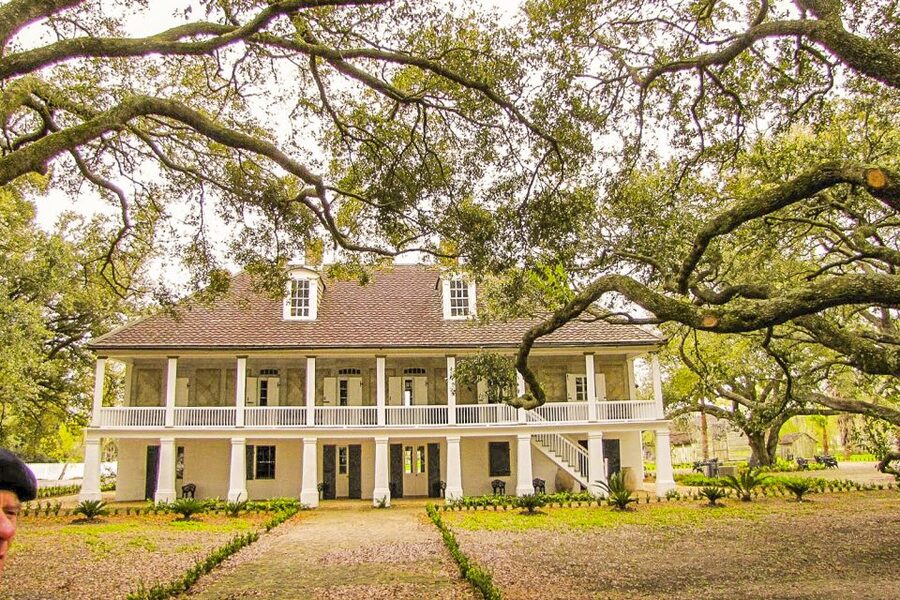
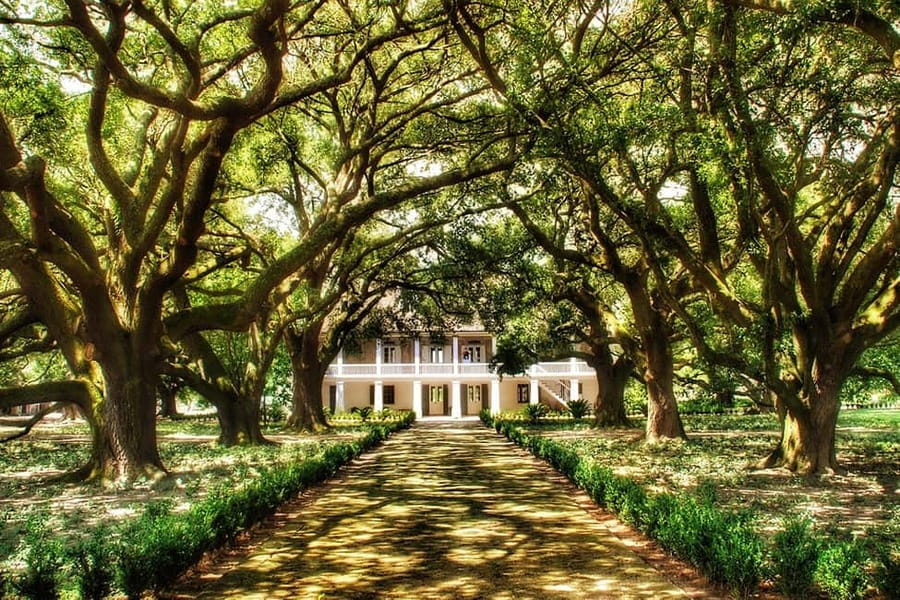
The Big House is one of the early raised Creole cottages in Louisiana and an important example of Spanish Creole architecture. Its design helps you understand how homes were built in this part of the state, with the raised structure suited to local conditions.
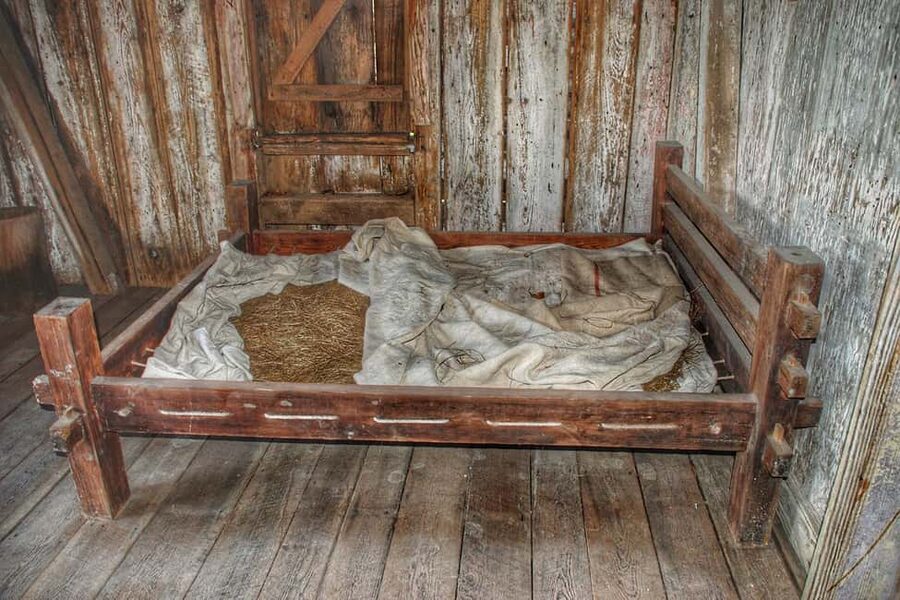
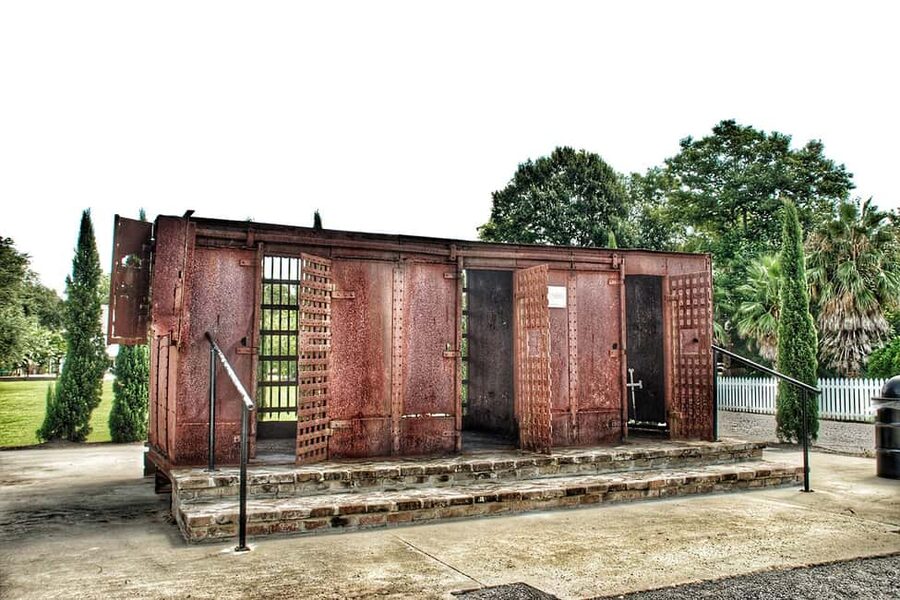
Here, though, the house is not presented as the whole story. The property’s other buildings matter just as much, and perhaps more for understanding daily plantation life. Historic outbuildings show the practical machinery of a working sugar plantation, including the spaces where labor was organized and carried out.
You see restored buildings, museum exhibits, and former living and work areas. The site’s collection of outbuildings is one of its strengths because it shows how a plantation changed over time. Whitney began with indigo production and shifted to sugar in the early 1800s, reflecting the changing demands of the regional economy.
The contrast is hard to miss. The Big House represents the comfort and status of the owners. The quarters and work buildings point toward the forced labor that made that comfort possible. Whitney does not ask you to admire one while forgetting the other.
Same base, a different kind of day out:
- New Orleans Premier Ghost, Voodoo and Vampire Walking Tour
★ 4.5 · 12,856 reviews - New Orleans Steamboat Natchez Jazz Cruise with Dinner Option
★ 4.0 · 7,533 reviews - Adults-Only New Orleans Ghost, Crime, Voodoo, and Vampire Tour
★ 5.0 · 6,545 reviews - New Orleans Food Walking Tour of the French Quarter with Small-Group Option
★ 5.0 · 6,118 reviews
Memorials that require time and attention
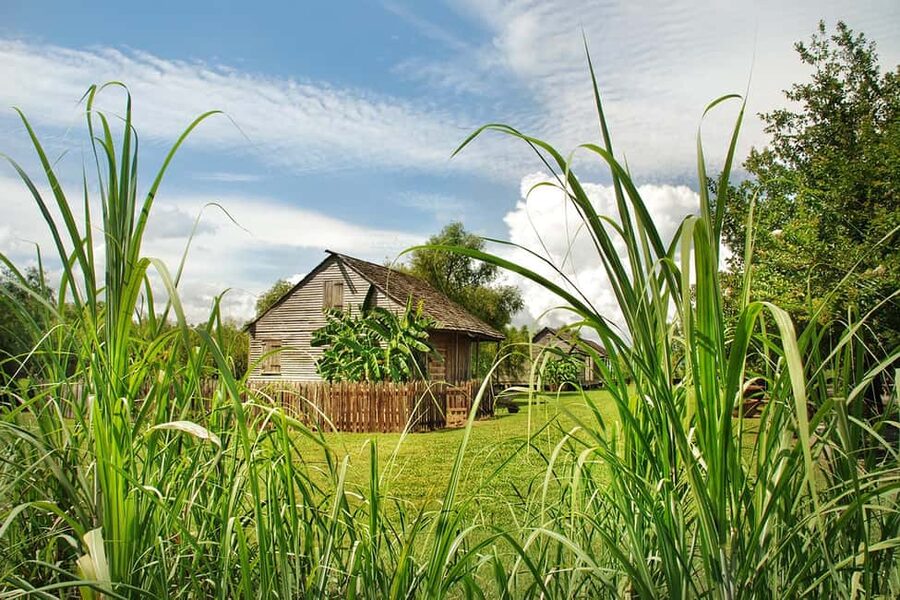
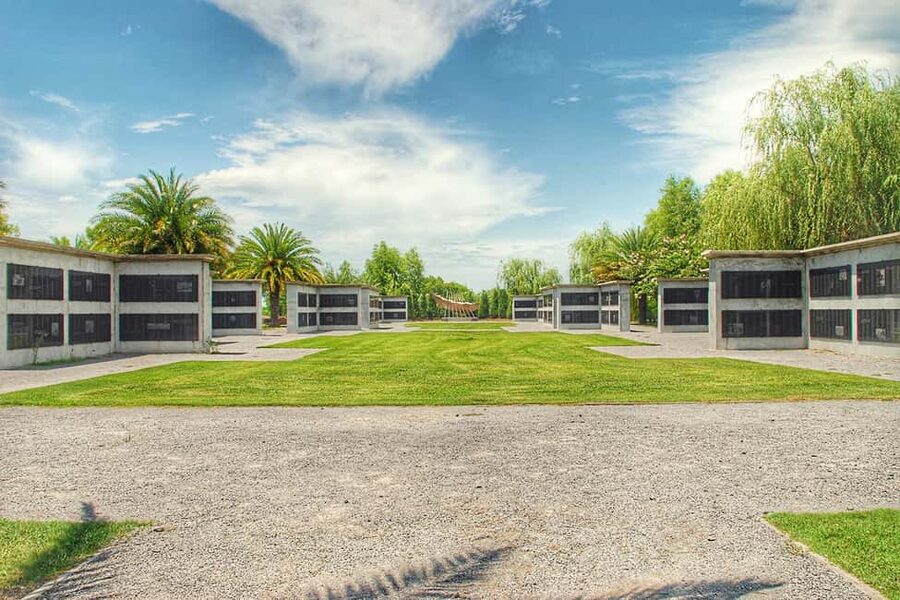
The memorial artwork gives the visit its emotional weight. You will encounter names, stories, and reminders of people who were treated as property under slavery. The effect is personal rather than abstract.
I would not plan Whitney as a quick stop between plantation photographs. Give yourself time to stand still, listen to the audio, and let the material settle. The subject can bring sadness, anger, or discomfort. That is part of the purpose, not a flaw in the design.
The museum presents slavery without softening it to make the plantation easier to sell. Several audio sections use first-person narratives, which help move the subject away from distant dates and broad statistics. You are encouraged to think about individual lives and the long effects of slavery in the United States.
This is also why Whitney suits people who have already visited Oak Alley or another plantation and want a different focus. Oak Alley is famous for its avenue of live oaks and grand appearance. Whitney offers a more direct examination of the people whose labor supported plantation wealth.
What the optional Manchac Swamp trip adds
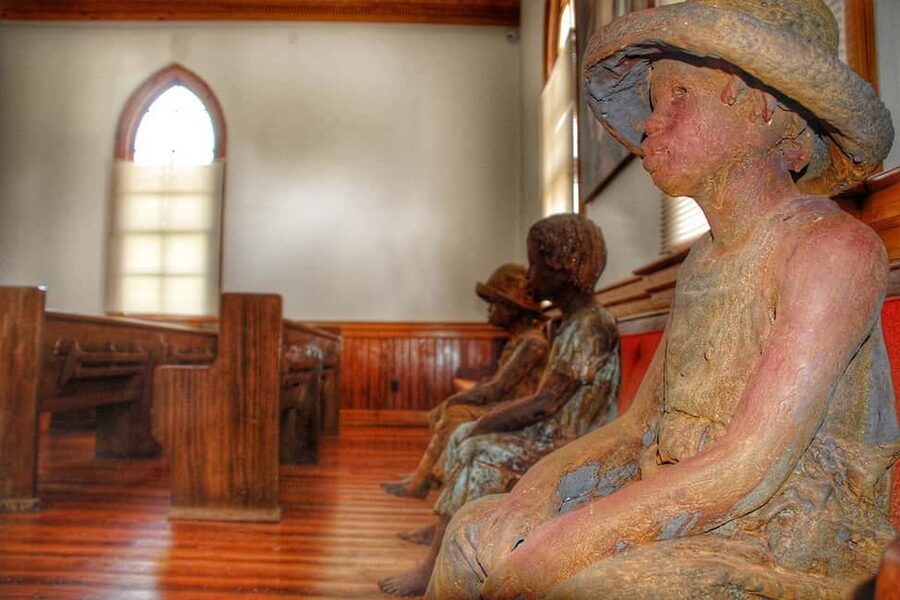
You can upgrade the day to include a 90-minute swamp tour after Whitney. The transfer takes you to Manchac Swamp, where a local captain operates a covered pontoon boat through a privately owned wildlife refuge.
The contrast with Whitney is useful. After an emotionally heavy visit, the boat gives you time outdoors with a different kind of attention. The guide discusses Frenier and Cajun traditions connected to fishing, hunting, and trapping. You also watch for alligators, which may leap toward food near the boat.
The swamp option is not part of the basic $89 tour, so check the price before booking. It turns the outing into a fuller day and adds wildlife and regional culture, but it also means less flexibility after the plantation. If your main reason for going is Whitney, the standard version is enough. If you want to combine history with nature and do not mind a longer schedule, the upgrade makes sense.
The covered boat is a practical choice in a hot, wet climate. Still, the swamp is a wildlife setting, so sightings cannot be guaranteed. The appeal is the setting, the local explanation, and the chance of seeing alligators, not a promise of a staged animal show.
Is $89 good value for the basic tour?
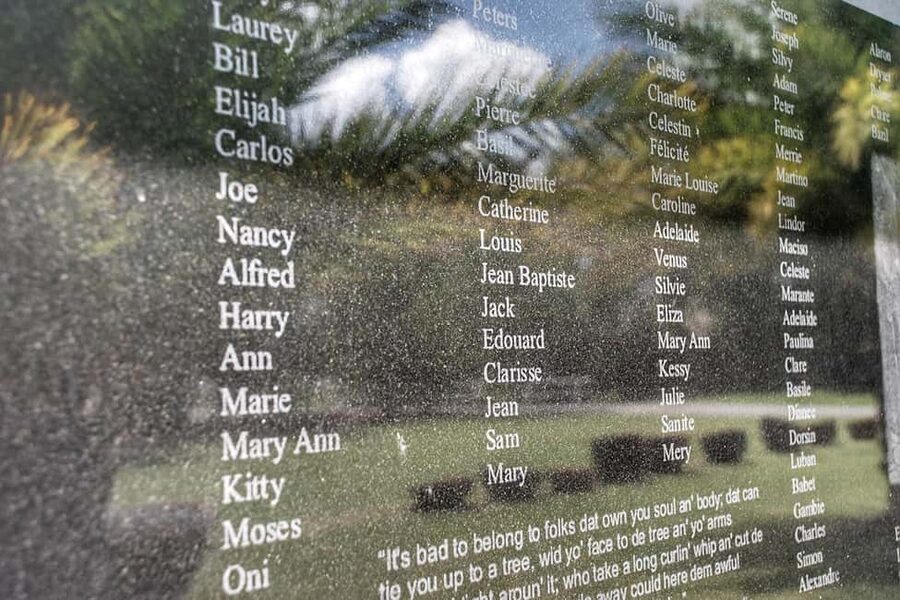
At $89 per person, you are mainly paying for round-trip transport, the plantation admission, and a straightforward way to reach a site well outside New Orleans. You are not paying for a private historian or a fully guided walk at Whitney.
That distinction matters. The plantation portion is self-paced, while the driver provides the live commentary on the road. If you prefer a guide beside you explaining every building, this may feel limited. If you like listening privately and stopping when you want, the format is a strong fit.
The value improves if you are staying in New Orleans without a car. You avoid arranging a rental vehicle, finding the plantation, and planning the route along the river. You also get an introduction to several other plantations from the bus.
The cost can feel high if you think of it as bus transport plus two hours at one site. It feels more reasonable if you value the serious interpretation at Whitney and the convenience of a half-day outing. The optional swamp trip should be judged separately because it adds another activity rather than simply improving the plantation visit.
Practical details for a smoother visit
Meet at the Lighthouse Ticket Office 15 minutes before departure and have your barcode ready. All departures use the Toulouse Street location at 400 Toulouse Street, New Orleans, Louisiana 70130.
Bring water and plan for sun and heat, since food and beverages are not included. Comfortable shoes matter because the grounds have uneven gravel paths. The route includes places to sit, which helps if you need a break while listening.
Download the Whitney app before arrival if possible. You can also use a supplied recording device, but having the app ready reduces the chance of losing time at the start.
Wheelchair users can reach the gift shop, restrooms, museum, and plantation grounds, but gravel may make parts of the site difficult. The slave quarters can be viewed, though they cannot be entered by wheelchair users. Ask the provider about current transport arrangements if you need a specific vehicle setup.
The tour operates in English. Free cancellation is available up to 24 hours before departure, and the reserve-now, pay-later option can help if your New Orleans plans are still moving.
Who should book this Whitney Plantation tour?
I would choose this tour if you want the history of slavery presented plainly and with the enslaved people at the center. It is especially suited to first-time visitors who want reliable transport from New Orleans and a clear introduction to the plantations along the Mississippi.
It also works well for people who prefer independent pacing. You can listen again, sit at a stop, take notes, or move ahead of your group without losing a live guide.
I would think twice if your main goal is a grand-home tour, formal gardens, or a short list of attractive plantation photographs. Whitney has beautiful buildings and grounds, but the emotional and educational work comes first.
The best practical choice is to start with the outdoor route, then use the museum and gift shop before returning to the bus. If you select the swamp upgrade, expect a longer day and treat it as a second experience, not an extension of the Whitney interpretation.
Should you book it?
Yes, if you want one plantation visit in New Orleans that deals directly with slavery rather than polishing the image of plantation owners. The audio tour is detailed, the memorials are powerful, and the bus commentary adds useful context on the journey.
Book the basic option if Whitney is your priority. Add the swamp tour if you want wildlife and Cajun culture after the historical visit. Just allow enough time for the 14 audio stops, because the site deserves more than a hurried walk to the bus.
FAQ
Where does the Whitney Plantation tour depart from?
It departs from the Lighthouse Ticket Office at Toulouse Street and the Mississippi River, directly behind JAX Brewery. The listed address is 400 Toulouse Street, New Orleans, Louisiana 70130.
How long does the Whitney Plantation tour last?
The experience is described as about five hours, with the exact starting time depending on availability. You receive roughly two hours at Whitney Plantation for the self-guided visit. The swamp upgrade adds a 90-minute boat tour.
Is the Whitney Plantation visit guided?
The plantation visit is self-guided through an audio tour with 14 stops. You can download the Whitney Plantation app or use a handheld recording device provided at the site. The transportation portion includes an English-speaking driver who may provide commentary during the ride.
What does the audio tour focus on?
It focuses on first-person narratives and the history of enslaved people at Whitney and elsewhere in the United States. The visit also covers the Big House, restored buildings, memorial artwork, museum exhibits, and the development of the working plantation.
Is the swamp tour included?
The 90-minute Manchac Swamp pontoon trip is included only when you select the Whitney and Swamp Combo Tour with Transportation option. It takes place in a privately owned wildlife refuge and includes information about Frenier, Cajun culture, fishing, hunting, and trapping.
Is Whitney Plantation wheelchair accessible?
The grounds, museum, gift shop, and restrooms are accessible, though some paths are uneven gravel. Wheelchair users can view the slave quarters but cannot enter them.
Just added in New Orleans
- New Orleans: French Quarter, Voodoo and Cultural Experience★ 4.5 · 972 reviews
- From New Orleans: Oak Alley Plantation Tour★ 4.5 · 443 reviews
- New Orleans: Bayou Tour in Jean Lafitte National Park★ 4.8 · 428 reviews
- New Orleans: Guided Swamp Cruise by Tour Boat★ 4.7 · 570 reviews
- New Orleans: Voodoo Queen Tour of French Quarter★ 4.7 · 482 reviews
- New Orleans: Swamp Boat Ride & Oak Alley Plantation Tour★ 4.7 · 383 reviews
- New Orleans: Walking Tour Inside St. Louis Cemetery No. 1★ 4.6 · 1,519 reviews
- New Orleans: Cemetery Tour★ 4.6 · 617 reviews
Plantation Tours, compared.
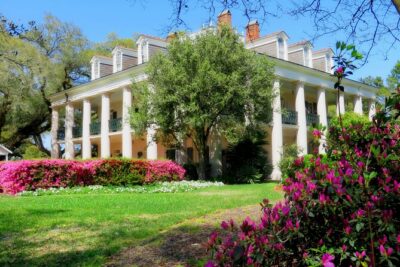
Swamp Boat Ride and Oak Alley Plantation Tour from New Orleans
Read our review →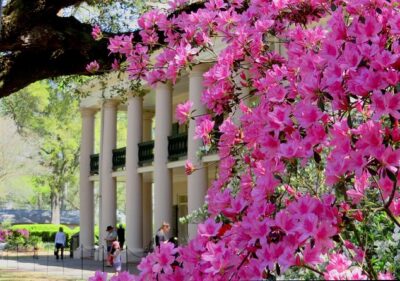
Oak Alley Plantation Tour with Transportation from New Orleans
Read our review →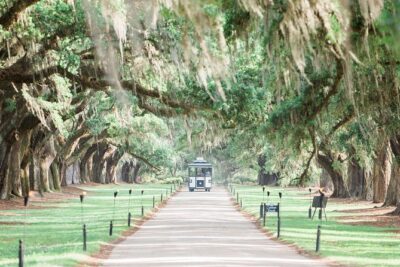
Boone Hall Plantation All-Access Admission Ticket
Read our review →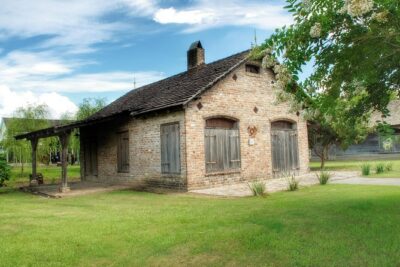
Whitney Plantation Tour with Transportation from New Orleans
Read our review →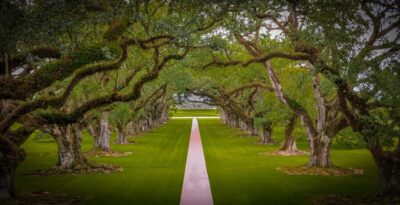
Bayou Swamp Tour and Oak Alley Plantation Tour
Read our review →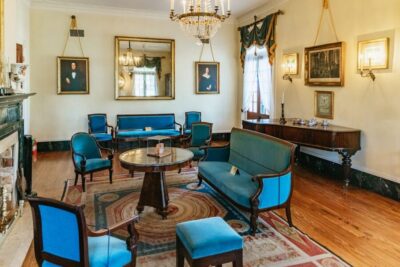
Oak Alley Plantation & Airboat Swamp Combo Tour
Read our review →
Magnolia Plantation Admission & Tour with Transportation from Charleston
Read our review →
Pearl Harbor, Dole Plantation, and Polynesian Center from Waikiki
Read our review →Browse the lists this tour appears in