
Reviewed · TOURS IN ANCHORAGE
Dog Sledding Adventure in Willow, Alaska
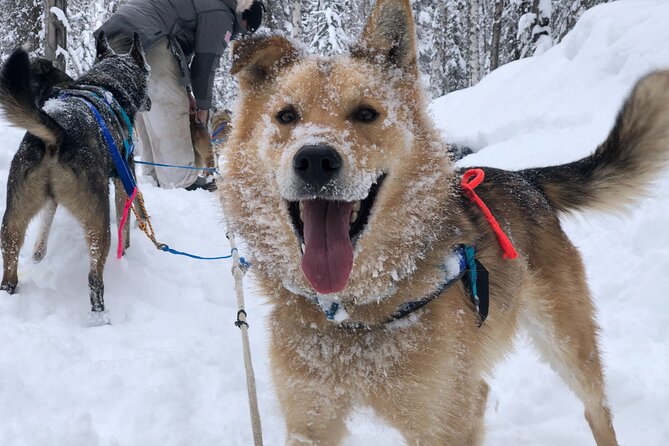
The best part of this Willow dog sledding adventure is the close look at a working kennel, not just a quick ride behind a team of dogs. You meet the huskies, help harness them, learn how mushing works, then settle into a sled pulled across private trails with Denali views. The guides, including Dane, have real Iditarod experience and explain the sport as you go.
I like two things in particular: the small group size, capped at four people, and the time spent with the dogs before and after the run. You are not shuffled through a large staging area. You can ask questions, take photos, and get a better sense of how these athletes live and work. Loaner winter parkas, hot drinks, and snacks are useful touches.
The main thing to consider is the cold. This is an outdoor ride in Alaska, and several people needed extra help keeping hands and feet warm, even with layers. Snow conditions can also affect the outing. Dress seriously for winter, and do not mistake the supplied parka for a substitute for warm boots, socks, gloves, and base layers.
Key points to know before booking
- Small family-run kennel: The maximum group size is four, giving you more time with the owners, guides, and dogs.
- Real Iditarod connection: Guides share mushing and race stories, and some of the dogs have taken part in major races.
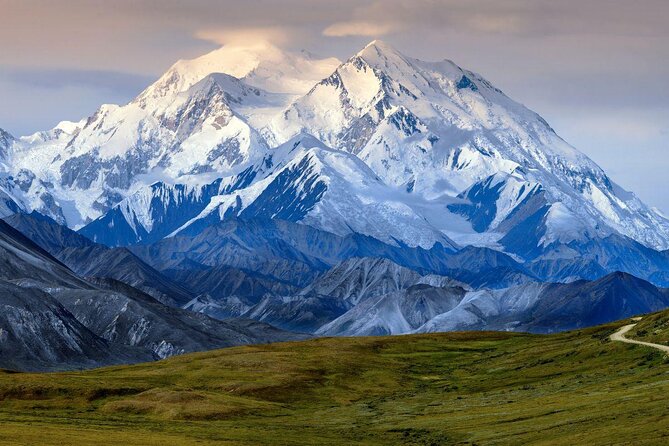
- Private trails near Willow: The ride includes snowy forest and open-country scenery, with possible views toward Denali and Mount McKinley.
- Hands-on start: You can meet the dogs and help harness the team before the sled moves.
- Warm-up gear included: Loaner winter parkas, hot beverages, and snacks are provided.
- Plan for severe cold: Warm footwear and hand protection matter as much as your coat, especially on very cold days.
Why this Willow ride feels more personal
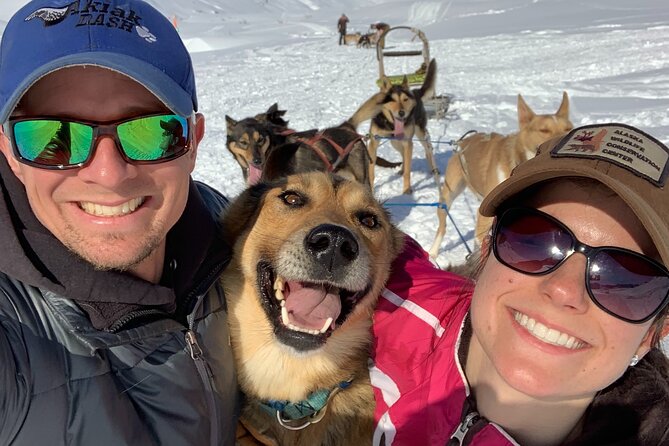
Many Alaska dog sled rides are built around the quick thrill of motion. This one puts more weight on the kennel and the people who run it. Alaskan Husky Adventures is a family-owned operation, and the owners and staff live on the property and train the dogs there. That gives the visit a more personal shape.
You begin at 18408 W Reynolds Road in Wasilla, in the Willow area north of Anchorage. The exact setting matters because you are not simply boarding a tourist vehicle and heading to an unrelated track. You are visiting a place connected to the dogs and their daily work.
The group limit of four is one of the strongest features. A small party means you can hear the safety briefing, ask about individual dogs, and spend time taking photos without feeling rushed. Solo visitors fit especially well here, and families can get help arranging themselves in the sled.
The activity lasts about one hour and 30 minutes. That is long enough to include the kennel visit, preparation, sled ride, and time to warm up, but it is not an all-day mushing expedition. If you want a major wilderness journey, you may find the duration short. If you want to add a genuine Alaska activity to a busy Anchorage-area schedule, the length is sensible.
Other trips people book in the USA:
- NYC: SUMMIT One Vanderbilt Tickets
★ 4.7 · 51,195 reviews - NYC: 9/11 Memorial & Museum Timed-Entry Ticket
★ 4.8 · 31,428 reviews - NYC: Empire State Building Tickets – Observatory & Museum
★ 4.7 · 25,757 reviews
Meeting the Iditarod dogs before the ride
The dogs are a central part of the visit, not just the engine for the sled. You meet the huskies, learn about the team, and help with harnessing before the run. That hands-on step helps you understand the work involved before you feel the sled move.
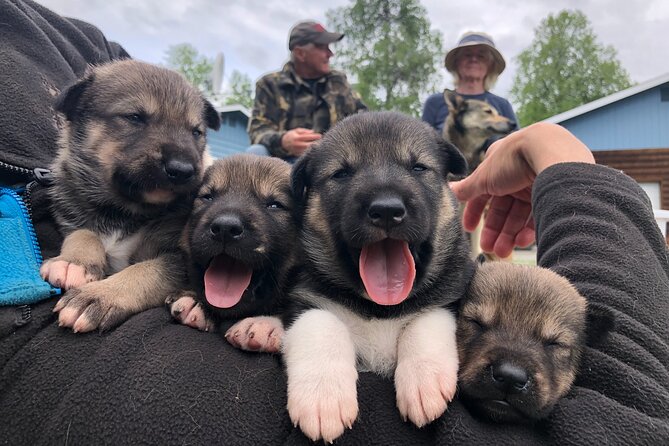
The dogs are trained athletes, but the experience also allows for friendly contact. You can pet them, take photos, and spend time with them after the ride. The dogs are described as social, energetic, and comfortable around people, with plenty of affection for visitors. You might get the occasional enthusiastic dog kiss, so keep that in mind if you are not fond of close canine attention.
The condition and behavior of the dogs are worth noticing. A well-run kennel should show you animals that are alert, fit, and handled with care. Here, the owners and guides explain their work directly, and the dogs are presented as part of the family operation rather than as anonymous equipment.
Some of the dogs have returned from the Iditarod or other major races, which gives the visit a useful connection to the sport. You are not just hearing a general story about sled dogs. You can ask about training, racing, teamwork, and what makes a lead dog different from the rest of the team.
Harnessing up and learning the basics of mushing
Before the sled leaves, expect instructions on safety and on how to behave around the team. The staff provides an explanation of what is happening, and you get time to understand the harnessing process. This is especially helpful if you have never been near a working sled-dog team.
The guides also explain the Iditarod and the wider tradition of mushing. Dane is often the guide mentioned by name, and he combines practical instruction with stories from his own experience. The history lesson adds useful context: the race is not simply a winter attraction, and the dogs are not merely pulling a decorative sleigh.
Depending on your comfort level and the arrangement that day, you may sit, stand, or help with the brake. The supplied information also describes stopping to switch positions, take in the scenery, or give the dogs a break. Since the group is small, you have a better chance to discuss these options with the guide instead of following a rigid, one-size-fits-all routine.
The ride can include dips and curves. One description compared those turns to a mild roller-coaster feeling, which is a useful warning for anyone expecting a completely still sleigh ride. It is exciting, but you should listen closely to the safety instructions and hold on as directed.
The sled route and Mount McKinley scenery
The itinerary identifies Mount McKinley as the main sightseeing stop, while the broader ride takes place on private trails near Willow. The attraction is the combination of motion and scenery. You glide through snowy surroundings, with open views that can include Denali, also called Mount McKinley.
Scenery depends on weather, snow cover, and visibility. On clear winter days, the views can be a major part of the outing. On cloudy days, the quiet woods and the dogs themselves still carry the experience, but you should not book solely on the promise of a perfect mountain view.
Snow conditions also deserve a practical note. One outing took place when snowfall was limited, yet the ride still went ahead and remained enjoyable. That means the experience can work beyond a picture-perfect fresh-snow day, but conditions may change the look and feel of the trail.
The sled run may cover several miles. One account describes a five-to-six-mile run, though the precise distance can vary with conditions and the team’s needs. The dogs may stop for breaks, and the guide may pause so you can change positions or take photos. Think of the ride as an active kennel outing with a scenic run, not a timed race.
Same base, a different kind of day out:
- NYC: Empire State Building Observation Deck Tickets
★ 4.7 · 22,072 reviews - NYC: Edge Observation Deck Admission Ticket
★ 4.6 · 20,918 reviews - Grand Canyon West, Hoover Dam Stop and Optional Lunch and Skywalk
★ 5.0 · 19,535 reviews - New York City: Statue of Liberty & Ellis Island with Ferry
★ 4.6 · 18,683 reviews
What the ride feels like from the sled
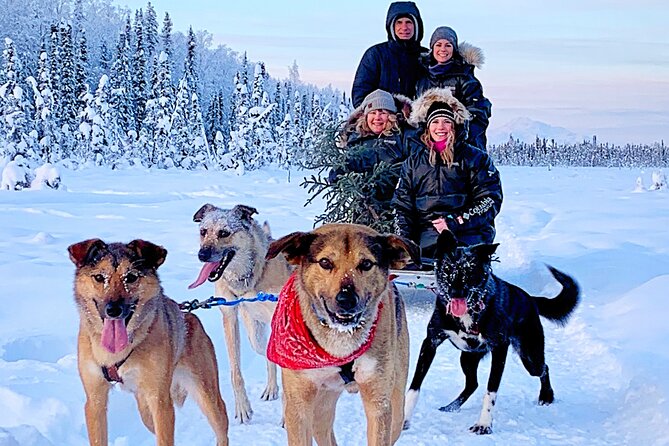
You will hear the dogs become excited before the sled starts. Once the team moves, the ride can feel surprisingly smooth, with the runners sliding over packed snow and the dogs setting a steady rhythm. The quiet is part of the appeal. There is the sound of paws, runners, wind, and the guide’s instructions rather than the noise of a motor.
The pace is enough to create excitement, especially on curves and small dips, but you are not driving a racing team through the Iditarod. An experienced musher handles the sled, allowing you to focus on the dogs and the scenery.
At points, you may be able to participate more actively by standing or using the brake, depending on the guide’s instructions and the conditions. That option gives the ride a stronger sense of participation. If you would rather sit and take photos, you can make that clear to the guide.
For families, this flexibility is useful. A child may want to watch the dogs closely, while an adult may want to help with the brake or switch positions. The staff has accommodated younger participants and can adjust the experience within the limits of safety.
Warm clothing is not optional
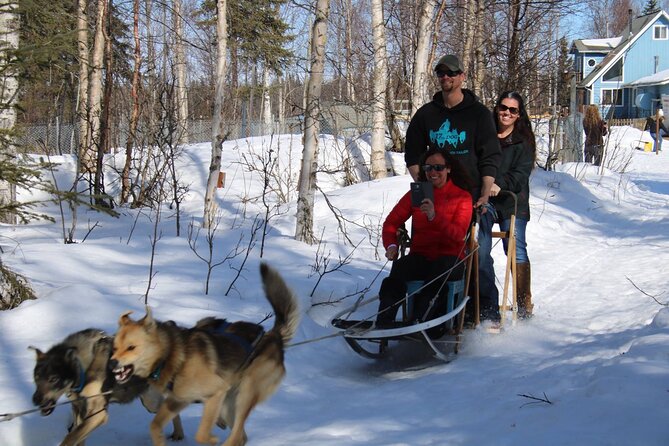
Take the cold warnings seriously. The company offers loaner winter parkas, and several people found the extra coat helpful. Still, the parka is an additional layer, not a full winter clothing system.
Wear several layers, including a warm base layer, an insulating middle layer, and a wind-resistant outer layer. Protect your hands and feet first. Warm boots and thick socks are essential, and you may want spare socks if your feet tend to get cold.
Very low temperatures can make the ride feel colder than expected because you are sitting or standing outside for an extended period. One outing took place around minus five degrees, and hands and toes became painfully cold despite gloves and multiple sock layers. The provided Arctic-style coats helped, but they did not remove the need for proper footwear and hand protection.
Hot beverages and snacks are included, and they make the return to the kennel more comfortable. You can warm up, talk with the staff, and spend more time around the dogs after the run. Even so, do not rely on hot chocolate to solve poor clothing choices.
The people, stories, and family-business feel
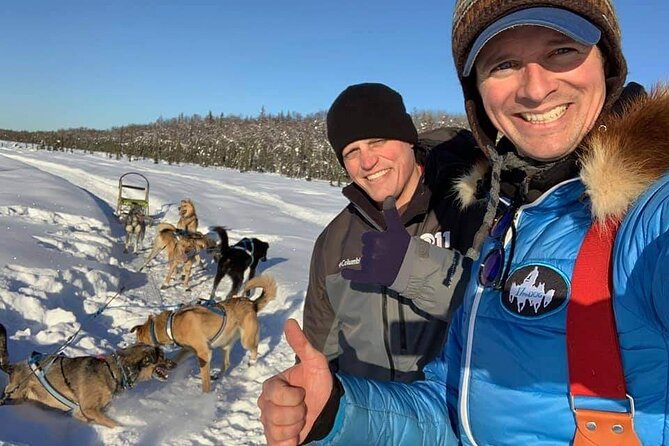
The owners and guides are a major part of the activity. Matthew is involved in the business and booking communication, while Dane is a frequently named musher and guide. The staff explains the safety rules, the dogs, and the Iditarod in a friendly, direct way.
You also hear how the family-run business developed and how the dogs are trained. That background gives the visit more meaning than a simple photo opportunity. You get a better idea of the work behind a team that looks eager and disciplined at the starting line.
The staff has also shown some flexibility when people were running late, though you should not count on that. Arrive with enough time for the safety briefing and preparation. A small operation can sometimes adjust, but a late arrival could still disrupt the run or shorten your time with the team.
English is the language offered. Confirmation arrives at booking, and most people can participate. The activity returns to the same meeting point at the end, so plan your day around getting to Wasilla rather than assuming the experience begins in central Anchorage.
Is $175 a fair price?
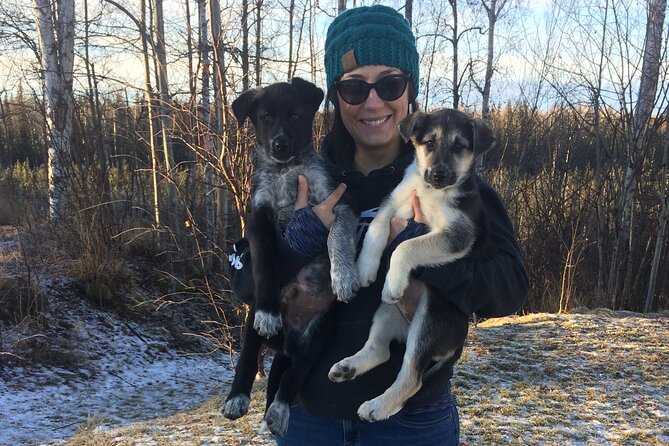
At $175 per person, this is not a bargain-bin activity, but the price covers more than a short sled glide. You receive the dog sled ride, winter parka use, hot beverages, and snacks. The small group size also matters because the owners and guide can spend more time with you.
The value is strongest if you care about the kennel visit, the Iditarod connection, and direct contact with the dogs. A cheaper ride that only gives you a few minutes on a sled may not offer the same personal setting or explanation.
The value is weaker if you want a long expedition or a full-day wilderness trip. This is about 90 minutes, and the listed itinerary is focused on the kennel, sled run, and Mount McKinley scenery. You are paying for access to a small working operation and an informed guide, not for hours of remote travel.
For a family, the included parka and warm drinks can reduce the need to rent extra gear, though you still need to bring suitable boots, gloves, and warm layers. For a solo visitor, the four-person limit makes the price easier to justify because the outing does not depend on a large group atmosphere.
Who will enjoy this most?
I would choose this activity if you want an Alaska experience with real contact and a manageable time commitment. It suits couples, families, solo visitors, and small groups who want to learn as well as ride.
It is particularly good for:
- First-time visitors who want a classic Alaska activity with context
- Dog lovers who want time to pet and photograph the huskies
- People interested in the Iditarod and working sled teams
- Families who benefit from a small group and flexible seating
- Solo visitors who prefer a personal, guided activity
- Anyone adding a winter outing to an Anchorage-area itinerary
You should think twice if you dislike cold, have no suitable winter footwear, or want to control a sled team for a long distance. The weather can be severe, snow may be limited, and the ride is guided by an experienced musher.
Free cancellation is available if you cancel at least 24 hours before the start time. Cancellations inside that window are not refunded, and poor weather can lead to a new date or a full refund. That policy is worth noting because winter conditions are part of the experience.
Should you book the Willow dog sledding adventure?
Yes, if you want a personal, family-run dog sled outing rather than a large commercial ride. The combination of Iditarod-connected guides, a maximum of four people, friendly working dogs, private trails, and Denali views gives the activity real substance.
Book it with realistic expectations. You may get a beautiful, snow-covered day, or you may find thinner snow and bitter cold. The ride is short enough to fit into a larger Alaska plan, but the cold can feel long if you arrive underdressed.
I would make warm boots, hand protection, and layered clothing part of the booking decision. If you prepare properly, this is a strong choice for experiencing mushing up close, meeting dogs that enjoy their work, and learning why dog sledding remains such an important part of Alaska life.
FAQ
Where does the dog sledding activity meet?
The meeting point is 18408 W Reynolds Road, Wasilla, Alaska 99654. The activity ends back at the same meeting point.
How long does the experience last?
The activity lasts approximately one hour and 30 minutes.
How much does the activity cost?
The listed price is $175 per person.
How many people can join the tour?
The activity has a maximum of four participants.
Is the dog sled ride included?
Yes. The dog sled ride is included, along with loaner winter parkas, hot beverages, and snacks.
Do I get to meet the sled dogs?
Yes. You meet the huskies, help harness the team, and have time to interact with the dogs before or after the ride.
Is the activity offered in English?
Yes. English is the language offered.
What happens if the weather is poor?
The activity requires good weather. If it is canceled because of poor weather, you can receive a different date or a full refund. For your own cancellation, you must cancel at least 24 hours before the start time to receive a full refund.
Just added in the USA
- Road to Hana: Full-Day Scenic Drive with Blacksand & Waterfalls★ 4.5 · 837 reviews
- Road To Hana: Maui Waterfall Hiking Tour in Private Jeep★ 5.0 · 343 reviews
- 2 Hour Sailing Cruise on Lake Tahoe★ 5.0 · 886 reviews
- Original La Jolla Sea Cave Kayak Tour for Two★ 4.5 · 871 reviews
- Maui Nui Luau at the Sheraton Maui Resort & Spa★ 4.5 · 1,622 reviews
- Key West: All-Inclusive Watersports Adventure with Lunch & Beer★ 4.5 · 351 reviews
- La Jolla Sea Caves Kayak Tour For Two (Tandem Kayak)★ 4.5 · 1,205 reviews
- Behind-the-Scenes at Petco Park Tour★ 4.5 · 339 reviews
Tours in Anchorage, compared.
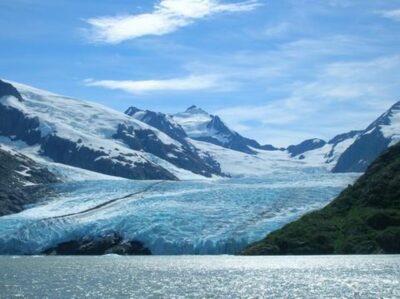
Wilderness, Wildlife, Glacier Experience from Anchorage
Read our review →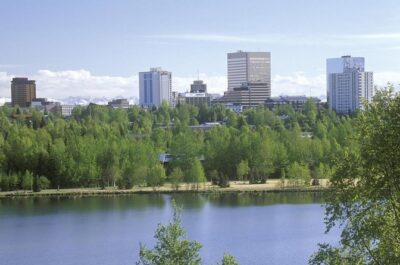
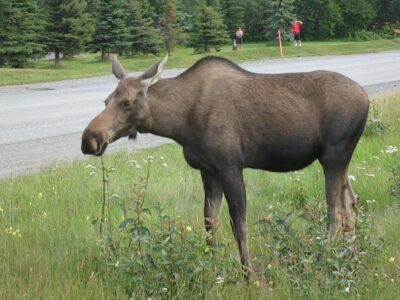
Anchorage City Tour w/ Taste of Wild Smoked Salmon & Reindeer Sausage
Read our review →
Wildlife and Glaciers with a walk in the Rainforest
Read our review →
Glacier Hike on Matanuska Glacier – Best Vacation Value
Read our review →
Portage Glacier Cruise and Wildlife Explorer Tour
Read our review →Browse the lists this tour appears in