
Reviewed · TOURS IN PHILADELPHIA
Philadelphia: Eastern State Penitentiary Admission
Eastern State Penitentiary is not a polished museum. It is a vast, crumbling prison where vaulted cellblocks, empty guard towers, and peeling walls show what happens when a grand experiment in punishment is left to weather. The Steve Buscemi audio tour gives the ruins a human voice, leading you through stories of inmates, guards, wardens, escapes, riots, and daily prison life.
I especially like the freedom to explore at your own pace and the way the audio guide mixes serious prison history with intimate details. Al Capone’s furnished cell is a memorable stop, while the long-abandoned Hospital Block adds a more sobering edge. The main drawback is the building itself: it is semi-ruined, has no climate control, and can be uncomfortable in very hot, cold, or wet weather.
Key points to know before you go
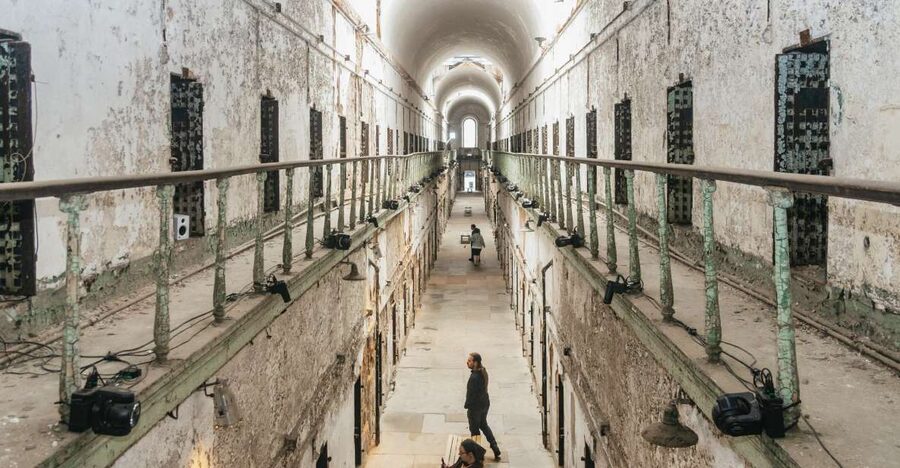
- The audio tour is the backbone of the visit: Steve Buscemi narrates the main route, with stories from former wardens, guards, and inmates.
- You are not locked into a group schedule: Follow the main route, skip stops, or spend extra time in exhibits and cellblocks.
- Al Capone’s cell is surprisingly lavish: It offers a sharp contrast to the tiny, severe cells elsewhere in the prison.
- The Hospital Block may have guide-led access: These tours depend on availability, so ask on arrival.
- Plan for at least one to two hours: Three hours is easy if you listen to extra stops and inspect the art and exhibits.
- Dress for the weather: The building has no climate control, and sturdy shoes matter on uneven surfaces.
Why Eastern State Penitentiary feels different
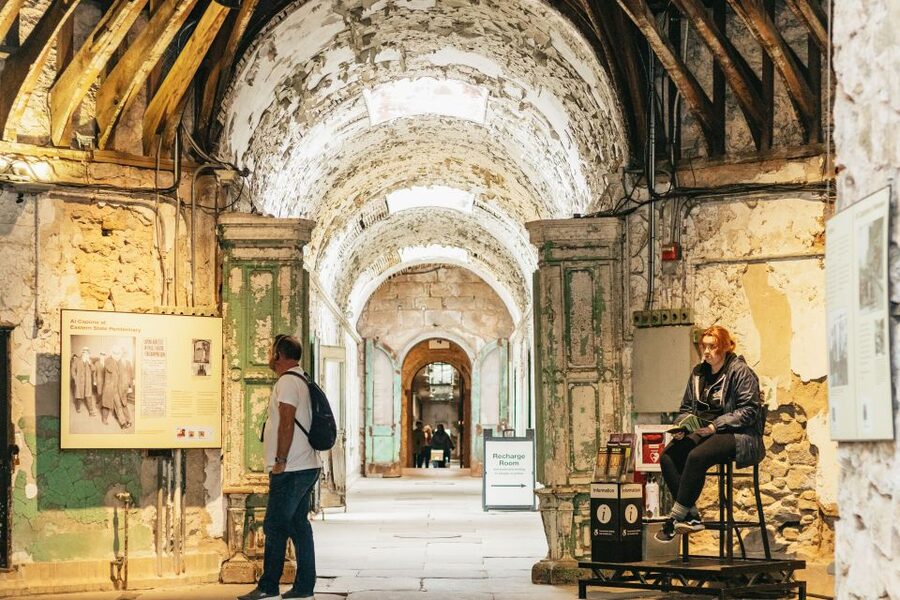
Opened more than 180 years ago, Eastern State was designed around a new idea: prison should encourage penitence, or genuine regret. Its architecture supported that theory. Cellblocks radiated from a central hub, allowing guards to monitor large sections of the prison while keeping prisoners isolated.
The building was also remarkably modern for its time. It had running water and central heat before the White House. That contrast is part of the appeal. You are looking at an advanced institution that believed architecture, discipline, and solitude could reform people.
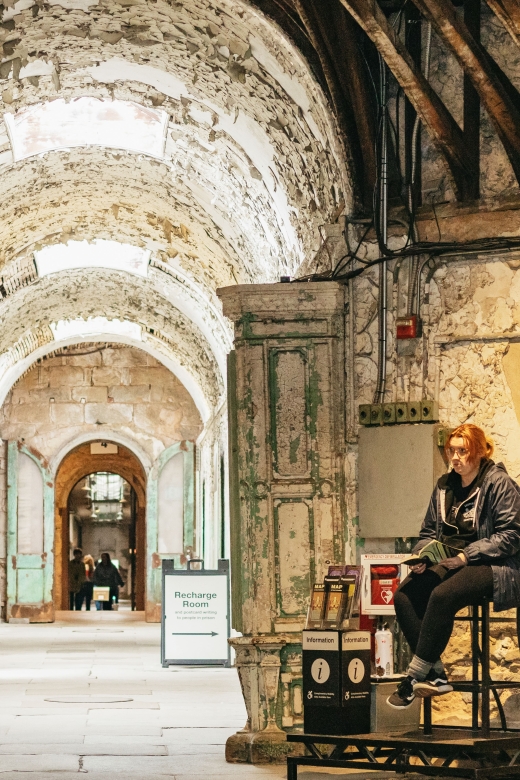
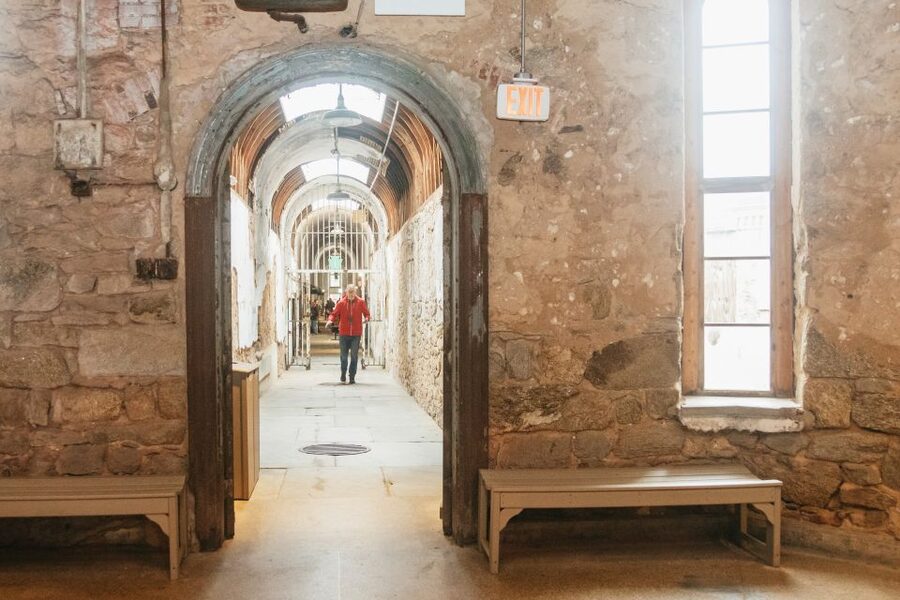
Today, the prison is preserved in a state of semi-ruin. That is not a minor detail. Crumbling masonry, exposed surfaces, and worn corridors are central to the experience, but they also mean you should watch your footing and keep children close.
The $21 admission is good value if you treat this as more than a quick look at old prison cells. You receive the audio guide, access to history exhibits, interactive features, and artist installations. A short visit can last about an hour, but I would allow two or three hours if you want to hear the extra stories and explore beyond the main route.
Other tickets worth buying ahead in the USA:
- NYC: 9/11 Memorial & Museum Timed-Entry Ticket
★ 4.8 · 31,428 reviews - NYC: Edge Observation Deck Admission Ticket
★ 4.6 · 20,918 reviews - NYC: Museum of Modern Art (MoMA) Entry Ticket
★ 4.6 · 12,540 reviews
Entering through the Fairmount Avenue gate
You enter through the main entrance on Fairmount Avenue. The arrival is straightforward, and the site is reachable on foot or by public transport. One practical advantage is that you do not need your own headphones or an internet connection. Admission includes a handheld audio player and headset.
The staff set you up with the device, then you can begin the tour when ready. The system is simple: follow the numbered route, listen at each stop, and move on when you are ready. You can pause, skip sections, or return to subjects that catch your attention.
The standard route has about ten main stops and takes roughly an hour for a focused visit. That is only the starting point. Additional audio stops cover subjects such as escapes, riots, sports, sexuality, and other parts of prison life. If you listen to everything, you may spend much longer inside.
The cellblocks and the radial prison plan
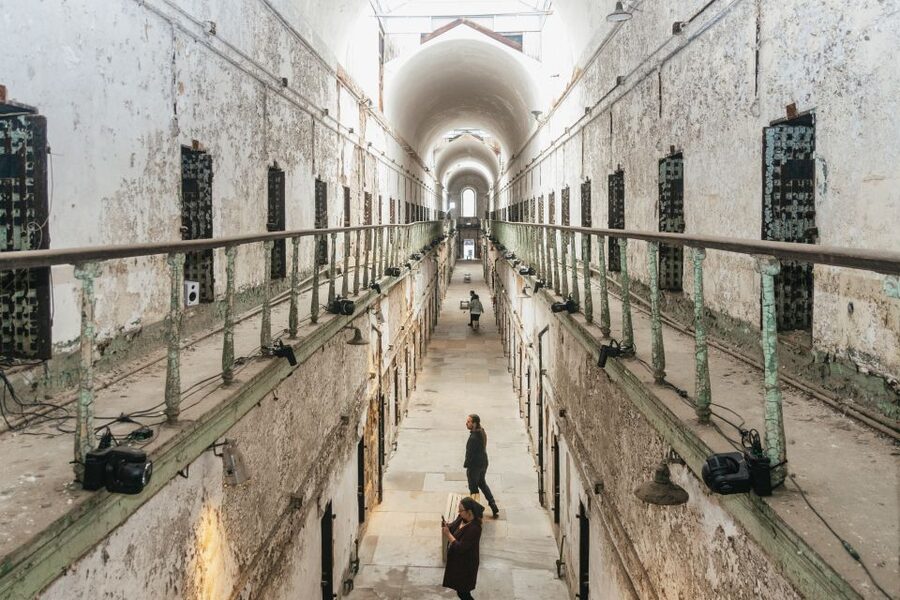
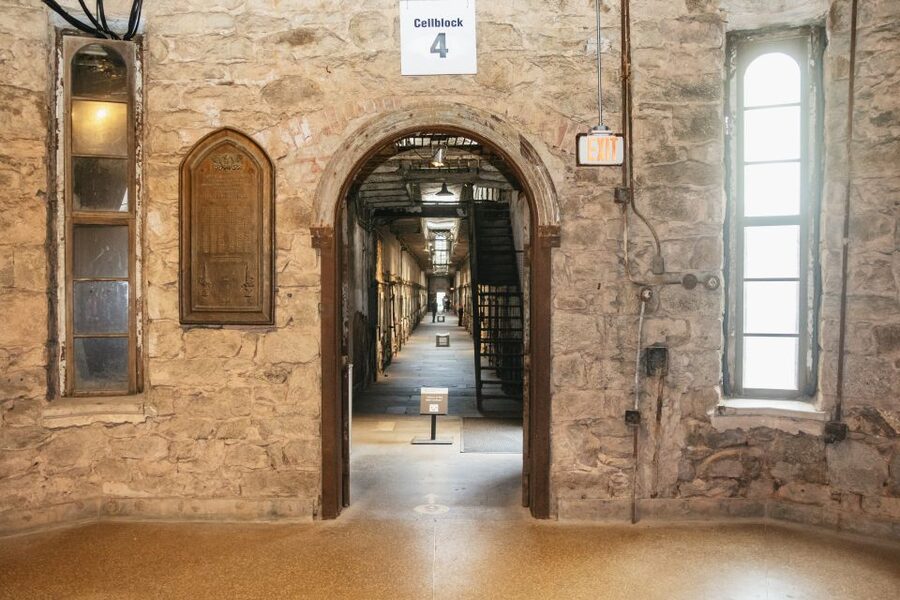
The first major impression is architectural. From the central hub, long cellblocks spread outward like spokes. This layout was meant to make supervision easier and to keep prisoners separated from one another.
The cells are small, severe, and built around isolation. Some have vaulted ceilings and skylights, giving the spaces an unexpected sense of height. That light does not make them comfortable. Instead, it draws attention to the narrow scale of the rooms and the strict routine they once supported.
The audio guide helps you read the building rather than simply walk through it. You hear about the ideas behind the prison and the lives of people held there. Stories connected to former wardens, guards, and inmates make the place less abstract. You are not just looking at masonry. You are considering how a system of punishment worked, and how ideas about incarceration and reform changed over time.
I like the self-guided format here because the prison rewards a slow pace. You can stop to look at a cell, listen to another account, or move quickly through a section that feels repetitive. A large group tour would make that harder.
Al Capone’s cell and the prison’s famous names
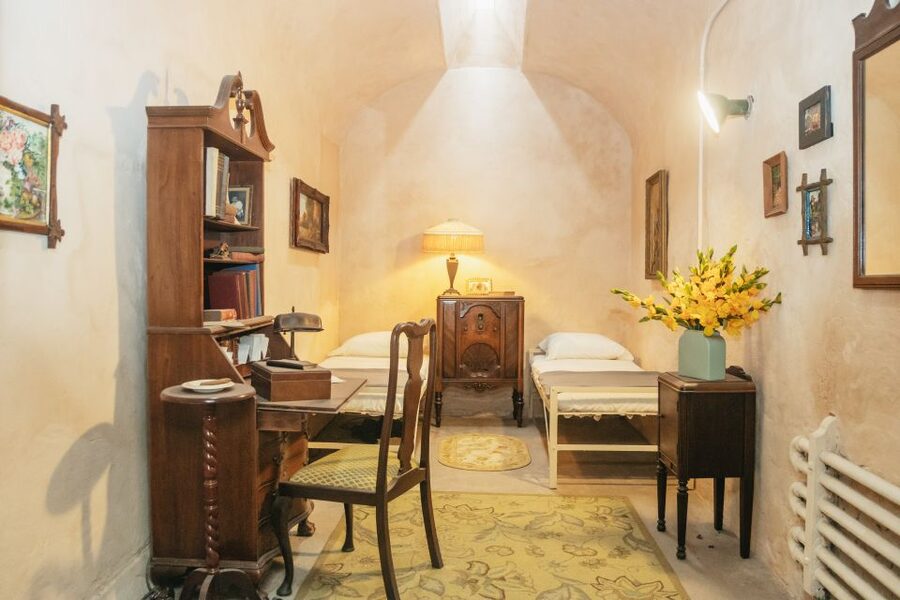
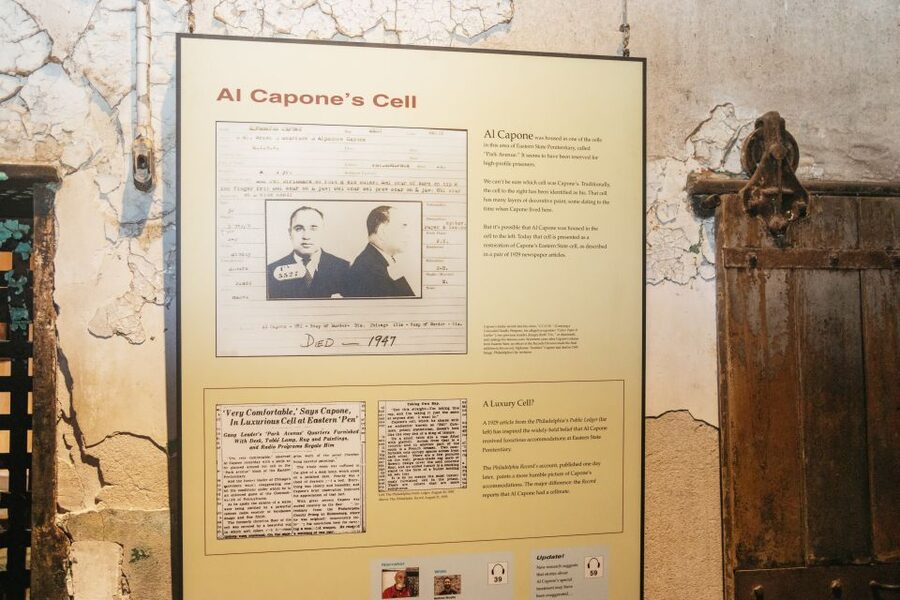
Al Capone’s cell is one of the most talked-about stops, and it is easy to see why. Compared with the plain cells around it, Capone’s room appears remarkably comfortable, with furnishings that make the contrast almost comic.
The cell offers a useful lesson in prison life and privilege. It is not simply a celebrity photo stop. It shows how fame, money, and influence could alter the experience of confinement. The audio tour also introduces other well-known inmates, including bank robber Slick Willie Sutton.
Do not rush through this area after taking your look at Capone’s room. The surrounding cells and corridors provide the necessary contrast. The point is not that every prisoner lived like Capone. The point is that conditions could vary sharply inside the same institution.
Same base, a different kind of day out:
- NYC: SUMMIT One Vanderbilt Tickets
★ 4.7 · 51,195 reviews - NYC: Empire State Building Tickets – Observatory & Museum
★ 4.7 · 25,757 reviews - NYC: Empire State Building Observation Deck Tickets
★ 4.7 · 22,072 reviews - Grand Canyon West, Hoover Dam Stop and Optional Lunch and Skywalk
★ 5.0 · 19,535 reviews
The Hospital Block and guide-led extras
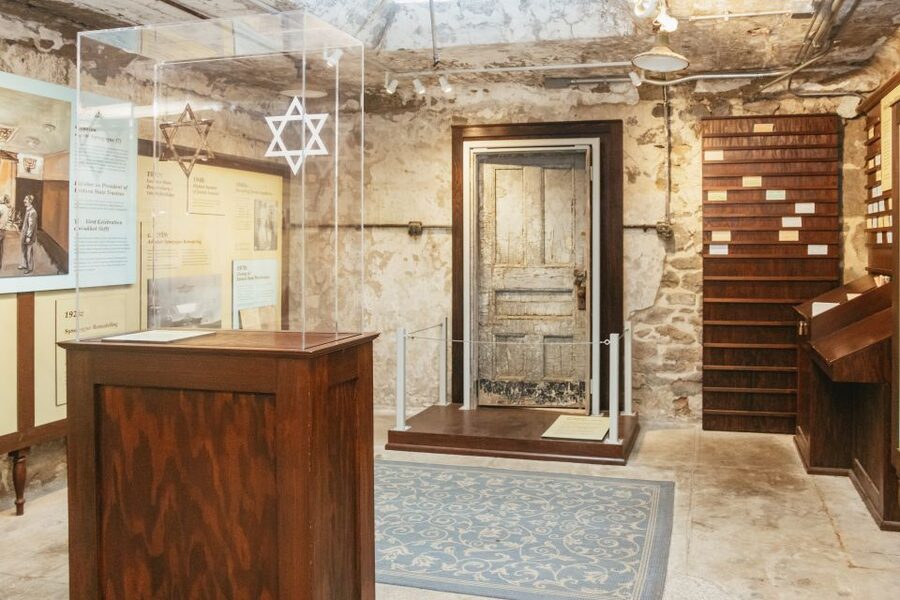
The Hospital Block is one of the most compelling parts of the complex. It has been long abandoned, and its atmosphere is more severe than the regular cellblocks. You can sometimes join a guide-led tour of this area, depending on availability.
Ask about current tours when you arrive. A guide-led visit can add context that the audio route cannot always provide, especially in a section with unusual medical and institutional history. One guide named Sara received particularly warm praise for combining unusual facts with a dry sense of humor, though guide availability changes.
The Hospital Block is not guaranteed as part of every visit, so plan your day around the main self-guided route rather than counting on this extra. If you are especially interested in medicine, psychology, or prison care, it is worth checking for access as soon as you enter.
How the Steve Buscemi audio tour works
Steve Buscemi’s narration gives the tour a distinctive voice, but the real strength is the structure. The audio program is a stereo soundscape with accounts from three former wardens and 25 guards and inmates. Their perspectives make the visit more personal and less like a string of dates and building facts.
The main route guides you step by step, so you do not need to study a map before starting. It is also forgiving. You can pause the device, listen again, or skip a subject that does not interest you.
The extra stops are worth using if you have time. They broaden the visit beyond famous prisoners and architecture. Stories about escapes, riots, sports, and sexuality show the prison as a lived institution, with routines, conflicts, and attempts to maintain ordinary life behind the walls.
Audio is listed in English and Spanish. The host and on-site assistance are in English. If you prefer reading to listening, the complex also has information boards, history displays, and interactive elements throughout the route.
Art installations and the prison after closure
Eastern State is not presented only as a preserved historic site. Contemporary artist installations appear throughout the complex, often using empty cells and damaged walls as part of the work.
These installations give you another way to think about punishment, memory, isolation, and public attention. Some visitors may prefer the historical displays, while others will spend extra time with the art. You do not have to treat every installation as a required stop, which is another benefit of the open route.
The building itself is also part of the lesson. Empty yards, broken surfaces, and exposed rooms show the long period during which the prison was abandoned. Preservation here does not mean making everything look new. It means allowing you to see age, neglect, repair, and history in the same place.
How long should you allow?
A focused visit can take around one to two hours. The main audio route alone takes about an hour, and the extra stops can add much more.
If you listen selectively and mainly want the major architecture, Capone’s cell, and the central exhibits, two hours should work. If you enjoy audio stories, photography, art, and reading displays, plan on three hours. Some people spend five hours exploring, though that requires a strong interest in the subject and a willingness to move slowly.
The site is open for visits across the year, and the ticket is valid for 365 days according to the booking details. Check the available starting times when reserving, since the exact schedule can change.
Weather, footwear, and family considerations
Eastern State operates rain or shine, and the building has no climate control. Summer heat and humidity can make the visit uncomfortable. Cold weather can be equally noticeable inside the old structure, so dress for the forecast rather than assuming an indoor attraction will be warm.
Wear sturdy, comfortable footwear. You will be walking through a large complex with uneven or worn surfaces, and the best parts of the visit are spread across several cellblocks and yards.
Children under seven are not recommended because of the semi-ruined building and potential safety hazards. Unaccompanied minors are not allowed. Older children may enjoy the audio format, especially if you ask about the scavenger hunt activity available for families.
The subject matter also matters. This is a prison, not a light museum. Some stories and installations deal with isolation, punishment, violence, illness, and death. Older children and teenagers may find it valuable, but you should decide based on their maturity and interest.
Accessibility and getting around
The site is wheelchair accessible and offers a wide range of accessibility services. Since the prison is an old, semi-ruined building, ask staff about current routes and available assistance when you arrive.
The self-guided format can help if you need to set your own pace. You can pause often, skip sections, or spend more time in areas that are easier to navigate. Staff are available to help, though it may take some searching to find the right person for a question inside the complex.
Who will get the most from this admission?
I would recommend Eastern State Penitentiary to anyone interested in American history, architecture, criminal justice, preservation, or unusual Philadelphia sights. It is especially good for people who prefer to explore independently rather than follow a group from stop to stop.
The visit also suits repeat visitors to Philadelphia. The audio route, extra stops, new exhibits, and changing installations can give you a different experience on a second visit.
It may be less suitable if you want a polished, climate-controlled museum or a short attraction with no heavy subject matter. The building can feel bleak, and the scale may be tiring for young children. You should also avoid squeezing it into a rushed schedule. The main route is manageable, but the site invites lingering.
Is Eastern State Penitentiary worth $21?
For $21, I think the admission offers strong value. The audio guide alone provides a structured visit with professional narration, multiple voices, and optional subjects. You also receive access to exhibits, interactive elements, art installations, and any guide-led tours operating that day.
The value depends on your pace. If you leave after 45 minutes, the price may feel less impressive. If you spend two or three hours exploring the cellblocks, Hospital Block access, and additional stops, it becomes one of Philadelphia’s better-priced cultural attractions.
The strongest feature is not one single room. It is the combination of architecture, voices, and freedom to choose your route. Capone’s cell may draw you in, but the quiet yards, severe cells, and accounts of ordinary prison life are what stay with you.
Should you book it?
Book this admission if you want a serious, unusual Philadelphia experience with plenty of freedom built in. The excellent audio guide, narrated by Steve Buscemi, makes the complex easy to follow, while the ruins, art, and prison stories give you reasons to keep exploring after the main route ends.
Before booking, check the weather and wear suitable shoes. If you are visiting with children, keep the under-seven restriction and mature subject matter in mind. Ask about the Hospital Block and guide-led tours at the entrance, but consider those extras a bonus rather than the main reason to go.
FAQ
Where is Eastern State Penitentiary?
The main entrance is on Fairmount Avenue in Philadelphia, Pennsylvania.
How much does admission cost?
The listed admission price is $21 per person.
How long does the visit take?
The main audio route takes about one hour, while a fuller visit can take two or three hours. You can stay longer if you listen to extra stops and explore the exhibits and art installations.
Is the audio guide included?
Yes. The Voices of Eastern State audio tour is included with admission.
Who narrates the audio guide?
The audio tour is narrated by actor Steve Buscemi.
What languages are available for the audio guide?
The audio guide is available in English and Spanish.
Can I explore at my own pace?
Yes. You can follow the main route, skip optional stops, pause the audio, and spend as much time as you like in many areas.
Is the Hospital Block included?
Access to guide-led tours, including tours of the Hospital Block when offered, is subject to availability.
Is Eastern State Penitentiary suitable for young children?
The site is not recommended for children under seven because the building is semi-ruined and can present safety hazards. Unaccompanied minors are not allowed.
What should I wear?
Wear weather-appropriate clothing and sturdy footwear. The building has no climate control, so indoor conditions can be hot, cold, or uncomfortable depending on the weather.
Is the site wheelchair accessible?
Yes. Eastern State Penitentiary is wheelchair accessible and offers a range of accessibility services.
Can I cancel my booking?
You can cancel up to 24 hours in advance for a full refund. A reserve-now-and-pay-later option is also available.
Just added in the USA
- Road to Hana: Full-Day Scenic Drive with Blacksand & Waterfalls★ 4.5 · 837 reviews
- Road To Hana: Maui Waterfall Hiking Tour in Private Jeep★ 5.0 · 343 reviews
- Maui Nui Luau at the Sheraton Maui Resort & Spa★ 4.5 · 1,622 reviews
- 2 Hour Sailing Cruise on Lake Tahoe★ 5.0 · 886 reviews
- Original La Jolla Sea Cave Kayak Tour for Two★ 4.5 · 871 reviews
- Key West: All-Inclusive Watersports Adventure with Lunch & Beer★ 4.5 · 351 reviews
- La Jolla Sea Caves Kayak Tour For Two (Tandem Kayak)★ 4.5 · 1,205 reviews
- Behind-the-Scenes at Petco Park Tour★ 4.5 · 339 reviews
Tours in Philadelphia, compared.


Revolution and the Founders: History Tour of Philadelphia
Read our review →

Philadelphia Old City Historic Walking Tour with 10+ Top Sites
Read our review →
Browse the lists this tour appears in