
Reviewed · ANTELOPE CANYON & HORSESHOE BEND TOURS
Page: Lower Antelope Canyon Walking Tour with Navajo Guide
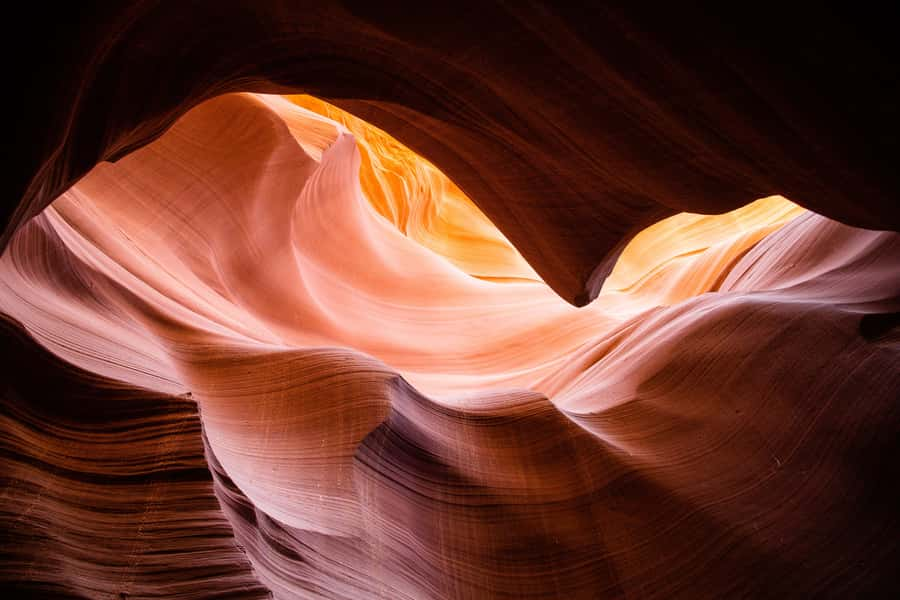
Lower Antelope Canyon is a twisting sandstone passage where sunlight turns the walls copper, rose, orange, and gold. I like the hands-on help with photos, and I like that guides such as Carson, Ben, Kylie, and Keaneu add Navajo history, safety advice, and even music or videos to the walk. The main drawback is clear: the stairs and narrow spaces demand steady footing and decent fitness.
You pay $76 for a short tour, but the entry fee, Navajo guide, environmental fee, and booking costs are included. The canyon itself is extraordinary, and the guides often make a big difference. Still, this is not a casual stroll, and people who dislike ladders, tight passages, or crowded viewpoints should think carefully before booking.
Key points to know before you book
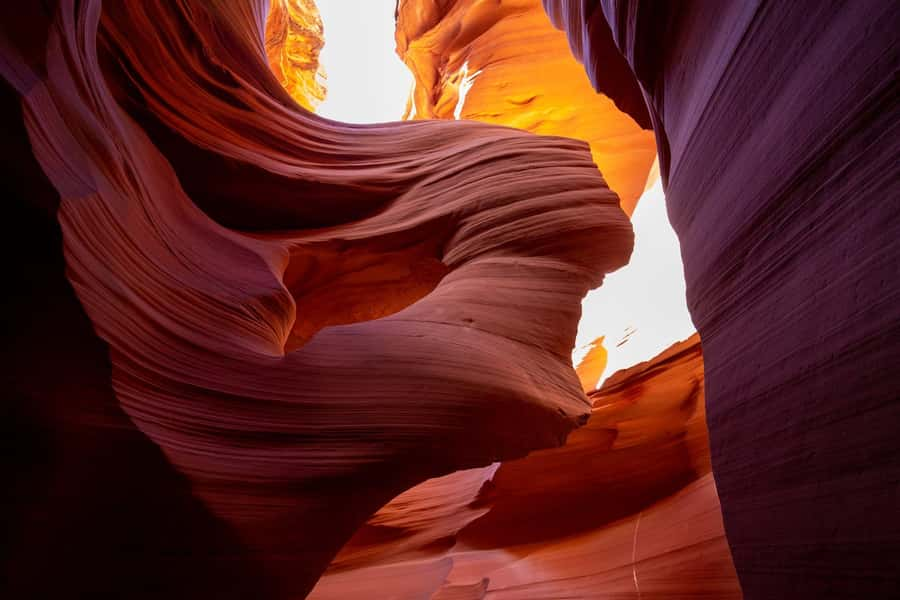
- Five flights down, eight staircases up: You descend about 35 meters, then make your way back out by a different stair route.
- The walk covers about 1.1 miles: Expect roughly 1.5 hours in total, including check-in time.
- Your guide adds real value: Guides explain erosion, flash floods, Navajo traditions, and the canyon’s history, while often helping with phone-camera settings.
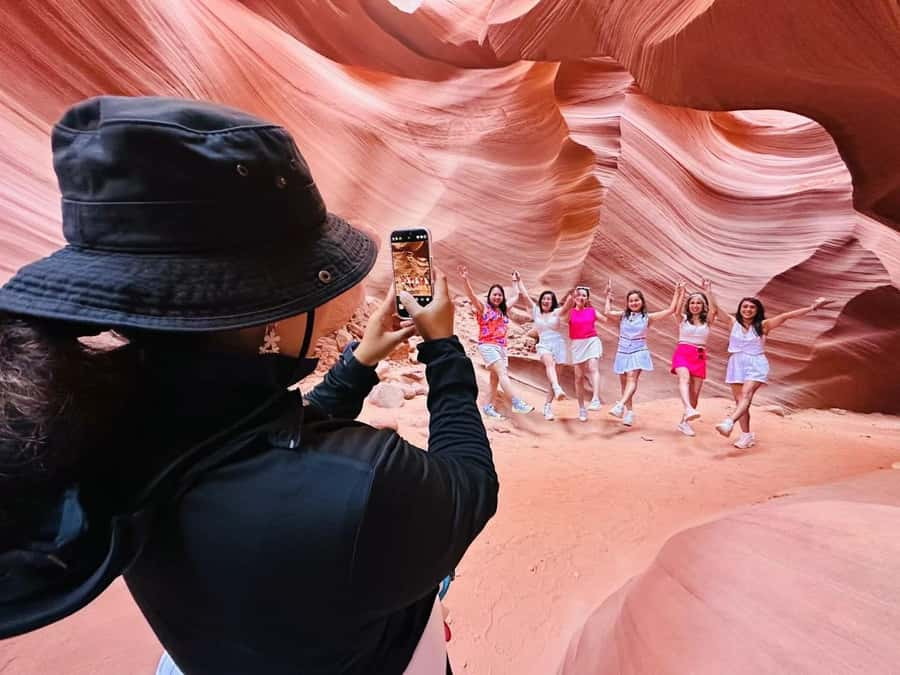
- Photo stops are part of the fun: Guides commonly take pictures for you at strong viewpoints and point out the famous shapes in the sandstone.
- There are strict rules: No bags, backpacks, purses, fanny packs, tripods, selfie sticks, action cameras, drones, or umbrellas are allowed.
- This suits active visitors best: The tour is not suitable for wheelchair users or people with mobility impairments.
Why Lower Antelope Canyon feels different
Upper Antelope Canyon is often pictured in the classic travel photographs, but Lower Antelope Canyon gives you a more active way to see slot-canyon scenery. You do not simply walk along a level corridor. You descend into the earth, squeeze through winding passages, climb stairs, and watch the rock change shape as you go.
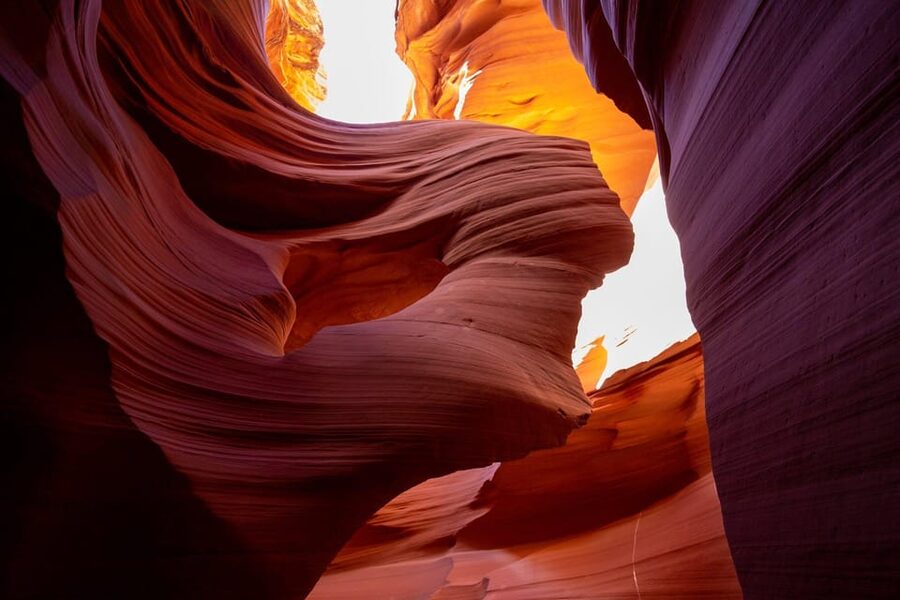
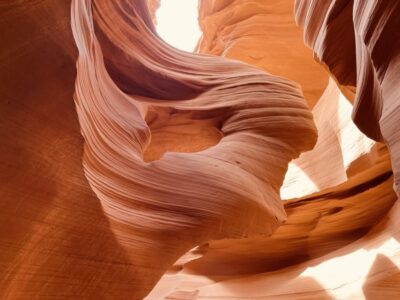
The canyon was formed by rain, wind, and erosion acting on Navajo sandstone over many years. Water carved the winding channels, while wind and shifting light helped shape the smooth, flowing walls. You will see curves that look almost folded, rippled, or poured into place.
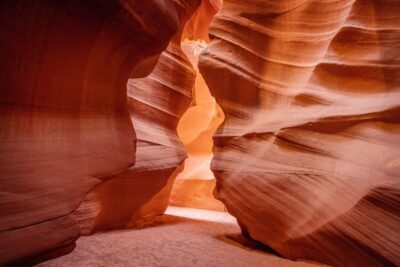
I love that the colors are not fixed. One section may look warm orange, while the next seems pink, purple, brown, or red. The walls respond to the angle of the sun, the time of day, and the shadows cast by other visitors in the passage.
The setting is also quiet in an unusual way. You may hear voices from nearby groups, but the tall walls soften the outside world. Looking up, you can often see a thin slice of blue sky far above you. That small opening makes the canyon feel less enclosed while still giving you the thrill of walking inside a natural sculpture.
Other slot canyons and overlooks near Page:
- Page: Lower Antelope Canyon Entry and Navajo Guided Tour
★ 4.7 · 7,801 reviews - Lower Antelope Canyon Hiking Tour
★ 5.0 · 6,216 reviews - Page: Antelope Canyon X Guided Tour
★ 4.6 · 4,034 reviews
The check-in and start at Ken’s Tours
You meet at Ken’s Tours Lower Antelope Canyon. Take the meeting point seriously, because the area has more than one Antelope Canyon tour location and the wrong turn can cost you valuable time.
The local instructions advise searching online for Ken’s Lower Antelope Canyon Tour and using the directions to reach the correct check-in point. The tour description gives a total duration of about 1.5 hours, including around 30 minutes for check-in, so do not arrive at the last second.
Time follows local Arizona time. That matters if you are driving in from another state or planning a tight day around Lake Powell, Horseshoe Bend, or the Grand Canyon. Give yourself a cushion for finding the site, parking, and completing check-in.
The tour is offered in the morning and afternoon. A late-morning departure can be appealing for photography, since one guest found the 11 a.m. light especially good for bringing out the canyon’s colors. Light changes during the day, though, and the canyon remains striking even when direct sun is not reaching every wall.
Descending five flights into the canyon
The tour begins with the most demanding part: going down five flights of stairs, approximately 35 meters in total. These are not ordinary broad staircases. You are entering a natural slot canyon, so the stairs and ladders can feel steep, narrow, and close together.
Railings are available along the stairwells, which helps if you are nervous about heights. One guest who disliked heights found the descent manageable after taking the first flights slowly. That is good advice. Move at your own pace, keep both hands free if you need them, and do not feel pressured to rush for the group.
Because water bottles and bags are not allowed inside, you will not have to manage a backpack on the stairs. You should still bring water for before or after the walk, especially in hot weather. Wear closed, comfortable shoes with a secure sole. Open-toed shoes, sandals, high heels, hiking sticks, and canes are not permitted.
Once you reach the lower section, the effort begins to pay off. The stone closes in around you, and the outside desert gives way to smooth walls, narrow turns, and changing bands of color.
The largest cavern and the narrow corridors
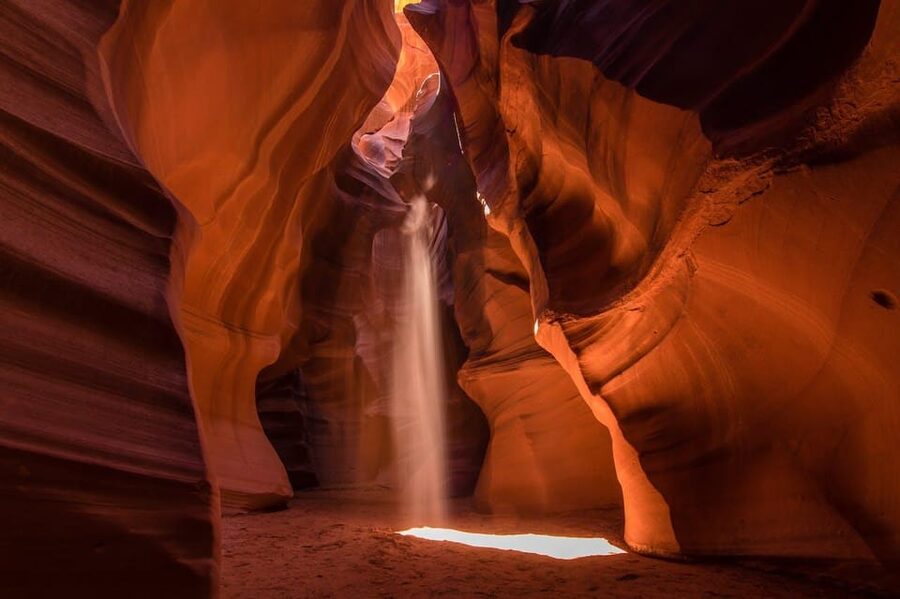
The route includes the largest cavern on this tour. You reach it after the initial descent, and it gives you a little more room to look around and take in the scale of the rock.
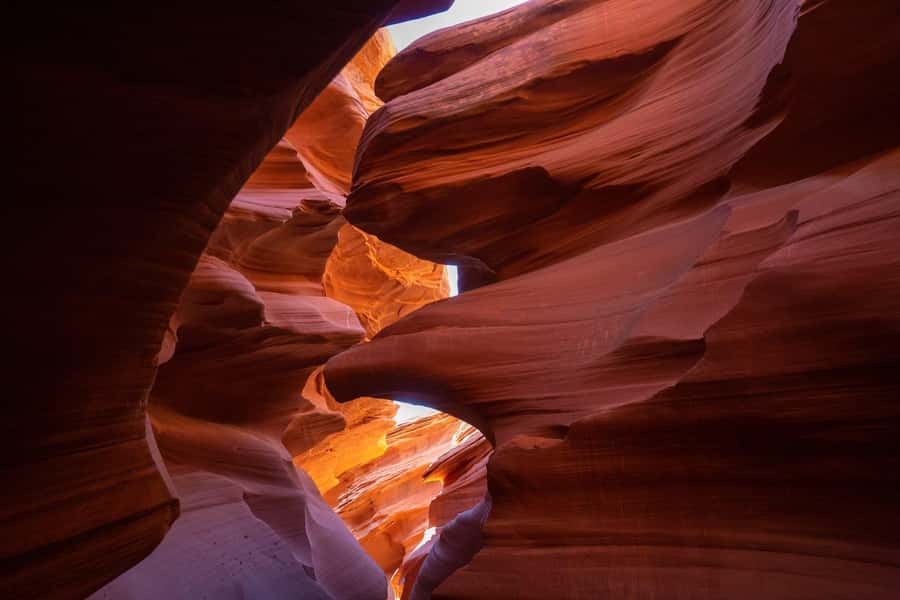
Look up and you may see slender strips of blue sky. Look sideways and the walls seem to twist around each other. The patterns are the result of water and wind, not human design, but the curves can resemble waves, flames, wings, or other shapes depending on the light.
Your Navajo guide explains how the canyon formed and points out details you might miss if you walked through without help. The guides also explain the effects of flash floods and the safety features used along the route. Keaneu, for example, used videos to explain canyon formation and flash floods, then played a native flute for the group.
That kind of extra detail can make the walk more meaningful. You are not just stopping for attractive pictures. You are learning why the canyon looks the way it does and why weather remains important in a slot canyon.
The passageways can become narrow. Some sections require careful movement through small openings, and the floor is not a smooth paved path. If you are claustrophobic, remember that the canyon usually offers a view of the sky above, but tight sections still exist. Go slowly and tell your guide if you need a moment.
Other walks around Page:
- Page: Upper Antelope Canyon Walking Tour with Local Guide
★ 4.5 · 586 reviews - History and Hauntings of Salem Guided Walking Tour
★ 5.0 · 14,564 reviews - New Orleans Premier Ghost, Voodoo and Vampire Walking Tour
★ 4.5 · 12,856 reviews - Little Havana Food and Walking Tour in Miami
★ 5.0 · 8,882 reviews
Eight staircases back to the surface
After the lower section, the route gradually climbs out through eight different staircases. The return is spread across several sections rather than one single climb, but it still takes effort.
This is where the 1.1-mile walking distance matters. The mileage alone does not sound daunting, but the stairs, uneven footing, narrow passages, and heat can make the outing feel more strenuous than a flat walk of the same length.
The pace is generally suited to taking pictures and listening to explanations. Guides are often patient while people photograph the walls. Joanne, Colin, Kylie, and other guides received praise for giving groups time rather than hurrying everyone onward.
Still, conditions vary by group and by day. If you are traveling with an older relative, a young child, or someone nervous about heights, allow extra time and be honest about your pace. One guide, Jessica, was especially attentive to an older visitor in the heat, but you should not count on every physical need being handled in the same way.
The guide is a major part of the value
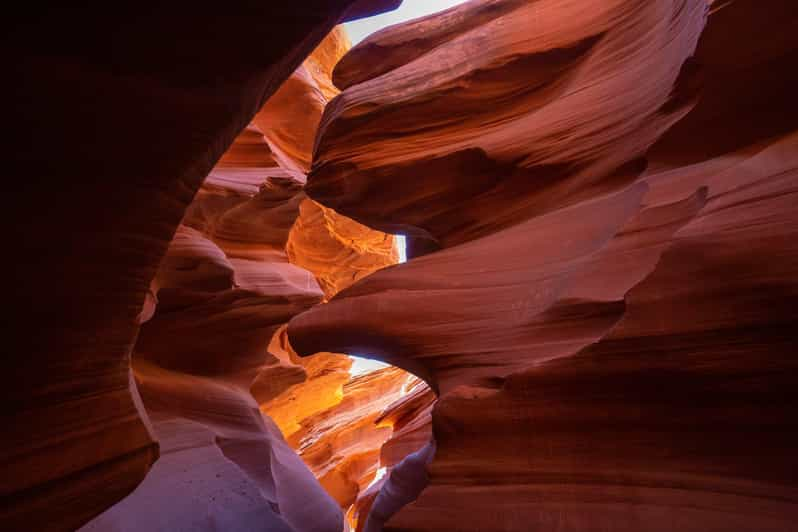
The canyon is the main attraction, but the guide shapes the quality of the visit. A good guide keeps the group moving safely, explains the geology in plain language, and knows where to pause for a photograph.
The strongest guide stories from this tour include Carson, who welcomed questions about Navajo culture; Ben, who combined humor with photography help; and Kelly Y, whose energy added life to the history and cultural explanations. Guides such as Shelbe M., Tony T, Seth, Alysa, and Kaylem C were also praised for being patient, helpful, and good at finding photo spots.
Do not be shy about asking for help with your phone. Guides often suggest camera settings, angles, or places to stand. Several guides also take pictures of couples and families, which is useful because you may otherwise end up with plenty of canyon shots and very few pictures of yourselves.
This assistance is one reason the price can feel more reasonable than it first appears. You are paying for access to a protected Navajo site, a local guide, safety oversight, and a structured route through a place you cannot explore independently.
The cultural element deserves attention, too. This is not just a scenic attraction separated from the people connected to the land. The guide may discuss Navajo traditions, the area’s past, and the importance of respecting the canyon. Listen closely and treat those explanations as part of the visit, not as a break between photo stops.
Photography tips that actually help
The canyon is extremely photogenic, but the phone in your pocket may not capture what your eyes see without a little care. The walls have strong contrast, with dark corners beside bright openings, so images can sometimes look too dark or too orange.
Your guide may help adjust your phone camera and point out locations where the lines of the stone show best. Pay attention when they suggest turning the phone vertically or changing the exposure. These small adjustments can make the ridges and flowing patterns easier to see.
A guide can also take a photo of your whole group. If you are planning a proposal or another special moment, tell the guide exactly what you want before the picture is arranged. One guest had a surprise proposal moment affected by a well-meaning suggestion for a different photo location, so clear instructions are worthwhile.
Professional cameras, GoPros, action cameras, camcorders, tripods, and selfie sticks are not allowed. You can use a phone, but you will need to keep your hands free on the stairs and follow the guide’s instructions.
Price, timing, and what you really receive
The listed price is $76 per person. That is not cheap for a 1 to 1.5-hour outing, and some people feel the cost is high. The value improves when you count what is included: Lower Antelope Canyon entry, a Navajo guide, the walking tour, booking and handling fees, and the Navajo Environmental Protection fee.
I would not choose this tour because it is a bargain. I would choose it because Lower Antelope Canyon is a rare place, access is controlled, and the guide adds practical help that you would not get by simply arriving at a viewpoint.
The tour is also organized around small pauses for photographs and explanations. That makes the short duration feel fuller than the clock suggests. You are walking, climbing, learning, and stopping for pictures rather than spending the entire time on one straight path.
Free cancellation is available up to two days before the tour for a full refund. That gives you some useful flexibility when building a busy Arizona road trip, but it does not remove the need to check your timing carefully.
Who should book this walk
You should consider this tour if you enjoy geology, photography, and active sightseeing. It is especially good for people who want more than a quick photo stop and who appreciate a guide explaining the place in person.
Families with older children may enjoy it, provided everyone can manage the stairs and narrow passages. Teenagers and pre-teens can find the changing shapes and photography stops engaging, though younger children may need close supervision.
This is a poor fit for wheelchair users and people with mobility impairments. It may also be uncomfortable for anyone with serious fear of heights or claustrophobia. The route has railings and visible sky, but it still includes steep stairs and tight spaces.
Bring comfortable closed shoes, water for before and after the tour, and clothing suited to the weather. Leave all bags, purses, fanny packs, hydration bags, crossbody bags, and backpacks behind. Pets and service animals are not allowed, and smoking, firearms, weapons, drones, umbrellas, and hiking aids are prohibited.
Should you book the Lower Antelope Canyon tour?
I would book it if Lower Antelope Canyon is a priority and you can handle the stairs. The canyon’s folded sandstone, changing colors, and narrow corridors are worth the effort, while the Navajo guides add useful geology, culture, safety advice, and photo help.
I would skip it if you need an easy, level walk or dislike being in confined spaces. For everyone else, $76 is a fair price for access to a remarkable place and a guide who can help you see and photograph it well. Reserve ahead when possible, choose a time that fits your driving plan, and arrive ready to climb.
FAQ
How long does the Lower Antelope Canyon tour last?
The total duration is about 1.5 hours, including approximately 30 minutes for check-in. The walking portion takes place inside Lower Antelope Canyon.
How much does the tour cost?
The listed price is $76 per person. It includes canyon entry, the Navajo guide, the walking tour, booking and handling fees, and the Navajo Environmental Protection fee.
Where do I meet the guide?
Meet at Ken’s Tours Lower Antelope Canyon. Use directions for Ken’s Lower Antelope Canyon Tour to reach the correct check-in location.
What language is the tour conducted in?
The live tour guide speaks English.
How much walking is involved?
The route requires about 1.1 miles, or 1.7 kilometers, of walking.
How many stairs are on the route?
You descend five flights of stairs, approximately 35 meters, and then gradually climb eight separate staircases on the way out.
Can I bring a bag or backpack?
No. Bags and backpacks are not allowed, including fanny packs, hydration bags, crossbody bags, messenger bags, and purses.
Are cameras, tripods, or selfie sticks allowed?
No. GoPros, action cameras, camcorders, tripods, and selfie sticks are not allowed. You can bring a phone, but you must keep your hands free on the stairs.
Can people with mobility impairments or wheelchair users join?
No. The tour is not suitable for people with mobility impairments or wheelchair users because of the stairs and walking route.
Just added in Page
- Page: Upper Antelope Canyon Walking Tour with Local Guide★ 4.5 · 586 reviews
- Page/Lake Powell: Guided Kayak & Water Antelope Canyon Tour★ 4.9 · 477 reviews
- Page: Upper Antelope Canyon Sightseeing Tour w/ Entry Ticket★ 4.6 · 397 reviews
- Page: Lower Antelope Canyon Ticket and Guided Hiking Tour★ 4.6 · 519 reviews
- Page: Upper Antelope Canyon Prime Time Entry & Navajo Guide.★ 4.6 · 619 reviews
- Page: Lower Antelope Canyon Prime-Time Guided Tour★ 4.6 · 668 reviews
- Antelope Canyon Lake Powell: Guided Kayaking & Hike Tour★ 4.9 · 369 reviews
- Lower Antelope Canyon Tour Ticket★ 4.5 · 1,699 reviews
Antelope Canyon & Horseshoe Bend Tours, compared.
Lower Antelope Canyon Entry and Navajo Guided Tour
Read our review →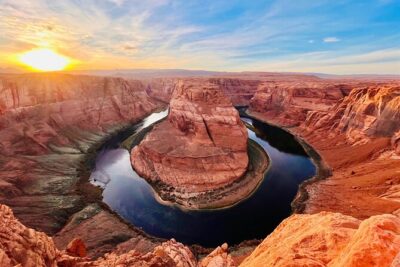
Lower Antelope Canyon and Horseshoe Bend Day Tour with Lunch
Read our review →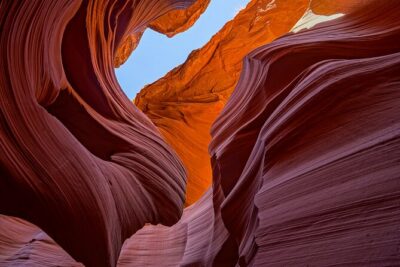
Lower Antelope Canyon Tour with Trained Navajo Guide
Read our review →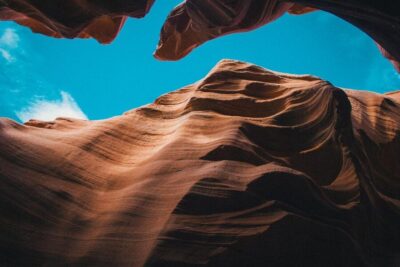
Upper Antelope Canyon Entry Ticket and Guided Tour
Read our review →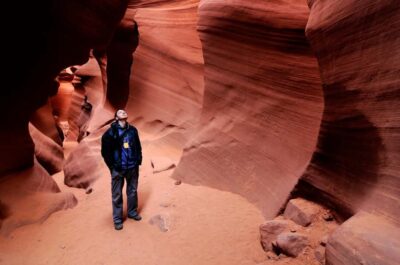
Antelope Canyon Horseshoe Bend Tour & Lake Powell
Read our review →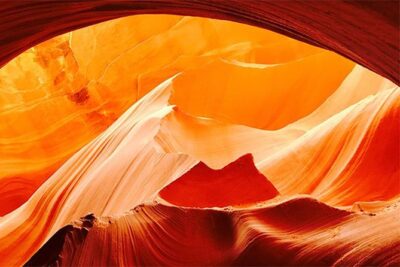
Browse the lists this tour appears in