
Reviewed · HORSES
2-hour Outer Banks Wild Horse Tour by 4WD Truck
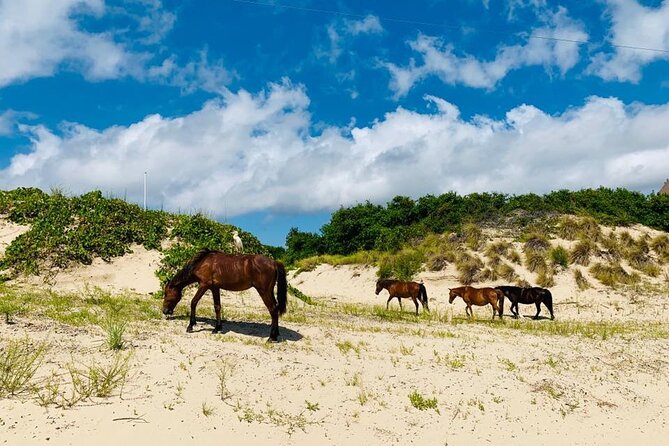
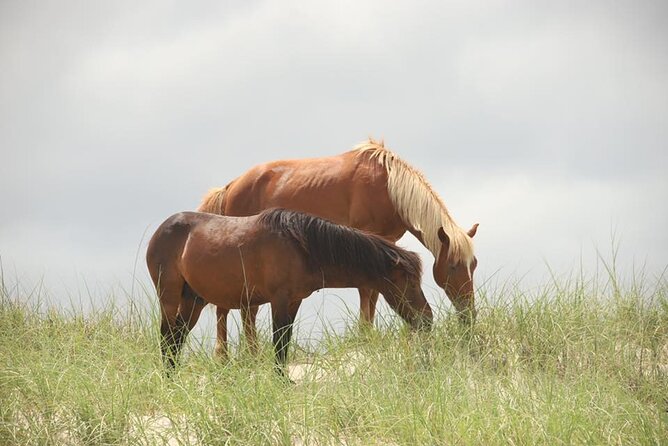
Corolla’s wild horses are the stars here, but the setting is half the fun. You ride an open-air 4WD truck over sand roads and along the beach, looking for horses that may be on the dunes, near beach houses, or down by the ocean. The guide also explains how these animals came to live on the Outer Banks and how they survive here today.
I like the mix of wildlife and local storytelling. Guides such as Edna, Paul, Ann, John, and Karla have made this more than a quick horse-spotting run, sharing details about horse families, genetics, island history, and local lore. I also like the small group size, capped at 12, which makes it easier to ask questions and get help with photos.
The main drawback is the ride itself. The truck can be rough on your back and neck, and the open rear is cold and windy outside summer. If you need a smooth, warm, gentle outing, this is not the right vehicle for you.
Key points to know before you go
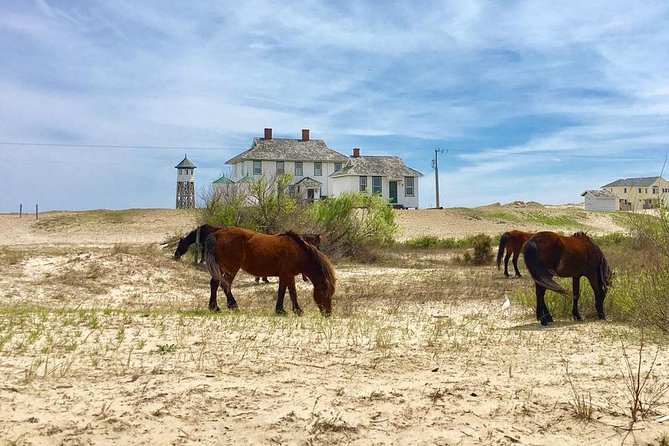
- The horses are genuinely free-roaming: You may see them on the beach, in the dunes, or near homes within their protected habitat.
- The 4WD ride is part of the attraction: Expect sand, jolts, wind, and beach driving rather than a quiet wildlife bus.
- The guide adds real local context: The commentary can cover horse genetics, family groups, Corolla history, and current issues affecting the area.
- The open-air truck changes with the weather: Bring warm layers and gloves in November, December, and other cool months. Blankets may be provided, but do not rely on them alone.
- The group is limited to 12 people: That gives the experience a more personal feel than a large coach tour.
- Arrive early in Corolla: Traffic can be heavy, and you are asked to arrive 30 minutes before departure at 1148 Ocean Trail.
Why Corolla is a good place to look for wild horses
The northern end of Corolla is not a traditional zoo-style wildlife stop. These horses move through a broad coastal area that includes sand dunes, beach, sandy access roads, and developed sections with large beach homes. That makes the sighting feel less staged, but it also means the animals are not guaranteed to appear on a neat schedule.
You may see a small group standing near the road, a horse on the beach, or several animals spread out over the dunes. Some groups have seen roughly a dozen horses, while others have counted 40 or so. Your results depend on the day, the horses’ movements, and the time spent searching.
That unpredictability is worth understanding before you book. You are not being driven to one fixed enclosure where horses wait for a photo. The guide has to search, and some tours may take time before the first sighting. The payoff is that the horses are living in their own environment, not performing for a crowd.
The setting also creates a curious contrast. You can see horses standing near beach houses, which may surprise you if you picture a totally empty wilderness. This is still their habitat, but it is a shared one, shaped by roads, homes, dunes, and the sea.
Other rides on horseback around the USA:
- Charleston’s Old South Carriage Historic Horse & Carriage Tour
★ 5.0 · 10,023 reviews - Haunted Evening Horse and Carriage Tour of Charleston
★ 4.5 · 3,678 reviews - Charleston Horse-Drawn Carriage Tour: Explore Historic Charleston
★ 5.0 · 3,561 reviews
Starting at 1148 Ocean Trail in Corolla
The tour begins at 1148 Ocean Trail, Corolla, North Carolina. You meet the guide there, check in, and board the open-air 4WD truck. The experience ends at the same location.
Allow extra time to reach Corolla. Traffic is common, and the operator does not treat a late arrival caused by traffic as a reason for a refund. Arriving 30 minutes early is the sensible plan, especially during busy periods or if you are driving from another part of the Outer Banks.
The departure point is also useful for planning the rest of your day. One person arrived early enough to visit Currituck Lighthouse before the tour, since it is nearby. Just leave enough room for parking, finding the meeting point, and using the restroom before boarding.
Several departure times are offered during the day. A midday trip may give you warmer conditions in the cooler months, while an earlier or later departure may suit your wider schedule. The important choice is not only the hour, but the weather forecast and your tolerance for wind.
Riding the 4WD truck across sand and beach
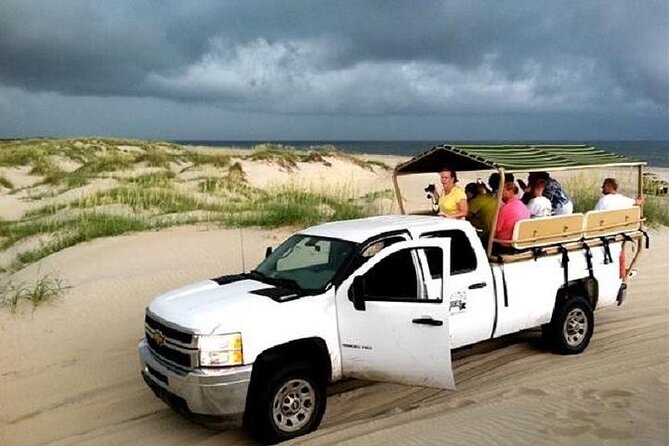
The vehicle is an open-air 4WD truck, not an ATV. You remain seated while the driver takes the truck over sandy roads, dunes, and the beach. The ride lets you reach sections of Corolla that ordinary cars cannot access.
Expect a lively trip. The sand can make the vehicle bounce, and the beach ride may feel faster and rougher than you expect. Some people find that part exciting. Others finish with sore backs or necks, even when they are generally fit.
I would think carefully before bringing anyone with existing back, neck, or mobility problems. The stated requirement is a moderate level of physical fitness, and children must weigh at least 40 pounds and be at least five years old. Children also need to be accompanied by an adult.
The open rear is a major part of the viewing experience, since you have a broad view of the dunes and sea. It also leaves you exposed to cold air. Bring a jacket, hat, gloves, and layers in the off-season. Several winter and late-autumn outings were described as cold or windy, and blankets were useful but did not replace proper clothing.
Searching the dunes and the 4×4 beach
The main stop is the 4×4 beach in Corolla, which can only be reached by four-wheel-drive vehicles. The truck carries you along the sand, past the ocean, dunes, and beach-only areas where ordinary rental cars cannot go.
This section gives you more than a horse sighting. You get a clear sense of how difficult the ground is to cross and why a 4WD vehicle is needed. The beach ride also provides some of the most memorable scenery, with the ocean on one side and the dunes and homes on the other.
The guide searches for horses while driving and may stop when a group is visible. You should be ready to wait, watch carefully, and accept that horses may be farther away than your ideal photo distance. The animals are wild, so the vehicle does not promise close contact.
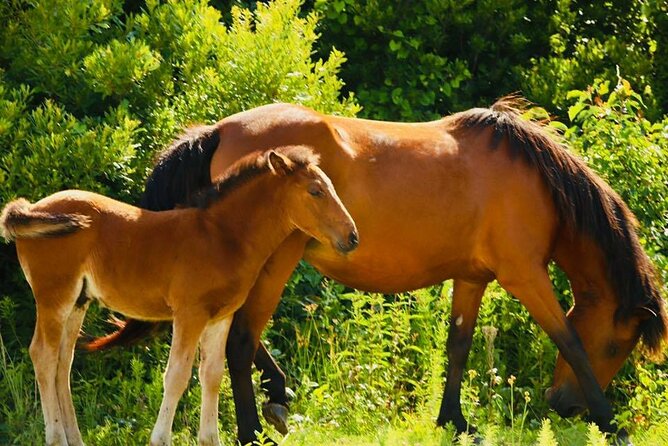
When the horses are nearby, the guide can help you identify what you are seeing. Some guides know individual horses and family groups, which adds a useful layer to the experience. You are not just looking at an attractive animal. You begin to notice age, coloring, group behavior, and the way the horses use the area.
Other two-hour trips in the USA:
- NYC: Circle Line 2h Harbor Lights Cruise Skip-The-Box-Office
★ 4.6 · 8,222 reviews - 2-Hour Exotic Car Driving Experience in Las Vegas
★ 5.0 · 2,870 reviews - Rock Springs 2-Hour Glass Bottom Guided Kayak Eco Tour
★ 5.0 · 2,459 reviews - 2-Hour Gettysburg Battlefield Guided History Bus Tour with a National Park Guide
★ 4.5 · 2,201 reviews
Learning the horses’ story from local guides
The guide drives the truck and provides the commentary, so your seat can affect how well you hear. One person found that the first one or two seats behind the driver’s window had the clearest sound. If learning the background matters to you, try to sit near the front or ask the guide to repeat key points.
The subject matter can be unusually detailed for a short tour. Expect discussion of how the horses came to the Outer Banks, how they have adapted to the coastal environment, and what is being done to protect them. Some guides also discuss horse genetics and intentional breeding, along with the family groups seen in the area.
Local history is part of the appeal. Guides have connected the horses with Corolla’s older buildings, the island’s development, and current local concerns. A guide may also add personal stories and local news, which gives the trip a less scripted feel.
The quality of the commentary may vary with the guide and the seat you receive. Most of the named guides have been praised for making the ride interesting, but one account found the horse information less detailed than on another company’s outing. That is a fair reminder to book this for the combination of vehicle ride, setting, and wildlife, not only for a lecture about horses.
Private access and responsible wildlife viewing
The tour includes private access to the Wild Horse Conservation Area. That matters because it allows the vehicle to reach parts of the horse habitat that are not open to ordinary traffic.
Private access does not mean a guaranteed close encounter. It means the tour can enter a designated area and search more effectively. The horses still choose where to go, and you may find them scattered across the dunes or near homes.
The best approach is to watch without expecting the animals to pose. Your guide can point out horses and explain what you are seeing, but the experience is strongest when you accept the natural pace of the search. Do not plan on feeding, touching, or calling the horses over.
Dogs are discouraged because the Corolla Wild Horse Fund has asked visitors not to bring them. Registered service animals are allowed. Service animals are also listed as permitted on the tour, but ordinary pets should stay home.
What the two hours feel like
Two hours is a useful length for this activity. It is long enough to travel through the beach area, search several locations, hear the main story, and stop for photos without turning the outing into a full-day commitment.
The ride can feel full because the truck is constantly moving between sandy roads, beach sections, and horse-viewing areas. One guide extended a trip by about 15 minutes to give the group a better outing. Still, you should plan around approximately two hours rather than assume an extra extension.
The experience is active without requiring a hike. You sit in the vehicle, but the bumpy road and wind can be tiring. If you are visiting with older parents or anyone sensitive to rough motion, consider whether the vehicle is suitable. One couple enjoyed the tour but reported back and neck pain afterward, and they felt a different vehicle would have been better for their parents.
The best season and what to wear
Warm weather is not guaranteed simply because you are at the beach. In November and December, the open truck can be very cold, especially while traveling along the water. Wind makes the temperature feel lower than it does at the meeting point.
For cool-weather departures, I would bring:
- A warm jacket or coat
- Gloves
- A hat that will stay on in the wind
- Layers that can be adjusted
- Water in a non-glass container
Blankets may be available, and they helped some groups stay comfortable. Still, gloves were specifically missed on one late-November tour, so pack them even if the forecast looks mild.
You may bring drinks, but alcoholic beverages and glass containers are not allowed. Food and drinks are not included, so eat before the tour or plan a meal afterward in Corolla.
Group size, guide style, and value
The maximum group size is 12 people. That is small enough for a more personal outing, though your exact view and ability to hear the commentary will depend partly on where you sit.
The guide is also the driver, which keeps the tour moving and gives the trip a local, personal tone. Guides have been praised for taking photos, sharing family stories about the horses, and extending the ride when needed. The strongest part of the service is the sense that the guide wants you to understand the area, not simply check off a wildlife sighting.
The value comes from the package: transportation over restricted sand routes, access to the conservation area, a guide, wildlife searching, and local history. You would not get the same reach in an ordinary car, and hiring a 4WD vehicle yourself would not provide the same horse background.
The value is weaker if you require a guaranteed number of horses or a smooth ride. Some outings find dozens, while others see around a dozen or fewer. You are paying for access and a guided search, not a guaranteed wildlife performance.
Who should book this Corolla horse tour
I would recommend it to families with children who meet the age and weight rules, couples, solo visitors, and anyone who enjoys local history along with wildlife. It is also a good choice if you want to reach the beach-only areas without driving a 4WD vehicle yourself.
You should be comfortable with three uncertainties: the number of horses, their distance from the truck, and the weather. The tour works best for someone who can keep an open mind and enjoy the ride even if the horse search takes time.
I would be cautious if you have back or neck trouble, dislike rough roads, or want a quiet indoor tour. The vehicle is not a luxury shuttle. It is a working beach truck, and the bumps are part of the deal.
The experience has a strong 4.8 rating from 2,449 ratings, with 95 percent recommending it. Those numbers fit the main pattern here: excellent guides, memorable horse sightings, and a fun setting, balanced by cold wind, limited horse predictability, and a rough ride.
Should you book the 2-hour Outer Banks Wild Horse Tour?
Book it if you want to see Corolla’s horses in the place they actually live and you like the idea of riding over sand and beach in an open truck. Bring warm clothes, arrive early, and choose another activity if you need a smooth or sheltered vehicle.
For the best chance of enjoying it, focus less on counting horses and more on the full outing: the dunes, ocean, access roads, conservation area, and stories about Corolla. If you do that, the tour offers a memorable look at a distinctive part of the Outer Banks.
FAQ
How long is the Outer Banks wild horse tour?
The tour lasts approximately two hours and ends back at the meeting point.
Where does the tour begin?
You meet at 1148 Ocean Trail, Corolla, NC 27927, USA.
What type of vehicle is used?
The tour uses an open-air four-wheel-drive truck. It does not use ATVs.
Are children allowed on the tour?
Children must be at least five years old and weigh at least 40 pounds. Children must also be accompanied by an adult.
How many people can join the tour?
The maximum group size is 12 people.
Is hotel pickup included?
No. Hotel pickup and drop-off are not included. You must make your own way to the meeting point.
What should I bring?
Bring drinks in non-glass containers, along with weather-appropriate clothing. Gloves, warm layers, and a jacket are especially useful during cool-weather tours.
Can I bring my dog?
Ordinary dogs are discouraged because the Corolla Wild Horse Fund has asked that they not be brought. Registered service animals are allowed.
What happens if the weather is bad?
The activity requires good weather. If it is canceled because of poor conditions, you can receive a different date or a full refund. If you cancel, you must do so at least 24 hours before the start time for a full refund.
Just added in the USA
- Key West Reef Snorkel – Morning Mimosas or Afternoon Margaritas★ 4.0 · 620 reviews
- Key West Half-Day Fishing Charter★ 4.5 · 408 reviews
- Key West Haunted Pub Crawl and Ghost Tour with Free T-Shirt★ 4.5 · 549 reviews
- Key West Glass-Bottom Boat Tour with Sunset Option★ 4.0 · 576 reviews
- Key West Ghosts and Gravestones Trolley Tour★ 4.5 · 1,217 reviews
- Key West Dolphin and Snorkel Experience★ 4.5 · 334 reviews
- Key West Afternoon Reef Snorkeling with Open Bar★ 4.5 · 419 reviews
- Key West Ghost and Mysteries Guided Tour★ 4.5 · 1,079 reviews
Horses, compared.
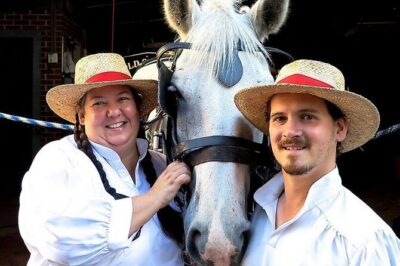
Charleston’s Old South Carriage Historic Horse & Carriage Tour
Read our review →
Haunted Evening Horse and Carriage Tour of Charleston
Read our review →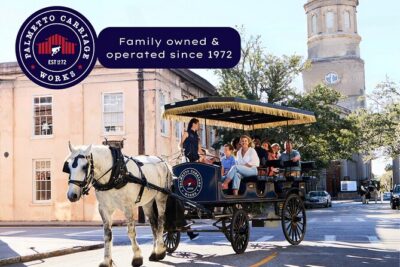
Charleston Horse-Drawn Carriage Tour: Explore Historic Charleston
Read our review →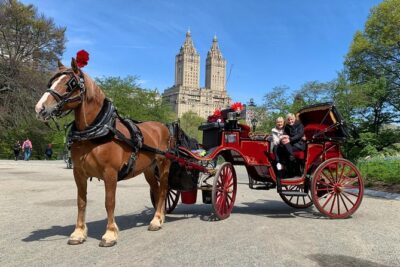
Official NYC Horse Carriage Rides in Central Park since 1979 ™
Read our review →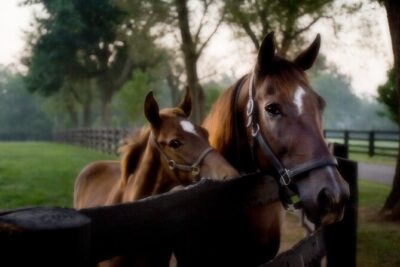
Half-Day Thoroughbred Horse Farm Tour in Kentucky
Read our review →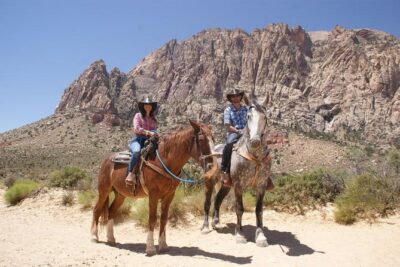
Morning Horseback Ride with Breakfast from Las Vegas
Read our review →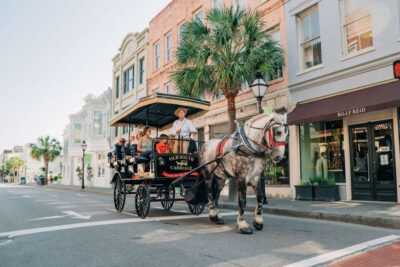
Historical Downtown Tour by Horse-drawn Carriage
Read our review →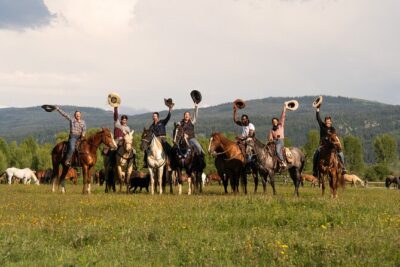
Horseback Riding with Grand Teton Views in Jackson Hole
Read our review →Browse the lists this tour appears in